

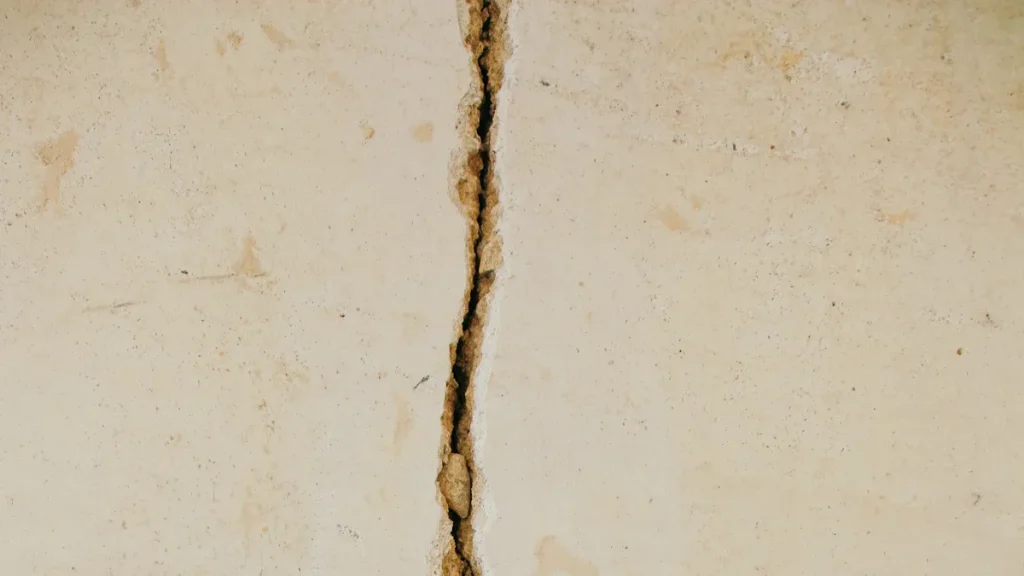
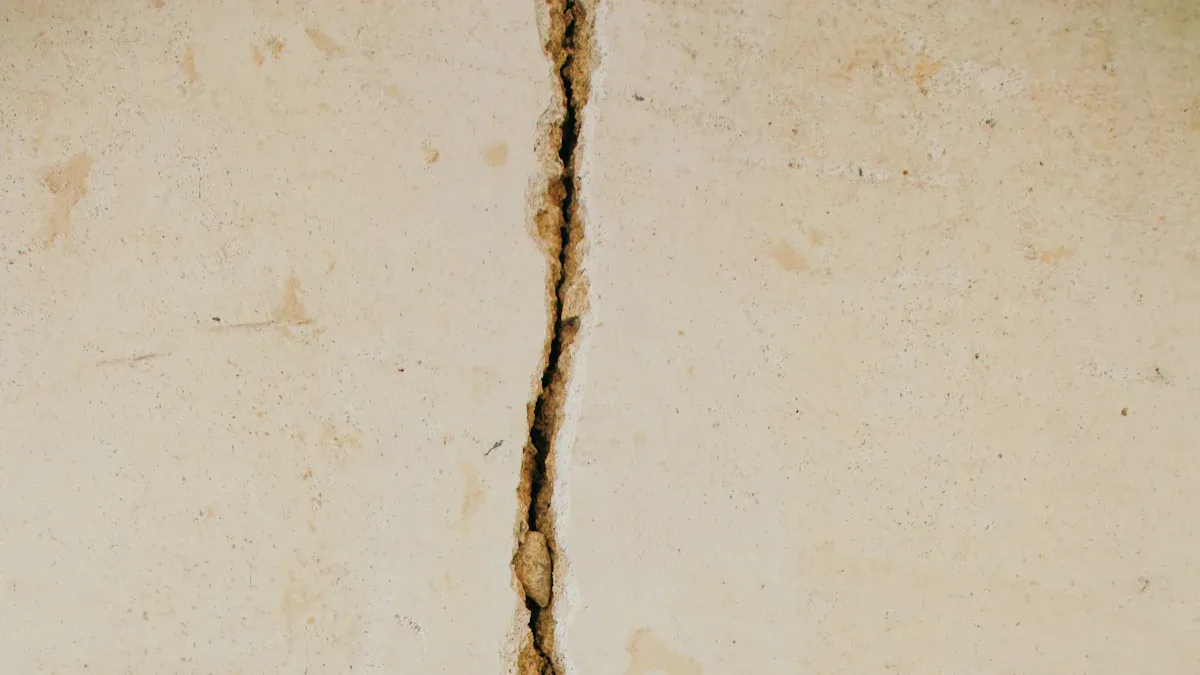
Winter is approaching quickly, making it essential to address those pesky concrete cracks. If left unattended, you could face significant freeze-thaw issues. Water seeps into the cracks, freezes, and expands, resulting in increased damage with each cycle. This can lead to costly repairs, so don’t delay! Let’s explore how to repair concrete cracks before winter freeze-thaw damage gets worse.
Key Takeaways
Check your concrete surfaces often to find cracks early. Finding them early stops bigger problems and expensive repairs.
Use the right sealants like polyurethane or silicone to fill cracks. This keeps water out and prevents more damage in winter.
Think about using self-healing products for lasting repairs. They lower maintenance needs and make your concrete stronger.
Causes of Concrete Cracks
Environmental Factors
Concrete cracks often begin because of environmental factors. You may see them more during extreme weather changes. 🌦️ When temperatures drop, moisture gets into concrete pores. As it freezes, it expands and makes cracks bigger. This cycle happens with each freeze-thaw event, causing more damage over time. Deicing chemicals can also make this worse. They get into the concrete and increase cracking. Ground movement and frost heave put more stress on the concrete, leading to cracks. High temperatures can dry out the surface quickly, causing early cracks. These environmental factors show why it is important to take steps to prevent cold-weather cracking.
Structural Issues
Structural issues are also a big reason for concrete cracking. Poor construction practices, like not using enough reinforcement, can cause early cracks. Uneven soil settling under a foundation can make parts sink at different rates. This causes stress and cracks. In homes and businesses, plastic shrinkage happens when surface moisture evaporates faster than bleed water rises. Drying shrinkage is another common problem, where concrete shrinks over time and creates cracks. Thermal differential cracking occurs when temperature differences inside mass concrete create stress. Corrosion-induced cracking happens when rebar rusts, causing pressure that splits the concrete cover. These structural issues show why timely repair and using sealant are important to keep concrete strong.
Importance of Timely Repairs
Preventing Water Damage
Fixing cracks quickly is very important. It helps stop water damage in your concrete. When you fix cracks early, you keep water from getting in and causing more problems. Here’s how to keep your concrete strong:
Regular Inspections: Look at your concrete surfaces often. Check for cracks or wear. Finding problems early helps you fix them before they get worse.
Seal Cracks: Use concrete fillers and sealants to fill cracks. This stops water from making the cracks bigger.
Monitor for Corrosion: Watch for early signs of corrosion or erosion. If you see these signs early, you can avoid expensive repairs later.
Reapply Protective Coatings: Apply protective coatings regularly to keep them working well. This extra layer helps protect your concrete from harsh winter weather.
By doing these things, you can keep your concrete strong and avoid costly repairs later.
Extending Concrete Lifespan
Fixing cracks right away helps prevent water damage and makes your concrete last longer. If you ignore cracks, they can cause big problems, especially in winter. The freeze-thaw cycle can really damage cracks that are not fixed. When water gets into the cracks and freezes, it expands. This creates pressure that can harm the inside of the concrete. Over time, this weakens the structure and can lead to bigger cracks.
Also, surface scaling happens when water near the top freezes. This causes the top layer of concrete to peel or flake off. De-icing salts can make this worse by breaking down the surface faster. These issues lower the strength, safety, and look of your concrete.
So, don’t wait! Fix those cracks before winter comes. By doing this, you’ll keep your concrete strong and working well for many years.
How to Repair Concrete Cracks Before Winter Freeze Thaw Damage Gets Worse
Cleaning and Preparing Cracks
Before you fix concrete cracks, you need to clean them well. This helps the repair materials stick better and last longer. Here’s how to do it:
Break Off Loose Material: Use a masonry chisel and hammer to take off any weak pieces around the crack. Don’t forget to wear eye protection.
Chip Down: Chip the concrete at the crack site until it is one inch deep below the surface.
Scrape Away Old Caulk: Use a metal putty knife to get rid of any old caulk.
Remove Dirt and Debris: Use a leaf blower or pressure washer to clear dirt and loose stuff from the crack. A wire brush can help with tough debris.
Ensure Dryness: Make sure the area feels dry before you move on to the next step.
Applying Repair Materials
After cleaning the cracks, it’s time to put on the repair materials. Choosing the right materials is important to stop more damage in winter. Think about these options:
Polyurethane Sealants: These are very flexible and stick well, making them great for outside repairs. Make sure they have UV stabilizers for outdoor use.
Silicone Sealants: These are great for extreme temperatures and resist weathering well.
MS Polymer Sealants: These mix the good parts of silicones and polyurethanes. They bond without needing primers and can be painted after they cure.
When you apply these materials, work during the warmest part of the day for the best results. Make sure the crack is dry before adding fillers to avoid sticking problems.
Using Self-Healing Products
For better durability, think about using self-healing products like the BAND Cement Crack Sealer. This cool product uses a special self-healing method to create a smart network in the concrete that fixes cracks by itself. Here’s why it’s a good choice:
Durability: Self-healing products are important in winter when cracks can get worse from freeze-thaw cycles.
Reduced Maintenance: They lower maintenance costs because they need fewer fixes over time.
Improved Safety: By stopping big failures, they keep the structure safe before winter.
Self-healing materials like BAND Cement Crack Sealer can fix themselves using bacteria or microcapsules that release healing agents. These materials make structures last longer, cut down on maintenance needs, and help the environment.
Tip: Check concrete cracks before winter to find early signs of freeze damage. Fixing problems early lowers the chance of more cracks during winter.
Using a good sealant makes a protective layer against moisture, which cuts down on surface cracking and long-term damage. Sealants stop water from getting in and protect against de-icing chemicals, keeping the concrete strong.
By following these steps, you can fix concrete cracks and protect your surfaces from winter freeze-thaw damage. Remember, fixing things on time is key to keeping your concrete strong and working well.
Before winter comes, fix those concrete cracks to avoid bigger problems later. Here’s why:
Prevent Damage: Cracks let water in, causing more cracks and expensive repairs.
Boost Property Value: Fixing cracks makes your home look better and stops settling issues.
Act Now: The crack repair market is growing because old buildings need help. Fixing cracks early saves money and keeps your property safe.
Spending time on repairs now makes sure your concrete stays strong and looks good, saving you from future troubles.
FAQ
What should I do if I find a large crack in my concrete?
If you see a big crack, clean it well. You might want to use a self-healing product like BAND Cement Crack Sealer to fix it properly.
How often should I inspect my concrete for cracks?
Check your concrete surfaces at least two times a year. Do this especially before winter to find cracks early and stop more damage.
Can I repair concrete cracks in cold weather?
It’s best to fix cracks when it’s warmer than 50°F. Cold weather can change how well the repair materials work.
See Also
Essential Tips for Effective Concrete Crack Repairs
Comprehensive Guide to Choosing a Cement Crack Sealer
Your Complete Handbook for Successful Concrete Patching
