


Concrete spalling is a common issue, affecting approximately 30% of concrete structures within their first 20 years. When concrete begins to flake or chip, it can lead to significant problems. It’s crucial to address spalling promptly to prevent further damage and costly repairs. Timely repairs are essential for maintaining the strength of your concrete surfaces. In North America, the economic impact is substantial, with transportation authorities allocating portions of their budgets to concrete restoration. This concrete spalling repair guide will assist you in learning how to effectively address these repairs.
Key Takeaways
Concrete spalling happens to about 30% of buildings in 20 years. Fix it fast to avoid expensive repairs.
Regular checks are important. Look for cracks and chips at least once a year to find problems early.
Get the surface ready before fixing. Clean it and check damage to make sure repair materials stick well.
Use good products like the BANDě Shaving Agent for resurfacing. Good materials make it last longer and stop more spalling.
Seal and protect your concrete after fixing. Put on sealants to keep water out and make your surfaces last longer.
What is Concrete Spalling?
Concrete spalling is a common problem with concrete structures. It happens when the top layer of concrete starts to break apart. This leads to cracks, chips, and flakes. These issues can hurt the strength and life of your concrete surfaces. When parts of the concrete pull away from the main structure, it creates pitted, cracked, or exposed spots. This is not just a surface issue; it can cause serious structural problems if not fixed.
Causes of Concrete Spalling
Knowing what causes concrete spalling can help you stop it. Here are some usual reasons:
Freeze-thaw cycles: Water gets into the concrete and freezes. This makes it expand and can crack the concrete.
Corrosion of reinforcing steel: If the steel inside the concrete rusts, it can grow and crack the concrete.
Chemical reactions: Some chemicals can react with the concrete and cause spalling.
Moisture infiltration: Water entering the concrete can weaken it over time.
Poor installation practices: If the concrete was not put in correctly, it may be more likely to spall.
Environmental conditions: Extreme weather can harm concrete surfaces.
Signs of Concrete Spalling
You can find concrete spalling by looking for certain signs. Here’s a helpful table to help you see them:
Type of Spalling | Visual Signs | Structural Signs |
|---|---|---|
Surface Spalling | Cracking, spalling, scaling, exposed aggregates | Usually affects the top layer, less than 20 mm deep, can lead to moisture infiltration |
Subsurface Spalling | Rust stains before visible loss occurs | Shows active reinforcement corrosion, possible loss of load-bearing strength |
Corner Spalling | Cracking or chipping at slab corners | Stress points due to impact or lack of support |
Joint Spalling | Cracking, breaking, or chipping near control or expansion joints | Happens from bad joint construction or freeze-thaw damage |
Delamination | Horizontal separation within concrete | Can cause spalling that shows large areas of subsurface concrete |
General Visual Signs | Surface scaling, delamination patterns, exposed aggregate or reinforcement | Seen through visual checks from 20 feet away in daylight |
Fixing concrete spalling quickly is very important. It improves the safety of structures, especially in busy areas or places like bridges and tunnels. By taking preventive steps, you lower the chance of structural failures and safety risks, keeping users safe.
Spalling concrete greatly affects the strength of buildings and infrastructure. As spalling gets worse, the concrete loses mass and strength. This makes it harder for the concrete to hold weight. This damage can put more stress on the remaining concrete and reinforcing steel, which might cause structural failures.
By learning what concrete spalling is and spotting its signs, you can act to repair and prevent it. This helps ensure the life and safety of your concrete structures.
Checking Damage for Concrete Spalling Repair
Before starting repairs, you must check how bad the damage is on your concrete surfaces. This step helps you see how serious the spalling is and what repair methods you will need.
Checking Severity
When you check the damage, begin by looking for visible signs. Look for cracks, chips, and flakes on the surface. If you see rust stains or exposed steel, the damage could be worse. You can use non-destructive testing methods to get a better idea. For example, Ground Penetrating Radar (GPR) can find issues like moisture getting in or chloride contamination, which can cause spalling. Infrared Thermography is another helpful tool. It finds heat differences to show problems just below the surface.
Tools for Checking
Using the right tools makes checking the damage much easier. Here’s a helpful table to guide you:
Method | Strengths | Limitations |
|---|---|---|
Acoustic Sounding | Low cost, fast, proven | Subjective, surface dependent |
Ground Penetrating Radar (GPR) | Rebar mapping, depth | Limited delamination sensitivity |
Infrared Thermography | Large-area scanning | Weather and timing dependent |
Impact Echo | Quantitative results | Higher cost, specialized |
These tools help you find the areas that need fixing. Regular maintenance and checks using these methods can stop spalling concrete from becoming a bigger problem. By being proactive, you keep your concrete structures strong and safe.
Remember, checking the damage is very important. It helps you choose the right repair methods and keeps your concrete surfaces strong.
How to Repair Spalling Concrete
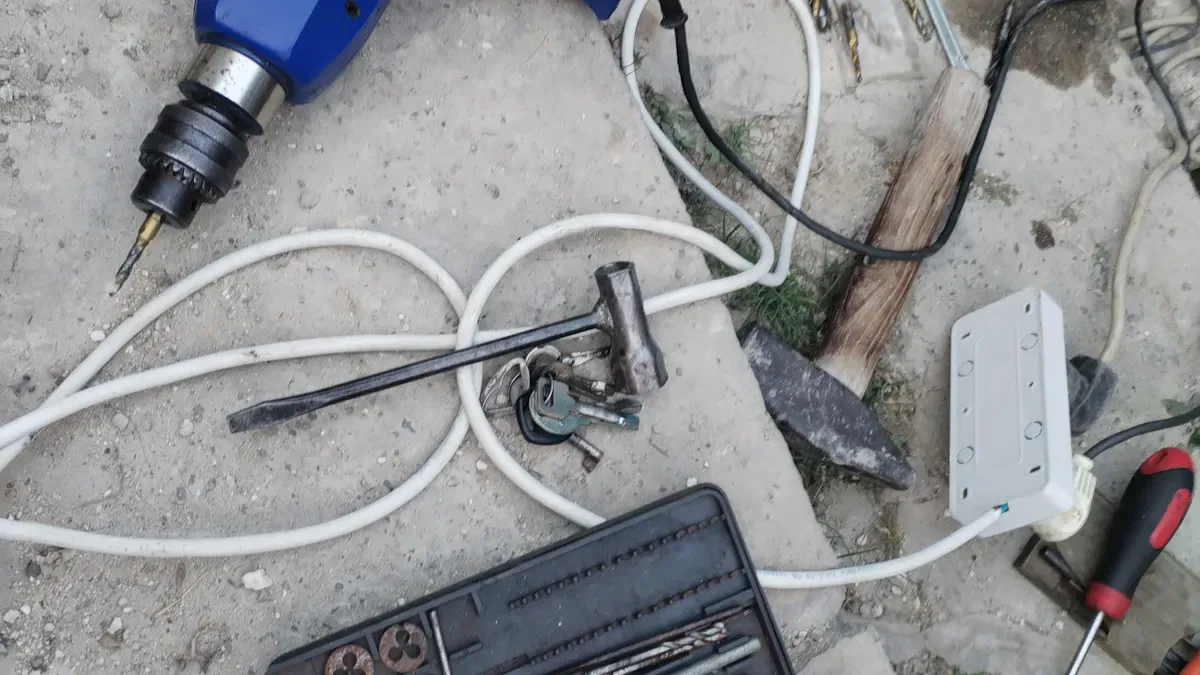
Fixing spalling concrete might look hard, but you can do it with the right steps. Let’s split it into three main parts: getting ready, repair methods, and finishing touches.
Preparation for Repair
Before starting the repair, you must prepare the surface well. Here are the important steps to take:
Visual Inspection: First, look closely at the concrete surface. Write down where the spalling is and how big the damaged areas are. Check for patterns that might show deeper problems.
Damage Assessment: Check the physical and chemical damage. Look for contamination, how strong the structure is, and the state of any reinforcing steel. This step is very important to fix all hidden issues.
Surface Preparation: Clean the area very well. Follow industry standards like SSPC-SP13/NACE 6 for cleanliness. Make sure the surface profile meets ICRI 310.2R requirements. A clean surface helps your repair materials stick better.
Tip: Managing moisture is very important. Pre-wet the surface until it is saturated but dry. Avoid standing water because it can weaken the repair.
Repair Methods
Now that your surface is ready, it’s time to fix the spalling concrete. Here are some good methods:
Assessment of Damage: Check again how deep and serious the damage is. This helps you pick the right repair method.
Resurfacing: Put a new layer of concrete over the old surface. Make sure it cures properly to get the best strength. You can use the BANDě Shaving Agent for this. It’s a cement-based repair material that sticks well and is waterproof. This agent is easy to use and lasts a long time.
Sealing and Waterproofing: After resurfacing, put on a sealant to protect the concrete from moisture and other damage. This step is very important to stop future spalling.
Preventive Measures: Use de-icing agents carefully and make sure there is good drainage around your concrete. This will help stop moisture problems.
Finishing Touches
After you finish the repairs, don’t forget the finishing touches. They are very important for the durability of your concrete:
Proper Curing: Let the concrete cure for the right amount of time. This stops moisture impact and helps the repair last longer.
Effective Sealing: Use sealing methods to stop water from getting in. Check and reapply sealers regularly to keep them protective.
Moisture Management: Keep moisture levels steady during curing to help bonding and stop cracking. Using curing compounds or plastic sheeting can help.
Drainage Solutions: Make sure there are good drainage systems. This includes putting in control joints and making sure there are slopes to direct water away from the concrete.
By following these steps, you can fix spalling concrete and make your surfaces last longer. Remember, regular maintenance and checks can help find problems before they get worse.
Preventing Future Spalling
Stopping concrete spalling is very important. It helps keep your concrete surfaces strong. Here are some easy maintenance tips and advice on picking the right materials to keep your concrete in great shape.
Maintenance Tips
Doing regular maintenance can make your concrete last longer. Here are some important things to do:
Conduct annual inspections: Look at your concrete surfaces for cracks and damage at least once a year. Finding problems early can save you money on repairs later.
Promptly repair any damage: If you see cracks or chips, fix spalling concrete right away. This stops small issues from becoming big problems.
Maintain drainage systems: Make sure water flows away from your concrete surfaces. Good drainage helps stop moisture from getting in, which can cause spalling.
Reapply protective coatings: Every 10 to 15 years, update your sealants and waterproofing products. This keeps moisture out and protects against freeze-thaw cycles.
Address water ingress immediately: If you notice water getting into your concrete, act fast. This can help prevent more damage and spalling.
Remember, regular maintenance not only protects your concrete but also saves you money by avoiding expensive replacements down the line.
Choosing the Right Materials
Using good materials is key to stopping spalling. Here’s what to think about:
Material Property | Importance |
|---|---|
Concrete Mix Quality | A good mix of cement, water, and aggregates makes it strong and durable. |
Proper Installation | Enough curing time and correct mix amounts are needed to stop future spalling. |
Additives | Special mixtures can make it stronger and reduce spalling risks. |
Use sealers that soak in to create a moisture barrier, protecting against freeze-thaw damage. |
High-performance concrete mixes can also help. They let less water through and have fibers that help with moisture movement. This lowers the chance of explosive spalling when temperatures change. By using quality materials and following these maintenance tips, you can protect your concrete surfaces from future spalling.
Fixing concrete spalling quickly is very important. It helps keep your surfaces strong and looking good. Here’s a quick summary of what to do:
Inspect Regularly: Check for signs like cracks or flaking. Finding problems early can help you avoid bigger issues with spalled concrete.
Prepare the Surface: Clean and rough up the area before you put on any repair materials.
Use Quality Repair Products: Think about using the BANDě Shaving Agent for good results.
Seal and Protect: Put on sealants to stop moisture from getting in and causing more damage.
By following these steps, you can make your concrete last longer and protect your investment. Remember, taking care of it now can help you avoid expensive repairs later!
Regular checks and quick repairs can really increase your property’s value. Don’t wait until it’s too late!
FAQ
What is concrete spalling?
Concrete spalling happens when the top layer of concrete starts to flake or chip off. This damage can make the structure weaker and cause bigger problems if not fixed quickly.
How can I identify concrete spalling?
You can spot concrete spalling by checking for cracks, chips, or flaking on the surface. Rust stains or exposed steel might show deeper problems that need urgent care.
What tools do I need for repairs?
To fix concrete spalling, you’ll need basic tools like a wire brush, chisel, and trowel. You might also want to use the BANDě Shaving Agent for good resurfacing results.
How often should I inspect my concrete surfaces?
Check your concrete surfaces at least once a year. Regular inspections help you find any signs of spalling early, which can stop more serious damage and expensive repairs.
Can I repair spalling concrete myself?
Yes, you can fix spalling concrete on your own if you follow the right steps. Just make sure to prepare the surface well and use good materials for the best outcome.
See Also
Comprehensive Guide to Mastering Concrete Crack Patching
The Definitive Guide to Cement Crack Sealer Mastery
Easy Guide to Achieving Perfect Concrete Crack Repairs
