

Strengthening your concrete floor surface without full demolition is a smart choice. Concrete can weaken due to design mistakes, construction errors, and inadequate maintenance, often occurring before the concrete is even poured. Fortunately, you can address these issues without the need for breaking up the concrete. These methods not only save time and money but also maintain a peaceful environment. By implementing innovative solutions, you can enhance the durability of your floors, ensuring they last for many years.
Key Takeaways
Foam injection is a fast and easy way to make concrete floors stronger. It fills holes and makes surfaces stable without causing big problems.
Carbon fiber reinforcement is light and strong. It makes floors 7-10 times tougher than steel.
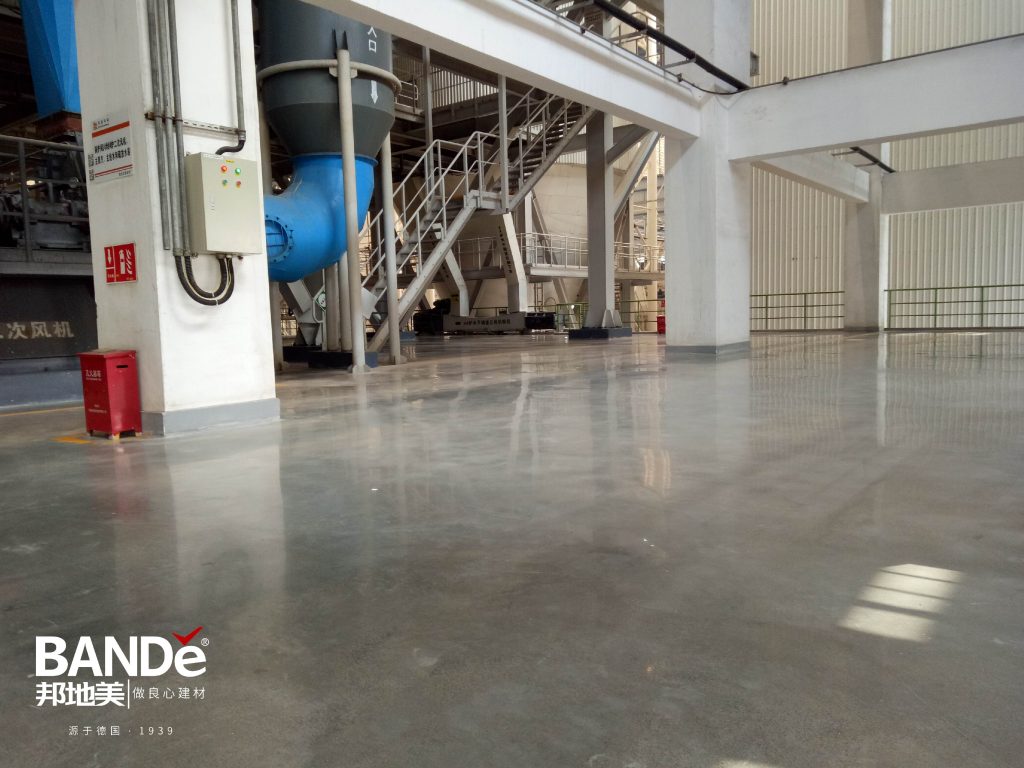
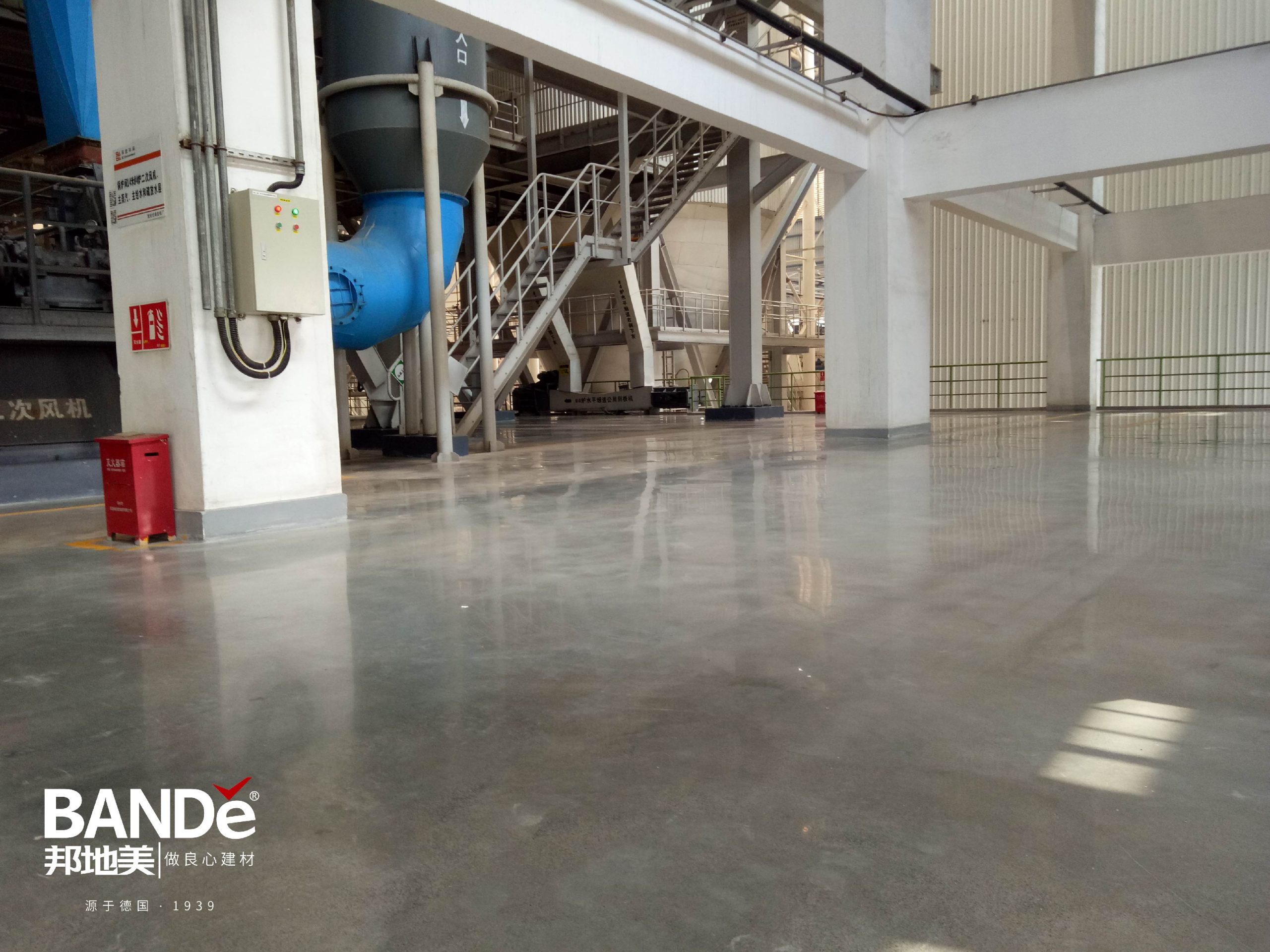
Using the BANDě curing agent makes concrete last longer and look better. It goes deep into the concrete, increases strength by 40%, and gives a shiny look.
Non-demolition methods save time and money. They need less work and cause little disruption, so you can use the space again quickly.
Always talk to a professional to find the best method for your concrete floor needs. Each method has special benefits for different situations.
Foam Injection
Process Overview
Foam injection is a great way to make concrete floors stronger without tearing them out. This process has a few important steps:
Assessment: First, you check the area for damage and find where to inject.
Drilling: Then, small holes are made in the concrete slab for foam injection.
Injection: High-density polyurethane foam is put into the holes. The foam expands and fills gaps, lifting the slab back up.
Sealing: After the foam hardens, the holes are sealed with a patching compound for a smooth look.
Final Inspection: Lastly, a careful check makes sure the slab is level and stable.
This method works well for problems like settled slabs, cracked surfaces, and sinking patios. Using polyurethane foam injection helps restore the strength of your floors.
Advantages
Foam injection has many benefits compared to traditional ways of strengthening concrete. Here are some key advantages:
Advantage | Description |
|---|---|
Foam injection is fast and only needs small holes, which means less damage to your property. | |
Durability and Longevity | The foam resists water and decay, giving long-lasting support and cutting down on repairs. |
Minimal Disruption to Property | This method causes little disturbance, so normal activities can continue with few interruptions. |
Precision and Flexibility | Foam expands to fill gaps exactly, allowing for custom repairs on different surfaces. |
Also, the average strength of resin-treated soil can rise by 67–400%. This big improvement shows how effective foam injection is at boosting the load-bearing strength of your concrete floors.
Foam injection works for many uses, such as:
Cracked concrete
Sinking concrete
Driveway and garage slabs
Slab foundations
Sinking patios
Roadways and sidewalks
By picking foam injection, you can strengthen concrete floors easily while avoiding the trouble of demolition.
Carbon Fiber Reinforcement
Technique Details
Carbon fiber reinforcement is a strong way to make concrete floors better without tearing them out. You can use carbon fiber sheets that are soaked in epoxy resin. These sheets stick to the concrete using epoxy glue. They can be placed along the direction of tension or across cracks. Here’s how to use this method:
Surface Preparation: First, clean the area to help the epoxy stick well.
Crack Stabilization Strategy: Decide where to place the sheets based on the cracks.
Epoxy Application and Carbon Fiber Bonding: Put epoxy on the surface and lay the carbon fiber over the crack.
Curing and Performance Verification: Check the repair after it dries to make sure it sticks well and looks good.
Finish Readiness: You can paint or coat the system for a nice finish.
Carbon fiber strengthening is flexible. You can strengthen beams and slabs by placing sheets along their length. You can also put sheets on the sides of beams for extra strength, wrap columns for support, and add sheets on shear walls for better resistance.
Benefits
Carbon fiber reinforced polymer has many benefits compared to regular steel reinforcement. Here’s a comparison to show its advantages:
Feature | Carbon Fiber Reinforcement | Steel Reinforcement |
|---|---|---|
Strength | Normal strength | |
Weight | Light, does not add extra weight | Heavy, adds more weight |
Corrosion Resistance | Very good, does not rust | Can rust and corrode |
Construction Efficiency | Easy, quick, no wet work needed | More complicated, needs wet work |
Adhesion | Sticks 100% effectively | Usually sticks 70% effectively |
Application Range | Can be used in many shapes | Not very adaptable |
Durability | Very durable, stays strong | Durability can vary |
Carbon fiber strengthening can bring back or even improve the original strength of different concrete structures, including floors. Its long-lasting durability resists rust and holds up under pressure, keeping things stable for years. By using carbon fiber reinforced polymer, you can make your concrete floors much stronger, making them 7-10 times tougher than steel plates of the same size.
Curing Agent for Surface Strength
Application Process
The BANDě curing agent is a new way to make weak concrete floors stronger. It is easy to use and helps you see big changes without a lot of work. Here’s how to apply it:
Surface Preparation: First, clean the concrete surface well. Get rid of dust, dirt, and anything else that might stop it from sticking.
Application: Shake the BANDě curing agent before using it. Pour the liquid on the surface evenly. You can use a roller or brush to spread it better.
Soaking Time: Let the curing agent soak into the concrete for about two hours. This step is important for it to stick well.
Final Cleaning: After soaking, clean the surface again to take off any extra curing agent. This gets the floor ready for other treatments or finishes.
This easy process helps you make your concrete floors stronger, so they last longer and resist damage.
Benefits and Features
Using the BANDě curing agent has many benefits for weak concrete floors. Here are some important advantages:
Feature | Description |
|---|---|
Deep Penetration | Goes 3-8mm deep into the concrete for lasting hardening. |
Hardening Capabilities | Makes strong calcium silicate hydrate, which boosts hardness and wear resistance. |
Aesthetic Benefits | Gives a shiny finish without waxing, improving looks over time. |
Dustproofing and Maintenance | Helps keep dust away and resists stains, making cleaning easier. |
Eco-friendliness | Water-based, safe, and low VOC formula is good for users and the planet. |
Durability | Boosts strength by 40% and wear resistance by 300%, ensuring it lasts a long time. |
Compared to old curing methods, the BANDě curing agent has many advantages:
Feature | BANDě Curing Agent | Traditional Curing Methods |
|---|---|---|
Durability | Forms a strong, solid barrier | Can wear out over time |
Maintenance | Less upkeep, lasts a long time | Needs more frequent reapplications |
Application | Easy to apply | Can be hard, needs careful prep |
By using the BANDě curing agent, you can greatly improve the strength and durability of your concrete floors. This method not only makes them stronger but also looks better, making it a great choice for many uses.
Comparison of Methods
Cost and Time
When you think about the costs and time for making concrete floors stronger, non-demolition methods are better. Here’s a look at the usual costs for these methods:
Cost Component | Price Range |
|---|---|
$350 to $500 | |
Foam injection per square foot | $5–$25 per sq. ft. |
$15 per sq. ft. |
Labor costs are also important. For traditional methods, labor can make up 70%–80% of the total cost. But non-demolition techniques need less labor, which keeps costs down. You can finish the work faster with non-demolition methods, so you can use the space sooner.
Effectiveness
Non-demolition methods have many benefits over traditional demolition methods. Here’s how they compare in effectiveness:
Cost Factor | Traditional | Non-Demolition |
|---|---|---|
Labor | Higher (breakup, haul away) | Lower (minimal labor) |
Materials | New concrete needed | Foam or filler only |
Downtime Costs | Potentially high | Low |
Using non-demolition methods causes less disruption and noise. They usually cost less because of lower labor and material costs. Faster completion times mean you can use the space quickly. Modern ways to level concrete, like foam injection and carbon fiber reinforcement, offer big benefits. They improve accuracy and reduce the chance of future concrete problems.
In conclusion, there are many good non-demolition ways to make your concrete floors stronger. Foam injection quickly fills gaps and stabilizes surfaces. Carbon fiber reinforcement makes floors stronger without making them heavy. The BANDě curing agent helps weak surfaces become tougher. Each method has its own benefits, so they work well for different needs. Think about what you need and pick the best choice to keep your concrete floors strong and dependable for many years.
Tip: Always talk to a professional to find the best method for your project.
FAQ
What is foam injection?
Foam injection uses special foam to fill concrete gaps. It makes slabs stable and lifts them up without breaking them.
How long does carbon fiber reinforcement last?
Carbon fiber reinforcement is very strong and lasts a long time. It makes concrete floors much stronger and stops rust and wear.
Can I apply the BANDě curing agent myself?
Yes, you can use the BANDě curing agent on your own. Just clean the surface and let it soak for two hours.
How do I know which method is best for my floor?
Think about your floor’s condition and how much you can spend. Each method has its own good points. A professional can help you pick the best one.
Are these methods environmentally friendly?
Yes, many methods like the BANDě curing agent are safe for the earth. They use water-based solutions, make less waste, and cause less disruption.
See Also
Top 5 Simple Tips for Concrete Floor Hardening in 2025
Optimal Concrete Hardening Solutions for Warehouses in the Philippines
Understanding BANDě Concrete Floor Hardener: Essential Information
Selecting the Ideal Concrete Densifier for Your Warehouse Flooring
Transforming Dull Floors: Tips for Polished Concrete Maintenance
