


Selecting the right epoxy floor coating for your garage is essential to withstand Canadian winters. The ideal epoxy floor coating should effectively resist moisture and counteract the damaging effects of road salts. Road salt and moisture can speed up concrete deterioration, while vehicles bring in snow and ice, leading to lasting damage. A high-quality epoxy floor coating safeguards your garage floor, enhancing its durability and resistance to cracking.
Key Takeaways
Choose a high-quality epoxy or polyaspartic coating to protect your garage floor from moisture and road salt damage during Canadian winters.
Proper surface preparation is essential. Clean, repair, and protect your concrete before applying any coating to ensure long-lasting results.
Regular maintenance, such as cleaning and inspecting for damage, will help extend the life of your garage floor coating and keep it looking great.
Winter Challenges

Moisture Resistance
Canadian winters bring a unique set of challenges for your garage floor, primarily due to moisture. When snow and ice melt, untreated concrete absorbs this moisture, leading to cracks and structural issues. Here are some common moisture-related problems you might encounter:
Moisture Absorption: Melting snow seeps into the concrete, weakening the surface.
Salt Corrosion: Road salt accelerates deterioration, causing pits and stains.
Freeze-Thaw Expansion: Water trapped in tiny pores freezes, expands, and creates fractures.
Condensation can also be a concern. When you park a warm vehicle in your garage, the temperature difference can cause moisture in the air to condense on cooler surfaces. This moisture buildup can lead to further damage if not addressed. To combat these issues, selecting a coating with excellent moisture resistance is crucial. Epoxy and polyaspartic coatings are popular choices, but they must be installed correctly to ensure they perform well in damp conditions.
Temperature Fluctuations
Temperature fluctuations can wreak havoc on your garage floor coating. Rapid changes in temperature can cause thermal shock, stressing the flexibility of the coatings. This stress can lead to cracking and loss of adhesion, allowing moisture to infiltrate and initiate freeze-thaw damage cycles.
Consider the following factors that contribute to coating failures in cold climates:
Freeze-thaw cycles: Water seeps into concrete, leading to cracking during these cycles.
Moisture infiltration: Trapped moisture increases the risk of degradation of coatings.
Temperature fluctuations: These cause expansion and contraction, contributing to coating failures.
To ensure your garage floor withstands these challenges, look for coatings that offer thermal cycling resistance. This feature helps maintain the integrity of the coating despite the extreme temperature changes typical of Canadian winters.
By understanding these winter challenges, you can make informed decisions about the best garage floor coating for your needs, ensuring durability and long-lasting performance.
Types of Epoxy Floor Coatings
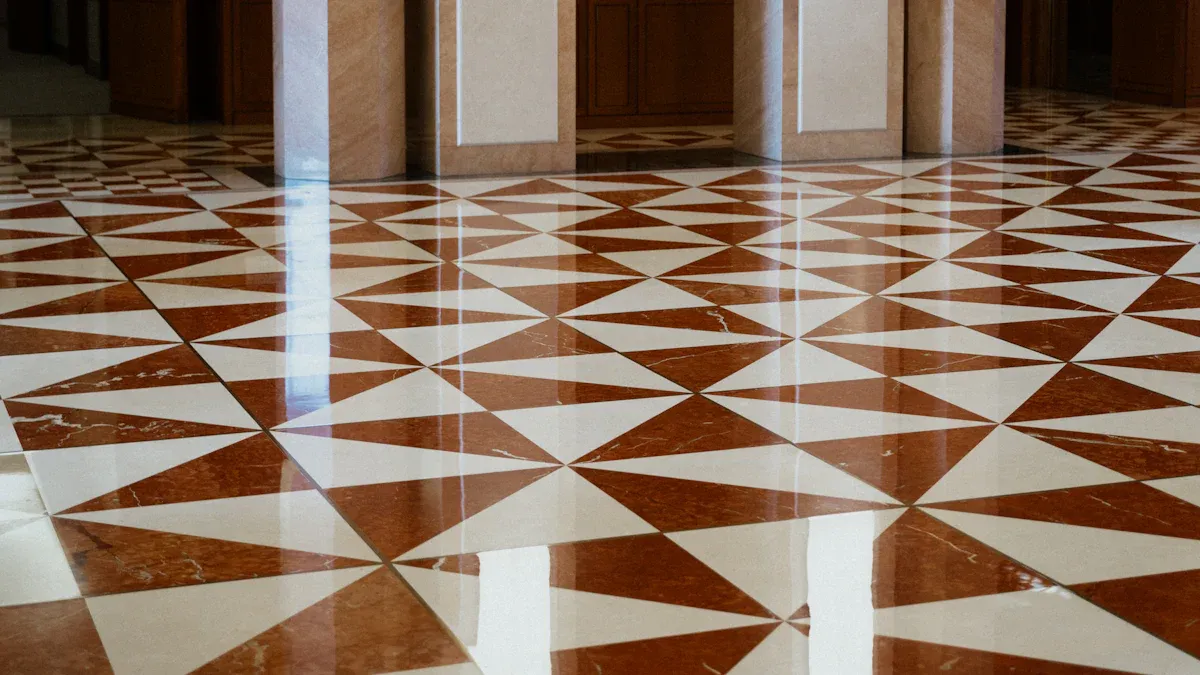
When it comes to choosing the right garage floor coating for the harsh Canadian winter, you have two main contenders: epoxy coatings and polyaspartic coatings. Each type has its unique benefits, making them suitable for different needs and preferences.
Epoxy Coatings
Epoxy coatings are a popular choice for many homeowners looking to protect their garage floors. These coatings consist of a resin and a hardener, creating a strong bond that enhances durability. Here are some key benefits of epoxy coatings:
Durability: Epoxy floor coatings can withstand heavy traffic, making them ideal for garages where vehicles and equipment are frequently moved.
Chemical Resistance: They resist damage from common household chemicals, including oil, gas, and antifreeze. This feature is particularly important in garages where spills can occur.
Aesthetic Appeal: With options like Rust-Oleum EpoxyShield, you can choose from various colors and finishes, including glossy looks that enhance the overall appearance of your garage.
However, keep in mind that while epoxy coatings are robust, they can become inflexible once cured. This means they may not handle extreme temperature fluctuations as well as polyaspartic coatings.
Polyaspartic Coatings
Polyaspartic coatings are gaining popularity for their rapid curing times and exceptional performance in cold weather. Here’s why you might consider polyaspartic for your garage:
Fast Curing: Polyaspartic coatings cure quickly, often within minutes to an hour, even in low temperatures. This means you can get back to using your garage sooner.
Temperature Flexibility: They can be applied in a wide range of temperatures, from -40°F to over 140°F. This flexibility makes them perfect for the unpredictable Canadian winter.
Superior Durability: Polyaspartic coatings are known for their flexibility and resistance to cracking. They can expand and contract with the concrete, reducing the risk of damage during freeze-thaw cycles.
In terms of chemical resistance, polyaspartic coatings excel as well. They offer excellent protection against everyday chemicals, making them suitable for various environments, including garages and kitchens.
Feature | Polyaspartic Coatings | Epoxy Coatings |
|---|---|---|
Yes (no yellowing over time) | No (can discolor with sunlight) | |
Flexibility | More flexible (reduces cracking) | Inflexible once dry |
Chemical Resistance | More resistant to extreme temperatures and chemicals | Chemically resistant but can stain if spills are not cleaned quickly |
Both epoxy and polyaspartic coatings have their strengths, so consider your specific needs when making a choice. If you want a quick application and superior flexibility, polyaspartic might be the way to go. If you prefer a traditional option with proven durability, epoxy could be your best bet.
Application and Maintenance
Surface Preparation
Before you apply your garage floor coating, proper surface preparation is crucial. Here are the essential steps to clean and prep your concrete:
Clean and declutter your garage: Start by removing any unnecessary items. This gives you a clear space for installation.
Choose the right flooring for winter: Opt for durable garage floor coatings like polyaspartic, which can handle winter conditions.
Repair damages before winter: Fix any cracks in the concrete. This prevents further damage during freeze-thaw cycles.
Protect against moisture and leaks: Consider installing a waterproof membrane under the flooring. This helps prevent water infiltration.
Improper surface preparation can lead to issues like peeling or flaking. Dust, oil stains, or moisture can prevent the coating from bonding properly. To avoid these problems, make sure to mechanically grind and thoroughly clean the concrete. Also, conduct moisture testing, especially in damp climates, to ensure proper adhesion.
Maintenance Tips
Maintaining your garage floor coating during winter is essential for longevity. Here are some practical tips:
Regular cleaning: Sweep your garage floor regularly and wash it occasionally with mild detergent. This helps remove dirt and grime.
Use protective mats: Place mats in high-traffic areas to trap moisture and debris. This prevents damage from salt and ice-melt compounds.
Inspect periodically: Conduct visual inspections every few months. Look for chips or wear that may need timely repairs.
Avoid harsh cleaners: Steer clear of abrasive pads and strong chemicals. These can damage the finish of your coating.
By following these steps, you can ensure your garage floor remains in great shape, even during the harsh Canadian winter.
Choosing the right garage floor coating is crucial for surviving harsh Canadian winters. A quality coating protects against moisture, road salt, and temperature fluctuations. Here’s a quick recap of the benefits:
Long-lasting protection against moisture and salt damage.
Enhanced durability to withstand heavy traffic and impacts.
Easier maintenance for a cleaner, more appealing garage floor.
Investing in a suitable coating not only boosts your garage’s appearance but also increases your home’s value. Make the right choice for lasting satisfaction!
FAQ
What is the best garage floor coating for winter?
Polyaspartic coatings are ideal for winter due to their rapid curing and flexibility in cold temperatures.
How long does a garage floor coating last?
With proper maintenance, a quality garage floor coating can last 10 to 20 years.
Can I apply garage floor coating in winter?
Yes, you can apply garage floor coating in winter, especially if you choose products designed for low temperatures.
See Also
Top Concrete Sealers for Harsh Canadian Winter Weather
Optimal Floor Hardeners for UK Industrial Warehouse Needs
Selecting the Top Five Concrete Floor Hardeners for Industry
Ideal Floor Hardeners for Warehouse Use in the Philippines
Selecting the Right Concrete Densifier for Warehouse Flooring
