


Concrete durability plays a crucial role in the longevity of structures. You can significantly extend your concrete life with the right products. A concrete floor hardener enhances the strength of your concrete surface, providing high durability. Proper application can lead to an impressive increase in lifespan, potentially exceeding 10 years.
Key Takeaways
Concrete floor hardeners can extend the life of your concrete surfaces by over 10 years, making them a smart investment.
Choosing the right type of hardener, whether chemical or dry shake, enhances durability and reduces maintenance needs.
Applying a concrete floor hardener improves resistance to wear, minimizes dust, and lowers long-term costs, creating a cleaner and safer environment.
Types of Concrete Floor Hardener
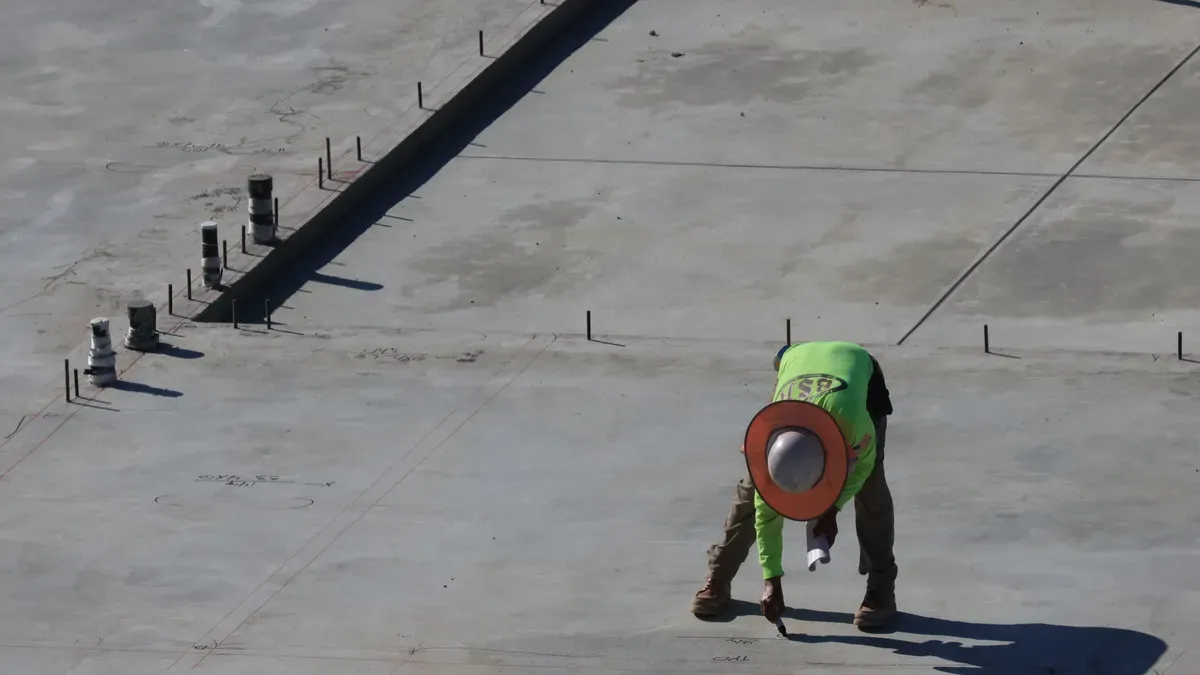
When it comes to enhancing the durability of your concrete surfaces, understanding the different types of concrete floor hardeners is essential. Each type offers unique benefits and application methods. Here are the main categories:
Chemical Hardener
Chemical hardeners, often referred to as densifiers, work by penetrating the surface of cured concrete. They react chemically with the free lime in the concrete, creating a denser and more durable structure. This process significantly improves the abrasion resistance of the concrete floor.
Composition: Common chemical hardeners include sodium silicate, lithium silicate, and potassium silicate.
Application Method: You apply these hardeners to cured concrete surfaces, allowing them to penetrate and chemically react with the concrete.
Dry Shake Hardener
Dry shake hardeners are powdered materials that you apply to freshly poured concrete. They are particularly effective for industrial and commercial floors that require high abrasion resistance.
Composition: These hardeners typically contain quartz, emery, and metallic aggregates.
Application Method: You broadcast the dry shake hardener onto the surface of the concrete before it sets. After broadcasting, you trowel it in to ensure proper bonding.
Type of Floor Hardener | Composition | Application Method |
|---|---|---|
Dry Shake | Quartz, Emery, Metallic aggregates | Applied to freshly laid concrete before it sets, broadcasted and troweled in |
Liquid | Sodium silicate, Lithium silicate, Potassium silicate | Applied to cured concrete surfaces, penetrates and chemically reacts to form a harder surface |
Both dry shake and liquid hardeners offer distinct advantages. Dry shake hardeners provide immediate surface strength, while liquid hardeners enhance the overall durability of existing concrete.
The depth of penetration for liquid hardeners is crucial. When these hardeners penetrate deeply, they engage more thoroughly with the concrete. This enhances moisture resistance and minimizes potential damage over time.
By understanding these types of concrete floor hardeners, you can make informed decisions that will extend the life of your concrete surfaces significantly.
Benefits of Concrete Floor Hardener
Concrete floor hardeners offer numerous advantages that significantly enhance the performance and lifespan of your concrete surfaces. By choosing the right hardener, you can enjoy benefits such as enhanced durability, reduced maintenance, and long-term cost-effectiveness.
Enhanced Durability
When you apply a concrete floor hardener, you increase the surface hardness of your concrete floors by as much as 50%. This improvement in hardness translates to greater abrasion resistance, making your floors more resilient against wear and tear. The hardening process creates a denser structure, which helps your concrete withstand heavy loads and harsh conditions.
For example, in industrial settings like cold storage warehouses and chemical plants, the durability of treated concrete floors is crucial. These environments require floors that resist moisture penetration, freeze-thaw cycles, and chemical exposure. By using a concrete hardener, you ensure that your floors can handle these challenges effectively.
Reduced Maintenance
One of the most significant benefits of using a concrete floor hardener is the reduction in maintenance needs. Here are some key points to consider:
Seals the surface: This minimizes dust formation, making maintenance easier.
Hardens the surface: Increased resistance to scratches and wear means less frequent repairs.
Reduces dusting: A cleaner environment leads to lower cleaning costs.
Enhances chemical resistance: Treated floors better withstand spills compared to untreated surfaces.
Improves indoor air quality: Less dust accumulation creates a healthier environment, especially for those with allergies or respiratory issues.
By adding a concrete hardener, you create a low-maintenance surface that saves you time and money over the years. The initial investment pays off as you enjoy a cleaner, safer workspace with fewer maintenance requirements.
Longevity and Cost-Effectiveness
Investing in concrete floor hardeners not only extends the life of your concrete but also leads to significant cost savings. Here’s how:
Long-term performance: Once applied, concrete hardeners do not require reapplication, saving you time and money.
Reduced repair costs: Enhanced strength allows your floors to withstand heavy loads, minimizing the need for frequent repairs.
Lower lifecycle costs: Facilities using concrete floor hardeners often document substantial savings over a 10-year period due to reduced maintenance and replacement needs.
For instance, in residential garages, the durability of professionally treated concrete flooring can last 10-15 years with proper maintenance. This longevity translates to lower average costs over the lifespan of the floor, making it a wise investment.
Applications of Floor Hardener
Concrete floor hardeners find applications across various sectors, each benefiting from the enhanced durability and performance these products provide. Understanding where and how to use these hardeners can help you make informed decisions for your concrete surfaces.
Industrial Use
In industrial settings, concrete floors face heavy loads, abrasion, and chemical exposure. Floor hardeners play a crucial role in enhancing the performance of these surfaces. Many industrial facilities specify floor hardeners in their construction standards to meet rigorous performance requirements. Here are some key benefits:
Performance Requirement | Benefit of Floor Hardener |
|---|---|
Abrasion resistance | Enhances durability against wear and tear |
Surface strength | Increases load-bearing capacity |
Dust-free performance | Minimizes dust formation in industrial environments |
Resistance to heavy machinery loads | Ideal for high-traffic areas like warehouses |
Compatibility with modern flooring systems | Ensures versatility in application |
By adding a concrete hardener, you can minimize damage from abrasions and chips, ensuring longevity. Seamless flooring solutions also prevent contamination, which is crucial in food and beverage manufacturing. This reduces the need for frequent repairs, saving you time and money.
Residential Use
In residential settings, concrete hardeners enhance the durability and aesthetics of floors. Homeowners often use these products in basements and driveways. The benefits include:
Enhanced Durability: Increases the concrete’s resistance to wear and tear.
Dustproofing: Seals the surface to minimize dust formation.
Cost-Effectiveness: Extends the lifespan of concrete, reducing maintenance costs.
Improved Aesthetics: Offers options for enhancing the visual appeal of floors.
Many homeowners appreciate the modern elegance and aesthetic versatility of polished concrete floors. They highlight the durability and ease of maintenance as significant advantages. For instance, a well-treated driveway can withstand harsh weather conditions while maintaining its appearance.
Commercial Use
Commercial facilities also benefit from concrete floor hardeners. High-traffic areas, such as retail stores and educational institutions, require durable flooring solutions. Here are some examples of successful implementations:
Bidvest Warehouse: Utilized Peneseal FH for its durability and low maintenance in a high-traffic environment, addressing challenges like abrasion resistance and maintenance efficiency.
Red River College: Implemented the RetroPlate System for a polished finish in a high-traffic educational facility, enhancing aesthetics and ease of maintenance.
Volkswagen Facility: Applied the RetroPlate System to create a hard, dust-proof floor that is easy to clean, demonstrating effectiveness in a large-scale commercial setting.
These examples illustrate how floor hardeners contribute to safety improvements in industrial warehouses. A robust floor minimizes the likelihood of accidents due to damage. Enhanced slip resistance also helps prevent slips and falls, improving workplace safety.
In summary, concrete floor hardeners significantly enhance the durability and lifespan of your concrete surfaces. Choosing the right hardener, whether a dry-shake or liquid type, is crucial for optimal performance. Consider factors like compatibility and environmental conditions when selecting a hardener. By investing in these products, you can enjoy long-lasting, low-maintenance concrete that withstands heavy use.
Remember, a well-chosen floor hardener can extend your concrete life by over 10 years, making it a smart investment for any project!
FAQ
What is a concrete floor hardener?
A concrete floor hardener is a product that increases the strength and durability of concrete surfaces, extending their lifespan significantly.
How do I apply a floor hardener?
You can apply a floor hardener by either broadcasting it on freshly poured concrete or applying it to cured surfaces, depending on the type.
How long does a floor hardener last?
Once applied, a floor hardener can last for many years without reapplication, providing long-term protection and durability for your concrete surfaces.
See Also
Understanding Floor Hardeners: Their Function and Benefits
Top 5 Tips for Choosing Concrete Hardeners in 2025
Essential Information About BANDě Concrete Floor Hardener
