


Choosing the right manufacturing plant concrete floor significantly impacts operational efficiency and worker safety. Durable and slip-resistant surfaces reduce risks of accidents, particularly in high-humidity environments where moisture can lead to hazardous conditions. Effective floor selection ensures a safer workspace and minimizes maintenance needs.
Key Takeaways
Choose durable concrete flooring to enhance operational efficiency and reduce long-term costs. Durable floors last longer and require less maintenance.
Prioritize safety features like slip resistance and impact resistance when selecting flooring. These features help prevent accidents and protect your workforce.
Implement regular maintenance practices, such as cleaning and inspecting for damage, to prolong the life of your concrete floors and ensure a safe working environment.
Concrete Durability
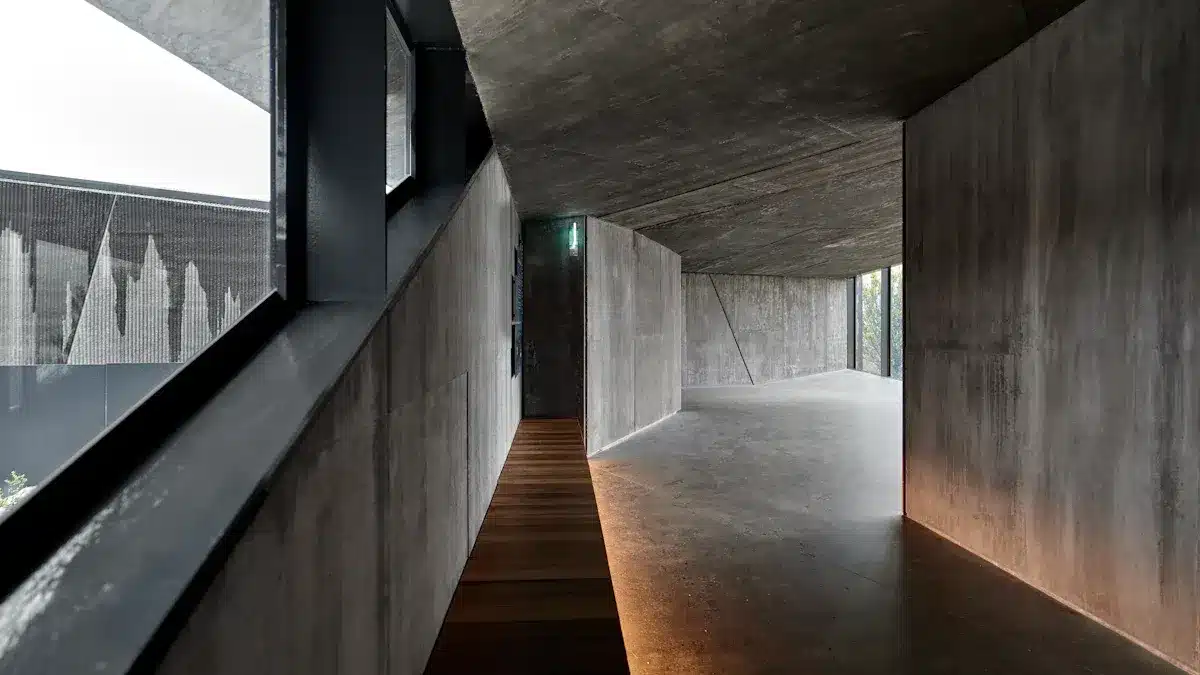
Durability plays a crucial role in the performance of your manufacturing plant concrete floor. A durable floor can withstand the rigors of heavy machinery, foot traffic, and various environmental conditions. When you choose durable concrete, you invest in a flooring solution that enhances operational efficiency and reduces long-term costs.
Benefits of Durable Concrete
Durable concrete flooring offers several advantages for manufacturing environments:
Longevity: Durable concrete can last for decades, even under heavy usage. This longevity reduces the need for frequent replacements, saving you time and money.
Strength: High-quality concrete can support heavy machinery without cracking or degrading. This strength is essential for maintaining a safe and efficient workspace.
Resistance to Stains and Chemicals: Using high-quality sealants enhances the flooring’s resistance to stains, chemicals, and moisture. This feature is particularly important in environments where spills are common.
Reduced Maintenance: Durable concrete requires less maintenance, allowing your team to focus on production rather than repairs.
Factors Affecting Durability
Several factors influence the durability of your industrial flooring:
Chemical Exposure: Different floor coatings react variably to chemicals based on type, concentration, temperature, and exposure duration. Common hazardous chemicals, such as phosphoric or nitric acids, can corrode flooring if not properly managed.
Temperature Fluctuations: In manufacturing plants, temperature changes can be extreme. Flooring systems must withstand these fluctuations to prevent cracking and de-lamination. To mitigate thermal shock, choose flooring with a thermal expansion coefficient similar to concrete and a thickness of at least nine millimeters for high-temperature discharges.
Heavy Machinery Usage: Durable concrete flooring is crucial for supporting heavy machinery and enduring intense foot traffic. The use of high-quality sealants further enhances its durability, contributing to the flooring’s longevity under heavy usage.
Best Flooring for Industrial Applications
Selecting the best flooring for industrial applications involves considering various options:
Joint-free Polyurethane Systems: These systems are popular for their ease of cleaning and resistance to dirt and germs. They excel in environments requiring high hygiene standards, such as food processing.
High Durability Concrete Floors: These floors minimize maintenance and repair needs. They withstand wear from rubbing, rolling, and sliding, making them ideal for industrial settings.
Dry Shake Topping: Concrete floors with dry shake topping are noted for their long life and cost-effectiveness. The choice of dry shake hardeners depends on service conditions and durability requirements, enhancing the abrasion resistance of concrete floors.
Feature | Epoxy | Polyurethane |
|---|---|---|
Wear Resistance | Excellent chemical and abrasion resistance | Excellent abrasion resistance, often outlasts epoxy |
UV Stability | UV sensitive, can yellow and chalk | Superior UV stability, resists yellowing |
Flexibility | Rigid, less forgiving of substrate movement | More flexible and elastic, absorbs impact |
Thermal Cycling Tolerance | Limited | Performs well in temperature variations |
Cost | Generally lower material cost per m² | Typically costs more per litre |
Choosing the right flooring systems for your manufacturing plant is essential. By prioritizing durability, you ensure a safer, more efficient workspace that meets the demands of your operations.
Safety Features in Industrial Flooring
When selecting flooring for your manufacturing plant, safety features are paramount. You must ensure that your flooring can withstand the demands of a busy environment while protecting your workforce. Here, we will explore critical safety features, including slip resistance, impact resistance, and fire safety considerations.
Slip Resistance
Slip resistance is vital in preventing workplace accidents. In high-traffic areas, the risk of slips and falls increases, especially when spills occur. You can enhance slip resistance through various treatments and flooring types. Here’s a comparison of effective slip-resistant treatments for concrete floors:
Treatment Type | Characteristics | Benefits |
|---|---|---|
Epoxy | Durable, cleanable, customizable | Highly slip-resistant, ideal for heavy machinery and high foot traffic |
Rubber | High traction, comfortable | Soft, impact-resistant, reduces noise |
Vinyl | Durable, versatile, affordable | Moisture-resistant, easy to maintain, customizable textures |
Polished Concrete | High coefficient of friction | 20% to 50% more slip-resistant than standard floors |
Heavy-duty Flooring | Tailored with textures or aggregates | Increases traction, reduces slip and fall risks |
Choosing the right flooring system can significantly enhance workplace safety. For example, epoxy flooring with textured finishes provides excellent slip resistance, making it suitable for areas exposed to chemicals and heavy machinery.
Impact Resistance
Impact resistance is another critical safety feature. Manufacturing environments often involve heavy machinery and materials that can fall or roll. Insufficient impact resistance can lead to floor damage and increased maintenance costs. Here are some flooring options known for their impact resistance:
Flooring Type | Key Characteristics |
|---|---|
Softer than epoxy, acts as a cushion against impacts, highly resilient to UV light, resistant to organic acids. | |
PU Concrete Systems | Virtually indestructible, thermal shock resistant, dense, provides high resistance to heavy impact. |
MC-DUR PowerCoat | Extremely resilient, withstands temperatures up to 120 °C, high impact resistance, suitable for heavy mechanical loads. |
In a recycling plant, for instance, impact damage occurred when batteries misaligned and fell, leading to floor damage. Selecting flooring with high impact resistance can prevent such costly issues.
Fire Safety Considerations
Fire safety is crucial in any manufacturing setting. You must choose flooring materials that comply with fire safety standards. Non-combustible materials can help contain fires and prevent rapid spread. Additionally, consider flooring that can withstand high temperatures without degrading.
Maintenance of Manufacturing Flooring
Maintaining your manufacturing flooring is essential for ensuring safety and longevity. Regular upkeep prevents costly repairs and enhances the overall performance of your concrete floors.
Routine Maintenance Practices
You should perform routine maintenance on your concrete floors in high-traffic areas to combat wear from heavy machinery and foot traffic. Here are some recommended practices:
Regular Cleaning: Sweep and mop the floors frequently to remove dirt and spills. This helps maintain a clean and safe environment.
Inspect for Damage: Regularly check for cracks or surface degradation. Early detection allows for timely repairs, preventing further damage.
Apply Sealants: Use sealants to protect against moisture and chemical exposure. This step is crucial in maintaining the integrity of your manufacturing plant concrete floor.
Neglecting routine maintenance can lead to increased risks and expenses. Regular upkeep can significantly enhance safety in your manufacturing environment.
Long-term Care Strategies
Implementing effective long-term care strategies can prevent cracks and surface degradation. Consider the following steps:
Assess the Defect: Understand the severity of damage and whether it requires immediate attention.
Consider Available Options: Decide whether to monitor, repair, or strengthen based on the defect’s condition.
Select Repairing Method: Choose a method based on structural strength and extent of damage.
Choose the Material: Ensure compatibility and durability of the repair material.
Structural Repair Execution: Focus on proper preparation and quality control during the repair process.
These strategies will help maintain the quality of your flooring systems over time.
Cost Implications of Maintenance
Understanding the costs associated with maintaining your flooring is vital. While cheaper flooring options may seem appealing, they can incur higher costs over time due to frequent repairs. In contrast, higher-quality materials like epoxy or polyurethane may have a higher initial cost but result in lower long-term maintenance costs.
Additionally, polyurethane flooring generally requires less upkeep compared to rubber mats, which may need more frequent deep cleaning to preserve their slip-resistant features. By investing in durable flooring solutions, you can minimize your overall industrial flooring costs.
Selecting the right concrete flooring for your manufacturing plants is essential. Consider durability, safety, and maintenance to optimize performance and reduce costs. Evaluate your specific operational needs and consult with experts to ensure proper substrate preparation and compliance with industry standards. Making informed decisions will enhance your facility’s efficiency and safety.
FAQ
What are the main benefits of concrete flooring in manufacturing?
Concrete flooring offers durability, low maintenance, and resistance to chemicals, making it ideal for high-traffic manufacturing environments.
How can I improve slip resistance on my concrete floors?
You can enhance slip resistance by applying textured coatings, using slip-resistant sealants, or selecting specialized flooring materials.
What maintenance practices should I follow for concrete floors?
Regular cleaning, inspecting for damage, and applying sealants are essential practices to maintain your concrete floors effectively.
See Also
Selecting The Ideal Concrete Densifier For Warehouse Flooring
Top Five Concrete Floor Hardeners For Industrial Use
A Detailed Comparison Of Industrial Floor Hardeners For 2025
The Definitive Guide To Concrete Sealers For Floor Protection
Your Complete Guide To The Benefits Of Polished Concrete Floors
