


Choosing the right warehouse flooring in Malaysia is essential for operational efficiency. The flooring must support heavy loads and facilitate smooth transport. Damaged or uneven floors can slow down operations, while well-maintained surfaces promote faster movement of personnel and equipment. Various options exist for warehouse flooring in Malaysia, each impacting your warehouse’s functionality.
Key Takeaways
Choosing the right warehouse flooring is crucial for operational efficiency. Consider durability, maintenance, and cost to make an informed decision.
Concrete flooring is cost-effective and durable, making it ideal for heavy loads. Regular maintenance can extend its lifespan and prevent damage.
Epoxy flooring offers safety and aesthetic appeal but requires skilled installation. Its long-term benefits often justify the higher initial cost.
Concrete Flooring in Malaysia
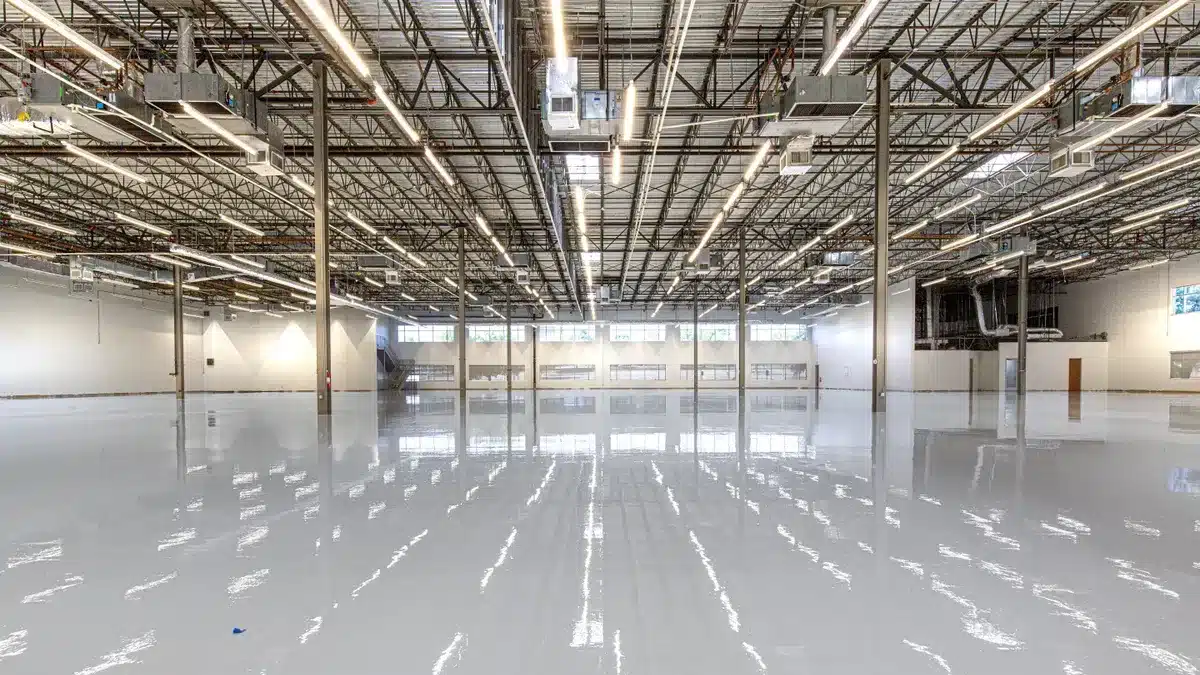
Concrete flooring stands out as a popular choice for warehouses in Malaysia. Its durability and cost-effectiveness make it suitable for various industrial applications. Here’s a closer look at the benefits, drawbacks, and costs associated with concrete flooring.
Concrete Benefits
Durability: Concrete flooring can withstand heavy loads and high traffic. This durability is crucial in a warehouse setting where equipment and goods are constantly moved.
Cost-Effectiveness: Compared to other flooring options, concrete is relatively inexpensive. The installation cost ranges from RM5 to RM7 per square foot. Including materials, the total cost can be approximately RM8 to RM11 per square foot. This affordability makes it an attractive option for businesses looking to optimize their budget.
Humidity Resistance: Concrete performs well in Malaysia’s humid climate. It does not warp or swell like some other materials, ensuring longevity and stability.
Low Maintenance: With proper care, concrete flooring can last for many years. Regular cleaning and maintenance help prevent damage and extend its lifecycle.
Concrete Drawbacks
While concrete flooring has many advantages, it also has some drawbacks. One significant concern is its susceptibility to cracking under extreme conditions. Heavy machinery can cause stress fractures if not managed properly. Additionally, concrete can be cold and hard, which may not be comfortable for workers who spend long hours on their feet.
Concrete Costs
The costs associated with concrete flooring can vary based on several factors, including installation and maintenance. Here’s a breakdown of typical maintenance tasks:
Maintenance Task | Description |
|---|---|
Proper Installation and Refurbishment | Engaging a specialist ensures correct installation and refurbishment to maintain floor integrity. |
Regular Cleaning and Maintenance | Daily cleaning with pH-neutral detergents prevents surface damage and extends the floor’s lifecycle. |
Mechanical Damage and Spill Management | Avoiding heavy dragging and managing spills promptly prevents damage and staining of the flooring. |
Environmental and Temperature Control | Maintaining consistent temperature prevents unnecessary expansion and contraction of the flooring. |
Investing in concrete flooring can be a wise decision for your warehouse. Its benefits often outweigh the drawbacks, especially when you consider the long-term savings and durability it offers.
Epoxy Flooring Solutions
Epoxy flooring offers a robust solution for warehouses in Malaysia. This type of flooring consists of a resin and hardener that creates a durable surface. Here’s a closer look at the benefits, drawbacks, and costs associated with epoxy flooring.
Epoxy Benefits
Epoxy flooring provides several advantages that make it ideal for industrial settings:
Advantage | Description |
|---|---|
Safety | Reduces workplace accidents with anti-slip properties and improves lighting conditions. |
Cost Efficiency | Higher initial cost but significant long-term savings due to durability and lower maintenance. |
Aesthetic Appeal | Provides a polished appearance with customizable colors and patterns for better organization. |
Durability | Long-lasting with proper installation, reducing the need for repairs and downtime. |
Chemical Resistance | Suitable for industrial environments where exposure to chemicals is common. |
Hygiene | Easy to clean, maintaining a cleaner working environment, crucial for industries like electronics. |
Climate Suitability | Performs well in humid conditions, remaining bonded to the substrate unlike other flooring types. |
Epoxy Drawbacks
Despite its many benefits, epoxy flooring has some drawbacks. The installation process requires skilled professionals to ensure proper application. If not installed correctly, the flooring may peel or bubble. Additionally, the initial cost can be higher than other options, which may deter some businesses.
Epoxy Costs
The average cost of epoxy flooring installation in Malaysia ranges from $5 to $10 per square foot. This price reflects the quality and durability of the epoxy floor coating. While the upfront investment may seem steep, the long-term benefits often justify the expense.
Epoxy flooring excels in resisting oil, chemicals, and moisture, protecting your floors from long-term damage. It performs well in humid and tropical climates, remaining firmly bonded to the concrete substrate. This makes it a suitable choice for coastal or high-humidity regions.
Vinyl Flooring for Warehouses
Vinyl flooring is an excellent choice for warehouses in Malaysia. Its unique properties make it suitable for high-traffic areas, ensuring durability and ease of maintenance.
Vinyl Benefits
Vinyl flooring offers several advantages for warehouse environments:
Benefit | Description |
|---|---|
Improved Safety | The anti-slip feature reduces fall risks. Water-resistant properties enhance safety in wet areas. |
Durability | High durability makes it suitable for heavy foot traffic and equipment in warehouse settings. |
Low Maintenance | Easy to clean and maintain, ideal for busy industrial environments. |
Versatility | Available in various colors and patterns, customizable for specific industrial needs. |
Simplified Installation | Can be easily installed and replaced, minimizing downtime in warehouse operations. |
Vinyl Drawbacks
While vinyl flooring has many benefits, it also has some drawbacks. One concern is that it may not be as resistant to heavy impacts as concrete or epoxy options. Additionally, some vinyl products may fade over time when exposed to direct sunlight.
Vinyl Costs
The cost of vinyl flooring typically ranges from RM4 to RM8 per square foot, depending on the quality and design. This price includes installation, making it a cost-effective option for many businesses.
Vinyl flooring is designed to withstand constant foot traffic, making it ideal for high-traffic areas. It is easy to maintain, which is essential for maintaining hygiene in warehouse environments. Regular sweeping or vacuuming keeps the surface clean, while deep cleaning can be done with a damp mop and a mild cleaner. Most stains can be easily wiped away due to the non-porous surface.
Polished Concrete Flooring
Polished concrete flooring offers a blend of aesthetic appeal and functionality, making it a popular choice for warehouses in Malaysia. This flooring type enhances the brightness and visibility in your space, leading to better light distribution and reduced shadows. Here are some key benefits of polished concrete flooring:
Polished Benefits
Durability: Polished concrete is highly durable and resistant to wear and tear. It can last for decades with proper maintenance.
Low Maintenance: The surface is easy to clean and resists dirt and spills, making it ideal for high-traffic areas.
Aesthetic Appeal: You can choose from various finishes and reflective qualities that enhance the overall look of your warehouse.
Cost Effectiveness: Although initial costs may be higher, you will realize long-term savings through its durability and low maintenance.
Safety Features: Polished concrete can be made slip-resistant, enhancing safety in different conditions.
Polished concrete also supports heavy logistics, making it suitable for commercial and industrial use. It withstands heavy foot traffic without damage, unlike standard concrete, which tends to chip and wear down.
Polished Drawbacks
Despite its many advantages, polished concrete flooring has some drawbacks. The initial installation can be more expensive than other flooring options. Additionally, if not installed correctly, it may require repairs sooner than expected.
Polished Costs
The cost of polished concrete flooring typically ranges from RM10 to RM15 per square foot, depending on the finish and complexity of the installation. While this may seem high, the long-term benefits often justify the investment.
Rubber Flooring Options
Rubber flooring is an excellent choice for warehouses in Malaysia. It offers a unique combination of cushioning and safety features, making it ideal for high-traffic areas. Here’s a closer look at the benefits, drawbacks, and costs associated with rubber flooring.
Rubber Benefits
Rubber flooring provides several advantages that enhance safety and comfort in warehouse environments:
Feature | Description |
|---|---|
Slip Resistance | Excellent traction, even in wet conditions, ensuring safety against slips. |
Durability | High resistance to abrasion, wear, and tear, making it long-lasting. |
Noise Reduction | Minimizes sound impact in high-traffic areas, enhancing comfort. |
Insulation & Protection | Acts as a barrier against cold floors and prevents surface scratches. |
Versatility | Suitable for multiple industrial and commercial applications, including warehouses. |
Rubber Drawbacks
Despite its many benefits, rubber flooring has some drawbacks. One concern is the initial cost, which can be higher than other flooring options. Additionally, rubber may not be suitable for areas exposed to extreme heat, as it can degrade over time.
Rubber Costs
The cost of rubber flooring typically ranges from RM8 to RM12 per square foot, depending on the quality and thickness. While this may seem steep, the long-term benefits often justify the investment.
Rubber flooring significantly reduces workplace injuries in high-traffic areas. It lowers the chance of slips and falls, protecting workers, customers, and visitors. Anti-fatigue mats also enhance comfort in standing workstations, making it a cost-effective safety upgrade for your warehouse.
Comparing Warehouse Flooring Solutions
When selecting the right flooring for your warehouse, you must consider various factors. Each flooring type has unique advantages and disadvantages that cater to different operational needs. Here’s a summary of the pros and cons of each flooring type:
Flooring Type | Pros | Cons |
|---|---|---|
Concrete | Durable, cost-effective, low maintenance | Susceptible to cracking, cold surface |
Epoxy | Chemical resistance, aesthetic appeal, easy to clean | Higher initial cost, requires skilled installation |
Vinyl | Affordable, versatile, low maintenance | Less impact resistance, may fade in sunlight |
Polished Concrete | Aesthetic appeal, durable, low maintenance | Higher installation cost, potential for early repairs |
Rubber | Slip-resistant, noise reduction, cushioning | Higher initial cost, may degrade in extreme heat |
Suitability for Different Needs
Your warehouse storage needs significantly influence your flooring choice. For example, if you require flooring for heavy-duty industrial use, epoxy flooring is an excellent option. It can withstand heavy loads and constant traffic from forklifts and machinery. On the other hand, if your warehouse experiences temperature fluctuations and requires chemical resistance, consider polyurethane (PU) flooring. This flooring type caters to diverse storage needs while ensuring safety and durability.
In addition, the choice of flooring can impact your warehouse’s overall efficiency. For instance, if you operate in a high-traffic area, rubber flooring can provide the necessary cushioning and slip resistance. This feature enhances safety for workers and reduces the risk of accidents.
Cost-Effectiveness Analysis
When analyzing cost-effectiveness, consider installation, maintenance, and lifespan. Here’s a breakdown of key factors:
Factor | Description |
|---|---|
Regular maintenance tasks such as underfloor cleaning and panel replacement significantly increase long-term costs. | |
Downtime & Cable Re-Routing | Labor costs for re-routing cables and the associated downtime can lead to substantial financial losses. |
Unplanned Retrofitting & Upgrades | Older systems may require costly upgrades to meet new specifications, adding unforeseen expenses. |
Each flooring option has different costs associated with installation and maintenance. For example, while vinyl flooring offers a more affordable upfront cost, it may require more frequent replacements, leading to higher long-term expenses. In contrast, although polished concrete has a higher initial cost, its durability and low maintenance can result in significant savings over time.
Ultimately, you should weigh the initial investment against the long-term benefits. Consider your warehouse’s specific needs, including floor loading specifications and the type of goods stored. This approach will help you make an informed decision that aligns with your operational goals.
Choosing the right flooring for your warehouse is crucial. Each option has unique benefits and drawbacks. Consider your operational needs and budget constraints before making a decision.
Here’s a quick overview of factors to keep in mind:
Factor | Description |
|---|---|
Premium Demand | Modern warehouses with high-tech features will see increased demand, influencing flooring choices to meet these standards. |
Upgrade/Renovation | Older warehouses can utilize ACA for refurbishments, affecting flooring decisions based on budget constraints. |
Geographic Concentration | Investment in specific regions will impact costs and choices for flooring based on local market conditions. |
Evaluate these factors to ensure you select the best flooring for your warehouse.
FAQ
What is the best flooring option for heavy floor loading?
For heavy floor loading, epoxy flooring or polished concrete are excellent choices due to their durability and strength.
How often should I maintain my warehouse flooring?
You should perform maintenance regularly, ideally every few months, to ensure longevity and safety.
Can I install flooring myself?
While DIY installation is possible, hiring professionals ensures proper application and reduces long-term issues.
See Also
Top Floor Hardening Options for Philippine Warehouses
Optimal Floor Hardening Solutions for UK Industrial Spaces
Understanding Floor Hardening: Benefits of Industrial Flooring
Selecting the Ideal Concrete Densifier for Warehouse Flooring
A Detailed Comparison of Industrial Floor Hardeners for 2025
