

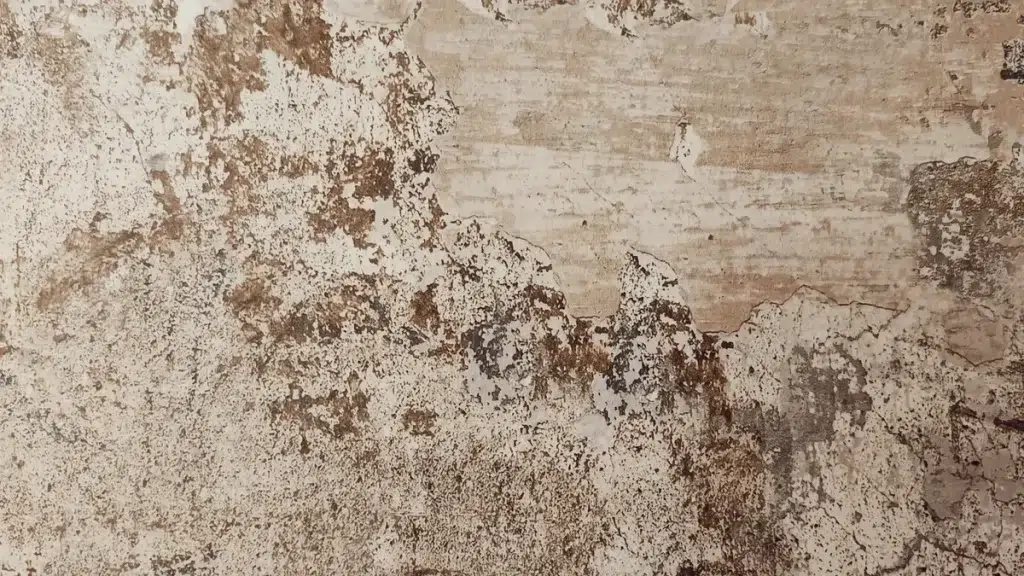
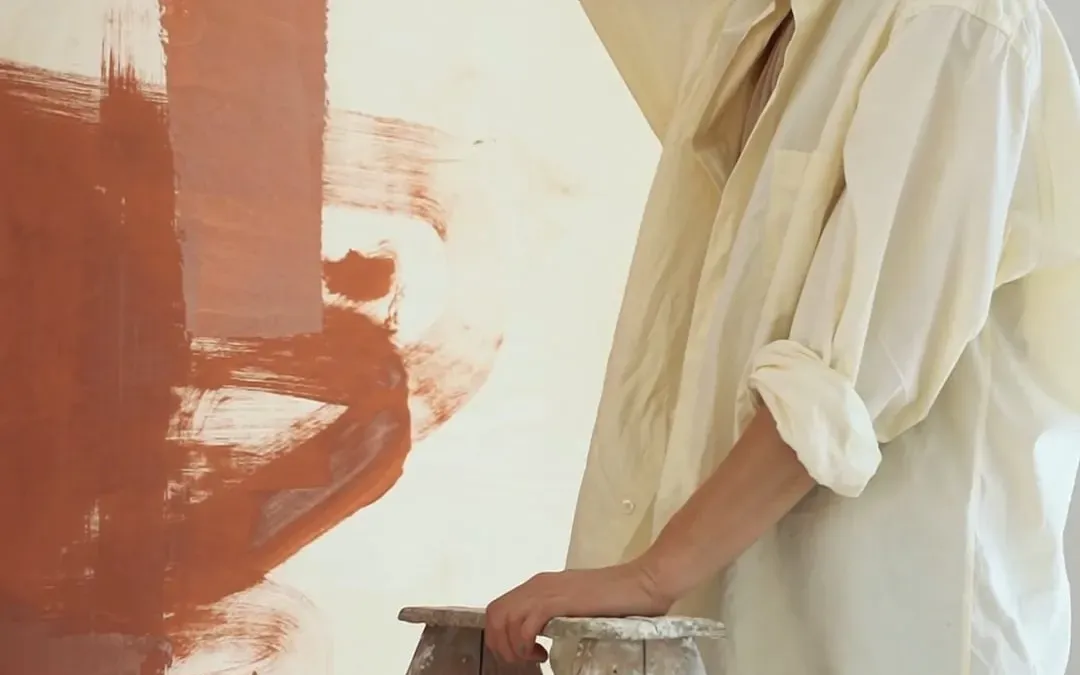
Aesthetics play a vital role in commercial spaces. You can transform your environment with commercial textured wall finishes that create unique looks. These finishes, such as popcorn and orange peel, offer diverse options that enhance design appeal. Engaging visitors through tactile experiences fosters trust and improves memory recall, increasing perceived value in your space.
Key Takeaways
Textured wall finishes enhance the aesthetic appeal of commercial spaces, making them more inviting and memorable.
Choosing the right texture, like orange peel or knockdown, can improve durability and maintenance in high-traffic areas.
Proper surface preparation and the right tools are essential for achieving stunning textured walls that align with your design vision.
Types of Wall Textures

Popcorn Texture
Popcorn texture, often seen in older commercial buildings, features a bumpy surface that resembles popcorn. This texture effectively hides imperfections in walls, making it a cost-effective choice for many businesses. However, you should note that popcorn texture is generally less durable than other finishes. It can be challenging to maintain and repair, especially in high-traffic areas. While it serves its purpose well, you may find it difficult to clean, and it can appear outdated in modern settings.
Orange Peel Texture
The orange peel texture offers a more contemporary look. This finish creates a subtle, dimpled effect that resembles the skin of an orange. You will appreciate its durability, especially in high-traffic areas like offices and retail environments. The orange peel finish conceals minor surface imperfections, making it practical for spaces that experience wear and tear. It is easy to maintain, as you can clean it without damaging the surface. This texture is created by applying paint with a spray gun or roller, allowing it to partially dry before settling.
Knockdown Texture
Knockdown texture provides a unique, stucco-like appearance. This technique involves applying a compound to the wall and letting it partially dry before flattening the peaks with a trowel. You can use knockdown texture to add depth to your walls while maintaining a smooth finish. It is popular in upscale commercial spaces and modern homes. This texture not only enhances aesthetics but also offers durability, making it suitable for various environments.
Feature | Description |
|---|---|
Technique | After applying the compound, let it partially dry, then use a trowel to flatten the peaks, giving it a stucco-like finish. |
When to Use It | Knockdown texture is ideal for adding depth to walls while keeping a smooth, finished look. |
Sand Swirl Texture
Sand swirl texture creates a dynamic, swirling pattern on your walls. This finish adds visual interest and can complement various design themes. You can achieve this look by applying a sand-based compound and using a brush to create the desired swirl effect. This texture works well in both commercial and residential settings, providing a unique backdrop for your space.
Skip Trowel Texture
Skip trowel texture offers a more rustic, hand-applied look. This technique involves applying a thin layer of joint compound and then using a trowel to create a skip pattern. The result is a textured surface that adds character to your walls. You might find this finish appealing for spaces that aim for a warm, inviting atmosphere. It is often used in restaurants and boutique shops to create a cozy environment.
Textured wall coverings are frequently utilized in various commercial settings such as lobbies, conference rooms, and retail environments. They can replicate materials like fabric, wood, and stone, offering both aesthetic appeal and durability. As you explore the different types of wall textures, consider how each can enhance your commercial space.
Application of Textured Finishes
Tools and Materials
To achieve stunning textured walls, you need the right tools and materials. Here’s a list of essential items for your project:
Texture Sprayer: This tool helps apply textures evenly across large areas.
Trowels: Use these for applying and shaping textures like skip trowel or knockdown.
Hopper Gun: Ideal for spraying textures like popcorn and orange peel.
Mixing Paddle: Necessary for mixing compounds to the right consistency.
Sandpaper: Use it for smoothing surfaces before applying texture.
Primer: A good primer ensures better adhesion of the texture to the wall.
The costs for textured wall finishes can vary significantly based on the type of texture you choose. For example, skip trowel texture ranges from $1.25 to $2.50 per square foot, while Venetian plaster can cost between $3 and $30 or more. This variation depends on the complexity of the texture and the materials used.
Texture Type | Cost per sq ft |
|---|---|
Skip Trowel Texture | $1.25–$2.50 |
Venetian Plaster Finish | $3–$30+ |
Step-by-Step Process
Applying textured finishes involves several steps. Here’s a straightforward guide to help you through the process:
Surface Preparation and Priming: Start by cleaning the walls. Fill any imperfections and sand the surface smooth. Apply a primer and allow it to dry completely.
Mixing and Spraying Methods: For textures like orange peel, mix drywall mud with water until it reaches a thick paint consistency. Strain the mixture to remove lumps and test it on a piece of cardboard to ensure the right texture.
Spray Technique: Hold the hopper gun 18 to 24 inches from the wall. Maintain a consistent speed while working in 4×4 foot sections. This technique ensures even coverage.
Best Tools and Equipment for Texture Spraying: Use an air compressor and a texture gun for the best results. Maintain steady pressure while spraying and clean your equipment after use to prevent clogs.
Finishing Touches: After applying the texture, allow it to dry completely. You can then paint over it or leave it as is, depending on your design preference.
When applying different textures, remember that each type has its unique method. For instance, popcorn texture requires a spray method that creates a bumpy surface, while sand swirl texture involves mixing sand with a compound and manipulating it with brushes to create swirls.
Tip: Be aware of common challenges during application, such as maintaining consistency across large areas and ensuring proper adhesion. These factors can significantly impact the final look of your textured walls.
By following these steps and using the right tools, you can successfully apply various types of drywall finish to create stunning textured walls in your commercial space.
Choosing the Right Finish
Environmental Considerations
When selecting commercial textured wall finishes, consider the environment where you will apply them. Factors like humidity and temperature can significantly impact the performance of your chosen finish. For instance, in cold and humid conditions, traditional acrylic paints may trap moisture, leading to bubbling and peeling. Instead, consider using lime paint, which allows moisture to escape and prevents issues like mold growth. This choice not only enhances durability but also contributes to a healthier indoor environment.
Matching Design Themes
Your choice of wall texture should align with the overall design theme of your space. Different textures can evoke various feelings and aesthetics. Here’s a quick reference table to help you match wall textures with design themes:
Wall Panel Type | Design Features | Material Options | Finishes | Ideal Uses |
|---|---|---|---|---|
Decorative Panelling | Adds depth and architectural interest | MDF, hardwood, PVC | Painted, stained, textured | Living rooms, feature walls |
3D Textured Panelling | Creates depth and tactile interest | MDF, gypsum, timber | Painted, veneered | Feature walls, hospitality venues |
Ribbed Panelling | Introduces subtle shadow play | Solid wood, MDF, PVC | Painted, stained | Reception areas, luxury interiors |
By carefully considering both environmental factors and design themes, you can select the perfect commercial textured wall finishes that enhance your space’s aesthetic and functionality.
Commercial textured wall finishes offer versatility and aesthetic appeal. You can enhance your space with various textures that improve durability and acoustic performance. These finishes create memorable impressions, aligning with your brand identity. Explore these options to transform your environment into a welcoming and professional space.
Benefits of Textured Finishes:
Durability: They withstand wear and tear.
Acoustic Performance: They improve sound absorption.
Aesthetic Appeal: They add depth and visual interest.
Embrace the potential of textured finishes to elevate your commercial interiors!
FAQ
What are the benefits of textured wall finishes?
Textured wall finishes enhance durability, improve sound absorption, and add visual interest to your space.
How do I maintain textured walls?
You can maintain textured walls by gently cleaning them with a damp cloth or sponge. Avoid harsh chemicals.
Can I paint over textured finishes?
Yes, you can paint over textured finishes. Use a high-quality primer for better adhesion and a smoother finish.
See Also
BAND: Transform Your Walls With Stunning Decorative Coatings
Utilizing Inorganic Seven-Color Coating For An Eco-Friendly Home
2025 Guide to Concrete Dust Sealers for Commercial Areas
Dulux or Behr: The Best Interior Paint Choice for 2025
Expert Techniques for Applying Waterproof Coatings on Surfaces
