


Choosing the right concrete crack sealer for industrial floors is crucial for maintaining your facility’s integrity. A well-selected concrete crack sealer not only reduces maintenance costs but also extends the lifespan of your floors. Recent studies show that using effective materials, such as cementitious hardeners, significantly improves surface hardness and minimizes issues like cracking and dusting.
Key Takeaways
Choose the right type of concrete crack sealer based on your floor’s specific needs. Options include epoxy for durability, polyurethane for flexibility, and cement-based fillers for repairs.
Consider environmental conditions like temperature and humidity when selecting a sealer. These factors can affect the performance and longevity of the sealing solution.
Address moisture exposure and crack types effectively. Use appropriate sealers for hairline cracks and structural cracks to maintain the integrity of your industrial floors.
Types of Sealers for Industrial Floors
When selecting a concrete crack sealer for industrial floors, understanding the different types available is essential. Each type offers unique benefits and is suited for specific applications. Here, we will explore three primary types of sealers: epoxy, polyurethane, and cement-based fillers.
Epoxy Sealers
Epoxy sealers are a popular choice for industrial applications due to their exceptional durability and chemical resistance. They consist of a resin and hardener that, when mixed, create a strong bond. This type of sealer is ideal for high-traffic areas, such as manufacturing facilities and chemical plants.
Advantages:
High load-bearing capacity, often exceeding 10,000 PSI.
Excellent resistance to acids and solvents, making them suitable for harsh environments.
Minimal downtime during installation, allowing for quick repairs.
Lifespan: Typically, epoxy sealers last between 5 to 10 years. In commercial settings with higher foot traffic, they can even extend to 10 to 15 years.
Benefit | Description |
|---|---|
Increased Surface Hardness | Enhances durability against abrasion from equipment and foot traffic. |
Chemical Resistance | Offers high resistance to petrochemicals and caustic substances, suitable for industrial use. |
Easier Cleaning | Facilitates hygiene maintenance, crucial in regulated industries. |
Polyurethane Sealers
Polyurethane sealers are another excellent option for industrial floors, particularly in environments that experience significant wear and tear. They provide superior flexibility and abrasion resistance, making them suitable for high-traffic areas.
Advantages:
Excellent abrasion resistance, ideal for busy garages and commercial spaces.
Longer lifespan compared to epoxy, often lasting twice as long in demanding environments.
UV stable, preventing yellowing and maintaining aesthetic appeal.
Flexibility: Polyurethane sealers can accommodate movement and thermal expansion better than epoxy, making them less prone to cracking under stress.
Property | Polyurethane Sealers | Epoxy Sealers |
|---|---|---|
Flexibility | Superior, accommodates movement | Rigid, prone to cracking under stress |
Shock Absorption | Better shock absorption | Less effective |
UV Stability | UV stable, does not yellow | Not UV stable |
Cement-Based Fillers
Cement-based fillers serve as a practical solution for repairing cracks and surface imperfections in concrete floors. They are often used as a base layer before applying other sealers.
Advantages:
Effective for filling larger cracks and voids.
Provides a solid foundation for subsequent coatings.
Can enhance the overall strength of the concrete surface.
While cement-based fillers do not offer the same level of chemical resistance as epoxy or polyurethane, they play a crucial role in preparing the surface for further treatment.
Key Considerations for Choosing a Concrete Floor Sealer
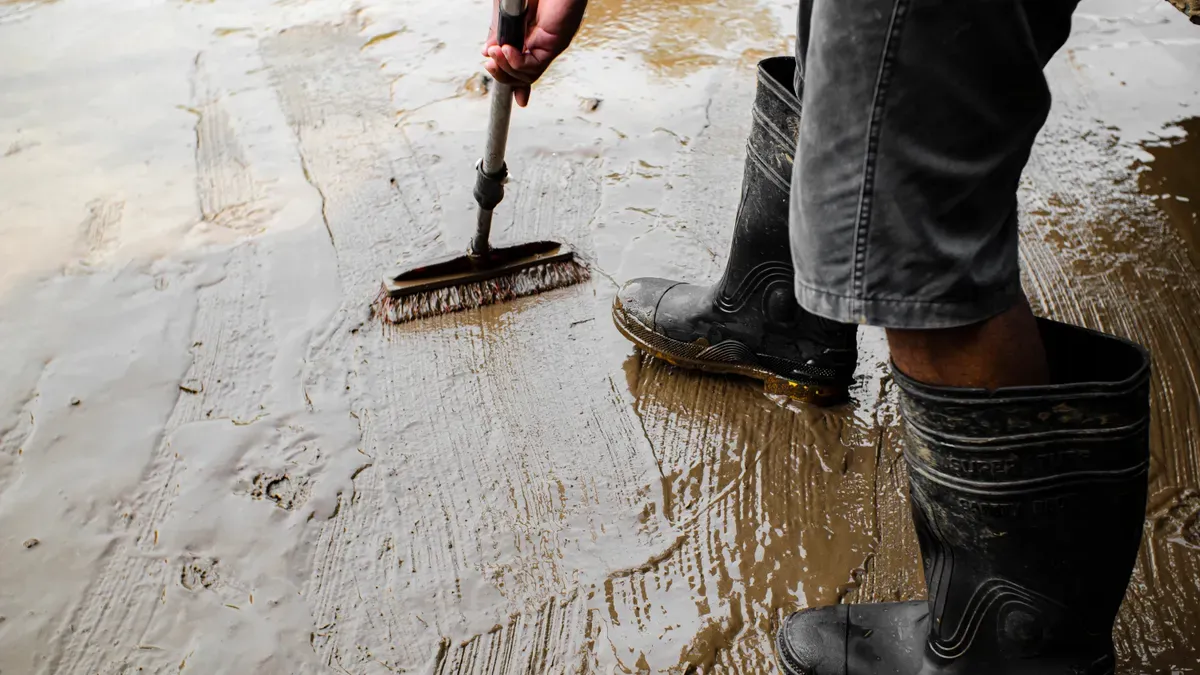
Selecting the right concrete crack sealer for industrial floors involves several key considerations. Understanding these factors can help you make an informed decision that enhances the long-term performance of your flooring system.
Floor Type and Usage
The type of floor you have significantly influences your choice of sealer. Different surfaces, such as smooth or porous concrete, require distinct approaches. For instance, if you are dealing with a porous surface, you need a sealer that can penetrate deeply to protect against moisture intrusion. Conversely, smooth surfaces may benefit from topical coatings that provide a protective barrier.
When considering usage, think about the following factors:
The type of traffic: Hard-wheeled traffic demands a more durable sealer.
Potential chemical exposure: Select sealers that withstand harsh conditions.
The need for quick repairs: Fast-curing options minimize downtime.
These considerations ensure that you choose a concrete floor sealer that meets the specific demands of your industrial environment.
Environmental Conditions
Environmental factors play a crucial role in the performance of concrete crack sealers. Temperature and humidity can affect the curing process and the overall effectiveness of the sealer. For example, research indicates that high humidity and temperature fluctuations can lead to significant reductions in tensile strength. Therefore, managing these conditions is essential for maintaining the integrity of your flooring.
Additionally, consider whether the area is indoors or outdoors. Outdoor environments require sealers that offer UV resistance and weather protection. Indoor applications may prioritize low-VOC options for safety and compliance with regulations.
Moisture and Crack Types
Moisture exposure is a critical factor when selecting a concrete crack sealer. Different sources of moisture can lead to various issues, such as delamination and blistering. For example, moisture trapped beneath a coating can create physical stress that disrupts the bond between the coating and the substrate. To combat this, you should choose sealers designed to protect against moisture intrusion, especially in areas prone to high humidity or water exposure.
Understanding the types of cracks present in your concrete is equally important. Hairline cracks may only require a simple sealant, while structural cracks necessitate more robust solutions like epoxy or polyurethane fillers. Here’s a quick overview of how different crack types influence your choice:
Hairline Cracks: Thin surface cracks that can lead to more significant problems if not addressed.
Structural Cracks: Larger cracks that compromise the integrity of the structure and require immediate attention.
By considering these factors, you can select a concrete crack sealer that not only addresses current issues but also enhances the long-term performance of your industrial floors.
Choosing the right concrete crack sealer for industrial floors significantly impacts your facility’s durability and safety. An informed selection leads to numerous long-term benefits:
Benefit | Description |
|---|---|
Especially in load-bearing zones, enhancing overall safety | |
Extended floor life | Prevents progressive failure and wear, ensuring longevity |
Lower maintenance costs | Avoids frequent patching or coating failures, saving money |
Safer surfaces | Reduces tripping and contamination risks, promoting safety |
Better compatibility | Ensures finishes bond evenly and perform as expected |
By prioritizing the right concrete floor sealer, you protect against moisture, chemicals, and wear. This choice not only enhances the longevity of your floors but also promotes a safer working environment.
FAQ
What is the best type of sealer for high-traffic areas?
For high-traffic areas, epoxy sealers offer excellent durability and chemical resistance, making them ideal for industrial applications.
How do I know if my concrete needs sealing?
If you notice cracks, dusting, or moisture issues, your concrete likely needs sealing to prevent further damage and maintain integrity.
Can I apply a sealer in wet conditions?
No, applying a sealer in wet conditions can lead to poor adhesion and ineffective sealing. Ensure the surface is dry before application.
See Also
Selecting The Ideal Concrete Densifier For Your Warehouse Flooring
The Comprehensive Guide To Concrete Sealers For Industrial Floors
Identifying The Most Suitable Concrete Sealer For Your Requirements
Selecting The Top Five Concrete Floor Hardeners For Industrial Use
A Key Guide To Selecting The Right Concrete Protective Sealer
