

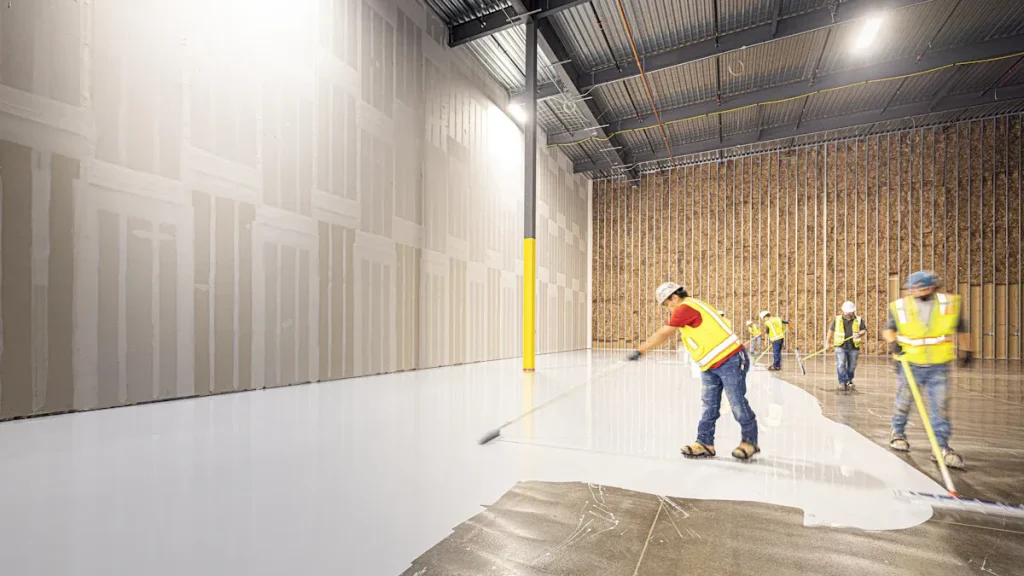
Maintaining your warehouse concrete floor repair is crucial for productivity and safety. Poor conditions can lead to operational inefficiencies, increased accident risks, and damage to equipment. By choosing the right concrete repair products, you ensure a reliable and effective solution for your warehouse concrete floor repair needs, enhancing both functionality and safety.
Key Takeaways
Choose high-quality crack fillers like Poly-Strong PS 55 for effective repairs. These products withstand heavy traffic and ensure long-lasting results.
Follow proper surface preparation steps before applying resurfacing products. Cleaning and repairing cracks enhances adhesion and durability.
Seal your concrete floor every 1-3 years to protect against moisture and chemicals. Regular sealing reduces maintenance costs and extends the floor’s lifespan.
Best Concrete Repair Products
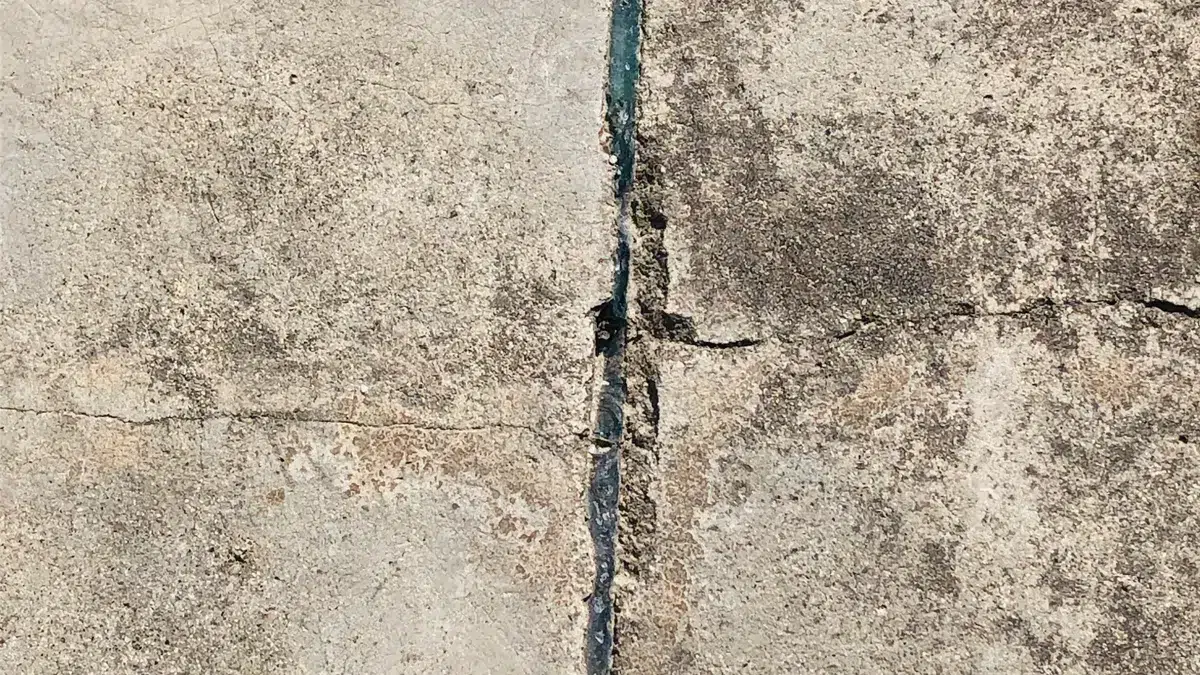
When it comes to maintaining your warehouse, selecting the right concrete repair products is essential. Among these, crack fillers stand out as a vital component for effective repairs. You want to ensure that you choose products that can withstand heavy traffic and provide long-lasting results.
Best Crack Fillers
Here are some of the top-rated concrete crack fillers for warehouse floors:
Poly-Strong PS 55 Polyurethane / Polyurea Filler: This product is ideal for industrial use. It cures quickly and can handle heavy traffic, making it perfect for busy warehouse environments.
Epoxy Crack Filler Kit: This kit is best for structural repairs. It creates strong, permanent bonds in narrow cracks, ensuring your floors remain safe and functional.
Rust-Oleum Concrete Patch & Repair: Known for its heavy-duty performance, this filler creates a bond stronger than concrete. It’s suitable for high-traffic areas, ensuring durability.
Using industrial-grade products like these ensures that your repairs last longer and perform better under stress.
Features and Benefits
Investing in high-quality concrete repair products offers several advantages:
Feature | Description |
|---|---|
Quick setting times minimize downtime in busy areas. | |
Durability | Enhanced strength endures the stress of heavy machinery and constant foot traffic. |
Specific Applications | Ideal for factories, warehouses, and areas subjected to intense wear and tear. |
You’ll find that the best concrete floor crack fillers not only repair but also enhance the overall floor durability. For instance, products like TuffPatch Turbo #620 support heavy forklift traffic in just 15 minutes. This quick cure time allows you to get back to work without significant interruptions.
In addition to crack fillers, consider the types of concrete repair products available. Fast-setting self-leveling fillers are perfect for quick repairs, providing a smooth finish and rapid curing time. Polyurethane and polyurea systems are effective for crack repair, offering flexibility and durability in high-traffic areas.
By choosing the right concrete repair products, you can ensure that your warehouse floor remains safe and functional for years to come.
Resurfacing Solutions
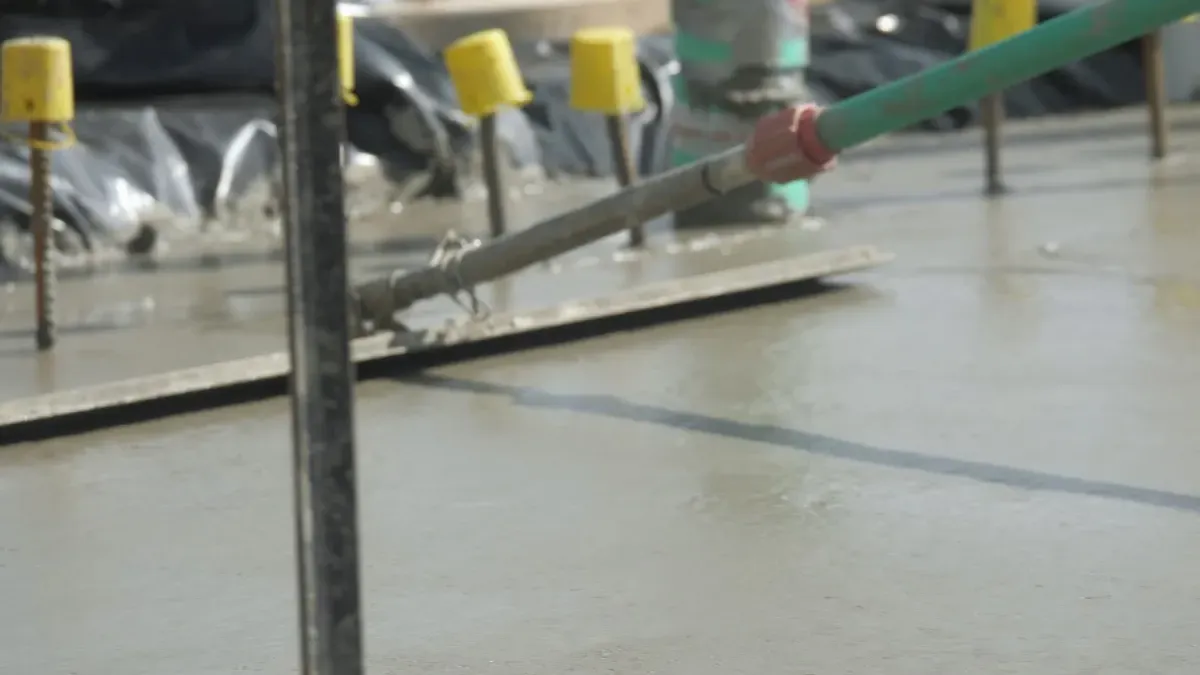
Resurfacing your warehouse floor can breathe new life into your space. It not only improves aesthetics but also enhances the durability of your concrete surface. Here are some recommended resurfacing products and essential application tips to ensure you achieve the best results.
Recommended Resurfacing Products
When selecting resurfacing products, consider options that offer strength and longevity. Here are a few top choices:
Garon™ Epoxy Resurfacer: This product provides a robust layer that withstands heavy traffic. It’s perfect for areas that experience constant wear and tear.
Sikafloor® 161: Known for its excellent adhesion, this epoxy is ideal for resurfacing damaged concrete floors. It creates a smooth, durable finish.
Rust-Oleum® EpoxyShield®: This resurfacer is easy to apply and offers a high-gloss finish. It’s suitable for both indoor and outdoor applications.
Application Tips
To maximize the longevity of your resurfacing efforts, follow these steps:
Clean and Prep the Surface: Remove all debris, dust, grease, and loose concrete. A clean surface ensures better adhesion.
Repair Cracks and Holes: Fill any gaps with the appropriate Garon™ epoxy resurfacer. This step is crucial for a smooth finish.
Mix and Apply Epoxy Resurfacer: Follow the instructions on the data sheets carefully. Mixing, pouring, and spreading the epoxy correctly will yield the best results.
Smooth and Level: Use a trowel or squeegee to achieve a uniform finish. This step is vital for floor durability.
Allow Proper Curing: Ensure the epoxy sets fully before allowing traffic. Proper curing is essential for maximum strength.
For effective resurfacing, consider these methods:
Inspection and Assessment: Assess the damage and select appropriate resurfacing materials.
Surface Preparation: Clean and roughen the surface using methods like shot blasting or diamond grinding.
Priming the Surface (Optional): Apply primer for better adhesion if necessary.
Application of Resurfacing Material: Apply the new layer using techniques like pouring or troweling.
Curing and Drying: Allow the surface to cure properly, avoiding traffic during this time.
Final Finishes and Sealing: Optionally apply sealant or decorative finishes.
By following these guidelines, you can ensure that your warehouse concrete floor repair is effective and long-lasting. A well-resurfaced floor not only enhances safety but also contributes to the overall efficiency of your operations.
Sealers for Protection
Sealing your warehouse concrete floor is essential for long-term protection. A good sealer acts as a barrier against moisture, chemicals, and abrasion. This protection enhances floor durability and reduces maintenance costs over time.
Top Sealers for Warehouse Floors
When selecting a sealer, consider your specific needs. Here are some top-rated options:
Application Need | Recommended Sealer Type |
|---|---|
Heavy traffic + forklifts | Epoxy or urethane topical coatings |
Chemical resistance needed | Urethane or chemical-resistant epoxy |
Dust reduction priority | Lithium silicate densifiers |
Food processing areas | USDA-compliant urethane coatings |
Additionally, products like PolishGuard and LSGuard offer excellent stain resistance and a high-gloss finish, making them ideal for polished concrete surfaces.
How to Apply Sealers
Applying sealers correctly ensures maximum effectiveness. Follow these steps for optimal results:
Clean the Surface: Remove dirt, dust, and grease. A clean surface promotes better adhesion.
Choose the Right Sealer: Select a sealer based on your specific needs, such as traffic levels and chemical exposure.
Apply Evenly: Use a roller or sprayer to apply the sealer evenly across the surface. Avoid puddles or thick spots.
Allow to Cure: Follow the manufacturer’s instructions for curing times. Proper curing is crucial for achieving the desired protection.
By sealing your warehouse floor, you not only protect it from wear and tear but also enhance its appearance. A well-sealed floor can significantly reduce dust generation and improve overall air quality, making your workspace safer and more efficient.
Repair Kits for Quick Fixes
Repair kits offer a convenient solution for quick fixes to your warehouse floor. These comprehensive kits contain everything you need to address concrete damage efficiently. You can save time and effort by using these all-in-one solutions, allowing you to focus on your operations instead of lengthy repairs.
Complete Repair Kits
Here are some of the best options available for warehouse concrete floor repairs:
Product Name | |
|---|---|
Armor-Hard/Kit | |
Armor-Hard Extreme | |
MM-80 KRP | |
Rapid Refloor XP | |
Spal-Pro RS 88 |
These high-quality warehouse concrete repair products ensure durability and effectiveness, making them ideal for heavy-duty repair tasks.
Step-by-Step Application
Follow these steps for applying repair kits effectively:
Damage Assessment: Inspect the floor for cracks or chips.
Surface Preparation: Clean the area thoroughly, removing debris.
Choosing the Right Repair Products: Select the appropriate kit based on the damage.
Application: Apply the product according to the manufacturer’s guidelines.
Post-Repair Care: Allow adequate time for the product to cure for optimal results.
Using repair kits not only speeds up the process but also enhances the overall efficiency of your maintenance efforts. Fast-setting options like Hy-Speed™ 500 can be mixed and ready in minutes, curing in just one hour. This allows you to restore functionality quickly, minimizing downtime in your warehouse.
Choosing the right concrete floor repair products is vital for maintaining your warehouse. Consider the extent of damage, floor usage, and temperature conditions when selecting solutions.
Key Benefits of Quality Products:
Lower maintenance costs
Evaluate your specific needs and select the best options to ensure a durable and efficient workspace.
FAQ
What is the best way to repair cracks in concrete floors?
Use high-quality crack fillers designed for heavy traffic. Ensure proper surface preparation for optimal adhesion and durability.
How often should I seal my warehouse concrete floor?
Seal your concrete floor every 1-3 years, depending on traffic and exposure to chemicals. Regular sealing extends the floor’s lifespan.
Can I resurface my concrete floor myself?
Yes, you can resurface your concrete floor. Follow the manufacturer’s instructions carefully for the best results and ensure proper surface preparation.
See Also
Selecting The Ideal Concrete Densifier For Your Warehouse Floor
Top Floor Hardener Options For UK Industrial Warehouses
Optimal Floor Hardener Choices For Philippine Warehouses
Five Simple Tips For Choosing Concrete Hardeners In 2025
Selecting The Top Five Concrete Floor Hardeners For Industry
