

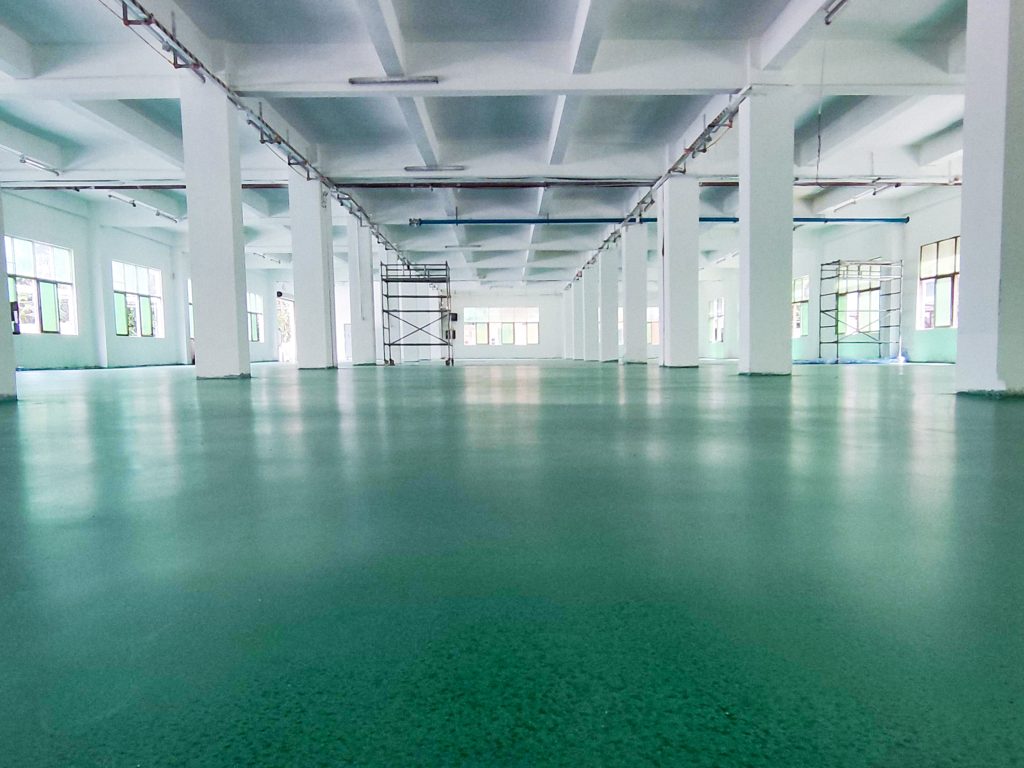
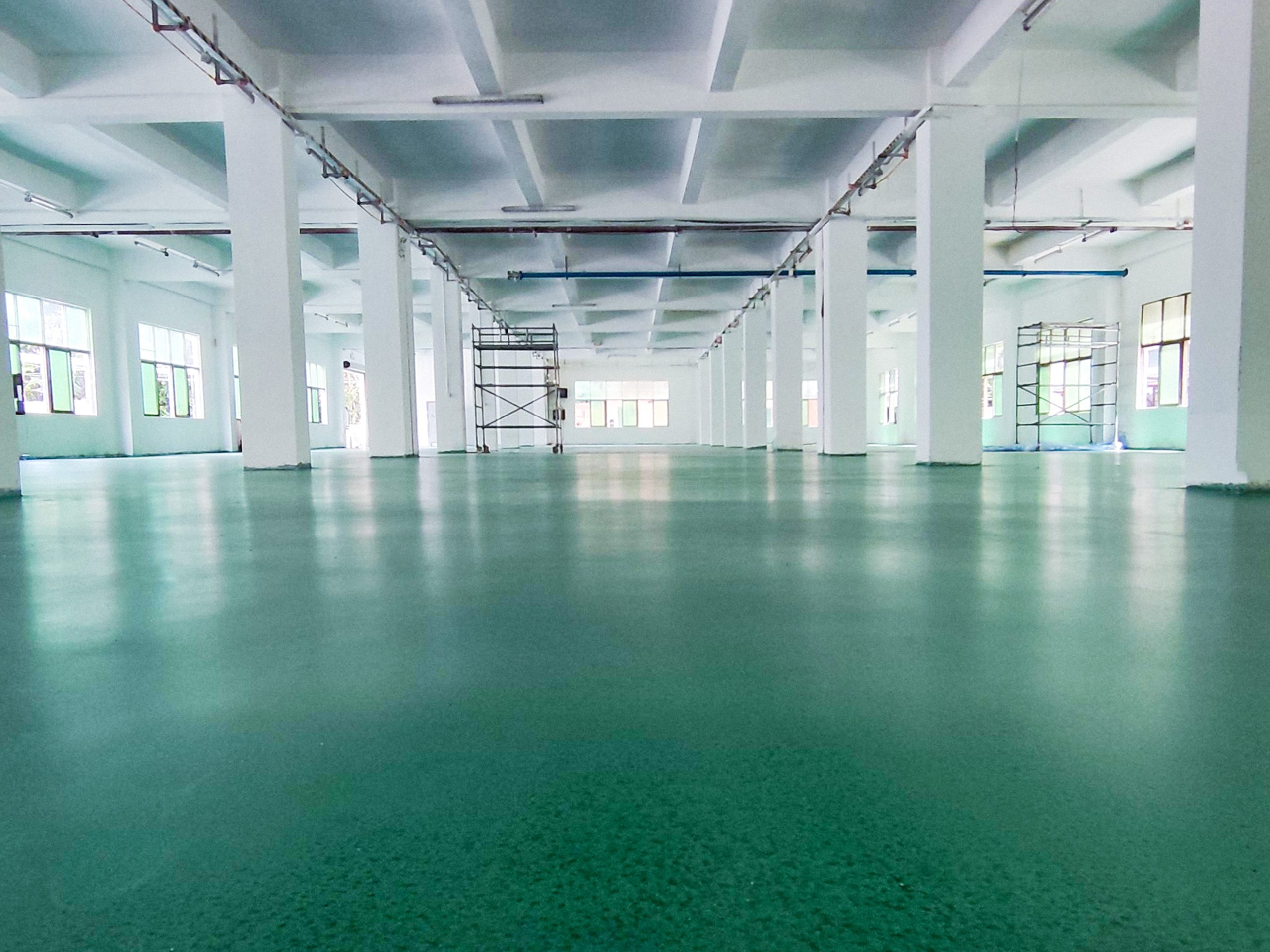
Understanding the differences between densifier hardener sealer is important for anyone working with concrete. Each product has a special job to help concrete last longer and work better. Densifiers make concrete stronger and more durable. Hardeners help the surface resist damage. Sealers keep out moisture and stains. When used together, these products greatly increase how long concrete structures last. Recent studies show that new materials and technologies, like nanotechnology and self-healing concrete, make these benefits even better. This makes it important to make smart choices for taking care of concrete.
Key Takeaways
Densifiers make concrete stronger by filling small holes. This makes surfaces denser and less porous.
Hardeners help the surface last longer. They protect against wear and impact. This is great for busy areas.
Sealers create a shield against moisture and stains. They improve how concrete looks and last longer.
Pick the right product based on your concrete’s needs. Think about traffic levels and chemical exposure.
Using densifiers, hardeners, and sealers together makes concrete stronger and safer.
Definitions
Densifier
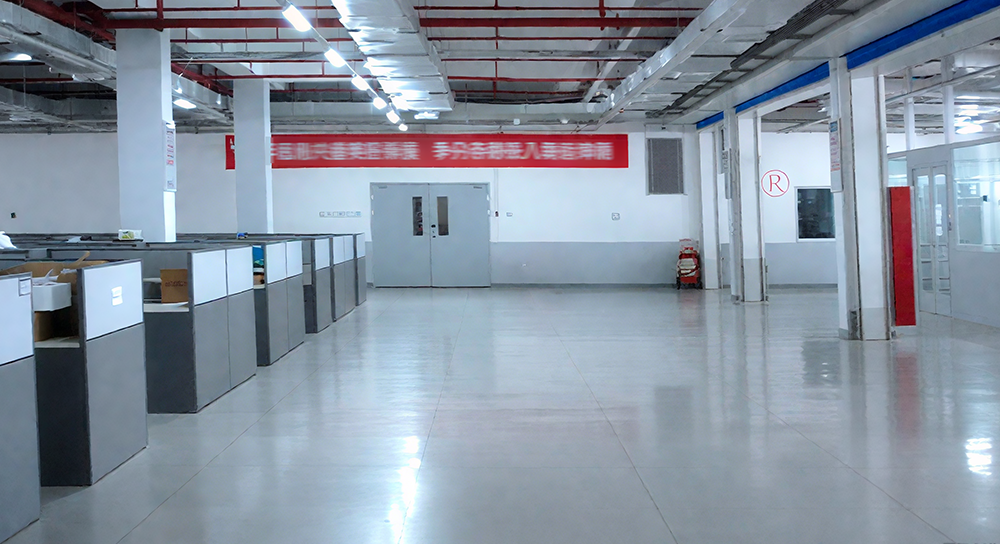
A densifier is a liquid that you put on concrete surfaces. It reacts with the concrete to make more cementing agents. This makes the surface denser and less porous. As a result, the surface becomes stronger and lasts longer. Concrete densifiers fill tiny holes, making the surface less likely to get damaged. They work well for polished concrete floors.
Key Characteristics:
Water-based chemicals that make concrete stronger.
Reduce porosity, so surfaces resist stains and dirt.
Commonly used in factories and commercial places.
Hardener
A hardener is a product that makes concrete surfaces harder. It usually has chemicals that react with calcium hydroxide in the concrete. This reaction creates a denser and tougher surface. You can use hardeners on both new and old concrete. They protect against wear and impact, which is great for busy areas.
Key Characteristics:
Reacts chemically to make surfaces harder.
Provides protection against wear and damage.
Often used in warehouses and factories.
Sealer
A sealer is a coating that protects concrete surfaces from moisture and stains. Sealers create a barrier that stops liquids from soaking into the concrete. This makes it easier to clean spills and keeps the surface looking good. There are different types of sealers, including silicate sealers, which also act as densifiers.
Key Characteristics:
Creates a barrier against moisture and stains.
Improves the look of concrete surfaces.
Important for outdoor use to prevent freeze-thaw damage.
Type | Chemical Properties | Functionality |
|---|---|---|
Densifiers | Water-based chemicals that react with cement paste to create more cementing agents, making the surface stronger and less porous. | Physically strengthen the surface concrete and fill tiny holes to make it denser and less porous. |
Sealers | Work by reacting with concrete to reduce porosity or increase surface tension to create a barrier against liquids. | Stop liquids from soaking into the concrete, making spills easier to clean. |
Purpose of Densifier Hardener Sealer
Purpose of Densifiers
Densifiers are very important for improving concrete surfaces. They react with calcium hydroxide in the concrete. This reaction makes calcium silicate hydrate crystals that fill tiny holes. Because of this, the surface density can increase by 30-40%. This process stops dusting and makes the surface hard forever. Concrete densifiers have many main jobs. They make concrete stronger, last longer, and more durable. By going deep into the concrete, densifiers create a denser surface. This helps keep out stains and makes it tougher against wear from foot traffic and the environment.
Using a concrete densifier can lead to a 36.4% increase in compressive strength compared to untreated concrete. This improvement is vital for keeping concrete strong over time.
Purpose of Hardeners
Hardeners greatly improve the strength of concrete. They make the surface harder and more durable. When you use a hardener, it goes into the concrete and reacts with its parts. This reaction fills tiny pores, which increases strength and wear resistance. While densifiers mainly focus on hardness, hardeners also protect against wear and impact. This protection is very important for busy places, like warehouses and factories, where many people walk. By using hardeners, you help your concrete surfaces handle daily wear and tear.
Purpose of Sealers
Sealers are very important for protecting concrete from outside damage. They create a barrier that stops moisture from getting in. This barrier helps resist stains from oils and chemicals. Sealers greatly improve how long concrete lasts. You can pick between two main types of sealers:
Penetrating sealers: These go into the concrete to create a barrier against moisture and dirt.
Topical sealers: These make a protective layer on the surface, which helps resist stains and wear.
Choosing the right concrete sealer is very important for keeping concrete surfaces strong. It helps reduce damage from moisture, oils, and deicing salts. This choice makes the concrete last longer, keeping it useful and looking good.
Application Methods for Concrete
Applying Densifiers
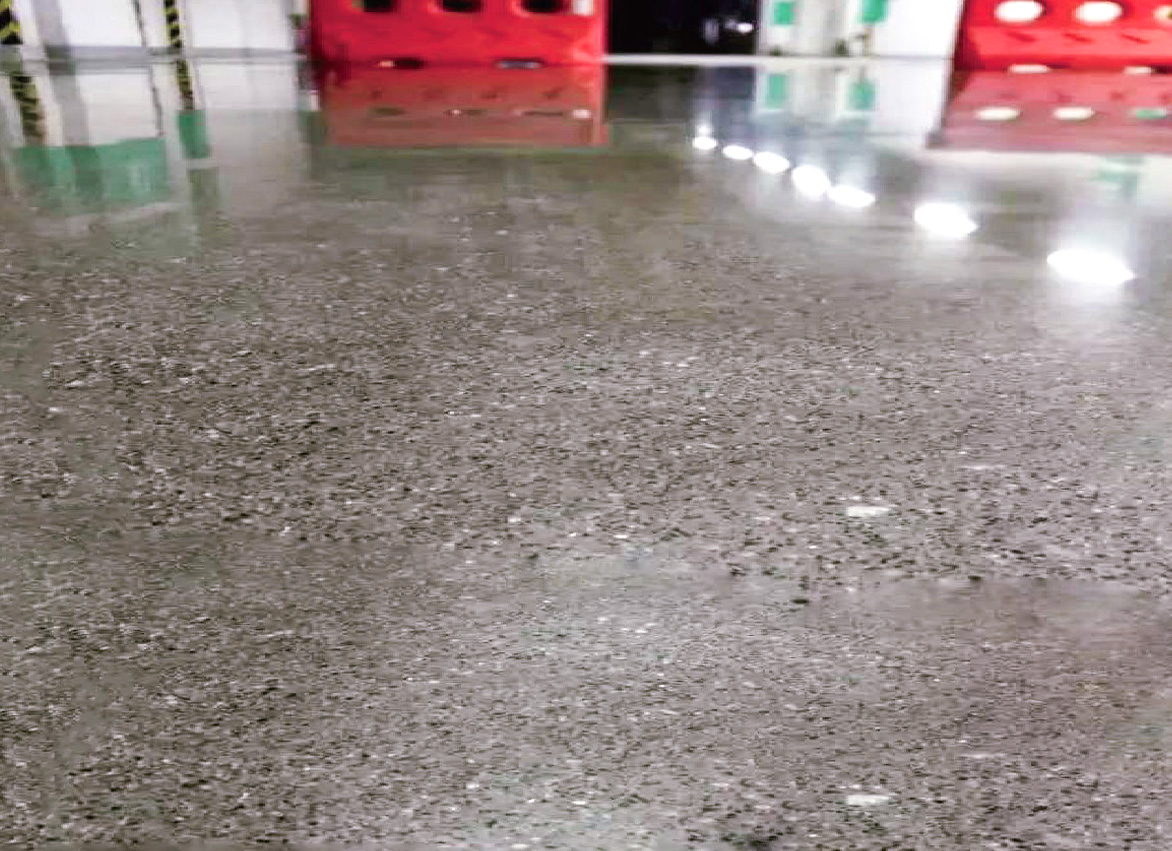
To use a densifier, first prepare the concrete surface. Make sure it is clean and has no dust or dirt. You can use diamond grinding tools to help with this. After the surface is ready, apply the densifier with a sprayer or roller. Be sure to cover the whole area evenly. After applying, let the densifier cure for at least 28 days. This time helps the chemical reaction make the concrete stronger.
Tools Needed:
Diamond grinding tools
W. R. MEADOWS LIQUI-HARD® densifier
Sprayers or rollers
Applying Hardeners
When using a hardener, do similar preparation steps. Clean the concrete well. Use epoxy application tools for the best results. Spread the hardener evenly on the surface. You can use a sprayer or brush for this. The hardener will soak into the concrete, making it stronger. Let it cure according to the instructions, usually around 28 days.
Tools Needed:
Epoxy application tools
Grinding and polishing machines
Dust collectors and vacuums
Applying Sealers
For sealers, the process is a bit different. Wait until the concrete has cured for at least 28 days before applying a sealer. Clean the surface well to remove any dirt. Use a sprayer or roller to apply the sealer evenly. This makes a protective barrier against moisture and stains. Depending on the sealer type, you might need to apply more than one coat for the best protection.
Tools Needed:
Sprayers or rollers
Burnishing and buffing machines
Tip: Always check the temperature range for application, aiming for 40°F to 125°F. Make sure the surface is dry before applying any product.
Product Type | Curing Time |
|---|---|
Densifiers | At least 28 days |
Sealers | Minimum 28 days old |
By following these application methods, you can make your densifier, hardener, and sealer work better. This will help keep your concrete surfaces strong and durable.
Benefits and Limitations
Benefits of Densifiers
Densifiers have many good points for concrete surfaces. They can make concrete stronger by up to 10%. This makes your concrete last longer. Densifiers also lower how much water can get in, usually by less than 20%. This means less water and stains can get through the surface. You can see a strength increase of up to 2000 psi, which is important for strong floors. Plus, densifiers help stop dust from forming, keeping your surfaces cleaner.
Benefits of Hardeners
Hardeners make concrete surfaces tougher. They fill small holes, making the surface denser and harder. This helps overall durability. For example, using L&M’s SEAL HARD can make wear resistance about 2-1/2 times better when used right. The silica in chemical hardeners reacts with weak calcium hydroxide, making the surface stronger. This makes hardeners great for busy areas, helping your concrete handle daily use.
Benefits of Sealers
Sealers protect concrete from water and stains. They create a barrier that stops liquids from soaking in. This makes cleaning spills easier and keeps your surfaces looking good. Sealers can also improve the color and finish of concrete, giving it a shiny look. Using sealers regularly can really help your concrete last longer, making it a smart choice.
Limitations of Densifiers
Even though densifiers have many benefits, they also have some downsides. They might not protect well against strong chemicals. Sometimes, if not applied right, densifiers can make the surface slippery. You should think about these things when choosing the right product for your concrete.
Limitations of Hardeners
Hardeners can have some issues too. They might need certain conditions to work well. If used in very hot or cold temperatures, they might not work as well. Also, hardeners may not be good for all types of concrete finishes, which limits their use.
Limitations of Sealers
Sealers can break down when they come into contact with certain chemicals. This can cause swelling, cracking, or failure. Regular care is important to keep them working well. If you don’t maintain them, they can lose their sealing ability. You need to pick sealing materials carefully to avoid chemical damage in certain situations.
Choosing the Right Product
Factors to Consider
When picking the right product for your concrete project, think about these important factors:
Factor | Description |
|---|---|
Traffic Levels | Busy areas need the hardening that a densifier gives. |
Desired Aesthetics | A sealer has more choices for a shiny or better finish. |
Exposure to Chemicals | A sealer creates a barrier against oils, acids, or stains. |
Budget | Densifiers cost more at first but don’t need reapplication; sealers are cheaper but need upkeep. |
Longevity Expectations | Densifiers last forever, while sealers need to be reapplied every few years. |
Environmental Conditions | Sealers protect better against outside issues like freeze-thaw cycles. |
Knowing these factors helps you make smart choices. For example, if your concrete will get a lot of foot traffic, a densifier might be best. If looks are important, think about a sealer for a shiny finish.
Specific Use Cases
Different products have different uses in both business and home settings. Densifiers and hardeners make concrete stronger and last longer. You often see them in busy places like garages, warehouses, and factories. They help resist wear and can help polish concrete surfaces in stores.
If your project will face moisture or chemicals, a sealer is a must. It protects against stains, water, and UV damage. For example, if there are harmful chemicals, a coating that forms a protective film is best. If wear from traffic is a worry, using a liquid hardener and polishing the floor could work.
By looking at your specific needs and conditions, you can choose the right product to keep your concrete strong and looking good.
In conclusion, knowing the differences between densifiers, hardeners, and sealers is very important for your concrete projects. Each product has a special job:
Densifiers make concrete stronger and stop dust, giving a lasting solution.
Hardeners improve surface strength, which is great for busy areas.
Sealers guard against stains and moisture, but need regular care.
Picking the right product for your needs can really affect how long your concrete lasts and how much you have to take care of it. Choosing wisely helps protect your investment and keeps everything working well over time.
Keep in mind, the right choice can boost durability and lower maintenance costs, helping your concrete last longer and look nicer.
FAQ
What is the main difference between a densifier and a hardener?
A densifier makes concrete denser by filling small holes. A hardener makes the surface stronger and better at resisting wear. Both help make concrete stronger but have different jobs.
How often should I apply a sealer?
You should put on a new sealer every 2 to 5 years. This depends on the type and how much it is exposed. Regular care helps keep your concrete safe from stains and moisture.
Can I use all three products together?
Yes, you can use densifiers, hardeners, and sealers at the same time. This mix boosts concrete strength, durability, and protection against moisture and stains.
Are there any specific conditions for applying these products?
Yes, use these products when it is between 40°F and 125°F. Make sure the surface is clean and dry for the best results.
Do these products work on all types of concrete?
Most densifiers, hardeners, and sealers work on many concrete types. But always check the manufacturer’s instructions to make sure they fit your specific concrete surface.
See Also
Understanding Concrete Densifiers Versus Hardeners: Key Differences
Exploring Concrete Densifiers, Hardeners, And Sealers: Their Functions
The Ultimate Guide To Buying Concrete Densifiers And Hardeners
Selecting The Ideal Concrete Densifier, Hardener, And Sealer For 2025
BANDě’s Comprehensive 2025 Overview Of Concrete Densifiers And Hardeners
