

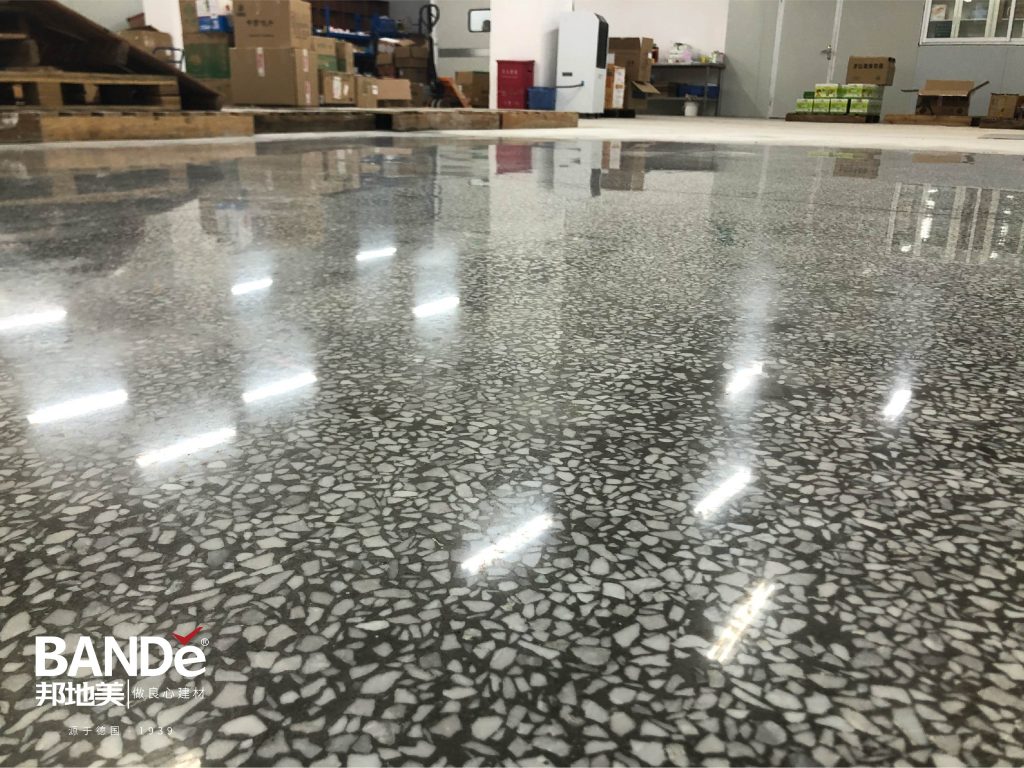
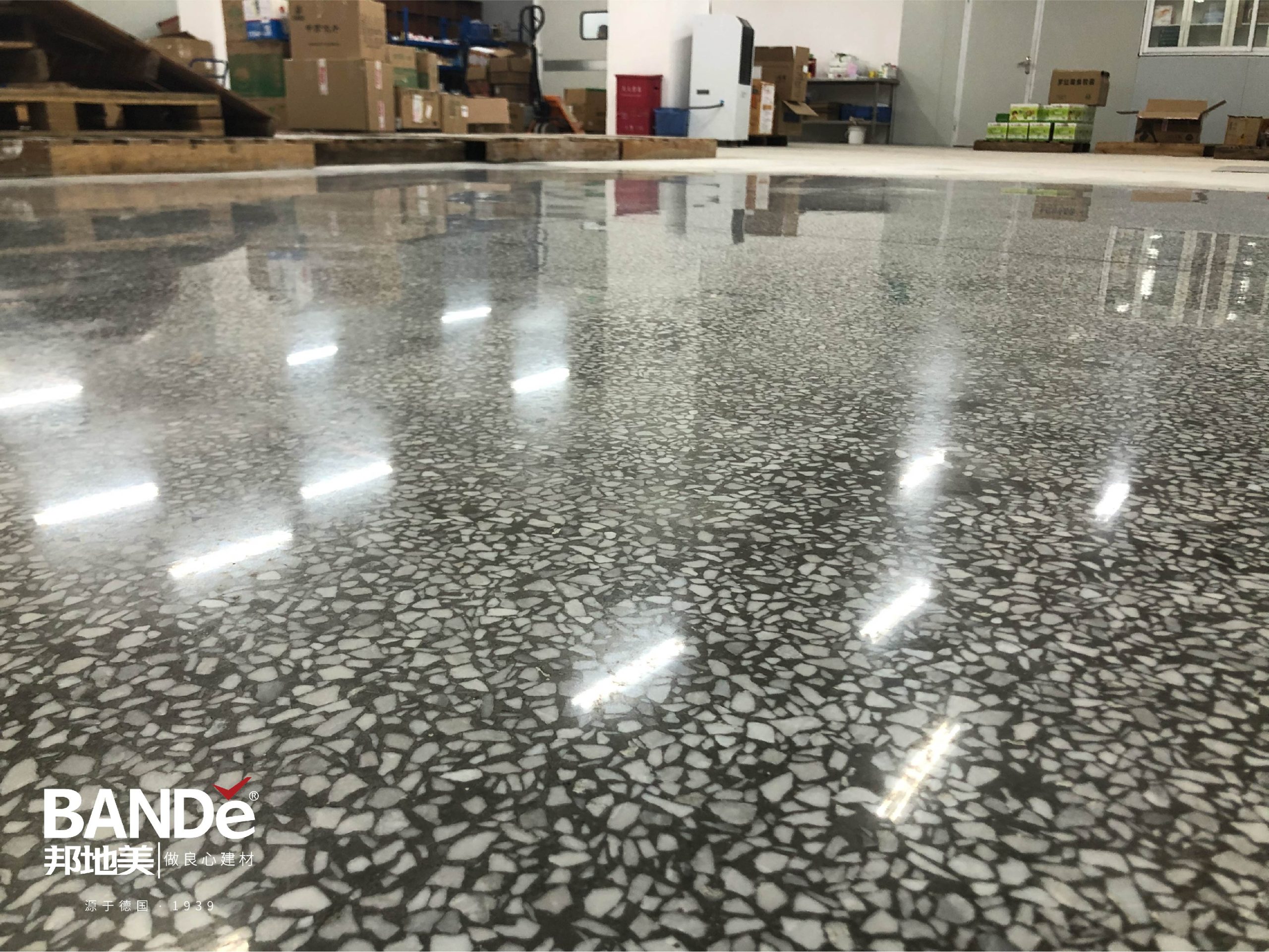
Polished concrete densifiers are liquid chemicals. They help concrete surfaces by filling holes and making them denser. This makes polished floors last longer and look better. Surface treatment is very important. It helps keep concrete strong and nice to look at. This also helps it last longer and resist damage. Many people like polished concrete in different places. This includes businesses and homes. The business area makes up 36.90% of the polished concrete market. This is because it looks good and saves money.
Key Takeaways
Polished concrete densifiers make surfaces stronger. They fill in holes. This helps them last longer and look nicer.
Putting densifiers on after the first grinding step makes concrete stronger. It also gets it ready for a shiny finish.
There are different kinds of densifiers, like silicate and lithium. Each type has special benefits for different concrete needs.
Using densifiers can save money. They help concrete surfaces last longer and lower repair costs.
Densification makes surfaces harder. It also cuts down on dust and improves how polished concrete looks overall.
What is a Densifier?
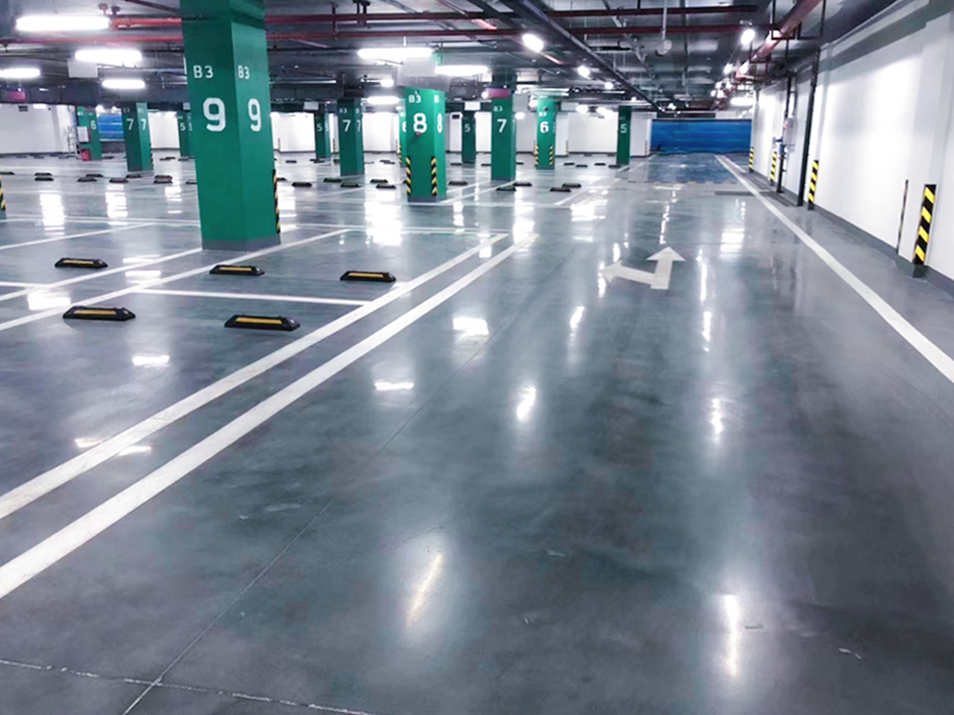
A polished concrete densifier is a chemical that makes concrete stronger. It is put on concrete surfaces. Its main job is to make concrete slabs tougher and last longer. The densifier goes deep into the concrete. It fills the holes and causes a reaction that hardens the surface. This helps stop pitting and makes the concrete better overall.
Types of Concrete Densifiers
Concrete densifiers come in different types. Each type has special features and benefits. Here are some common types:
Silicate Densifiers: These densifiers lower porosity and remove extra calcium hydroxide. They make concrete denser and stronger, which is important for surface treatment. By lowering porosity, silicate densifiers also improve the surface area of the concrete floor. This increases how shiny it looks when polished.
“Silicate densifiers effectively reduce porosity and eliminate excess calcium hydroxide, increasing concrete density and strength, which are crucial for surface treatment.”
Lithium Densifiers: These are known for working really well. Lithium densifiers greatly lower water absorption. They make concrete more resistant to water, which is great for wet areas.
“The results of the water penetration test of the treated samples show that lithium densifiers significantly reduce water absorption, indicating their effectiveness in enhancing water resistance in concrete.”
Sodium and Potassium Densifiers: These types are used for lighter jobs. They might need to be applied more often than lithium densifiers, which are better for heavy work.
Feature | Lithium Silicate | Sodium Silicate |
|---|---|---|
Molecular Structure | Smaller for deep pore penetration | Larger for surface treatment |
Gel Matrix | Creates stable, inert gel | Continuous reactivity with migration |
pH Level | Neutral, reduces ASR risk | Higher alkalinity, potential compatibility issues |
Reapplication Frequency | Less frequent due to durability | Requires frequent reapplication |
Application Suitability | Heavy-duty applications | Light to medium-duty applications |
Performance | Superior durability and maintenance | Cost-effective initially, but less durable |
Knowing the different types of concrete densifiers helps you pick the right one for your project. Each type has its own benefits, making them good for different uses and places.
What Does a Densifier Do?
Densifiers are very important for improving polished concrete. They use chemical reactions to make the surface denser and stronger.
Chemical Processes
When you put a densifier on concrete, it goes into the surface. It reacts with calcium hydroxide, which comes from cement mixing. This reaction makes calcium silicate hydrate (CSH), which fills the holes in the concrete. Here’s how it works:
Densifiers react with free calcium hydroxide in the concrete.
This reaction creates a denser, crystalline form of calcium silicate hydrate.
The CSH fills voids and tightens the cement matrix, resulting in a harder and more impermeable surface.
This process makes the surface of polished concrete much denser. As a result, you get a stronger and tougher floor that can handle wear and tear.
The effect of densifiers on wear resistance and strength is amazing. For example, concrete treated with the Ashford Formula gets 32% harder in just 30 minutes. This quick boost in strength makes it great for busy areas. The densification process not only makes it harder but also helps it resist scratches. This means your polished concrete surfaces will last longer and still look good.
Evidence Description | Result |
|---|---|
Concrete treated with the Ashford Formula becomes 32% harder within 30 minutes. | Shows quick improvement in strength and wear resistance. |
The densification process increases hardness and abrasion resistance. | Makes concrete surfaces last longer, perfect for busy areas. |
The Ashford Formula has been trusted for decades and ensures a durable concrete floor. | No other densifier has floors still in use after 75 years, showing long-lasting strength. |
Benefits of Using a Polished Concrete Densifier
Application Timing
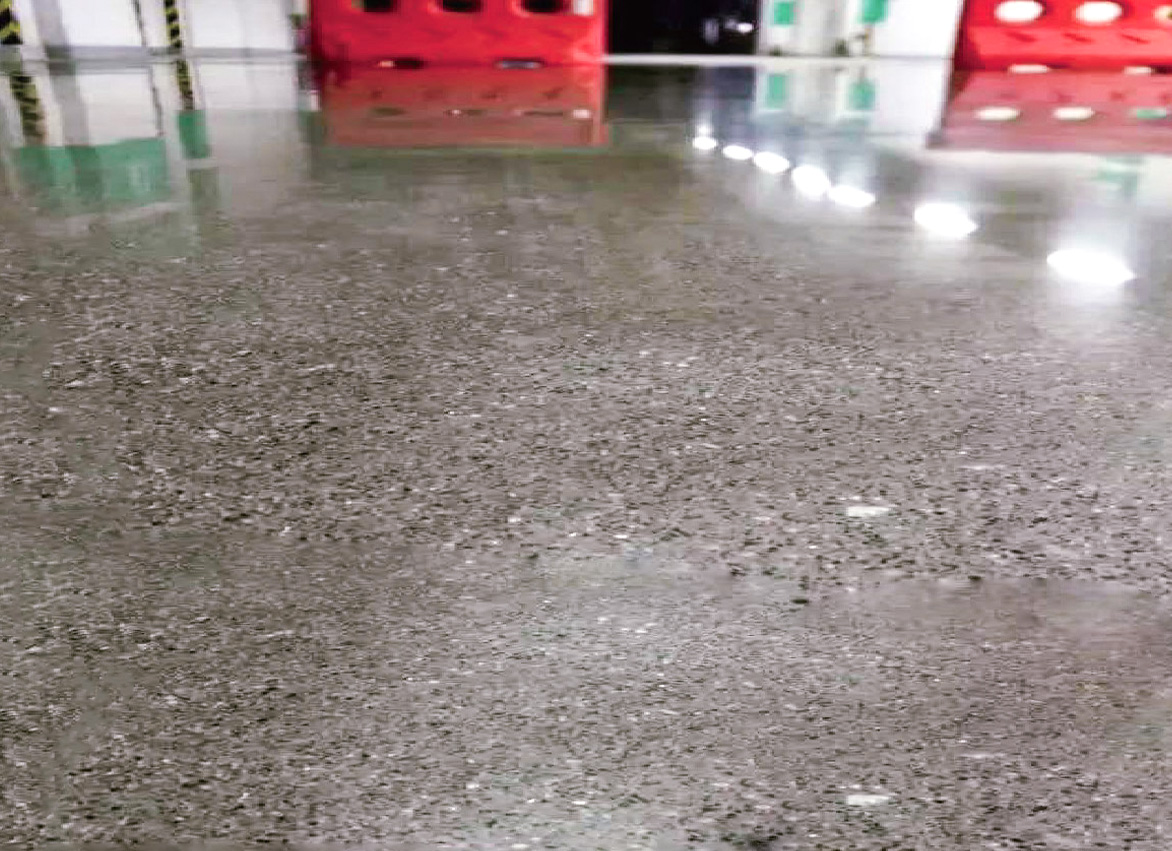
Using a polished concrete densifier has many benefits. It is important to apply it at the right time. When you use it during polishing, it makes your concrete stronger and better looking.
If you put a densifier on after the first grinding, it works well. This timing helps the densifier react with free calcium hydroxide in the concrete. This reaction makes the surface stronger. Experts say to apply densifiers after using 30-40 grit diamonds. This way, the densifier can fill the holes and get the floor ready for a shiny finish. If you skip this step or wait too long, the surface may be weaker and not polish well.
The benefits of using a densifier go beyond just strength. A polished concrete densifier makes the surface shinier and more reflective. It fills the holes, making a smooth surface for better polishing. This leads to a higher gloss level. Also, the added hardness stops tiny scratches that can make the polish look dull over time. Surfaces treated with a densifier keep their shine longer than untreated ones, which need more care.
Using a densifier can also save you money. Treated concrete surfaces can last 15-20 years. In contrast, untreated surfaces usually last only 5-10 years. This means you spend less on repairs and replacements. The money you spend on a polished concrete densifier is worth it in the end. It is a smart choice for homes and businesses.
What is Densification?
Densification is the process that improves concrete surfaces. When you use a densifier, a chemical reaction happens. This reaction changes calcium hydroxide into calcium silicate hydrate (CSH) gel. This change makes concrete stronger and tougher. By using a silicate densifier, you turn weak, porous material into a solid product that makes the concrete better.
Densification is very important for getting high-quality polished concrete surfaces. It fills tiny cracks and holes, making a hard and dense surface. This process not only makes the concrete last longer but also helps keep the shiny finish over time. A well-densified surface can prevent problems like dust and stains.
Here are some key benefits of densification:
Increases Surface Hardness: Densification makes the concrete stronger and more resistant to damage.
Enhances Gloss and Clarity: A denser surface gives a smoother finish, leading to better shine.
Reduces Dusting: Densified surfaces create fewer particles, which helps indoor air quality.
Creates a Less Porous Surface: This helps resist stains and makes cleaning easier.
By knowing what densification is, you can see how important it is for concrete treatment. It helps your polished surfaces stay beautiful and useful for many years.
Polished concrete densifiers are very important for improving concrete surfaces. They make the material stronger by filling small holes. This helps it last longer and resist wear. Here are some main benefits:
Strengthening: Densifiers make the concrete tougher and more durable.
Dust reduction: They cover the surface, which helps air quality.
Longevity: Using them correctly means lower repair costs.
Think about using densifiers for your concrete needs. They provide long-term benefits like less maintenance and better air quality. Places that use densifiers have floors that last longer and save money. Spending on densifiers helps you keep your surfaces looking good and strong for many years.
FAQ
When is the best time to use a densifier during concrete polishing?
You should use a densifier after the first grinding step. This timing helps the densifier work well with the concrete. It makes the concrete stronger and ready for a shiny finish.
How long does it take for a densifier to start working?
Densifiers can show results fast. For example, some can make concrete 32% harder in just 30 minutes. This makes them great for busy areas.
Can I put a densifier on old concrete surfaces?
Yes, you can use a densifier on old concrete surfaces. It makes them stronger and better looking. This helps them resist wear and stains.
How often should I apply a densifier again?
How often you need to apply a densifier depends on the type you use. Lithium densifiers usually need less frequent applications. Sodium or potassium densifiers may need to be applied more often.
Are densifiers safe for the environment?
Most densifiers are safe for the environment. They help reduce dust and improve indoor air quality. This makes them a good choice for homes and businesses.
See Also
Your 2025 Handbook for Selecting Top Concrete Densifiers
Complete Buying Guide for Densifiers, Hardeners, and Sealers
Understanding Concrete Densifiers, Hardeners, Sealers, and Their Functions
Exploring Concrete Densifiers: Their Purpose and Functionality
