


Dusty, deteriorating concrete floors frustrate you. Freeze-thaw cycles cause scaling, and de-icing salts lead to spalling and potholes. Many attempts to fix this with a .concrete hardener and dustproofer fail. Critical, overlooked application errors are the reason. The shocking truth: you can easily avoid these mistakes for long-lasting results. By using a quality solution like BANDě Concrete Floor Dust Sealer, which deeply penetrates the surface to form a dense, wear-resistant crystalline structure, you can prevent future damage. This blog exposes pitfalls, providing strategies for flawless application. You will extend concrete lifespan and prevent dust and sand.
Key Takeaways
Clean and dry your concrete thoroughly before applying any hardener or dustproofer to guarantee strong absorption.
Mix and apply the hardener accurately following product instructions to prevent patchy results and sticky surface residue.
Allow full curing time and rinse off leftover product to create a durable, long-lasting concrete floor.
Surface Prep Blunders: The Root of Failure
Inadequate Cleaning and Contaminants
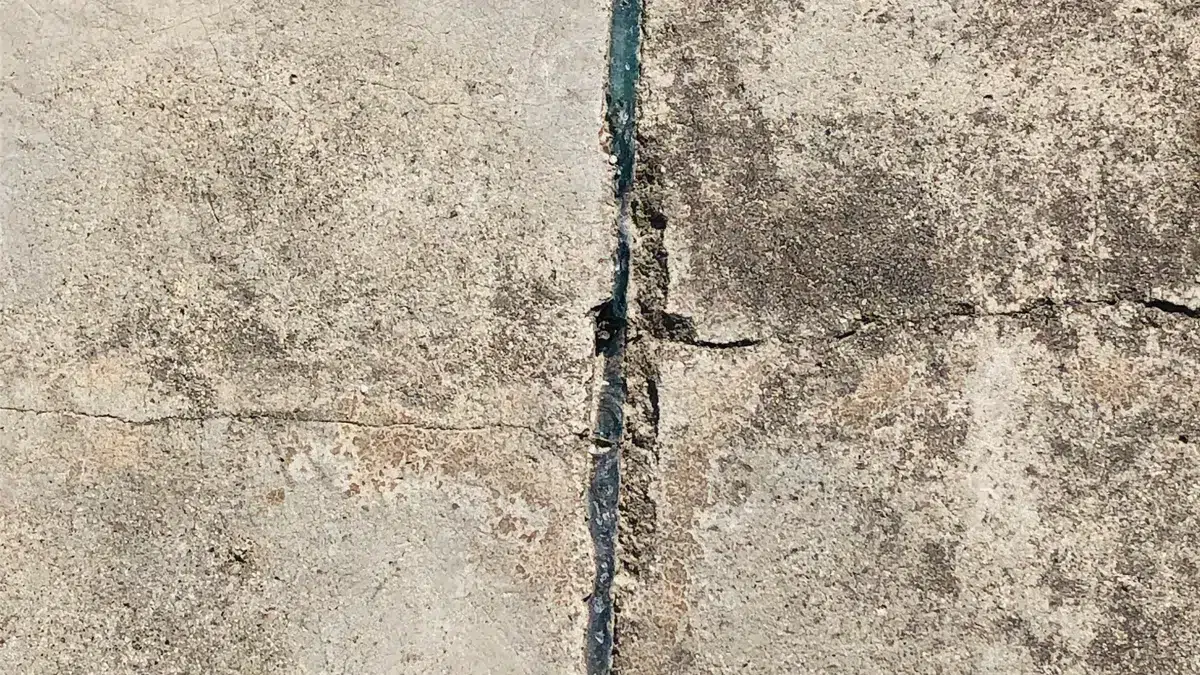
You must clean your concrete surface thoroughly. Dirt, grease, oil, and old coatings block the penetration of your .concrete hardener and dustproofer. These contaminants create a barrier. The product cannot reach the concrete’s pores. This leads to poor adhesion and ineffective treatment. Your efforts will fail if the surface is not pristine.
Ignoring Surface Porosity and Profile
Concrete surfaces are not all the same. Some are dense, others are porous. You need to understand your concrete’s porosity. A smooth, non-porous surface needs etching. This creates a profile for better product absorption. Ignoring this step means the hardener will sit on top. It will not penetrate deeply.
Applying to Wet or Damp Concrete
Never apply products to wet or damp concrete. Moisture prevents proper absorption. It dilutes the product. This weakens its effectiveness. The hardener cannot react correctly with the concrete. You will get a patchy, weak result. Always ensure the surface is completely dry.
Essential Cleaning and Etching Techniques
Start with a thorough sweep and vacuum. Use a degreaser for oil and grease stains. For old coatings, mechanical removal or chemical strippers work best. Acid etching opens up the concrete pores. This is crucial for dense surfaces. Always follow safety guidelines when using chemicals. Rinse the surface completely after cleaning or etching.
Ensuring Optimal Concrete Dryness
After cleaning, allow ample drying time. Use fans or dehumidifiers to speed up the process. A simple plastic sheet test can confirm dryness. Tape a 2×2 foot plastic sheet to the concrete. Leave it for 24 hours. If condensation forms underneath, the concrete is still too wet. Wait longer before application.
Critical Errors in Concrete Hardener and Dustproofer Application
You can make many mistakes during the actual application of your concrete treatment. These errors prevent the product from working as intended. You must pay close attention to every step.
Incorrect Product Selection
You must choose the right product for your specific concrete. A general .concrete hardener and dustproofer might not work for all conditions. For instance, BANDě Concrete Floor Dust Sealer uses nanomaterials and inorganic silicon. These components penetrate deeply. They create a dense, crystalline structure. This is ideal for existing floors with low strength. Selecting a product not suited for your concrete’s issues will lead to poor results.
Improper Mixing and Dilution
Mixing your product incorrectly will ruin its effectiveness. You must follow the manufacturer’s precise instructions. For example, some applications require specific hardener-to-cement ratios:
Application Type | Hardener Quantity | Cement Quantity | Additional Materials |
|---|---|---|---|
Priming / Slurry Coat | 1 Part Hardener | 2 Parts Portland Cement | N/A |
General Purpose Topping | 5 Liters | 28 kg Portland Cement | 83 kg Sifted River Sand |
Waterproof Renderings (Final Coat) | 14 Liters | 50 kg Cement | N/A |
Uneven Application and Coverage
Applying the product unevenly causes problems. Some areas will receive too much. Other spots will get too little. This leads to inconsistent hardening and dustproofing. You will see patchy results. The concrete will not have uniform protection.
Over or Under-Application
Applying too much product wastes material. It can also leave a sticky residue. This residue attracts dirt. Applying too little means the concrete does not get enough treatment. It will not achieve the desired hardness or dust resistance. You must find the right balance.
Understanding Product Specifications and Compatibility
You must read the product’s specifications carefully. Understand how it reacts with your concrete type. Some products are not compatible with certain additives or existing sealers. This knowledge prevents chemical reactions that could damage your floor.
Precise Mixing and Application Rates
Accuracy is key. Other products, especially two-part systems, demand exact dilution. You must prepare each component carefully. For example, follow these guidelines for a two-part system:
Component / Step | Dilution & Preparation Instructions | Mixing Ratio / Volume |
|---|---|---|
Part B (Hardener) Solution | Dissolve 1 bag (800 g) of Part B into clean water using a low-speed mixer | 0.8 kg Part B to 10 L water |
Accelerator Solution | Dilute Part A1 with water until the solution reaches a total volume of 1 liter | Variable Part A1 + water to make 1 L |
Resin & Hardener Combination | Blend the prepared resin solution and hardener solution thoroughly | 1:1 ratio by volume |
Standard 20L Mix Example | Mix 9.6 kg Part A with 1 L Accelerator solution (290 ml Part A1 + 710 ml water at 22 °C) and Part B solution | ~20 Liters total yield |
You must apply the .concrete hardener and dustproofer at the recommended rate. This ensures proper penetration and effectiveness.
Post-Application Pitfalls and Longevity
You can make mistakes even after applying your concrete treatment. These errors reduce the lifespan and effectiveness of your floor. Pay attention to post-application steps for lasting results.
Neglecting Curing Time and Conditions
You must not rush the curing process. Proper curing allows the product to fully react and harden. Environmental conditions play a big role. Follow standard concrete requirements for temperature and humidity. Ensure the base concrete does not exceed 3% air content. You cannot apply products if free surface water is present. Use only manufacturer-approved membrane curing compounds. For colored floors, avoid plastic sheeting, wet hessian, damp sand, or ponding. Never use salt or brackish water for curing.
Improper Rinsing and Residue Management
Leftover residue from the application process can cause problems. It can create a sticky film. This film attracts dirt and dust. It also prevents the full hardening of the surface. You must remove all excess product.
Lack of Follow-Up Maintenance
Your treated concrete floor still needs care. Neglecting maintenance shortens its lifespan. It can lead to early deterioration. You must protect your investment with regular upkeep.
Adhering to Curing and Drying Times
Always follow the manufacturer’s specific guidelines for curing and drying. These times ensure the product achieves its maximum strength. Rushing this stage compromises the treatment. It prevents the deep crystallization that makes your floor durable. A properly cured .concrete hardener and dustproofer provides long-term protection.
Effective Rinsing Strategies
Rinse the surface thoroughly after the recommended dwell time. Use clean water and a squeegee or wet vacuum. This removes any unreacted material. Continue rinsing until no slippery residue remains. This step is crucial for a clean, hard, and dust-free finish. Implement a routine quarterly care schedule. This helps you detect early signs of surface deterioration. It prevents expensive full resurfacing later.
Advanced Tips for Professional Concrete Hardening
Testing for Penetration and Effectiveness
You need to confirm your hardener works. Perform a simple water absorption test. Apply a few drops of water to the treated surface. The water should bead up or sit on top. It should not soak in quickly. You can also conduct a scratch test. Use a metal object to lightly scratch the surface. A properly hardened floor resists scratching much better. This shows deep penetration and effective crystallization.
Addressing Problematic Concrete Areas
Some concrete areas need special attention. Very porous concrete might require multiple applications. Apply thin coats until the surface no longer absorbs the product quickly. For areas with minor cracks, you can use a compatible crack filler before hardening. Ensure the filler cures completely. This creates a uniform surface for the hardener. Always address these issues before full application.
Combining Hardeners with Other Treatments
You can combine hardeners with other treatments for superior results. For example, after hardening, you might apply a protective sealer. This adds an extra layer of defense against stains and abrasion. Some floors benefit from polishing after hardening. This creates a high-gloss, durable finish. Always check product compatibility. Ensure each treatment works well with the others. This layered approach maximizes your floor’s lifespan and appearance.
Avoiding common mistakes, especially inadequate surface preparation and precise application, is crucial for durable, dust-free concrete. By implementing these tips, you ensure effective, long-lasting treatment. This reduces operating costs, extends your floor’s lifespan, and improves your environment. You gain lower maintenance and significant long-term financial savings.
FAQ
What does a concrete hardener do?
A concrete hardener strengthens your floor. It penetrates the surface. It creates a dense, wear-resistant layer. This process extends the concrete’s lifespan.
Why does my concrete floor get dusty?
Your concrete floor gets dusty from various factors. These include poor construction materials or high water-cement ratios. Insufficient grade or fine sand also contribute.
How often should I apply a concrete hardener?
You typically apply a concrete hardener once. Proper application ensures long-lasting results. Follow manufacturer guidelines for specific product recommendations. 💡 Regular maintenance helps preserve the treatment.
See Also
Everything You Should Know About BANDe Concrete Floor Hardeners
Understanding What Concrete Hardeners Are And How They Function
How To Choose The Ideal Concrete Floor Hardener In 2025
The Science Behind How Concrete Surface Hardeners Protect Your Floors
