

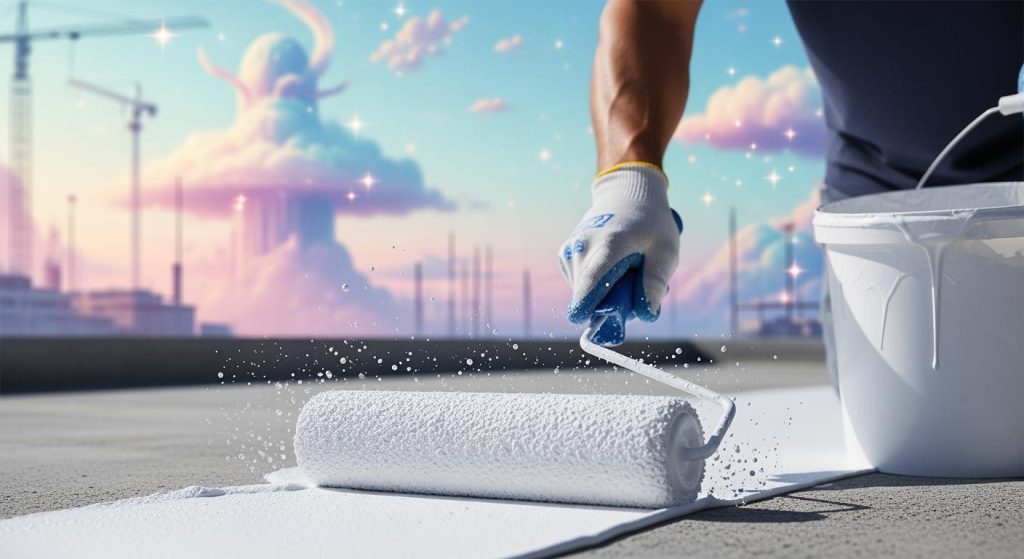
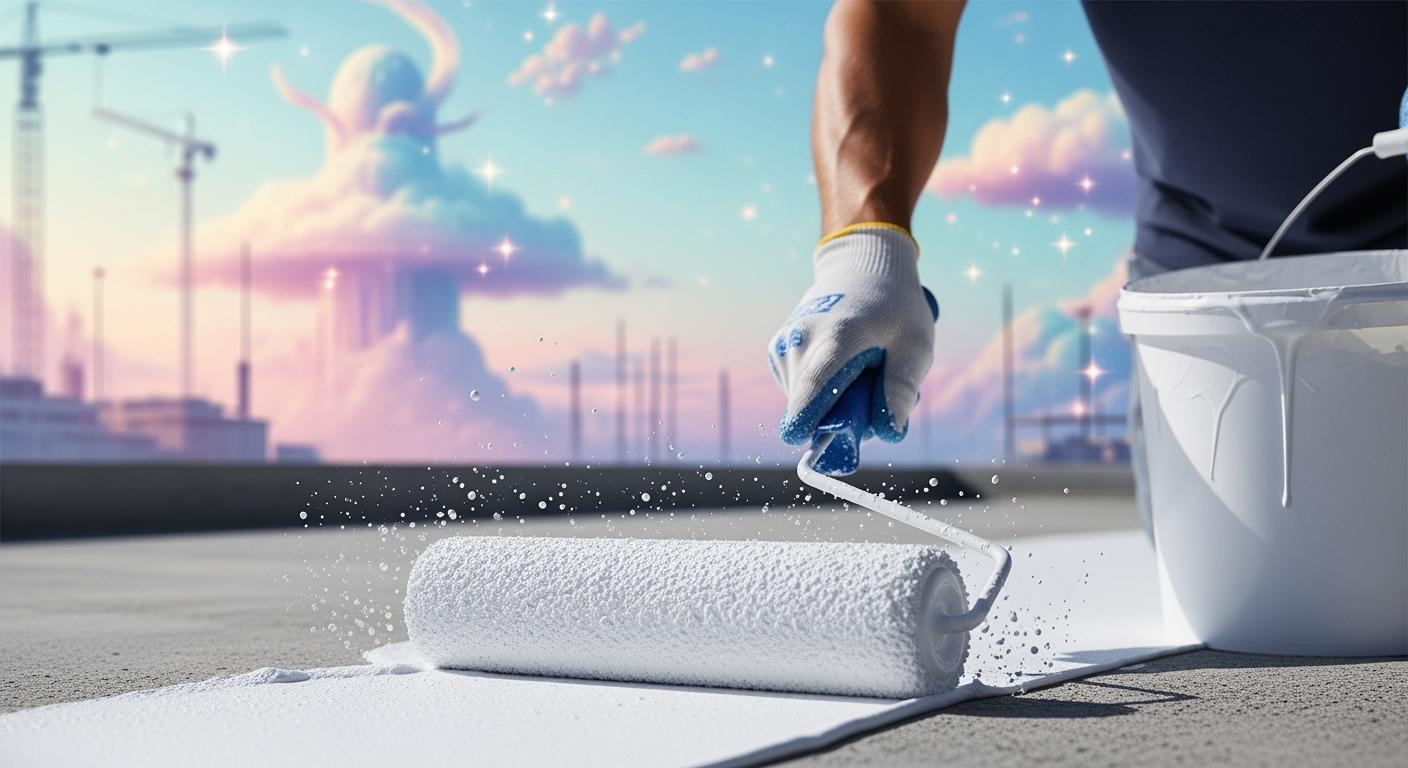
Elastomeric waterproofing coating serves as a protective layer for structures, preventing water damage. Its significance in modern construction grows as the global market is expected to reach US$ 27.3 billion by 2026, with an 8.1% CAGR. This growth stems from sustainability trends and the need for resilient infrastructure against climate instability.
Key Takeaways
Elastomeric waterproofing coatings provide excellent flexibility and durability, allowing them to stretch and adapt to building movements without cracking.
These coatings offer long lifespans of 10 to 20 years, requiring less maintenance than traditional waterproofing methods, which saves time and money.
Elastomeric coatings enhance energy efficiency by reflecting sunlight, reducing cooling costs, and contributing to eco-friendly building practices.
Features of Elastomeric Waterproofing Coating
Flexibility and Durability
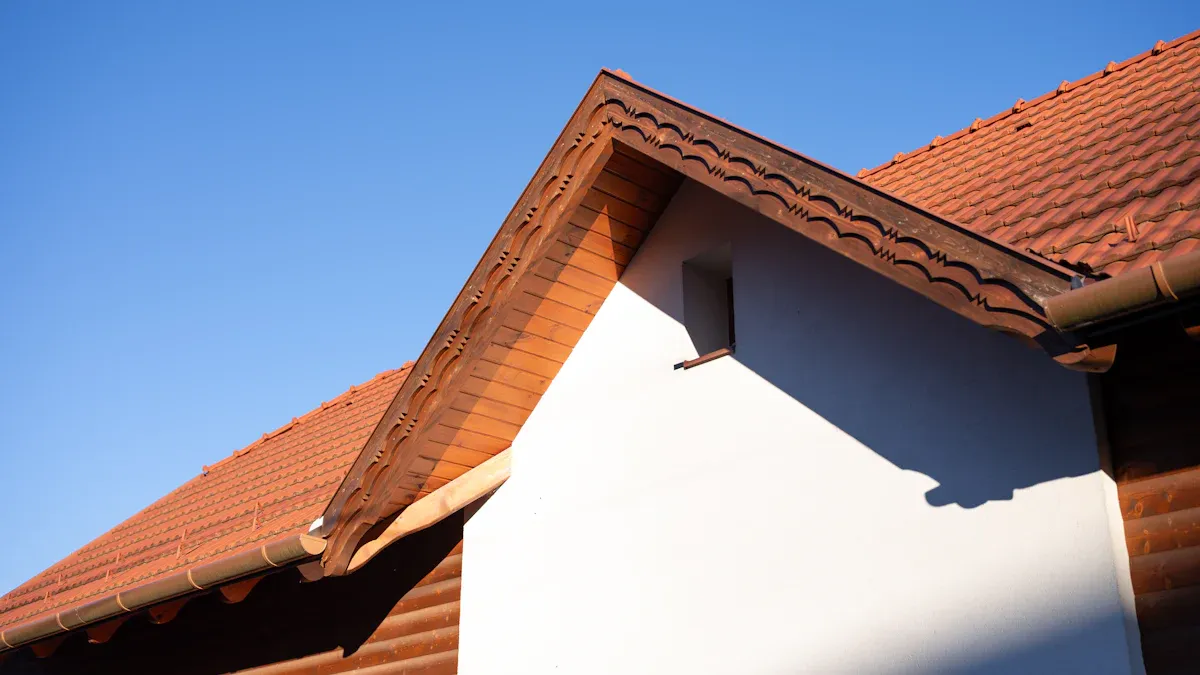
Elastomeric waterproofing coatings are known for their remarkable flexibility and durability. Unlike standard paints, these coatings can stretch significantly without losing their integrity. This flexibility allows them to accommodate the natural movement of building materials, which can expand and contract due to temperature changes.
The typical elongation percentage of elastomeric coatings ranges from 150% to 500%, depending on the specific formulation. This high elongation capacity enables the coating to bridge cracks effectively, preventing water intrusion. Below is a comparison of various membrane types and their elongation percentages:
Type of Membrane | Elongation Percentage | Application Areas |
|---|---|---|
EPDM Membrane | 300% to 500% | Green roofs, industrial sheds, PEB |
TPO Membrane | 250% to 300% | Cool roofs, terraces, sustainable designs |
Bituminous Membrane (APP/SBS) | 100% to 200% | Basements, non-exposed roofs |
Acrylic Waterproofing Coating | 150% to 250% | Sloped roofs, parapets, walls |
Cementitious Waterproofing | <10% | Water tanks, internal toilets |
Crystalline Waterproofing | Negligible | Basements, RCC tanks, raft slabs |
Why Elongation Matters:
Allows the membrane to bridge cracks
Prevents rupture due to thermal expansion or vibration
Supports movement at joints, transitions, and slab ends
In addition to flexibility, elastomeric coatings are also highly durable. They resist wear and tear from environmental factors, ensuring long-lasting protection for structures.
UV Resistance
UV resistance is another critical feature of elastomeric waterproofing coatings. These coatings act as a protective barrier against harmful ultraviolet rays. This protection helps prevent fading, cracking, and delamination, which can compromise the coating’s effectiveness over time.
Research indicates that elastomeric coatings can significantly reduce UV-induced material degradation. They limit thermal cycling stresses and provide an additional barrier against moisture intrusion. In warm climates, these coatings help lower roof surface temperatures, reducing heat transfer into buildings and decreasing cooling demand.
The advanced pigments and UV stabilizers used in elastomeric coatings ensure vibrant color retention, even under harsh sunlight. This means that structures maintain their aesthetic appeal while benefiting from enhanced long-term performance. The flexibility of these coatings allows them to adapt to temperature changes, preventing surface cracking and ensuring structural integrity.
Benefits of Elastomeric Waterproofing Coating
Long Lifespan
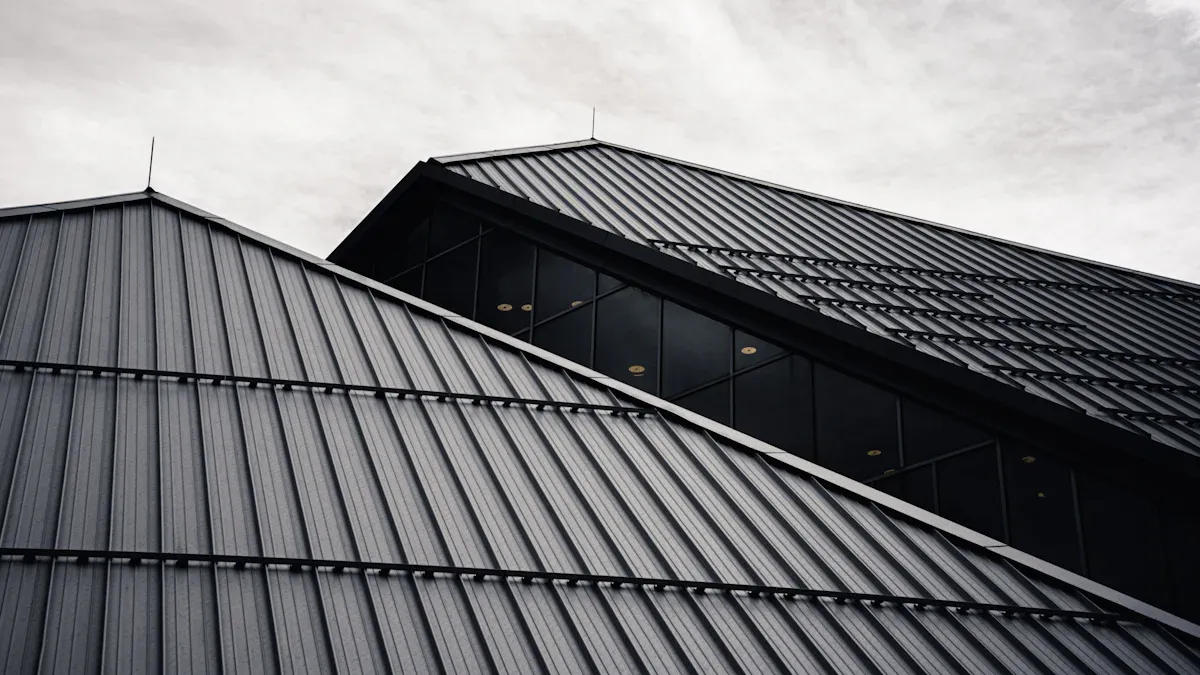
Elastomeric waterproofing coatings offer a long lifespan, typically ranging from 10 to 20 years. This durability is a significant advantage over many other waterproofing solutions. Regular maintenance can extend this lifespan even further.
Maintenance requirements for elastomeric coatings are generally less demanding compared to traditional methods. The following table outlines typical maintenance practices for elastomeric coatings versus other waterproofing solutions:
Maintenance Practice | Elastomeric Coatings | Other Waterproofing Solutions |
|---|---|---|
Periodic inspections | Yes | More frequent |
Minor repairs | Yes | Often required |
Routine cleaning | Yes | May require more effort |
Lifespan | 10–20 years | Varies |
This table highlights that elastomeric coatings require periodic inspections and minor repairs, but they do not need as much attention as other methods. This ease of maintenance contributes to their overall cost-effectiveness.
Cost-Effectiveness
Elastomeric waterproofing coatings are not only durable but also cost-effective. Their initial application may seem higher than traditional options, but the long-term savings are significant. Here are some reasons why elastomeric coatings are a wise investment:
Reduced Maintenance Costs: With fewer repairs and inspections needed, property owners save money over time.
Energy Efficiency: These coatings have reflective properties that help reduce heat absorption. This reduction lowers cooling loads in buildings, leading to decreased energy consumption and reduced greenhouse gas emissions.
Eco-Friendly Options: The demand for sustainable coatings is increasing. Water-based silicone elastomers have low volatile organic compound (VOC) emissions, making them more eco-friendly than solvent-based products. This trend aligns with stricter government regulations on VOCs.
Applications of Elastomeric Waterproofing Coating
Roofing Applications
Elastomeric waterproofing coatings are widely used in roofing applications. They provide excellent protection against water intrusion and UV damage. These coatings are compatible with various roofing materials, including:
Metal roofs (galvanized steel, aluminum)
Built-up roofing (BUR) systems
Modified bitumen roofs
Single-ply membranes (TPO, EPDM)
Concrete and masonry surfaces
Spray polyurethane foam (SPF)
These coatings enhance the lifespan of roofs while reducing maintenance costs. For instance, a commercial building that applied a cool roof coating experienced a 20% reduction in cooling costs. This application also extended the roof’s lifespan due to effective UV protection.
Other Surface Applications
Beyond roofing, elastomeric waterproofing coatings are versatile and suitable for various surfaces. They can be applied to basements, foundations, and even walls. Their flexibility allows them to adapt to different materials, ensuring a tight seal against moisture.
In residential properties, homeowners have used elastomeric coatings instead of full roof replacements. This approach led to lower indoor temperatures and significant energy savings. The adaptability of these coatings makes them an excellent choice for both new constructions and renovations.
Key Benefits:
Protects against water damage
Reduces energy costs
Extends the lifespan of surfaces
Elastomeric waterproofing coatings are essential for maintaining structural integrity and enhancing energy efficiency in various applications.
Comparison with Other Waterproofing Methods
Elastomeric vs. Traditional Methods
Elastomeric waterproofing coatings offer distinct advantages over traditional waterproofing methods. Traditional methods often involve rigid materials that can crack or degrade over time. In contrast, elastomeric coatings remain flexible, allowing them to adapt to structural movements. This flexibility helps prevent water intrusion, a common issue with older systems.
Advantages Over Membranes
Elastomeric coatings also outperform many membrane systems in several key areas:
Ease of Application: These coatings are liquid-applied, simplifying the installation process. No complex procedures are necessary, making them accessible for various projects.
Seamless Waterproofing: They create a continuous layer that effectively prevents water infiltration. This seamless application enhances waterproofing compared to traditional systems.
Crack Bridging: Elastomeric coatings can bridge small cracks and gaps. This capability reduces the need for immediate repairs and extends the lifespan of the roof.
Durability: Designed to withstand extreme weather and temperature changes, elastomeric coatings maintain their integrity over time. Some membrane systems may degrade under similar conditions.
Energy Efficiency: These coatings reflect sunlight, contributing to lower cooling costs. This energy efficiency is an added advantage over many membrane systems.
Elastomeric waterproofing coating plays a vital role in protecting structures from water damage. Its benefits include:
Enhancing building lifespan
Excellent resistance to temperature fluctuations, UV radiation, and moisture
High elasticity that accommodates structural movements
Consider applying elastomeric coatings in your projects for long-lasting protection.
FAQ
What is elastomeric waterproofing coating?
Elastomeric waterproofing coating is a flexible, durable layer that protects structures from water damage and UV rays.
How long does elastomeric waterproofing last?
Typically, elastomeric waterproofing coatings last between 10 to 20 years, depending on maintenance and environmental conditions.
Can elastomeric coatings be applied in cold weather?
Yes, elastomeric coatings can be applied in cold weather, but ensure temperatures meet the manufacturer’s recommendations for optimal adhesion.
