


Choosing the right concrete coating Australia matters, especially in this region. You face unique challenges like intense UV exposure and heavy rainfall. The right coating can enhance durability and effectiveness, ensuring your surfaces withstand harsh conditions. Alternatives to epoxy, like polyurethane and polyaspartic coatings, offer impressive performance, cost-effectiveness, and straightforward application processes.
Key Takeaways
Polyurethane coatings offer excellent UV resistance and waterproofing, making them ideal for outdoor surfaces in Australia.
Polyaspartic coatings provide quick installation and outstanding durability, perfect for high-traffic areas like garage floors.
Consider options like polished concrete or epoxy for garage floors, as they offer long-lasting performance and low maintenance.
Polyurethane Coatings
Polyurethane Benefits
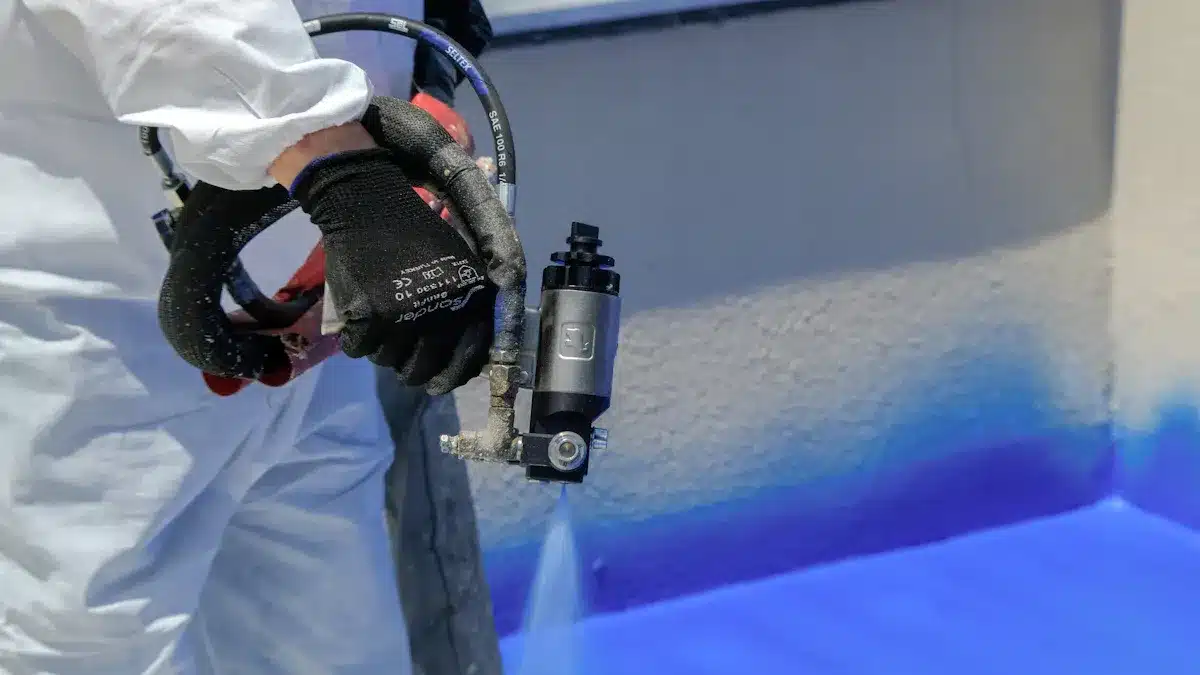
Polyurethane coatings stand out for their impressive durability and versatility. One of the key benefits is their UV resistance, which helps prevent fading and cracking caused by intense Australian sunlight. This makes them ideal for outdoor applications, such as patios and driveways. Additionally, polyurethane coatings excel in high-temperature environments. They can withstand thermal shock, making them suitable for facilities that experience extreme temperature variations. You can rely on them during hot washdowns and steam cleaning without worrying about damage.
Another significant advantage is their waterproofing capabilities. Polyurethane coatings protect concrete structures from water infiltration, ensuring long-lasting performance even in harsh weather conditions. They are specifically designed to resist abrasion, impact, and chemicals, making them perfect for outdoor settings like retaining walls and tunnels.
Polyurethane Drawbacks
While polyurethane coatings offer many benefits, they do come with some drawbacks. The initial cost can be higher compared to other options like epoxy. However, considering their longevity—lasting between 10 to 20 years—they often prove to be more cost-effective in the long run.
Moreover, the application process requires careful attention. You need to ensure proper surface preparation and follow specific guidelines to achieve the best results. If you skip these steps, you might not get the desired finish or durability.
Polyaspartic Coatings
Polyaspartic Benefits
Polyaspartic coatings offer remarkable durability and excellent colour retention over time. You’ll find these coatings particularly suitable for high-traffic areas, such as garage floors. They withstand heavy foot traffic and the movement of equipment without showing signs of wear. In fact, a commercial kitchen that operates almost around the clock used a polyaspartic top coat over an epoxy base. This flooring held up against moisture, chemicals, and temperature changes, proving its resilience.
When it comes to colour stability, polyaspartic coatings shine. They maintain their vibrant hues without fading, making them ideal for both indoor and outdoor applications. Here’s a quick look at their colour retention features:
Feature | Description |
|---|---|
Colour Stability | Will not change colour |
Colour and Gloss Retention | Outstanding retention for both indoor and outdoor applications |
Polyaspartic Drawbacks
While polyaspartic coatings have many advantages, they do require careful application. To achieve the best results, follow these steps for your garage floor coating:
Surface Preparation: Mechanically diamond-grind the concrete to ensure proper adhesion.
Crack Repairs: Fix any cracks or weak areas to achieve a smooth finish.
Basecoat Application: Apply the polyaspartic coating for protection against stains and moisture.
Topcoat Application: Finish with a UV-stable layer to prevent fading and breakdown.
Slip Resistance Options: Adjust the finish for better grip or easier cleaning based on usage.
Although the installation process is quicker than epoxy, which can take several days, you still need to pay attention to detail. Polyaspartic coatings can be installed in just one day, allowing you to use the area the next day. This speed is a significant advantage if you want to minimise downtime.
Garage Floor Coating Options
When it comes to choosing the right garage floor coating options, you have several choices that balance cost and performance. Here are some popular options currently used in Australia:
Polished Concrete: This option is durable, environmentally friendly, and long-lasting. It requires minimal maintenance and offers a sleek finish.
Sealed Concrete: A low-cost alternative that provides durability and a timeless aesthetic. It’s easy to clean and maintain.
Epoxy Flooring: Known for its strength and versatility, epoxy is ideal for high-traffic areas. It resists spills, stains, and chemicals, making it a smart choice for garages.
Paint: A quick refresh option with a wide range of colours. However, it’s less durable than other coatings and may require more frequent touch-ups.
Tiles: These are great for covering stained concrete with minimal fuss, offering a variety of designs.
Cost-Effective Alternatives
If you’re on a budget, consider sealed concrete or garage floor paint. While paint may seem cheaper initially, it lacks the durability of epoxy or polished concrete. Investing in a high-quality epoxy floor coating ensures you get a long-lasting garage floor that withstands heavy vehicle use.
Maintenance and Durability
Maintenance varies across different garage floor coating materials. Here’s a quick comparison:
Coating Material | Installation Time | Foot Traffic | Vehicle Traffic | Full Use | Recoating Interval |
|---|---|---|---|---|---|
Epoxy | 2-3 days | 24 hours | 3-5 days | 7 days | |
Polished Concrete | Immediate | Immediate | Immediate | N/A | Permanent with resealing |
Sealed Concrete | 1 day | 4-6 hours | 24 hours | N/A | 3-5 years |
Epoxy systems require a full week for installation and curing, while polished concrete allows immediate access. Choosing the right coating can save you time and money in the long run, ensuring your garage floor remains functional and attractive for years to come.
Choosing the right concrete coating is essential for your needs, especially in Australia. Polyurethane and polyaspartic coatings offer excellent durability and UV resistance, making them ideal for outdoor applications. For garage floor coating, consider options like polished concrete or epoxy for their longevity and low maintenance. Remember to assess factors like safety compliance and environmental conditions when making your choice.
FAQ
What is the best coating for outdoor concrete?
For outdoor concrete, polyurethane coatings work well due to their UV resistance and waterproofing features. They protect your surfaces from fading and cracking.
How long do concrete coatings last?
Most concrete coatings, like epoxy and polyurethane, can last between 10 to 20 years with proper maintenance. This longevity makes them a worthwhile investment for your floors.
Can I apply a concrete coating myself?
Yes, you can apply a concrete coating yourself. Just ensure you follow the manufacturer’s instructions for surface preparation and application to achieve the best results.
See Also
Enhance Your Surfaces With Top Concrete Sealers For 2025
Discovering The Ideal Concrete Sealer For Your Requirements
Selecting The Finest Concrete Floor Hardeners For Industry Use
A Comprehensive Guide To Selecting Concrete Protective Sealers
BANDě Concrete Sealers: Your Complete Guide For 2025 Selection
