


Painting the facade decorative coating requires careful attention to detail. Mistakes can lead to unsightly results and increased costs. You must employ proper techniques to achieve a professional finish. A well-executed facade decorative coating project enhances your home’s curb appeal and protects it from the elements, ensuring longevity.
Key Takeaways
Clean your facade thoroughly before painting. This ensures better paint adhesion and a longer-lasting finish.
Choose high-quality paint and tools. Quality materials enhance durability and improve the overall appearance of your facade.
Pay attention to weather conditions. Ideal temperatures and humidity levels are crucial for a successful paint job.
Surface Preparation Tips
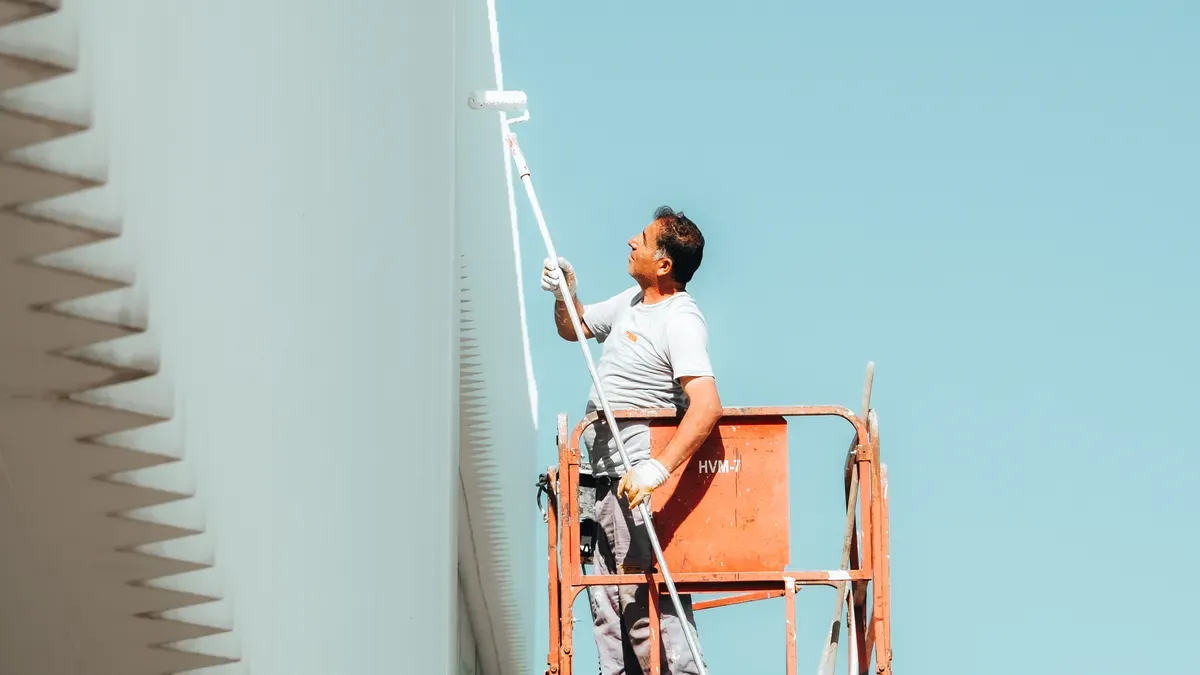
Cleaning the Facade
Before you start painting, cleaning your facade is crucial. A clean surface ensures that the paint adheres properly and lasts longer. You should consider the following common contaminants that often accumulate on building facades:
Arsenic
Calcium
Carbon
Oxygen
Silicon
Aluminum
These contaminants can affect the quality of your facade decorative coating. To effectively clean your facade, experts recommend several methods:
Power washing is essential for removing dirt and grime from surfaces, ensuring a smooth painting canvas.
It effectively tackles mold and mildew, preventing future growth and health hazards.
A clean surface enhances paint adhesion, increasing the longevity of the paint job.
Proper surface prep, including cleaning and sanding, ensures durable paintwork.
Repairing Damages
After cleaning, you must address any damages on your facade. Cracks and holes can lead to moisture infiltration and paint failure. Use the right materials for effective repairs. Here’s a table of recommended repair materials:
Repair Material | Purpose |
|---|---|
Plastering | Used for covering larger areas and smoothing surfaces. |
Crack sealing | Specifically designed to fill and seal cracks. |
Puttying | Used for filling small holes and imperfections. |
Restoring decorative plasters | Helps in maintaining aesthetic features of the facade. |
Taking the time to repair damages not only improves the appearance of your facade but also extends the lifespan of your facade colour. By ensuring that your surface is well-prepared, you set the stage for a successful facade painting project.
Choosing the Right Tools for Facade Paint
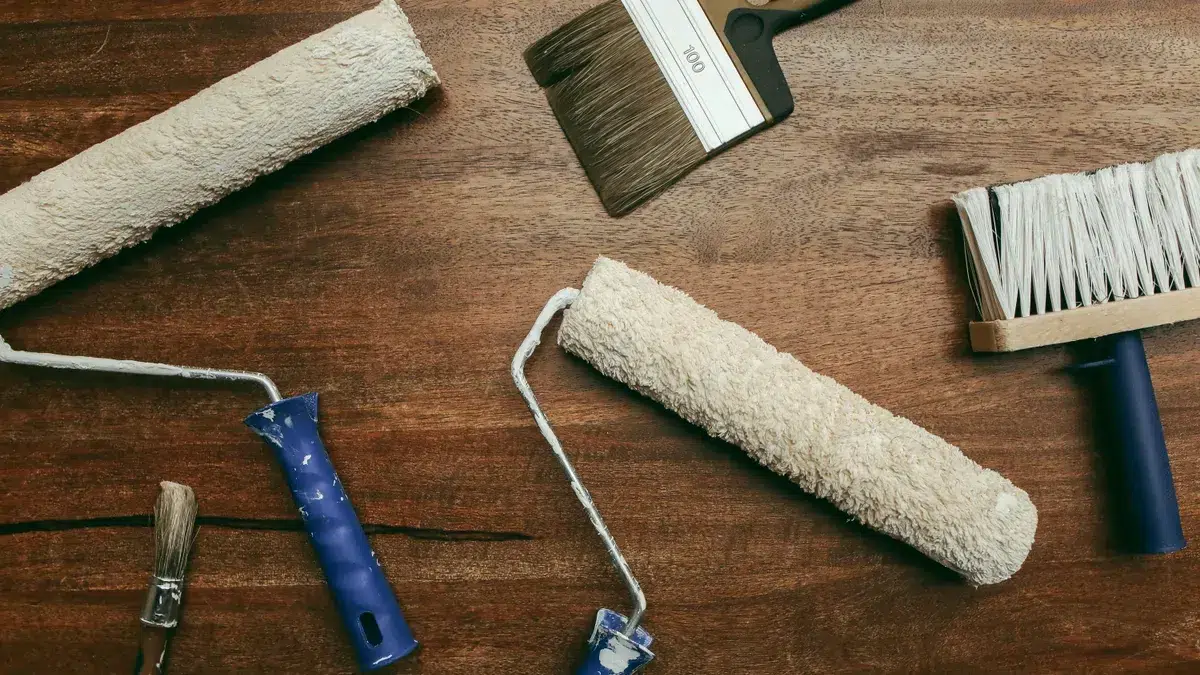
Selecting Brushes and Rollers
Choosing the right brushes and rollers is essential for achieving a flawless finish when applying facade paint. High-quality brushes ensure smooth finishes and precise edges. Consider these key features when selecting your tools:
Brush Types: Use flat brushes for broad strokes and angled brushes for corners and detailed work.
Bristle Material: Synthetic bristles work best with water-based paints, while natural bristles are ideal for oil-based paints.
Roller Options: Paint rollers provide even coverage and speed up the painting process. Select various sizes and types to suit different surfaces.
Paint Trays: Use trays with built-in grids to manage excess paint and prevent drips.
Using the right tools not only enhances the quality of your work but also improves efficiency. The choice of painting tools directly impacts the method of application and the durability of the paint.
Importance of Quality Paint
Investing in high-quality paint is crucial for the longevity of your facade. Quality paint offers several measurable benefits:
It protects against moisture intrusion, which causes 90% of non-structural building issues.
Reflective coatings can lower surface temperatures by up to 100°F, reducing cooling energy demands by as much as 50%.
Elastomeric paints create a waterproof membrane, preventing moisture from penetrating the building structure.
Additionally, high-quality paint serves as a protective barrier, prolonging the facade’s lifespan and reducing the need for frequent repainting. In contrast, low-quality paint leads to early failure, resulting in increased maintenance costs over time. Prioritize quality to minimize long-term upkeep expenses.
Weather Conditions for Painting the Facade
Ideal Temperature and Humidity
When you plan on painting the facade, pay close attention to the weather conditions. The right temperature and humidity levels significantly impact the quality of your paint job. Paint manufacturers recommend specific ranges for optimal results:
Parameter | Minimum | Ideal | Maximum |
|---|---|---|---|
Air temperature (latex) | 50°F | 60 to 80°F | 85°F |
Air temperature (oil-based) | 45°F | 55 to 80°F | 90°F |
Surface temperature | 50°F | 60 to 90°F | 95°F |
Relative humidity | 40% | 50 to 60% | 70% |
Humidity levels above 70% can significantly affect drying time and the overall quality of your paint application. For example, when humidity reaches 70 to 80%, drying time can increase by 30 to 50%. This can lead to issues like uneven sheen and surfactant leaching. If humidity exceeds 85%, painting becomes non-conforming, risking blistering and peeling.
Best Times to Paint
Timing your painting project is just as crucial as the weather conditions. Adverse weather can prolong drying times and affect the curing process. Here are some tips to consider:
Avoid painting during direct sunlight, as it can cause the paint to dry too quickly, leading to cracks.
Strong winds can carry dust and debris onto wet paint, ruining the finish.
High humidity can create a sticky environment, making it difficult for paint to adhere properly.
To achieve the best results, aim to paint during mild weather conditions. Early morning or late afternoon often provides the ideal temperatures and lower humidity levels. This timing allows the paint to dry evenly and adhere properly, ensuring a long-lasting finish.
By considering these weather conditions and timing your project wisely, you can avoid common pitfalls associated with painting the facade.
Primer Application Advice
Benefits of Using Primer
Using primer before painting your facade offers several advantages. Primers strengthen the surface of the base, enhancing the durability of the underlying material. They also increase adhesion to the substrate, ensuring a strong bond between the paint and the surface. Here’s a summary of key benefits:
Property | Description |
|---|---|
Enhances the durability of the underlying material. | |
Increases adhesion to the substrate | Improves the bond between the paint and the surface. |
Reduces absorbency of the base | Minimizes the amount of paint absorbed, leading to better coverage. |
High penetrating ability | Allows the primer to deeply penetrate the surface for better results. |
Maintains vapor permeability | Ensures that moisture can escape, preventing damage to the surface. |
Environmentally safe | Safe for use without harmful chemicals. |
Primers also improve the elasticity of surfaces, protect against cracks, and significantly increase the operational life of finishing materials. These factors are crucial for maintaining the integrity and appearance of your facade paint.
When to Apply Primer
You should apply primer in specific situations to ensure optimal results. Consider the following scenarios:
Situation | Reason for Priming |
|---|---|
New drywall or bare wood | Highly absorbent materials that require sealing. |
Over dark or bold colors | Prevents old color from bleeding through. |
After repairs | Avoids flash-through of spackled or patched areas. |
Water or smoke stains | Critical to block stains and prevent bleed-through. |
Glossy surfaces | Requires bonding primer for better adhesion. |
Exterior surfaces | Protects against moisture, UV rays, and peeling. |
Neglecting primer can lead to inadequate adhesion, resulting in quick detachment and visual defects like cracks or peeling. Therefore, always consider these factors when planning your facade painting project.
Avoiding common mistakes in facade painting is crucial for achieving a professional finish. Key errors include painting in direct sunlight and neglecting surface preparation. Remember, careful planning enhances your project’s success. As seen in healthcare environments, thoughtful organization minimizes disruptions and ensures quality results.
FAQ
What is the best time of year to paint my facade?
Spring and fall offer ideal weather conditions for painting facades. Mild temperatures and lower humidity levels help achieve the best results.
How often should I consider repainting the facades?
You should repaint your facades every 5 to 10 years, depending on wear and environmental factors. Regular inspections can help determine the right timing.
Can I paint over old paint without priming?
You can paint over old paint, but priming ensures better adhesion and prevents issues like peeling. Always assess the condition of the existing paint first.
See Also
Selecting The Ideal BANDě Exterior Paint For Your Home In 2025
BANDě’s Comprehensive 2025 Guide To Selecting Concrete Masonry Primer
What Is The Recommended Wait Time Between Paint Coats?
Transforming Dull Concrete Floors Into Dazzling Polished Surfaces
The Definitive Guide To Cement Crack Sealers For Durable Repairs
