

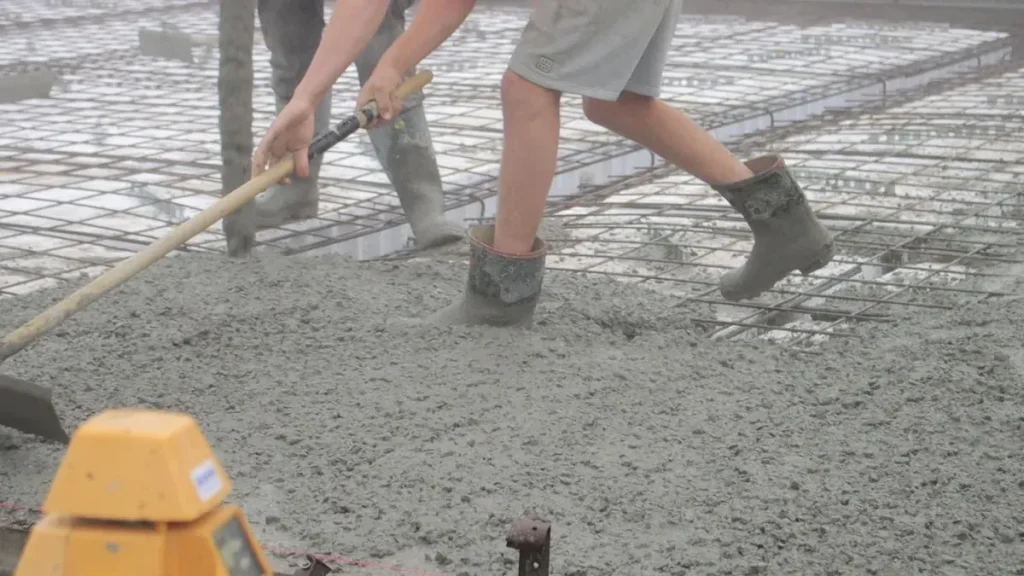
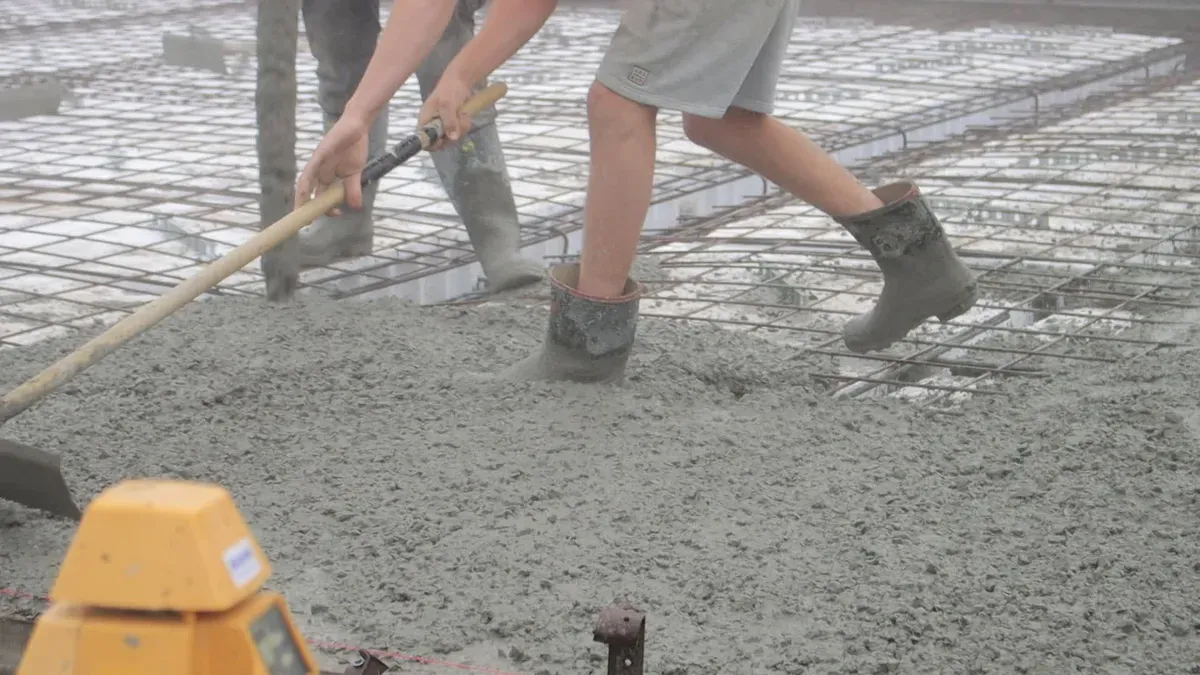
Curing is essential in concrete projects as it helps your concrete become strong and last longer. Utilizing a concrete floor curing agent for tight construction schedules allows for a fast cure, making the process more efficient. Curing agents enhance performance and provide even coverage, making them ideal for both professionals and DIY enthusiasts.
Key Takeaways
Use curing agents right after you finish the concrete. This helps keep moisture and makes it stronger.
Clean the surface first. Make sure it is wet for better bonding with the curing agent.
Watch the temperature carefully while curing. This stops cracks and helps the strength grow well.
Types of Curing Agents
Liquid Curing Agents
Liquid curing agents are popular because they are easy to use and work well. They create a protective layer on the concrete surface. This layer helps keep moisture during curing. Keeping moisture is very important for strength and durability. Here are some benefits of using liquid curing agents:
Uniform Coverage: They cover evenly, which helps prevent curling and cracking.
Long-Lasting Protection: These agents reduce maintenance costs by giving permanent protection.
Environmentally Friendly: Many liquid curing agents, like the BANDě curing agent, have zero VOC content. This makes them safe for the environment.
The BANDě curing agent works well for low-strength floors that need quick treatment. It improves bonding and stabilizes the surface. This makes it great for places like shopping malls and warehouses.
Accelerating Agents
Accelerating agents are chemicals that speed up the curing process. They make the setting time shorter and improve early strength. This is very helpful in cold weather. Here’s how they work:
Faster Hydration: They help cement hydrate, so concrete sets quickly.
Quick Turnaround: They are perfect for projects that need fast formwork removal, like road repairs or precast parts.
Common types of accelerators include calcium chloride and organic compounds. By adding just 0.5% to 2% of a chloride-based accelerator, you can greatly increase concrete strength in one day. This is especially useful for winter construction. It helps stop freezing and ensures quality.
Type of Curing Agent | Chemical Composition |
|---|---|
30% monoethanolamine, 13% phenylimidazole, 27% 2-amino-2-methyl-1-propanol | |
Liquid Membrane-Forming Compounds | N/A |
Water-Based Curing Compounds | N/A |
Using the right curing agent can really help your concrete projects. Choose wisely to get the best results!
Application Tips for Fast Cure
Timing of Application
Timing is very important when using a concrete floor curing agent. You should apply the curing agent right after the concrete sets but before it dries out. This helps keep moisture, which is needed for curing. Here are some tips to remember:
Apply Immediately: Try to use the curing agent within 30 minutes after finishing the concrete surface. This makes it work better.
Avoid Direct Sunlight: If you can, keep the concrete out of direct sunlight while applying. Sunlight can cause uneven drying and cracks.
Consider Weather Conditions: Windy days can dry the surface too fast. If it’s windy, apply the curing agent in the early morning or late afternoon when it’s calmer.
By following these timing tips, you can greatly improve your concrete curing time and the quality of your project.
Surface Preparation
Getting the surface ready is very important for fast cure concrete curing agents. A good surface helps the curing compounds stick and work well. Here’s how to prepare your surface:
Clean the Surface: Get rid of any dust, dirt, or debris. These can stop the curing agent from bonding.
Check for Moisture: Make sure the concrete surface is damp but not puddled. This moisture helps the curing agent soak in better.
Create a Textured Surface: If the surface is too smooth, think about lightly grinding it. A textured surface helps the curing agent stick better.
Skipping these steps can cause problems even with the best coatings. By taking time to prepare your surface, you help ensure a successful curing process.
Remember, applying curing compounds evenly helps keep a consistent surface color and finish across large areas. This attention to detail can really improve the final look of your project.
By following these application tips, you can make the most of your concrete floor curing agent and ensure a fast cure that meets your project deadlines.
Ideal Concrete Curing Temperature
Effects of Temperature
Keeping the right temperature during curing is very important. It helps your concrete become strong and last long. The best concrete curing temperature is usually between 50°F and 90°F. Here’s why temperature matters:
Hydration Process: When it’s colder than 41°F, hydration slows down a lot. This means the concrete gets weak and has more holes.
Strength Development: If it’s hotter than 86°F, hydration happens fast. But this can make the concrete weak later. High heat can dry the surface too quickly, causing cracks.
Optimal Range: For the best results, aim for 50°F to 70°F. This helps the concrete hydrate well and become strong.
Effect on Hydration | Effect on Strength | Effect on Porosity | |
|---|---|---|---|
Below 41°F | Slow hydration | Weak concrete | More holes |
50°F – 70°F | Good hydration | Strong concrete | Balanced holes |
Above 86°F | Fast hydration | Cracks risk | More holes |
Thermal Curing Methods
To keep the best concrete curing temperatures, use some good thermal curing methods. Here are some ideas:
Monitor Temperature: Watch the concrete temperature closely. This helps stop cracks and weak spots.
Pre-Cooling Materials: Use cold water or ice when it’s hot. This keeps the concrete above 50°F, which is needed for strength.
Insulation: In cold weather, cover the concrete to keep it warm. Use blankets or heated covers to keep it warm.
Schedule Wisely: Pour concrete when it’s cooler outside. This helps control temperature and stops fast drying.
By using these thermal curing methods, you can make sure the concrete cures at the right temperature. This makes it strong and improves the quality of your concrete project.
Environmental Considerations
Weather Effects
Weather is very important for how well your concrete cures. Things like humidity, wind, and temperature can change the curing process a lot. Here are some important points to remember:
Start Curing Quickly: Begin curing right after finishing the concrete. This helps keep moisture.
Use Curing Compounds: Apply curing compounds or use water to keep the surface wet.
Shade and Windbreaks: Set up shade or windbreaks to protect your concrete from sunlight and strong winds.
In hot weather, concrete may get strong quickly at first. But high temperatures can lower its strength later. Fast drying can cause cracks before the concrete sets. Cold weather is risky too, as freezing can happen before hydration is done.
Indoor vs. Outdoor Curing
Curing needs are different for indoor and outdoor places. Here’s a quick comparison:
Condition | Indoor Curing Challenges | Outdoor Curing Challenges |
|---|---|---|
Hot Weather | Less evaporation risk, but still needs moisture | Fast moisture loss can cause cracks and shrinkage |
Cold Weather | Controlled space lowers freezing risk | Risk of freezing before hydration is done |
Curing Time | Usually steady, but depends on mix type | Changes a lot with weather conditions |
Temperature Control | Easier to keep steady | Needs constant checking to avoid problems |
By knowing these weather factors, you can help your concrete cure well. This leads to a stronger and longer-lasting finish.
Common Mistakes to Avoid
Over-Application
One mistake you might make is using too much curing agent. If you apply too much, it can cause problems. For example, the surface may bubble or turn white. This happens because the product traps moisture, which weakens the bond. To avoid this, always follow the coverage rate from the manufacturer. Apply it during cooler times of the day to prevent these issues. If you see bubbling, do a solvent wash and let it dry. Don’t reapply in this situation.
Here’s a quick table showing some problems caused by over-application:
Issue | Cause | Prevention |
|---|---|---|
Applied too heavily or in hot weather/direct sun. | Follow recommended coverage rate; apply during cooler parts of the day. | |
SOLVENT BASED CURE & SEAL TURNED WHITE | Too many coats caused moisture to lose adhesion. | Do not re-seal until previous coats have worn away. |
CURE & SEAL IS PEELING OR FLAKING OFF | Not prepared properly or applied too heavily. | Follow preparation methods and coverage rates. |
Ignoring Instructions
Another mistake is not following the manufacturer’s instructions. Skipping these steps can lead to not keeping enough moisture. This can cause improper curing, which weakens the concrete. Always read the instructions carefully. They give important information on how to apply and what conditions to consider.
Here are some tips to help you avoid these mistakes:
Protect concrete from evaporation until the shine disappears, then apply the curing compound.
If you need to apply before the shine disappears, do it in two stages for better results.
Think about temperature and humidity to ensure even curing.
By avoiding these common mistakes, you can cure concrete properly and improve your project’s quality.
Using curing agents can really speed up your concrete projects. They help maintain moisture, improve strength, and reduce cracks. Remember to apply them at the right time and prepare your surface well. With the right approach, you’ll achieve a durable finish that stands the test of time! 🚀
FAQ
What is the best temperature for curing concrete?
The best temperature for curing concrete is between 50°F and 70°F. This range helps the concrete hydrate well, making it strong and long-lasting.
How does temperature affect the curing process?
Temperature is very important in curing. If it’s too cold, hydration slows down a lot. If it’s too hot, the surface might dry too fast, causing cracks.
Can I cure concrete in extreme temperatures?
Yes, but you must be careful. In cold weather, use insulation to keep it warm. In hot weather, use cooling methods to keep the temperature just right.
See Also
Top 5 Simple Tips for Concrete Floor Hardening in 2025
A Comprehensive 2025 Guide to Choosing Concrete Floor Hardeners
Understanding BANDě Concrete Floor Hardeners: Essential Information
BANDě’s Comprehensive 2025 Guide to Concrete Bonding Agents
Selecting the Best: Five Leading Concrete Floor Hardeners for Professionals
