

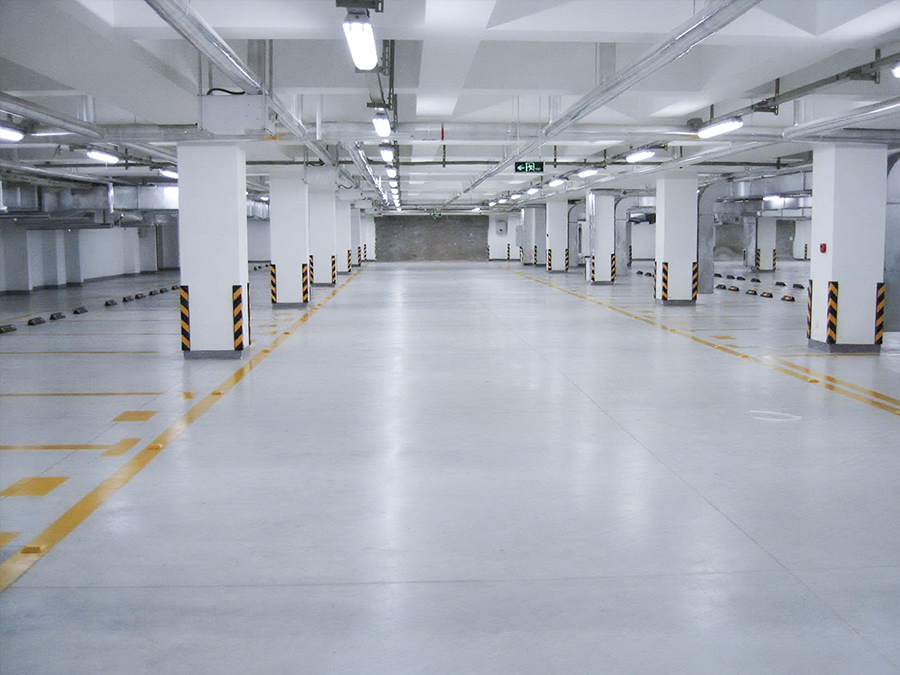
Concrete curing agents are very important for getting fast and good results in building projects. When used the right way, they provide many benefits, such as:
Better surface hardness and resistance to wear.
Less shrinkage and cracking.
More durability and water resistance.
Using a concrete curing agent helps your concrete surfaces fight against weather and chemicals. It also helps it stick better to steel, which reduces dust and scaling on the surface. To maximize these benefits, refer to our guide on how to use a concrete curing agent step by step. This will help you stop early cracking and ensure your structures last longer.
Key Takeaways
Begin curing concrete right after you finish. This helps stop cracks and makes it strong.
Pick the right curing agent, like BANDě, for fast results in weak concrete.
Get the surface ready by cleaning and wetting it before using the curing agent.
Watch the weather, like temperature and humidity, to help curing work better.
Use good methods, like spraying or rolling, to cover the curing compound evenly.
Understanding Curing Agents
What Is a Curing Agent
A curing agent is a material that helps concrete keep moisture while it cures. This moisture is very important for cement to hydrate. Hydration helps concrete become strong and last longer. If concrete does not cure properly, it can crack and become weak.
Curing agents create a protective layer on the concrete’s surface. This layer reduces water loss and keeps the concrete wet. By doing this, curing agents help improve the quality of your concrete projects.
Types of Curing Agents
There are different types of curing agents, each with special features and uses. Here are some common types:
Curing Compounds: These are liquids that form a thin layer on the concrete. They help to:
Slow down moisture loss
Stop evaporation and keep moisture
Make sure concrete hydrates properly
Membrane Curing: This method uses a curing compound that makes a film over the concrete. This film stops moisture from escaping, helping the concrete cure well.
BANDě Curing Agent: This product is made for low-strength concrete that needs to get strong quickly. BANDě is a water-soluble compound that helps bonding, stabilizes surfaces, and strengthens concrete. It works well for many places, like:
Factory workshops
Underground garages
Shopping malls
Airports
BANDě curing agent is simple to use and needs little prep. Just shake the solution well before using it and apply it to the surface. This product is great for tight construction schedules, as it helps create a strong base for future treatments.
Preparing for Curing Concrete
Surface Preparation Steps
Before using any curing agent, you need to prepare the surface well. Good surface preparation helps the curing compound work better. Here are some important steps to follow:
Clean the Surface: Get rid of dirt, dust, and debris. A clean surface helps the curing compound stick to the concrete.
Moisten the Surface: Make sure the surface is damp before applying the curing compound. This step stops the compound from soaking in too fast.
Check for Bleed Water: If you see bleed water, wait for it to dry. Putting on a curing compound when the surface looks dry can trap moisture underneath. This can cause problems like map cracking.
Not preparing the surface correctly can cause big issues. For example, if evaporation happens faster than bleeding, the surface may seem dry. But moisture can still be trapped below. This can hurt the curing process and weaken the concrete.
Choosing the Right Curing Agent
Picking the right curing agent is very important for getting quick results. The BANDě curing agent is a great choice for low-strength concrete that needs to get strong fast. Here are some specific tips for using BANDě:
Shake Well Before Use: Always shake the solution well before applying it. This helps mix the ingredients properly.
Application Conditions: Don’t use BANDě on rainy days. Wet weather can change how the curing process works.
Multiple Applications: If the surface doesn’t look right after one application, you can use BANDě again. This lets you adjust to different surface conditions.
By following these preparation steps and choosing the right curing agent, you can make your curing process better and get great results in your concrete projects.
Curing Concrete Steps
Application Timing
Timing is very important when curing concrete. You should start using a curing compound right after you finish placing the concrete. This helps make your concrete strong and last longer. Here are some key points to remember:
Begin as soon as the surface looks dull.
Make sure curing starts before the surface dries.
Waiting too long to cure can cause cracks and weaken the surface. If you do not cure correctly, the concrete may dry too fast. This can stop hydration and lower strength by 20% to 50%. So, you need to act quickly for the best hydration.
Application Techniques
When you apply a curing compound, there are several good methods to use. Here are some techniques to think about:
Spraying: Use a sprayer to spread the curing compound evenly. This method works well for large areas and covers everything.
Roller Application: For smaller areas, use a roller to apply the curing compound. This gives you better control and reduces overspray.
Brush Application: In tight spots or corners, use a brush to apply the curing compound carefully.
No matter which method you pick, make sure to apply the curing compound evenly. This helps keep moisture and stops evaporation.
Tip: Using two coats of the curing compound can help keep moisture. This is especially important in hot or windy weather, where evaporation happens faster.
For the BANDě curing agent, follow these steps for good application:
Shake the Solution: Always shake the BANDě curing agent well before using it. This makes sure the ingredients mix well.
Clean the Surface: Make sure the concrete surface is clean and free of dirt before applying the curing agent.
Apply the Curing Agent: Use a sprayer or roller to put on the curing agent. Make sure to cover the whole surface evenly.
Monitor Conditions: Watch the weather. Don’t apply the curing agent on rainy days, as this can change how it works.
By following these steps and techniques, you can use the BANDě curing agent well to get quick and strong results in your concrete projects.
Tips for Effective Curing
Environmental Factors
You need to think about environmental factors when curing concrete. These factors can change how well the curing works. Here are some important points to remember:
Temperature: The best temperature for curing is between 50°F and 90°F (10°C and 32.2°C). Higher temperatures can make curing faster, while lower temperatures can slow it down.
Moisture Levels: Enough moisture is very important for hydration. Not having enough moisture can make the concrete weak. In places with high humidity, evaporation happens slower. In dry areas, you need to use methods that keep moisture to stop fast drying.
Cement Type: Different cement mixes cure at different times and strengths. You should pick the right type for your project.
Concrete Thickness: Thicker concrete takes more time to cure. You might need extra steps for controlling temperature and moisture.
Monitoring Curing Conditions
Watching the curing conditions is key for getting the best results. Here are some good tools and methods:
Temperature Sensors: Use smart tools to check concrete curing temperatures in real-time. Put sensors in the concrete for accurate readings.
Relative Humidity Sensors: These sensors give real-time information on moisture levels. They warn you about bad curing conditions, helping you make changes.
Remote Monitoring: Connect monitoring systems to smartphones. This lets you track data from far away, making sure your concrete is strong and durable.
By creating the right conditions and keeping an eye on them, you can make your curing process better. Using the BANDě curing agent can help too, as it keeps moisture and makes the concrete surface stronger.
Tip: Always stir curing compounds before using them. Apply them in two different directions for even coverage. This helps you get the best results.
Common Mistakes in Curing Concrete
Over-Application Issues
A common mistake when curing concrete is using too much curing agent. If you apply too much, it can cause problems. You might see that the curing is not enough. This can lead to early drying, cracks on the surface, and weaker concrete. Not keeping enough moisture stops the hydration process from finishing. To avoid these problems, follow these tips:
Use the Right Amount: Always measure the curing agent as the manufacturer says. This helps you use the right amount for good curing.
Monitor the Surface: Look at the surface after applying. If it looks too shiny or sticky, you may have used too much.
Ignoring Weather Conditions
Not paying attention to weather can hurt the curing process. Things like temperature and humidity are very important for how well your concrete cures. Here are some problems that can happen if you ignore these conditions:
Source | Consequences |
|---|---|
Temperature and Curing | Weaker strength, more holes, less durability, higher maintenance costs, early damage, weaker structure. |
Water Curing Concrete | Weakness inside, visible damage, shorter life due to poor moisture control. |
Cement Curing Guide | Uneven curing and lower-quality concrete from ignoring weather effects. |
To make sure curing works well, think about these solutions:
Mistake Description | Impact | Solution | Best For |
|---|---|---|---|
Incomplete hydration, weak surface | Use thermal curing blankets | Infrastructure, night pours | |
Taking off formwork too soon | Surface scaling, less durability | Use fast-acting curing compounds | Tilt panels, roadways |
Fresh concrete in wind or sun | Surface crazing, weaker strength | Apply evaporation retarders | Horizontal slabs, windy sites |
Skipping curing to save money | Big loss in durability | Wet curing with cheap materials | Small jobs |
By avoiding these common mistakes, you can make your curing process better. Using the BANDě curing agent correctly will help you get quick and strong results in your concrete projects.
In conclusion, using concrete curing agents like BANDě is very important for getting fast and dependable results in your concrete work. Good curing methods make concrete stronger, last longer, and resist damage better. Always start curing right after you place the concrete. This helps stop cracks and keeps hydration at its best.
Here are some main points to remember:
Methods: Use good techniques like spraying or rolling for even coverage.
Environmental Factors: Keep an eye on temperature and moisture to have the best curing conditions.
By following these steps, you can greatly improve your concrete quality and help with better building practices.
Tip: Always pick the right curing agent for your needs to get the best results!
FAQ
What is the best time to apply a curing agent?
You should apply a curing agent immediately after finishing the concrete. Start as soon as the surface appears dull to ensure proper hydration and strength.
How long does it take for BANDě to work?
BANDě curing agent typically requires about two hours to soak into the surface. After this time, you can proceed with subsequent treatments.
Is BANDě safe to use?
Yes, BANDě is non-flammable and safe for use. However, avoid swallowing it and protect your eyes and skin during application.
How do I store BANDě curing agent?
Store BANDě in a tightly sealed container, away from heat sources. Keep it in a cool, dry place to maintain its effectiveness.
See Also
Essential Insights Into Concrete Bonding Agents You Should Know
Your Comprehensive 2025 Handbook for Selecting Concrete Bonding Agents
The Ultimate 2025 Resource for Choosing Concrete Floor Hardeners
Five Simple Tips for Concrete Floor Hardeners in 2025
Understanding the Functionality of Concrete Surface Hardeners
