

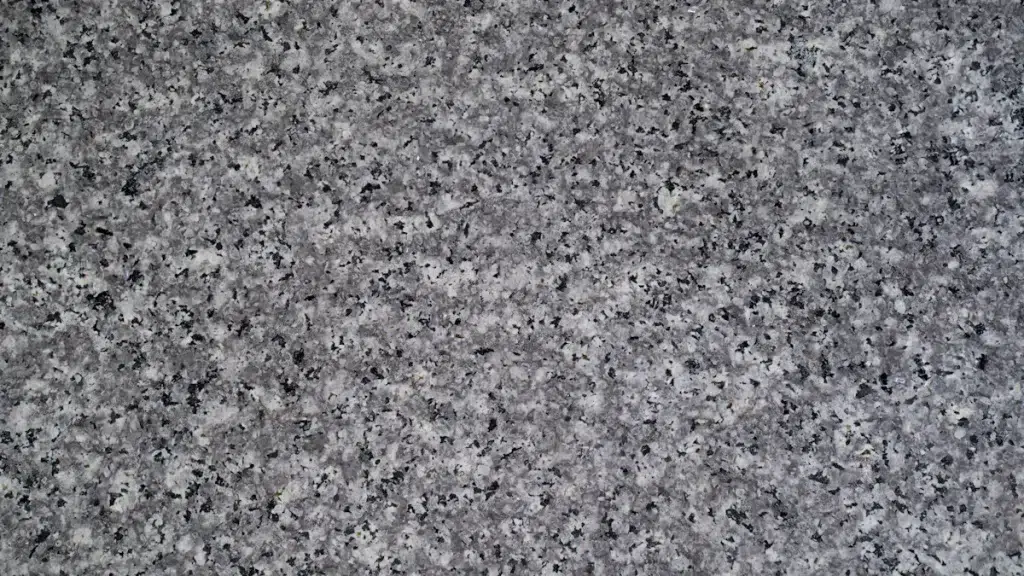
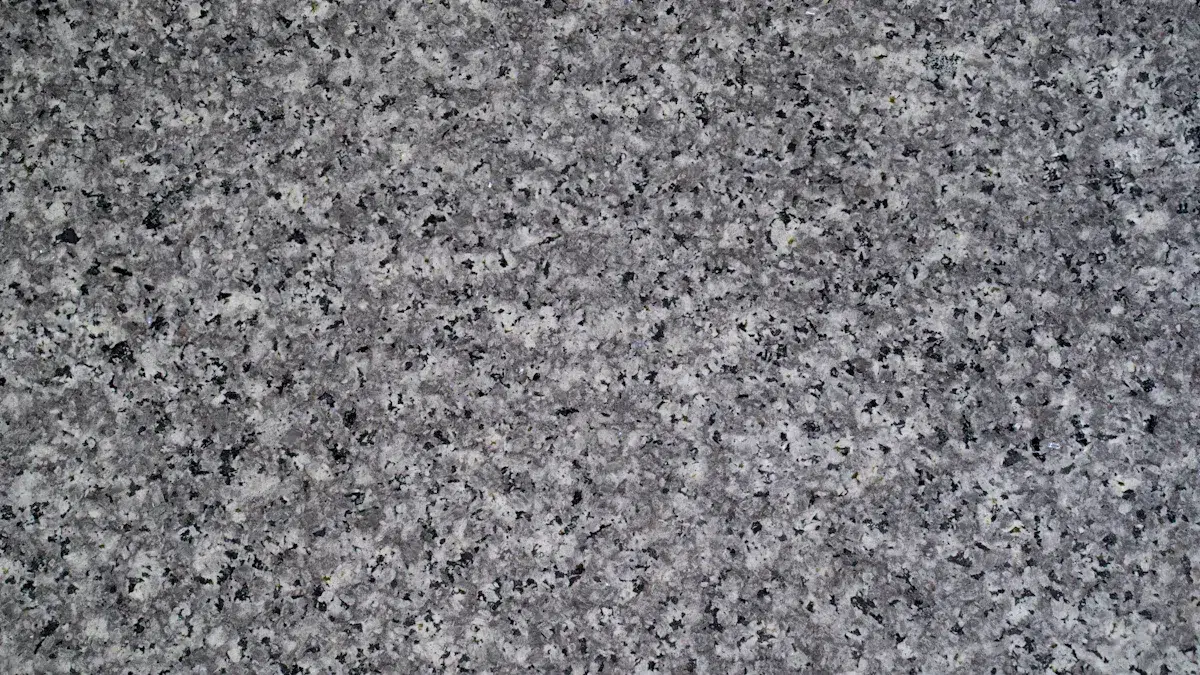
Durable concrete floors are crucial in South African industrial, commercial, and residential projects. This blog introduces dry shake and liquid concrete floor hardeners. It provides a comprehensive comparison. This comparison helps readers choose the best concrete floor hardener South Africa solution. Understanding application, performance, and cost ensures project success.
Key Takeaways
Dry shake hardeners create colorful, extra-tough surfaces for heavy-duty industrial floors.
Liquid hardeners easily seal cured concrete to stop dust and add a shiny finish.
Both hardeners protect concrete floors, lower repair costs, and extend floor life.
Dry Shake Concrete Hardeners Explained
Dry Shake Definition
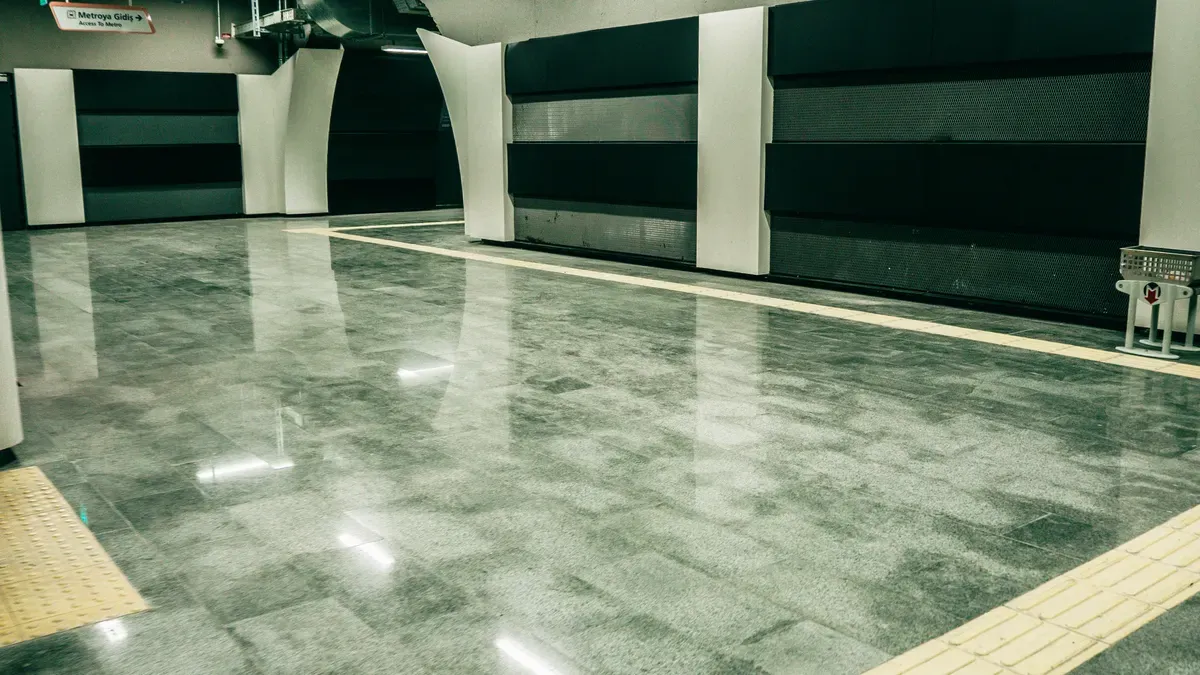
Dry shake aggregate floor hardeners are materials. Workers apply them directly to the surface of freshly placed, semi-dry concrete. These hardeners are a blend of cement, hard aggregates, and chemical admixtures. They become an integral part of the concrete slab.
Dry Shake Application in SA
In South Africa, contractors often use dry shake hardeners for industrial floors. They also appear in commercial spaces. Workers broadcast the dry powder evenly over the concrete surface. Then, they power trowel it into the slab. This process creates a dense, durable finish.
Dry Shake Key Advantages
Dry shake hardeners significantly enhance wear and abrasion resistance. They can also add color or a marbled finish to the floor. These hardeners deliver two to five times greater surface hardness than standard concrete treated with liquid hardeners. This makes them ideal for heavy-duty industrial environments. When properly installed, a dry-shake hardener enhances the concrete’s surface durability. It doubles its abrasion resistance compared to untreated standard concrete. This makes it a strong concrete floor hardener South Africa choice for demanding projects.
Dry Shake Limitations
Dry shake hardeners require careful application. Timing is crucial for proper integration. Poor application can lead to uneven finishes or delamination. They are also best suited for new concrete pours. Applying them to existing concrete is not feasible.
Liquid Concrete Hardeners Explained
Liquid Hardener Definition
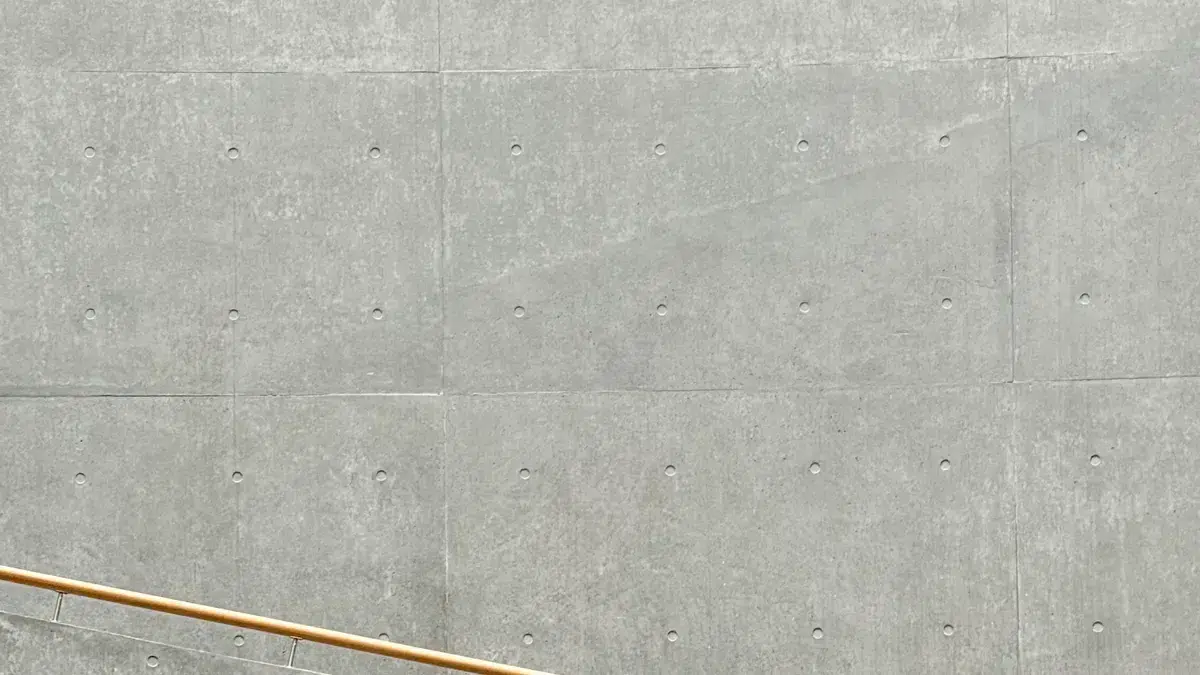
Liquid concrete hardeners are milky white liquids. They penetrate the cement base floor surface. This product reacts rapidly with ions inside the concrete. It promotes the re-hydration heat reaction of the concrete. This process establishes a three-dimensional network structure. This network builds the overall structural framework of the floor surface. It also increases the overall supporting strength. These products are water-soluble inorganic compounds. They meet today’s demands for environment, health, and safety.
Liquid Hardener Application in SA
Contractors in South Africa apply liquid hardeners to new or existing concrete floors. They spray or roll the liquid onto the clean, cured concrete surface. The concrete absorbs the liquid. Workers then allow it to dry. This application method is straightforward and less labor-intensive than dry shake. It makes liquid hardeners a popular choice for many projects.
Liquid Hardener Key Advantages
Liquid hardeners offer several benefits. They significantly improve dust-proofing. They also increase surface density and abrasion resistance. The application process is simple and quick. This minimizes downtime for projects. Liquid hardeners are also environmentally friendly. They provide a clear, natural finish. This enhances the concrete’s appearance without altering its color. Many consider them an excellent concrete floor hardener South Africa option for various settings.
Liquid Hardener Limitations
Liquid hardeners do not add color to the concrete. They also do not provide the same extreme surface hardness as heavy-duty dry shake applications. Their primary function is to densify and dust-proof the existing concrete. They do not introduce new aggregates to the surface.
Performance Comparison
Surface Hardness & Abrasion
Dry shake hardeners significantly increase surface hardness. They incorporate hard aggregates directly into the concrete. This creates a very dense and durable top layer. Floors treated with dry shake can withstand heavy traffic and impact. They show excellent resistance to abrasion. Liquid hardeners work differently. They penetrate the concrete and densify its existing surface. This process makes the concrete harder and more resistant to wear. However, liquid hardeners typically do not achieve the same extreme surface hardness as heavy-duty dry shake applications. Dry shake often provides two to five times greater surface hardness.
Dust-Proofing Capabilities
Both dry shake and liquid hardeners improve dust-proofing. Liquid hardeners excel at this. They react with the concrete’s components, filling pores and creating a denser surface. This prevents the concrete from releasing fine dust particles. Floors become cleaner and healthier. Dry shake hardeners also reduce dusting. Their dense, hard surface minimizes the breakdown of the concrete. This means fewer dust particles release into the air. For environments requiring strict dust control, liquid hardeners offer a highly effective solution.
Aesthetic Finish Options
Dry shake and liquid hardeners offer different aesthetic outcomes. Dry shake hardeners provide integral, uniform colors. Manufacturers mix pigments directly into the pour. This prevents fading. Available colors include red, gray, green, pure white, and custom RAL shades. Dry shake also conceals surface fibers. It incorporates various aggregates like quartz, metallic, or corundum. Liquid hardeners preserve the native concrete shade. They create a clear, natural finish. One can enhance these floors with custom motifs, colored epoxy topcoats, or polishing. Liquid hardeners often yield a high-gloss polished finish. This finish mimics natural granite or marble.
Feature | Dry Shake Hardeners | Liquid Hardeners |
|---|---|---|
Color Options | Provides integral, uniform colors (e.g., red, gray, green, pure white, custom RAL shades) mixed directly with pigments into the pour to prevent fading. | Preserves the native concrete shade; can be enhanced with custom motifs, colored epoxy topcoats, or polishing. |
Texture & Aesthetics | Conceals surface fibers and incorporates various aggregates (such as quartz, metallic, or corundum/synthetic). | Yields a high-gloss polished finish that mimics natural granite or marble. |
Chemical Resistance & Durability
Both hardener types enhance the concrete’s resistance to chemicals. Dry shake hardeners create a very dense surface. This dense surface makes it harder for chemicals to penetrate. The added aggregates also contribute to its resilience. This provides good protection against spills and corrosive substances. Liquid hardeners densify the concrete’s pores. This reduces its permeability. As a result, the concrete becomes more resistant to chemical attack. It also resists water penetration. Both methods improve the overall durability of the concrete slab. They extend its service life under various conditions.
Maintenance & Longevity
Floors treated with either dry shake or liquid hardeners require less maintenance than untreated concrete. Their hardened surfaces resist staining and wear. This makes cleaning easier. Dry shake floors, with their superior hardness, often last longer in high-stress environments. They maintain their integrity for many years. Liquid hardener floors also offer excellent longevity. Their densified surface resists degradation. Regular cleaning and occasional reapplication of a sealer can further extend their lifespan. Both options provide a long-term, durable flooring solution. They reduce the need for frequent repairs or replacements.
Cost Analysis for SA Projects
Material Costs Compared
Dry-shake hardeners often carry a higher material cost per kilogram. This applies especially to heavy-duty applications. Standard liquid treatments typically have lower material costs. Dry-shake products contain specialized aggregates and pigments. These components contribute to their higher price point. Liquid hardeners, on the other hand, are water-soluble compounds. Their chemical composition generally makes them less expensive per unit volume. However, project managers must consider coverage rates. A single liter of liquid hardener might cover less area for deep penetration. This can influence the overall material expenditure for a project.
Labor & Application Costs
The application process significantly impacts labor costs. Dry-shake hardeners require skilled applicators. Workers broadcast the material onto freshly placed concrete. This demands precise timing and expertise. The process is labor-intensive. It involves power troweling the material into the slab. This adds to the overall application time and cost. Liquid hardeners offer a simpler application. Workers spray or roll the liquid onto cured concrete. This method requires less specialized labor. It also reduces application time. This makes liquid hardeners a more cost-effective option for labor.
Long-Term Value & ROI
Evaluating long-term value involves more than just initial costs. Dry-shake hardeners have a higher upfront investment. However, they deliver superior abrasion resistance. A correctly applied dry-shake can at least double the concrete surface’s overall abrasion resistance. This justifies its higher initial cost. Floors treated with dry shake last longer in high-traffic industrial settings. They require less frequent repair or replacement. This translates into significant savings over the floor’s lifespan. Liquid hardeners provide excellent value for less demanding environments. They offer effective dust-proofing and densification at a lower initial outlay. For many commercial and residential projects, liquid hardeners provide a cost-efficient concrete floor hardener South Africa solution. They enhance durability and reduce maintenance needs. Both options offer a strong return on investment. The best choice depends on the specific demands and budget of each project.
Project Suitability: Concrete Floor Hardener South Africa
Industrial & Warehouse Floors
Industrial and warehouse floors face extreme demands. They require high durability and load-bearing capacity. Floors must support heavy loads uniformly. This includes critical areas like corners and joints. They need precise thickness and accurate flatness. A hard-wearing, dust-free finish with minimal cracking is essential.
Performance Category | Specific Requirements |
|---|---|
Structural & Dimensional | Precise thickness, correct elevation height, accurate flatness, and levelness |
Load-Bearing Capacity | Capability to support heavy imposed loads uniformly, including critical areas like corners, sides, and joints |
Surface Durability | Hard-wearing, dust-free finish with minimal cracking or surface defects |
Dry shake hardeners are often the preferred concrete floor hardener South Africa solution here. They provide superior abrasion resistance. They also enhance structural integrity.
Commercial & Retail Spaces
Aesthetics and durability are key in commercial and retail environments. Flooring design aligns with brand identity. This influences customer behavior. It also crafts an inviting store ambiance. High durability reduces replacement cycles. This supports operational efficiency. It also lowers environmental impacts.
Brand Perception & Atmosphere: Flooring design thoughtfully aligns physical space with brand identity, directly influencing customer behavior and crafting an inviting store ambiance.
Sustainability & Operational Life: High durability reduces replacement cycles, supporting store operational efficiency and lowering environmental impacts.
Category | Consideration & Feature | Benefit in South African Retail Context |
|---|---|---|
Aesthetics | Polish level (Matte to High Gloss) | Enhances natural light and delivers a modern, sophisticated visual environment. |
Aesthetics | Color enhancement (Natural or Stained) | Breathes visual appeal into the floor during the diamond pad polishing phase. |
Durability | Surface densifying & sealing | Hardens concrete and provides vital moisture/stain protection for high-traffic zones. |
Durability | Resistance to wear & easy cleaning | Delivers long-term wear resistance with smooth surfaces that simplify daily maintenance. |
Liquid hardeners are excellent for these spaces. They allow for polished finishes. They also offer easy maintenance.
Residential Garages & Workshops
Residential garages and workshops benefit from hardened floors. They need dust-proofing and abrasion resistance. Ease of cleaning is also important. Liquid hardeners are a practical choice. They provide effective dust control. They also increase surface density. Dry shake can be used for very heavy-duty home workshops.
Outdoor & High-Traffic Areas
Outdoor areas face weather exposure. High-traffic areas endure constant wear. Both dry shake and liquid hardeners improve durability. Dry shake offers superior surface hardness. This makes it suitable for extreme outdoor conditions. Liquid hardeners provide good protection against moisture and chemicals. They are ideal for covered outdoor spaces.
Dry shake hardeners deliver extreme surface hardness for demanding environments. Liquid hardeners excel at dust-proofing and creating polished finishes. Project managers must assess their budget, aesthetic goals, and performance needs. Always consult local concrete specialists to ensure optimal results for your specific site conditions.
FAQ
What is the main difference between dry shake and liquid hardeners?
Dry shake hardeners are powders. Workers apply them to fresh concrete. They create a very hard surface. Liquid hardeners are liquids. They penetrate existing concrete. They densify and dust-proof the floor.
Which hardener is best for industrial floors in South Africa?
Dry shake hardeners are often best for industrial floors. They offer superior abrasion resistance. They withstand heavy traffic and impacts well. Liquid hardeners suit less demanding industrial settings.
Do liquid hardeners change the concrete’s color?
No, liquid hardeners typically do not change the concrete’s color. They provide a clear, natural finish. This enhances the concrete’s appearance. Dry shake hardeners can add color if desired.
See Also
Comparing BANDě Concrete Densifiers And Dry Shakes For Superior Flooring
How To Choose The Ideal Concrete Floor Hardener In 2025
BANDe Ultimate 2025 Guide To Top Polished Concrete Densifiers Selection
Everything You Must Understand About BANDě Concrete Floor Hardener Solutions
Complete Buyer Guide For Concrete Densifiers Hardeners And Protective Sealers
