

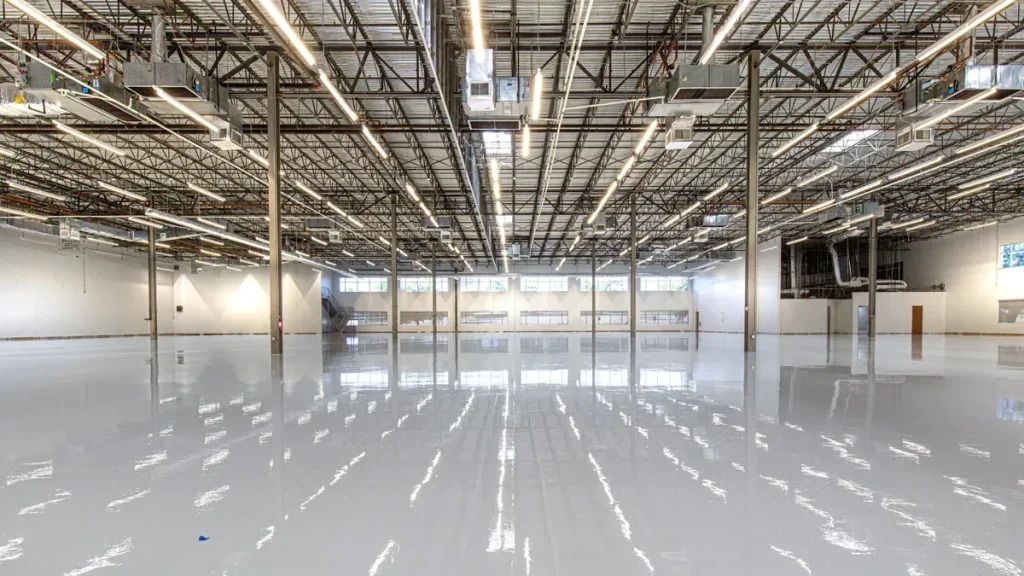
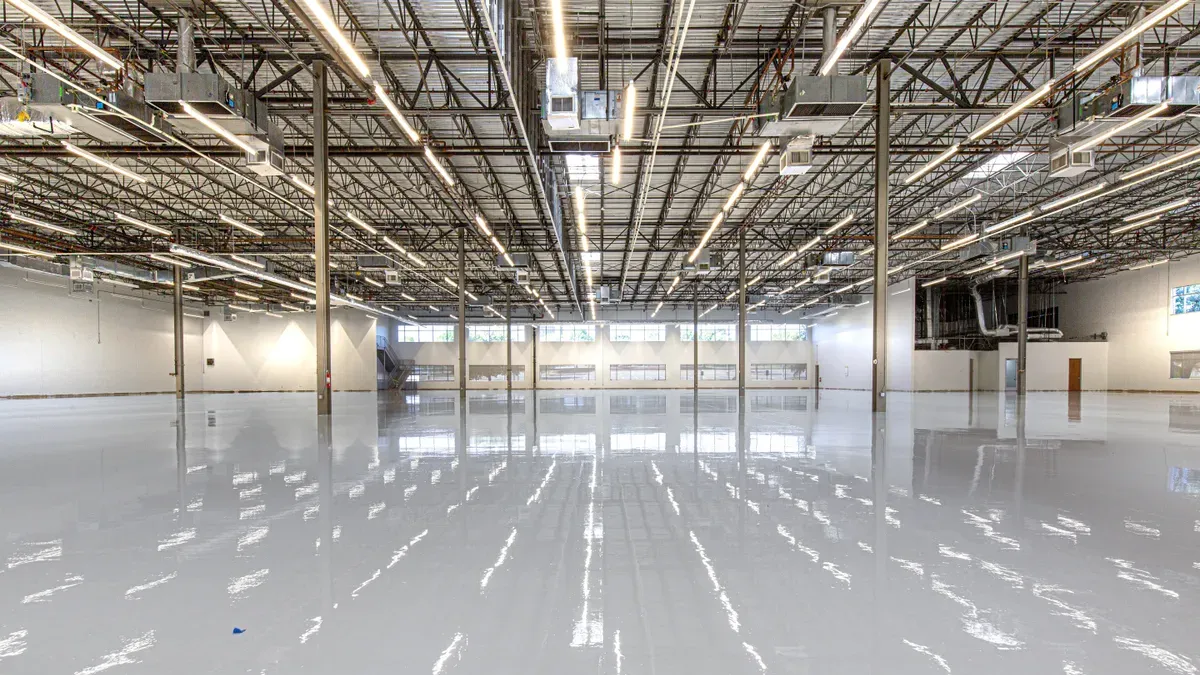
Concrete floor hardeners play a crucial role in enhancing durability, especially in high-humidity tropical climates. You must understand the various types available to meet your specific project needs. Selecting the right hardener can significantly improve the lifespan and performance of your flooring.
Key Takeaways
Choose the right type of concrete floor hardener based on your project’s needs. Options include chemical, mechanical, surface-applied, and integral hardeners, each offering unique benefits.
Consider environmental conditions when selecting a hardener. For humid climates, integral hardeners are ideal as they reduce moisture absorption and enhance durability.
Evaluate your budget and long-term maintenance needs. While some hardeners may have higher upfront costs, they can lead to significant savings through reduced maintenance over time.
Types of Concrete Floor Hardeners
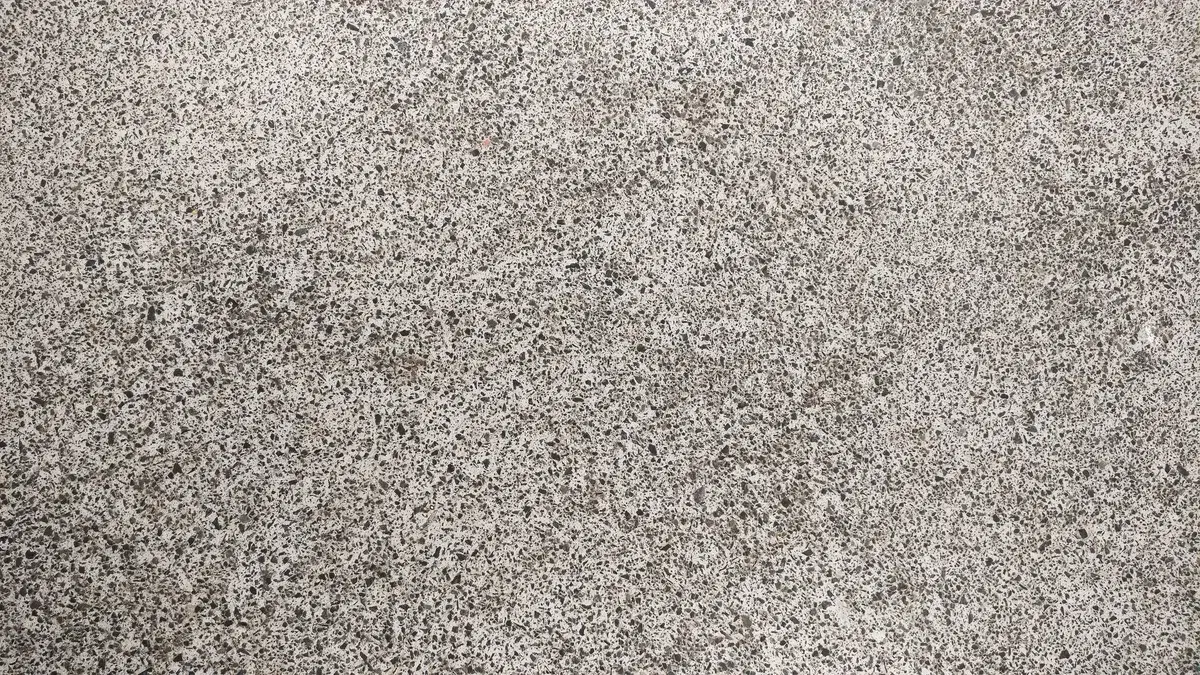
Concrete floor hardeners come in various types, each designed for specific applications. Understanding these options helps you choose the right one for your project.
Chemical Hardeners
Chemical hardeners enhance the durability of concrete through chemical reactions. They typically contain compounds like sodium silicate, potassium silicate, and lithium silicate. These compounds fill microscopic pores in the concrete, increasing its density and hardness.
Chemical Compound | Effect on Durability |
|---|---|
Sodium Silicate | Fills microscopic pores, increasing density and hardness of the concrete surface. |
Potassium Silicate | Enhances strength and reduces porosity, making the surface more resistant to wear. |
Lithium Silicate | Improves durability against freeze-thaw damage and chemical penetration. |
Using chemical hardeners can lead to several benefits:
Enhanced strength: Reacts with free lime to fill pores, increasing density.
Dustproof: Tightens the surface to eliminate dusting, leading to a cleaner workspace.
Durability: Protects against freeze-thaw damage and weathering from liquids and chemicals.
Mechanical Hardeners
Mechanical hardeners involve physical processes to increase the strength of concrete. These include the use of aggregates or additives mixed into the concrete before pouring. For example, you can use steel or synthetic fibers to reinforce the concrete, making it more resistant to cracking and wear.
Mechanical hardeners are particularly effective in high-traffic areas, such as warehouses and factories. They provide a robust solution for environments that experience heavy loads and constant movement.
Surface-Applied Hardeners
Surface-applied hardeners are typically dry shake or liquid products applied to the surface of freshly poured concrete.
Dry Shake Floor Hardener:
Applied during the finishing stage of concrete installation.
Suitable for high-traffic areas like warehouses and factories.
Liquid Floor Hardener:
Applied to cured concrete surfaces.
Ideal for enhancing the strength of existing concrete in various commercial settings.
These hardeners improve surface durability and resistance to abrasion, making them an excellent choice for industrial applications.
Integral Hardeners
Integral hardeners are mixed directly into the concrete before pouring. This method ensures uniform distribution throughout the slab, providing consistent strength and durability. Integral hardeners work well in environments with high humidity, as they help reduce moisture absorption and improve overall performance.
Choosing the right type of concrete floor hardener depends on your specific project needs and environmental conditions. Each type offers unique benefits that can enhance the longevity and performance of your flooring.
Characteristics of Concrete Floor Hardeners
Composition and Mechanism
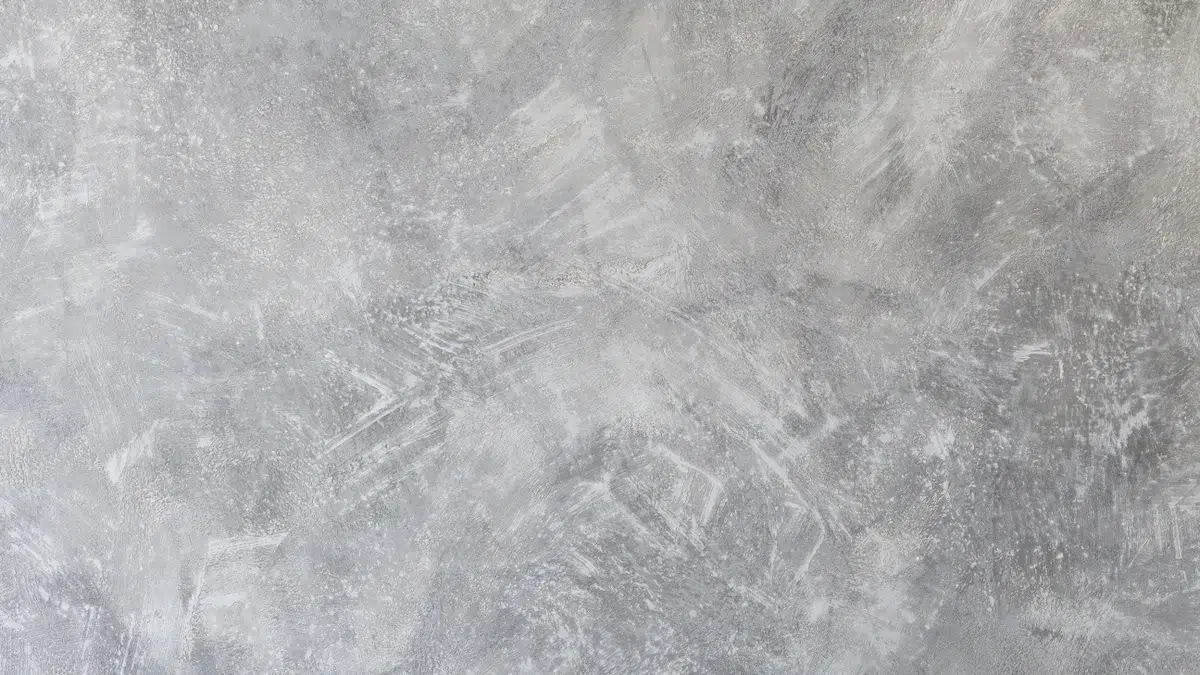
Concrete floor hardeners vary in composition, which affects their performance in high-humidity environments. For instance, water-based hardeners limit water absorption, while liquid hardeners fill microscopic pores, increasing surface density and hardness. Dry shake hardeners enhance surface durability, making them suitable for various applications. Here’s a summary of how different types perform in high-humidity conditions:
Type of Hardener | Performance in High-Humidity | Key Benefits |
|---|---|---|
Water-based | Limits water absorption | Damp proof properties |
Liquid | Fills microscopic pores | Increases surface density and hardness |
Dry Shake | Enhances surface durability | Suitable for various applications |
Benefits and Limitations
Each type of concrete floor hardener offers distinct benefits. Chemical hardeners improve strength and dustproofing, while mechanical hardeners provide reinforcement against cracking. However, limitations exist. For example, chemical hardeners may require specific environmental conditions for optimal performance. Understanding these factors helps you choose the right hardener for your project.
Application Methods
Applying concrete floor hardeners correctly ensures optimal performance. Follow these steps for effective application:
Step | Description |
|---|---|
1 | Priming: Apply primer to the substrate and allow it to become tacky before screed application. |
2 | Placement: Pour mixed PU screed onto the prepared floor, spread to the required thickness, and compact evenly. |
3 | Finishing: Smooth the surface with a steel trowel and ensure consistent texture. |
4 | Joint Treatment: Cut movement joints after curing and fill with PU sealant. |
5 | Curing: Initial set in 6-8 hours, light foot traffic in 12-16 hours, and full chemical resistance in 5-7 days. |
By following these methods, you can maximize the effectiveness of your chosen concrete floor hardener.
Advantages and Disadvantages
Pros of Chemical Hardeners
Chemical hardeners offer several benefits for your concrete flooring. They enhance strength through densification, filling voids and pores in the concrete. This process leads to increased resistance to abrasion and chemical spills. Here are some key advantages:
Densification: Chemical reactions fill voids, enhancing strength and durability.
Abrasion Resistance: Increased resistance to wear from heavy equipment and foot traffic.
Chemical Resistance: Creates a dustproof surface that withstands various chemicals, including organic acids and oils.
Cons of Chemical Hardeners
While chemical hardeners have many benefits, they also come with limitations. You may encounter challenges such as:
Environmental Sensitivity: They may require specific conditions for optimal performance.
Application Timing: You must apply them at the right stage of the concrete curing process.
Pros of Mechanical Hardeners
Mechanical hardeners provide robust reinforcement for your concrete. They improve durability and resistance to cracking. Key benefits include:
Enhanced Strength: They reinforce the concrete, making it suitable for high-traffic areas.
Long-lasting Performance: Mechanical hardeners can withstand heavy loads and constant movement.
Cons of Mechanical Hardeners
However, mechanical hardeners also have drawbacks. Consider the following:
Installation Complexity: Mixing additives into concrete can complicate the installation process.
Cost: They may increase the overall cost of your flooring project.
Pros of Surface-Applied Hardeners
Surface-applied hardeners enhance both durability and appearance. They offer several advantages:
Enhanced Strength: Improves density and resistance to wear.
Dustproof: Reduces dusting for a cleaner workspace.
Durability: Protects against freeze-thaw damage and chemical deterioration.
Cons of Surface-Applied Hardeners
Despite their benefits, surface-applied hardeners have some limitations:
Surface Dependency: Their effectiveness relies on proper application techniques.
Maintenance Needs: You may need to reapply them periodically to maintain performance.
Pros of Integral Hardeners
Integral hardeners provide uniform strength throughout the concrete slab. Their advantages include:
Consistent Performance: They ensure uniform distribution of hardening agents.
Moisture Resistance: They help reduce moisture absorption, which is crucial in humid environments.
Cons of Integral Hardeners
On the downside, integral hardeners can present challenges:
Mixing Requirements: You must ensure proper mixing to achieve desired results.
Initial Cost: They may have a higher upfront cost compared to other options.
Comparison of Concrete Floor Hardeners
Key Features
When comparing concrete floor hardeners, consider their unique features. For instance, dry shake hardeners offer high durability and superior surface hardness, making them ideal for heavy traffic areas. Liquid hardeners, while providing good durability, are better suited for medium-duty applications.
Aspect | Dry Shake Hardener | Liquid Hardener |
|---|---|---|
Durability | High durability, excellent for heavy traffic areas | Good durability, suitable for medium-duty areas |
Surface Strength | Superior surface hardness, ideal for industrial use | Increases surface hardness, but not as strong as dry shake |
Cost Considerations
Cost plays a significant role in your choice of concrete floor hardener. Mechanical hardeners may have higher upfront costs due to the need for specialized materials. However, they often provide long-term savings through reduced maintenance and increased durability. Chemical hardeners typically offer a more budget-friendly option, but you should consider their performance in humid environments.
Performance Metrics
Performance metrics such as compressive strength, abrasion resistance, and moisture tolerance are crucial when selecting a concrete floor hardener. For example, Duro-Nox liquid floor hardener showed a nearly 500% increase in abrasion resistance after just 15 minutes. In contrast, Duro-Nox LS demonstrated approximately 300% increased abrasion resistance in the same timeframe.
Duro-Nox LSC presented a 200% increase in abrasion resistance after 15 minutes.
After 30 minutes, Duro-Nox and Duro-Nox LS both showed a 145% increase in abrasion resistance, while Duro-Nox LSC showed a 90% increase.
These metrics highlight the importance of selecting a hardener that meets your specific performance needs.
Choosing the Right Concrete Floor Hardener
Selecting the right concrete floor hardener requires careful consideration of several factors. You must evaluate the intended use, budget constraints, and desired durability to make an informed decision.
Intended Use and Environment
The intended use of your concrete flooring significantly influences your choice of hardener. For example, if you plan to install flooring in a high-traffic area, such as a warehouse or factory, you need a hardener that can withstand heavy loads and constant movement. Mechanical hardeners often excel in these environments due to their reinforcement capabilities.
In contrast, if your project involves residential spaces or light commercial areas, you might consider chemical or surface-applied hardeners. These options provide adequate durability while enhancing the aesthetic appeal of the flooring.
Additionally, consider the environmental conditions. In high-humidity tropical climates, you should prioritize hardeners that reduce moisture absorption. Integral hardeners, for instance, mix directly into the concrete, offering consistent moisture resistance throughout the slab.
Budget and Cost-Effectiveness
Budget constraints play a crucial role in your decision-making process. You want to balance quality and cost to ensure you get the best value for your investment. Chemical hardeners typically offer a more budget-friendly option, while mechanical hardeners may have higher upfront costs due to specialized materials.
When evaluating cost-effectiveness, consider the long-term benefits of each type. For example, while mechanical hardeners may require a larger initial investment, they often lead to reduced maintenance costs over time. This can result in significant savings, especially in industrial settings where flooring undergoes heavy wear.
Desired Durability and Maintenance
Durability and maintenance requirements vary among different types of concrete floor hardeners. You want a solution that not only meets your performance needs but also minimizes upkeep.
For instance, a liquid lithium hardener enhances concrete hardness and protects against dusting, moisture, and general wear and tear. It requires minimal maintenance, with a one-time installation that penetrates the surface. This reduces the chances of cracking, peeling, or flaking. The drying time is also quick, allowing for traffic in as little as 30 minutes.
Here’s a summary of the durability and maintenance features of a liquid lithium hardener:
Feature | Liquid Lithium Hardener |
|---|---|
Durability | Enhances concrete hardness and protection against dusting, moisture, abrasion, bacteria, and general wear & tear. |
Maintenance | Low-maintenance with minimal downtime and costs. |
Application | One-time installation that penetrates the surface, reducing cracking, peeling, or flaking. |
Drying Time | Dries in 10 minutes, open to traffic in 30 minutes. |
By considering these factors, you can choose a concrete floor hardener that aligns with your project requirements and environmental conditions.
Choosing the right concrete floor hardener is essential for your project’s success. You must consider specific requirements, such as environmental conditions and compliance with building standards. A well-selected hardener enhances durability and performance, ensuring your flooring withstands the challenges of high-humidity climates.
FAQ
What is the best type of concrete floor hardener for humid climates?
For humid climates, integral hardeners work best. They reduce moisture absorption and provide consistent durability throughout the slab.
How long does it take for concrete floor hardeners to dry?
Drying times vary by type. Liquid hardeners can dry in as little as 10 minutes, while others may take longer. Always check product specifications.
Can I apply a hardener to existing concrete?
Yes, you can apply surface-applied hardeners to existing concrete. Ensure the surface is clean and properly prepared for optimal results.
See Also
Understanding Concrete Floor Hardeners: Their Purpose and Operation
Top 5 Concrete Floor Hardeners: Making the Right Choice
Essential Information About BANDě Concrete Floor Hardener
