

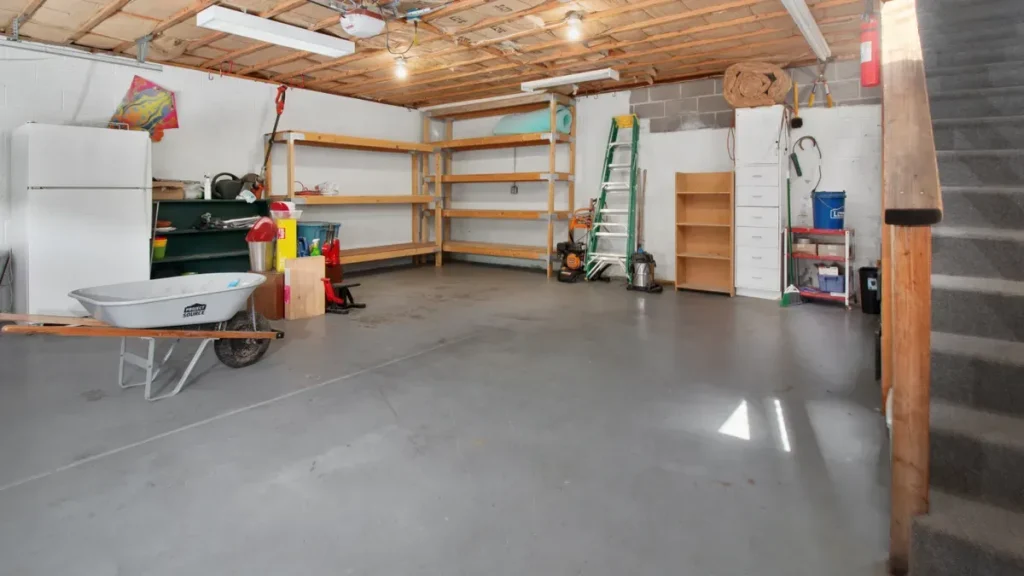
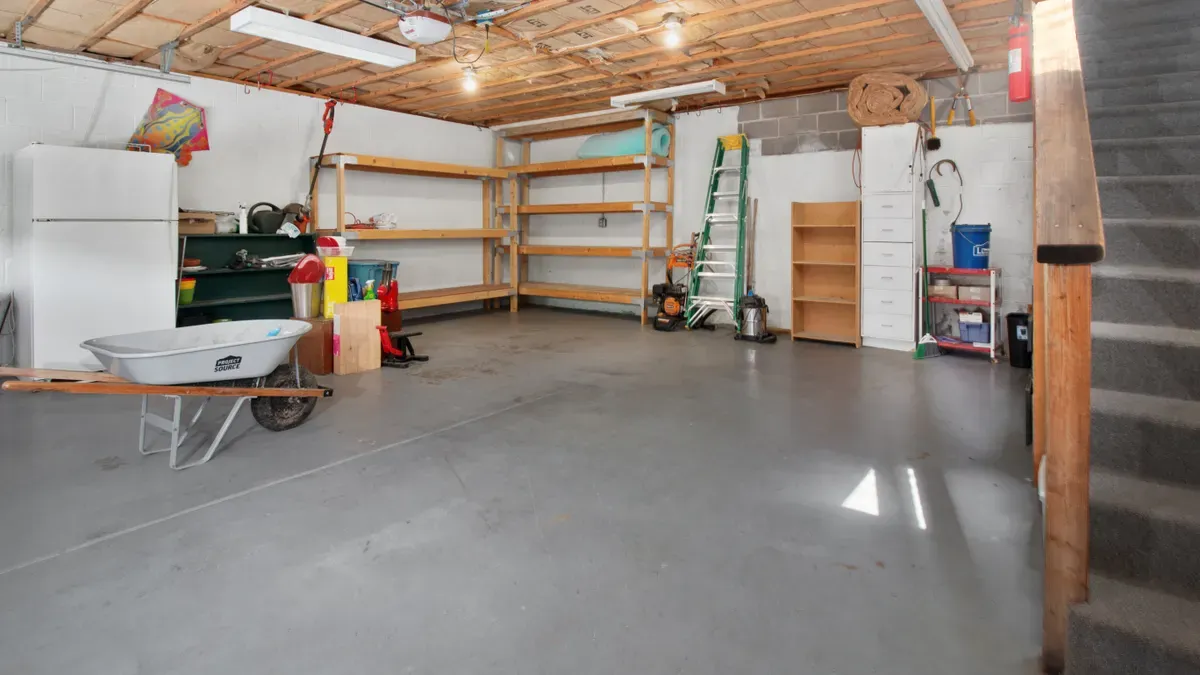
Canadian garages face harsh weather, road salt, and humidity. You need effective moisture and vapor barriers for your garage. Epoxy and polyaspartic are leading options for garage floor coatings that also serve as moisture barriers. This blog helps you choose the best solution. It compares durability, application, cost, and longevity, especially for a concrete moisture barrier for floor coating Canada.
Key Takeaways
Epoxy and polyaspartic coatings protect garage floors from harsh winter weather and moisture damage.
Polyaspartic coatings handle freeze-thaw cycles better and dry faster than traditional epoxy coatings.
Professional installers apply polyaspartic coatings quickly while homeowners can install epoxy kits themselves.
Canadian Garage Moisture Challenges
Understanding Moisture and Vapor Barriers
You need to understand the difference between moisture barriers and vapour barriers. A moisture barrier stops liquid water. Think of it like a raincoat for your concrete. A vapour barrier restricts water vapor diffusion. This means it slows down moisture moving through the air. Both are crucial for protecting your garage. An effective air barrier also prevents uncontrolled air movement, which carries moisture.
Why Garages Need Protection
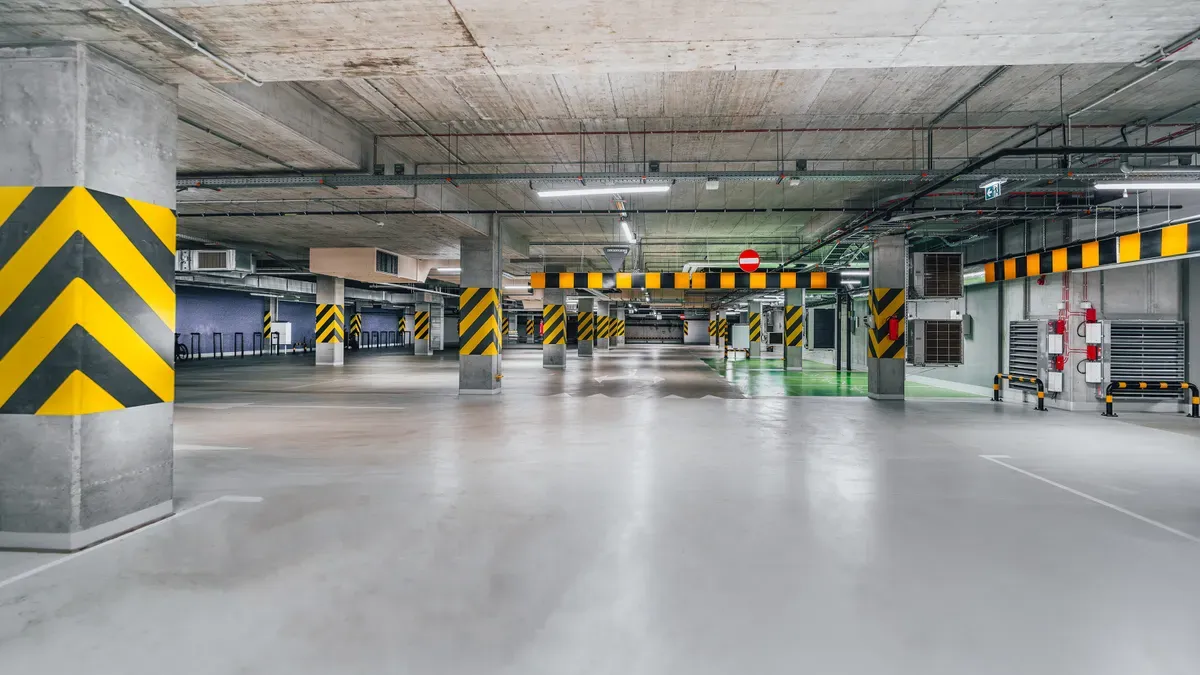
Canadian garages face unique challenges. You deal with freeze-thaw cycles, road salt, high humidity, and melting snow and ice. These conditions introduce a lot of moisture.
Source Category | Specific Moisture Origin | Seasonal / Operational Context |
|---|---|---|
Vehicles & Weather | Snow, slush, and rain brought in on cars and tires | Winter snow-melt, spring thaw, and fall rain |
Stored Items | Damp sports gear, camping equipment, boots, wet leaves, and stored firewood | Fall maintenance, outdoor activities, and routine storage |
Household Appliances & Plumbing | Clothes dryers venting improperly, laundry rooms, leaky pipes, water heaters, and humidifiers | Year-round household operations |
Environmental & Structure | Evaporating standing meltwater on concrete floors and warm humid outdoor air | Spring floor accumulation and summer humidity |
Improper moisture control leads to serious problems. You can see mold growth and structural rot. Your coatings will fail. Water penetration deteriorates garage exterior materials. Prolonged moisture exposure causes rot and decay in structural framing. This includes bottom wall plates and wall studs.
Specific Damage Type | Mechanism / Cause | Structural Impact |
|---|---|---|
Concrete Cracking & Spalling | Moisture trapped inside expands during freeze-thaw cycles | Causes surface chipping, flaking, and internal fractures |
Rebar Corrosion | Salt-laden water infiltrates concrete and rusts embedded steel | Steel expands up to eight times, causing delamination |
Efflorescence & Staining | Water migrates through concrete, leaving salt deposits | Leaves white mineral deposits and orange/brown rust streaks |
Slab Weakening & Sagging | Long-term water seepage and joint breakdown | Results in hollow layers (delamination) and floor deflection |
Your walls and ceiling can suffer damage. Drywall absorbs moisture quickly, leading to mold and dark stains. Stored items also get ruined. Cardboard boxes and wood on damp concrete fuel mold growth. You need to weatherproof a garage to prevent these issues.
Ventilation and Sealing Considerations
When you seal an attached garage, proper ventilation is very important. You need to manage humidity levels. Good ventilation works with your air barrier to remove moist air. This prevents condensation. Consider insulating a garage properly. This helps maintain stable temperatures. A continuous air barrier is key for effective moisture management.
Epoxy Coatings: The Traditional Choice
Epoxy Composition and Properties
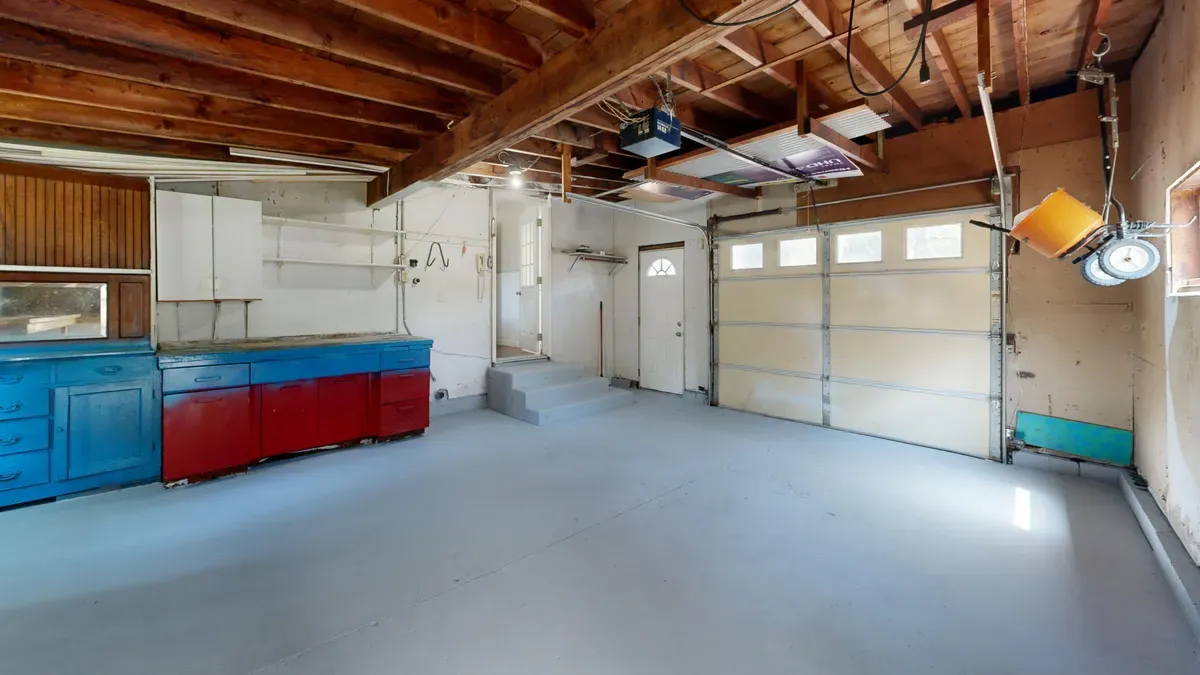
Epoxy coatings have been a popular choice for many years. They form a tough, durable surface. You combine an epoxy resin with an amine hardener. This mixture creates a strong, cross-linked polymer network. This reaction makes the coating rigid and solid. Manufacturers also add decorative vinyl flakes or colored quartz aggregates for looks. Sometimes, they include silica sand for better traction.
Component | Chemical Base / Composition | Role in Flooring System |
|---|---|---|
Epoxy Resin | Organic compounds with epoxide groups | Provides adhesion, resistance, and finish |
Hardener / Curative | Amine-based compounds | Initiates cross-linking and polymerization |
Cured Product | Covalently bonded polymer network | Forms a rigid, durable, and solid protective layer |
Epoxy Pros for Canadian Garages
Epoxy offers several advantages for your Canadian garage. It creates a hard, seamless surface. This surface resists chemical spills, moisture, and heavy loads. You get a nearly diamond-hard finish. This makes it great for a busy garage. Epoxy also provides a clean, bright look. You can easily clean it without strong detergents.
Epoxy Cons for Canadian Garages
Despite its strengths, epoxy has some drawbacks, especially in Canada. It lacks flexibility. This means it can crack if your concrete shifts. You might see bubbling, especially near garage entrances in winter. This happens when air or moisture gets trapped. Delamination and peeling are also common. The coating can detach from the concrete by spring. This is due to freeze-thaw stress and trapped moisture. UV light exposure can also cause discoloration or yellowing of the finish.
Ideal Scenarios for Epoxy in Canada
Epoxy coatings work best in specific situations for your garage. They are ideal for areas with heavy traffic. This includes vehicles and machinery. If your garage often sees oil or chemical spills, epoxy protects the concrete. It also helps with dust control. Epoxy is a good choice when you need enhanced fire resistance. It also increases visibility with its high-gloss finish.
Polyaspartic Coatings: The Modern Solution
Polyaspartic Composition and Properties
Polyaspartic coatings represent a newer technology. They are a type of polyurea. You get a durable, flexible, and UV-stable finish. These coatings cure quickly. They form a strong bond with concrete. This creates a protective layer.
Polyaspartic Pros for Canadian Garages
Polyaspartic offers significant advantages for your Canadian garage. It performs exceptionally well in cold weather. It keeps structural flexibility in sub-freezing temperatures. This minimizes surface cracking. You can also apply it year-round. This eliminates seasonal restrictions.
Performance Metric | Epoxy Coating | Polyaspartic Coating |
|---|---|---|
Curing Temperature Limit | Requires conditions above 50°F (10°C) to cure correctly | Cures effectively even in sub-zero winter temperatures |
Application Timing | Limited to warmer seasons | Suitable for year-round installation regardless of weather |
Cold-Weather Flexibility | Higher susceptibility to cracking under cold stress | Maintains elasticity in freezing conditions to prevent cracking |
Polyaspartic also excels in other harsh conditions. Its formulations resist degradation and yellowing from sunlight. This preserves color integrity. It maintains elasticity and flexibility down to -20°C or lower. This prevents cracking and delamination. You also get high chemical resistance. This protects against road salts and spills. Its rapid curing allows for quick return to service. You can use your garage again within 24 hours.
Polyaspartic Cons for Canadian Garages
Despite its benefits, polyaspartic has some drawbacks. You will notice a higher initial cost. It is substantially more expensive than standard epoxy options. The rapid cure time is another factor. It has an extremely short working window. This makes professional handling required. DIY application becomes unfeasible.
Limitation / Disadvantage | Description & Impact |
|---|---|
Premium Cost | Substantially higher price point compared to standard epoxy options. |
Rapid Cure Time | Extremely short working window makes professional handling required and DIY application unfeasible. |
Rigorous Surface Prep | Requires extensive preparation like mechanical grinding or shot blasting to prevent peeling. |
Environmental Sensitivity | Highly reactive to humidity and temperature variations, demanding strict environmental control during application. |
You also need rigorous surface preparation. This prevents peeling. Polyaspartic is sensitive to environmental conditions. It reacts to humidity and temperature variations. This demands strict control during application. You should not apply it over plywood surfaces. Doing so rapidly leads to visible cracking.
Ideal Scenarios for Polyaspartic in Canada
Polyaspartic coatings are ideal for specific situations. You should consider it for exterior applications. It works well in high UV exposure areas. It is perfect for areas with extreme cold and freeze-thaw cycles. If you need a quick return to service, polyaspartic is your choice. This is especially true for a busy garage. It also provides excellent protection for your garage floor against chemical and salt exposure.
Enhancing Your Concrete Moisture Barrier for Floor Coating Canada
Pre-Treatment Options for Concrete
You must prepare your concrete thoroughly before applying any topcoat. This step is crucial for the coating’s success. Mechanical profiling strips away bond breakers. It also opens up the surface pores. This allows the liquid coating to deeply penetrate the slab. The coating then cures within these pores, anchoring the floor system integrally. It does not just rely on surface-level adhesion.
You have several methods for concrete preparation:
Media Blasting / Shot Blasting: This blasts the surface. It creates a porous, textured profile. This is suitable for strong mechanical bonding.
Diamond Grinding: This uses diamond-embedded wheels. It strips contaminants, removes surface flaws, and etches the slab for optimal adhesion.
Scarification: This is a heavy-duty, aggressive mechanical method. You use it primarily when thick existing floor systems or severely compromised surface layers need removal.
Preparation Method | Aggressiveness Level | Recommended Coating Thickness / Application | Substrate Considerations |
|---|---|---|---|
Sanding | Lightest | Re-coat jobs or light paint layers | Creates only fine surface scratches |
Diamond Grinding | Moderate to Deep | Standard coatings up to 2–3 mm | Suitable for soft to hard concrete and oily patches |
Shot-blasting | Aggressive | High-build systems (3 mm and over) | Requires strong, high-quality concrete to prevent damage |
Scarifying | Very Aggressive | Thick heavy-build coats (Last resort) | Effective for deeply contaminated or heavily damaged floors |
Proper preparation ensures your coating forms a strong bond. This also helps your overall air barrier system.
The Role of Penetrating Sealers
Consider using penetrating sealers to enhance your concrete moisture barrier for floor coating Canada. Products like BANDě Rigid Waterproofing Sealer offer an excellent example. This inorganic nanomaterial penetrates 3-5mm into cement substrates. It reacts with concrete ions to form solid, transparent crystals. These crystals completely seal gaps and cracks. They also form a leak-proof protective layer on the surface. This achieves a permanent waterproof and moisture-proof effect.
Penetrating sealers work by chemically integrating with the concrete substrate. They inhibit liquid penetration. They also preserve breathability for moisture vapor.
Silicate compounds react with concrete components. They produce calcium silicate hydrate (C-S-H). This fills microvoids. It densifies the surface and lowers porosity.
Silanes and siloxanes form chemical bonds beneath the concrete surface. They alter its surface energy. This makes liquid water bead up and run off.
Silicates interact with free alkalis and calcium hydroxide inside the matrix. They generate crystalline formations. These new structures seal the capillary pores in cementitious materials. They block water absorption pathways.
Active water-repellent polymeric siliconates are created. This happens when the sealer reacts with carbon dioxide (CO2) in the atmosphere.
These sealers complement your chosen topcoat. They significantly enhance the overall moisture barrier system. They work with your existing air barrier to provide comprehensive protection.
Direct Comparison: Epoxy vs. Polyaspartic
When choosing a coating for your garage, you need to understand the direct differences between epoxy and polyaspartic. Each option offers unique benefits and drawbacks. You must consider these carefully for your specific needs.
Durability and Longevity
You want a garage floor that lasts. Both epoxy and polyaspartic coatings offer good durability. However, they differ in their resistance to wear and tear.
Polyaspartic coatings generally outperform epoxy. They give you enhanced protection against surface abrasions, physical impacts, and chemical exposure. Epoxy coatings provide good standard protection. Yet, their overall resistance levels are lower than polyaspartic options.
Consider the abrasion resistance:
Coating Type | Comparative Abrasion Resistance |
|---|---|
Epoxy Coating | Standard baseline resistance (commendable, but subject to wear) |
Polyaspartic Coating | Superior durability, providing 4x higher abrasion resistance than epoxy |
This means a polyaspartic floor can withstand more abuse. It will look better for longer in a busy garage.
Moisture and Vapor Barrier Effectiveness
Both coatings can act as moisture barriers. They help protect your concrete from liquid water. However, their effectiveness as a vapour barrier differs. Polyaspartic coatings often create a more impermeable surface. This better restricts water vapor diffusion through the concrete. This is crucial in Canada’s humid conditions. A strong vapour barrier also complements your overall air barrier system. It helps prevent moisture from entering your living spaces from the garage. You get better protection for your home’s foundation and structure.
Application Process and Considerations
The application process is a key difference. Epoxy coatings require specific temperature ranges. They also need longer cure times. This means you might wait several days before using your garage floor. Polyaspartic coatings cure much faster. You can often use your garage again within 24 hours. They also tolerate a wider range of temperatures during application. This makes them suitable for year-round installation. However, polyaspartic’s fast cure time makes it challenging for DIY projects. Professionals usually handle polyaspartic applications.
Cost Analysis and Long-Term Value
You will find that polyaspartic coatings have a higher initial cost. They are more expensive than traditional epoxy. However, you should consider the long-term value. Polyaspartic’s superior durability and longevity can mean fewer repairs or recoats. This saves you money over time. Its resistance to cracking and yellowing also maintains its appearance. This adds to its long-term value. For a Canadian garage, the ability to withstand harsh conditions makes polyaspartic a wise investment. It reduces future maintenance costs.
Aesthetics and Maintenance
Both epoxy and polyaspartic coatings offer many aesthetic choices. You can customize your garage floor to your liking.
Epoxy and polyaspartic coatings offer a wide range of aesthetic and functional options:
Color and Style Choices: You can choose solid tones, multi-colored flake systems (like Chemtec and Torginol flakes), metallic pigments, quartz aggregates, glitters, and decorative patterns. You also have various stains and dyes.
Finish Options: Textures vary from sleek high-gloss surfaces to safety-enhancing textured anti-slip finishes.
Maintaining your coated floor is also important. You want to keep it looking good.
Coating Type | Recommended Cleaning & Maintenance Procedure |
|---|---|
General Resinous / Epoxy Floors | Conduct routine maintenance using cleaning solutions specifically certified for resinous surfaces. Strictly adhere to designated dilution ratios. |
Polyaspartic Coatings (Resinwerks Kinetic) | Perform regular and comprehensive washes utilizing pH-neutral cleaning agents. Adjust the maintenance schedule according to floor traffic, usage intensity, and surface age. |
Regular cleaning helps preserve the coating’s integrity. It also keeps your garage looking clean.
Making Your Choice: Key Factors
You need to consider several factors when you choose a floor coating for your garage. These factors help you make the best decision. They ensure your investment meets your needs.
Budget and Project Timeframe
Your budget plays a big role in your decision. Polyaspartic coatings usually cost more upfront. They offer superior performance and longevity. This can save you money in the long run. Epoxy coatings are more budget-friendly initially. However, they might need more maintenance or earlier replacement. This increases their long-term cost.
Consider your project timeframe. Epoxy coatings need longer cure times. You might wait several days before you can use your garage again. Polyaspartic coatings cure much faster. You can often return to normal use within 24 hours. This is a big advantage if you need your garage quickly.
Garage Usage and Expected Wear
Think about how you use your garage. Different activities put different stresses on your floor. You need a coating that can handle these demands.
Garage Usage Scenario | Key Requirement / Exposure | Recommended Coating Feature / Type |
|---|---|---|
Auto Repairs / Home Mechanics | Exposure to oil spills, cleaning chemicals, and fluid leaks | Epoxy and Polyaspartic coatings (High chemical and stain resistance) |
Heavy Vehicle & Equipment Storage | Endurance against physical wear-and-tear, tool drops, and heavy loads | Impact and Abrasion-resistant coatings |
Workshops / Sunlit Spaces | Prolonged exposure to sunlight, UV rays, and thermal movement | Polyurethane / Polyaspartic coatings (UV stability and long-term aesthetic durability) |
If you perform auto repairs, you need high chemical resistance. Both epoxy and polyaspartic coatings offer this. If you store heavy vehicles, you need impact and abrasion resistance. Polyaspartic often provides better protection here. For a workshop with lots of sunlight, you need UV stability. Polyaspartic coatings excel in this area. They resist yellowing and degradation. This keeps your garage floor looking good.
DIY vs. Professional Installation
You can choose to install the coating yourself or hire a professional. This choice depends on the coating type and your skill level. Epoxy kits are available for DIY enthusiasts. They require careful surface preparation and patience during the longer cure times.
Polyaspartic coatings are more challenging for DIY. Their rapid cure time means you have a very short window to apply them correctly. This often requires professional expertise. Professionals have the right equipment and experience. They ensure proper application and a durable finish.
When you hire a professional, look for specific qualifications. These ensure a high-quality installation.
Certification / Qualification Area | Specific Skills & Standards to Look For |
|---|---|
Resilient Flooring (e.g., INSTALL) | Up-to-date training on luxury vinyl tile (LVT) and luxury vinyl plank (LVP), including random pattern layout skills. |
Substrate Preparation | Capabilities in testing for concrete moisture presence, applying mitigation strategies, and proper surface prep to prevent installation failure. |
Health & Safety Compliance | Certification covering personal protective equipment (PPE), patient protective equipment (for healthcare settings), and safe construction practices. |
Advanced Technical Skills | Proficiency in selecting eco-friendly adhesives, trowel notch application, open-time monitoring, and complex carpet seaming/pattern-matching. |
Program Quality Criteria | Certifications guided by technical experts and offering continuous, career-long professional development across all skill levels. |
You should also look for these core competencies:
Formal Certification: Look for trade-specific credentials. An example is the Certificate of Qualification 448A for floor covering installers.
Core Competencies: Essential qualifications include strong reading and numeracy skills. They also need job planning, problem-solving, and physical stamina. Installers often need to kneel for long periods.
A professional installer also understands the importance of a good air barrier. They ensure your floor coating works with your home’s overall moisture management system. This protects your entire garage and home.
Epoxy and polyaspartic both serve as moisture and vapour barrier options for your garage. Polyaspartic offers superior flexibility and faster cure for harsh Canadian conditions, despite its higher initial cost. Consider penetrating sealers to enhance your concrete moisture barrier for floor coating Canada. Weigh budget and durability for your garage’s specific needs.
FAQ
What is the main difference between epoxy and polyaspartic for Canadian garages?
Polyaspartic offers superior flexibility and faster cure times, especially in cold Canadian weather. Epoxy is more rigid and takes longer to cure.
Why is pre-treatment important for my garage floor?
Pre-treatment prepares your concrete. It ensures strong adhesion for the coating. This prevents peeling and extends your floor’s life.
Can I install polyaspartic coating myself?
Polyaspartic coatings cure very quickly. This makes DIY application challenging. Professionals usually handle polyaspartic installations for best results.
See Also
Comparing Epoxy And Latex Solutions For Effective Concrete Patching Projects
An In-Depth Evaluation Of Moisture Barriers For Floors And Walls
The Ultimate 2025 Handbook For Acrylic And Epoxy Non-Skid Coatings
Selecting Top Wall And Floor Vapor Barriers For Upcoming 2025 Jobs
Essential 2025 Commercial Manual For High Performance Concrete Dust Sealers
