


Concrete sealers play a vital role in protecting surfaces from environmental Image Source: udamage, especially in the concrete sealer UK market. You may find that concrete surfaces can crack or deteriorate over time, particularly in industrial and historic settings. Choosing the right sealer is crucial. This decision impacts the longevity, safety, and appearance of your concrete, ensuring it withstands the test of time.
Key Takeaways
Choose the right type of concrete sealer based on your specific needs. Penetrating sealers are great for moisture protection, while film-forming sealers enhance appearance.
Proper surface preparation is crucial. Clean and dry the concrete thoroughly before applying sealer to ensure strong adhesion and avoid issues.
Consider environmental factors when applying sealers. Ideal temperatures for application are between 10°C and 32°C to achieve the best results.
Types of Concrete Sealers
Concrete sealers come in various types, each designed for specific applications and conditions. Understanding these types helps you choose the best concrete sealants for your needs.
Penetrating Sealers
Penetrating sealers are ideal for protecting concrete surfaces from moisture and damage. They work by soaking into the concrete, creating a barrier against water and contaminants. This type of sealer is particularly beneficial for industrial and historic surfaces.
Benefits of Penetrating Sealers:
Moisture Barrier: They prevent damage from freeze-thaw cycles and adverse weather conditions.
Cost-Effectiveness: Sealed surfaces require less frequent maintenance, significantly reducing long-term repair costs.
Surface Durability: Proper sealing extends the lifespan of concrete and boosts surface durability.
You can use penetrating sealers on various surfaces, including general concrete, screeds, and natural stone. They enhance surface density and reduce porosity, making them effective in fully wet areas where film-forming products may not be suitable.
Film-Forming Sealers
Film-forming sealers create a protective layer on the surface of the concrete. They alter the appearance of the surface, providing a glossy finish that enhances visual appeal. However, they can sometimes trap moisture, which may lead to issues if not applied correctly.
Advantages of Film-Forming Sealers:
Visible Barrier: They create a physical layer that resists wear and protects against stains.
Aesthetic Enhancement: These sealers can change the sheen and colour of the concrete, revitalising older surfaces.
Disadvantages:
Low Breathability: They may trap moisture beneath the surface, leading to potential damage.
Film-forming sealers are suitable for areas where appearance is a priority, such as showrooms or decorative concrete surfaces.
Epoxy Sealers
Epoxy sealers are among the most durable options available. They consist of a two-part system that provides strong adhesion and excellent chemical resistance. This makes them particularly suitable for industrial applications where heavy machinery and chemicals are present.
Key Features of Epoxy Sealers:
Durability: They are extremely durable and impact-resistant, making them ideal for high-traffic areas.
Chemical Resistance: Epoxy sealers resist substances like oil, gasoline, and brake fluid, ensuring long-lasting protection.
Professional Finish: They provide a high gloss finish that enhances the overall appearance of the floor.
Epoxy sealers are perfect for garages, factories, and other industrial settings where performance is crucial. Their ability to fill minor surface imperfections adds to their appeal.
Sealer Type | Chemical Composition | Characteristics |
|---|---|---|
Acrylic Sealers | One-part synthetic acrylic resin | Versatile, used for curing and sealing new concrete, dustproofing old concrete. |
Polyurethane Sealers | Water-based, single pack | Excellent protection from chemical and water damage, easy to apply. |
Epoxy Sealers | Two-part epoxy resin | Provides strong adhesion, UV stable, and chemical resistant. |
Silane Sealers | Silane-based compounds | Water-repellent, protects against moisture and stains. |
Water-Repellent Coatings | Various formulations | Blocks water absorption, protects surfaces from staining and corrosion. |
Choosing the right type of concrete sealer is essential for ensuring the longevity and performance of your surfaces. Each type offers unique benefits tailored to specific applications, whether for industrial flooring or historic building restoration.
Best Concrete Sealers for Industrial Use
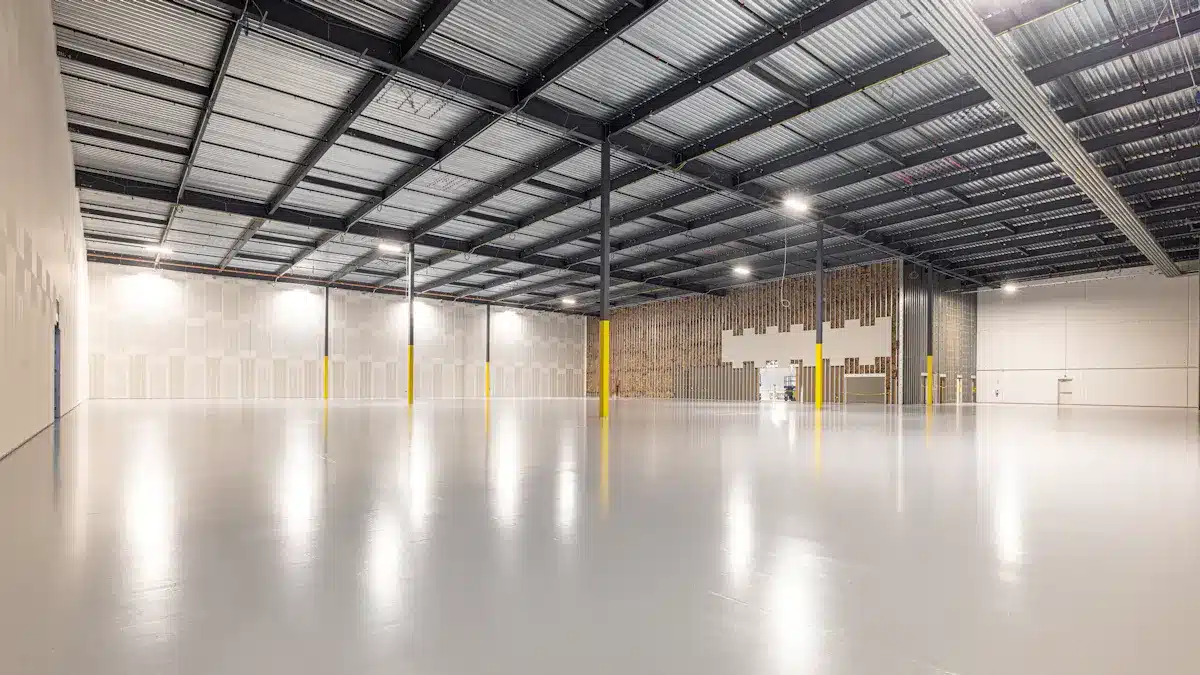
When selecting a concrete sealer for industrial applications, you should consider several key features to ensure optimal performance and longevity.
Key Features
Durability: Look for sealers that can withstand heavy foot traffic and machinery. Polyurethane and epoxy sealers excel in this area, offering long-lasting protection.
Chemical Resistance: Choose sealers that resist spills from oils, chemicals, and other substances common in industrial settings. This feature helps maintain the integrity of your flooring.
Moisture Resistance: Effective sealers block moisture, preventing slips and falls. They also reduce dust formation, contributing to a cleaner environment.
Ease of Application: Opt for products that are straightforward to apply. Some sealers require specific conditions for optimal adhesion, so understanding the application process is crucial.
Top Product Recommendations
Here are some of the best concrete sealers available in the UK for industrial use:
SuperSeal-M Water Repellent: Rated 5/5 with excellent reviews, this sealer provides robust moisture protection and is ideal for various industrial applications.
Super Seal 30 Concrete Sealer: With a rating of 4.7/5, this product offers a balance of durability and ease of use, making it suitable for high-traffic areas.
These products have received positive feedback for their performance and reliability in industrial environments.
Application Tips
To ensure the best results when applying concrete sealers, follow these essential tips:
Surface Preparation: Start by pressure washing the surface at 3,000 to 3,500 PSI to remove dirt and loose material. Treat any oil stains with a degreaser and scrub brush, then rinse thoroughly.
Etching: If you plan to use a film-forming sealer, etch the surface with muriatic acid (diluted 4:1 with water). Skip this step for penetrating sealers.
Drying Time: Allow 24 to 48 hours for the concrete to dry completely after rinsing. Test moisture levels by taping plastic sheeting to the slab for 24 hours; if condensation forms, the slab is too wet to seal.
Application Conditions: Apply sealers when the surface temperature is between 10°C and 32°C. Avoid direct sunlight during application to prevent uneven coverage.
Coat Application: Use two thin coats instead of one heavy coat to avoid issues like tackiness and peeling.
By following these guidelines, you can maximise the effectiveness of your chosen concrete sealer, ensuring a durable and safe flooring solution for your industrial space.
Best Concrete Sealers for Historic Restoration

Restoring historic buildings requires careful consideration of the materials used. You must select concrete sealers that are compatible with the original materials to ensure the preservation of the structure.
Compatibility Importance
Compatibility between concrete sealers and historic building materials is critical in restoration projects. Here are some key points to consider:
New materials must be chemically and physically compatible with historic materials. This prevents issues like moisture entrapment.
Matching properties such as porosity and thermal expansion is crucial. This avoids hidden damage during restoration.
Historic structures utilise materials that naturally breathe and flex. Modern materials, however, are designed for strength and performance.
Incompatibility can lead to moisture trapping and structural rigidity, damaging the original materials.
Preservation guidelines often require matching the aesthetic qualities of historic materials. This maintains the integrity of the restoration.
Using incompatible sealers can lead to accelerated structural decay due to salts and frost. Additionally, these coatings can block vapor paths, increasing dampness and the risk of mould. Dense paints may create cooler, moisture-laden surfaces, promoting condensation and discomfort for occupants.
Recommended Products
When selecting a concrete sealer for historic restoration, consider the following high-performance concrete sealants that have proven effective:
BANDě Concrete Floor Dust Sealer: This product is ideal for existing concrete floors that suffer from low strength and dust issues. Its water-based formulation penetrates deeply, activating the cement hydration reaction and forming a dense, wear-resistant structure.
EcoSeal Historic Masonry Sealer: This sealer is designed specifically for historic masonry. It allows moisture to escape while preventing water ingress, making it perfect for older buildings.
Heritage Stone Sealer: This product offers excellent compatibility with traditional stone materials. It protects against weathering while maintaining the original appearance of the stone.
Application Techniques
To preserve original materials during the sealing process, follow these best practices:
Thoroughly clean and prepare the concrete surface. This ensures strong adhesion for the sealer.
Remove any old coatings using appropriate techniques. Achieving a clean surface is essential for effective sealing.
Repair any surface imperfections like cracks and holes before sealing. This helps maintain the integrity of the restoration.
Choose the right type of sealer based on environmental factors and specific needs. Consider the unique characteristics of the historic materials.
Use the correct application method for the selected sealer. This ensures even coverage and optimal performance.
By following these guidelines, you can effectively restore historic buildings while preserving their unique character and integrity.
Common Mistakes to Avoid
Surface Preparation Errors
Proper surface preparation is crucial for successful sealing. Many people overlook this step, leading to significant issues. Here are common mistakes to avoid:
Common Mistake | Description | How to Avoid It |
|---|---|---|
Not Cleaning the Surface Properly | Applying a sealer to a dirty or stained surface can lead to poor adhesion. | Thoroughly clean the concrete surface using a power washer or degreasing cleaner and let it dry. |
Applying Sealer to Wet Concrete | Sealer should only be applied to dry surfaces to avoid trapping moisture. | Allow the concrete to fully dry before sealing, typically waiting 24-48 hours after washing. |
Over-Applying the Sealer | Too much sealer can create an uneven finish and lead to peeling. | Apply sealer in thin, even coats as per manufacturer’s instructions. |
Improper surface preparation can prevent sealers from adhering properly. Contaminants can remain on the surface, leading to poor bonding. Inadequate cleaning can also cause oils to rise after cleaning, further complicating adhesion.
Wrong Sealer Selection
Choosing the wrong type of concrete sealer can result in inadequate adhesion and visual defects like cloudiness or peeling. You must select a sealer suited for your specific application. Research the appropriate sealer for your project, considering factors like indoor versus outdoor use.
Ignoring Environmental Factors
Environmental conditions significantly impact the performance of concrete sealers. High temperatures can accelerate drying, increasing the risk of shrinkage and cracks. Cold temperatures can lead to freeze-thaw cycles that weaken the concrete.
To ensure optimal results, apply sealers in moderate temperatures and avoid direct sunlight during curing. Monitor humidity levels, as excess moisture can erode concrete and weaken its structure.
By avoiding these common mistakes, you can enhance the effectiveness of your concrete sealing project and ensure long-lasting results.
Choosing the right concrete sealer is essential for your projects. It protects against stains and damage, prevents mould growth, and extends the lifespan of your surfaces. Consider your unique needs and conditions when selecting a sealer. For further guidance, explore resources like Watco and The Concrete Centre for expert advice on concrete sealing.
FAQ
What is the best time to apply concrete sealer?
Apply concrete sealer when temperatures range between 10°C and 32°C for optimal adhesion and performance.
How long does concrete sealer last?
The lifespan of concrete sealer varies, but most sealers last between 3 to 5 years before requiring reapplication.
Can I apply sealer on damp concrete?
No, applying sealer on damp concrete can trap moisture, leading to poor adhesion and potential damage.
See Also
Comprehensive Guide to Concrete Sealers for Industrial Floors
Top Floor Hardening Solutions for UK Industrial Warehouses
Your Complete Guide to Selecting the Best Concrete Sealers
