

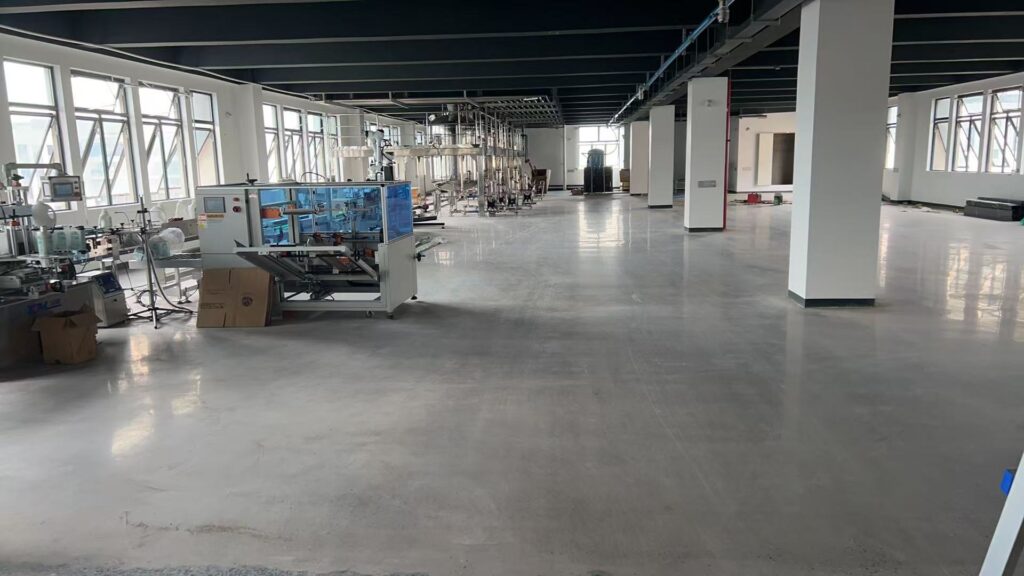
Contractors and developers in Riyadh, Jeddah, and Dammam face a critical decision: choosing the optimal concrete surface hardener Saudi Arabia demands. Commercial concrete densifiers significantly enhance concrete durability, crucial in the harsh climate. We ask: between dry shake hardener and liquid floor hardener, which offers the best performance? This liquid hardener choice and the right concrete floor hardener ensure project longevity. Selecting a superior floor hardener is paramount.
Key Takeaways
Liquid concrete hardeners work well in Saudi Arabia’s hot weather. Workers apply them to dry concrete, which avoids problems with fast drying.
Liquid hardeners make concrete much stronger from the inside. They are easy to clean and last a long time, which saves money over time.
Choose the right hardener by thinking about your project’s needs. Talk to experts to pick the best one for your concrete floor.
Dry Shake vs. Liquid Concrete Hardeners: An Overview
Choosing the right floor hardener for your commercial project in Saudi Arabia means understanding the main types. Let’s look at dry shake and liquid hardeners. Each offers distinct benefits for concrete surfaces.
What is Dry Shake Hardener
A dry shake hardener is a pre-blended, cementitious material. Workers broadcast this material onto fresh concrete. After broadcasting, they then trowel the material in. This process creates a dense, wear-resistant surface. The composition of a dry shake hardener typically includes:
Hard-wearing aggregates
Cement
Other additives (e.g., color pigments, microfibers)
Optional pigments for colored finishes
This method provides a robust concrete floor hardener.
What is Liquid Floor Hardener
A liquid floor hardener, also known as a concrete densifier, is a chemical solution. Workers spray or mop this solution onto cured concrete. The liquid penetrates the concrete surface. It reacts with the free lime to form a dense, crystalline structure. Common chemical compositions for these liquid hardeners include:
Sodium silicates
Potassium silicates
Lithium silicates
This chemical reaction makes the concrete much harder and more durable. This type of liquid hardener is a popular choice.
Key Differences in Composition and Application
The main differences between these two floor hardener types lie in their makeup and how workers apply them. Dry shake hardeners are dry powders. They rely on mechanical integration into fresh concrete. This creates a thick, hardened layer on top. In contrast, a liquid hardener is a water-based solution. It penetrates existing concrete. This chemical reaction hardens the concrete from within. Both methods aim to improve the concrete floor hardener’s performance. However, their approaches are quite different.
Durability and Abrasion Resistance in Saudi Climates
The harsh Saudi Arabian climate presents unique challenges for concrete surfaces. Extreme heat and constant exposure demand a floor hardener that offers exceptional durability and abrasion resistance. Project managers must choose a solution that withstands these conditions for many years.
Dry Shake Hardener Performance in High Heat
Dry shake hardener creates a very tough surface. Workers apply it to fresh concrete. In Saudi Arabia’s high temperatures, the concrete can dry very quickly. This rapid drying can make the application process more challenging. Proper timing and skilled labor become crucial. If not applied correctly, the dry shake hardener might not bond perfectly. However, when applied well, it forms a dense, robust concrete floor hardener. This hardener provides excellent resistance against wear and tear. It performs well in areas needing maximum surface strength.
Liquid Hardener for Deep Penetration and Hardness
Liquid hardeners offer a different approach to durability. They penetrate deep into the concrete. Products like BANDě Crystal Floor Hardener achieve impressive penetration, typically 5-8mm. This deep action significantly increases the concrete’s hardness. It can boost hardness by over 300%. The liquid hardener reacts with the concrete’s free lime. This reaction forms a dense silica gel structure within the concrete matrix. This internal hardening makes the entire slab more resilient. It provides superior abrasion resistance and impact resistance from within. This deep penetration ensures long-lasting performance.
Comparative Surface Hardness and Wear
Many people claim dry shake hardener offers 2-5 times greater surface hardness than standard liquid-treated concrete. This claim often refers to older or less advanced liquid hardeners. However, advanced liquid hardeners, such as BANDě Crystal Floor Hardener, provide exceptional hardness and durability. They often match or exceed dry shake in practical commercial applications. These advanced solutions deliver maximum surface strength. They offer excellent abrasion resistance and impact resistance. This makes them ideal for high traffic areas. The deep hardening action of a quality liquid hardener ensures consistent performance. It protects the concrete from heavy use and environmental stress. Choosing the right floor hardener means considering both initial hardness and long-term wear.
Application and Curing in Arid Climates
Applying and curing concrete densifiers in Saudi Arabia’s arid climate requires careful consideration. High temperatures and low humidity can significantly impact the effectiveness and ease of application for both dry shake and liquid hardeners.
Dry Shake Application Challenges in High Temperatures
Applying a dry shake hardener in high temperatures presents unique challenges. Fresh concrete can dry very quickly in the intense heat. This rapid drying reduces the window for broadcasting and troweling the dry shake material. Workers must act fast and precisely. If they do not apply the dry shake hardener correctly, it may not bond properly with the concrete. This can lead to an uneven finish or reduced performance. The demanding conditions require highly skilled labor and strict timing protocols.
Liquid Hardener Application Ease and Curing
Liquid hardener offers greater flexibility in arid climates. Workers apply it to cured concrete, not fresh concrete. This eliminates the rush associated with rapidly drying slabs. They can spray or mop the liquid hardener onto the surface. The concrete then absorbs the solution. This process is generally less sensitive to ambient temperature fluctuations during application. The curing process for a liquid hardener involves a chemical reaction within the concrete. This reaction continues over time, strengthening the floor hardener from within. This makes it a more forgiving floor hardener to apply.
Product Pot Life for Hot Climates
Product pot life is crucial for chemical applications in hot climates. Pot life refers to the time a product remains usable after mixing or opening. In Saudi Arabia’s heat, many products can cure or thicken too quickly. This reduces their workability. Some liquid hardeners, like Eco-Fix products, are specifically formulated with a balanced pot life. This ensures they remain effective for longer in hot climates across Saudi Arabia and the GCC. Choosing a floor hardener with an extended pot life prevents waste and ensures proper application. This careful selection helps achieve the best results for your floor hardener project.
Cost-Effectiveness and Long-Term Value
Initial Costs: Dry Shake vs. Liquid Hardener
Project managers always consider initial costs when selecting a floor hardener. A dry shake hardener involves material expenses and the labor required for its precise application onto fresh concrete. This process demands careful timing and skilled workers, which can influence the overall upfront cost. Conversely, a liquid floor hardener typically presents a different cost structure. You apply it to cured concrete, often simplifying the application process and potentially reducing immediate labor costs. While material prices for both types vary, the application method significantly impacts the initial investment for any concrete floor hardener.
Maintenance and Lifespan Considerations
Beyond the initial outlay, think about ongoing maintenance and the expected lifespan of your floor. A high-quality liquid hardener penetrates deep into the concrete. It creates a denser, more durable surface from within. This often translates to significantly lower maintenance needs over time. You will find it resists dusting, abrasion, and wear much better. This extended durability means less frequent cleaning and fewer repairs. A robust liquid hardener extends the life of your floor, reducing the need for costly replacements. This long-term resilience adds substantial value to your project.
Overall Return on Investment for Concrete Surface Hardener Saudi Arabia
Evaluating the overall return on investment (ROI) for a concrete surface hardener Saudi Arabia project means looking at the big picture. A superior floor hardener minimizes future expenses. It reduces cleaning costs, extends the floor’s service life, and maintains its aesthetic appeal. This means less downtime for maintenance or repairs and a consistently professional appearance for your facility. Choosing the right concrete floor hardener provides excellent long-term value, making it a smart and economical investment for any commercial facility in the region.
Environmental and Maintenance Benefits
Choosing a concrete floor hardener involves more than just durability; environmental impact and ease of maintenance also matter. Modern solutions offer significant advantages in these areas.
Eco-Friendly Liquid Hardener Options
Many liquid hardener products today prioritize environmental responsibility. Manufacturers formulate these options as water-based and VOC-free. This makes them safer for applicators and building occupants. Such eco-friendly floor hardener choices contribute to healthier indoor air quality. They also align with green building certifications. This is a crucial consideration for many commercial projects.
Ease of Cleaning and Stain Resistance
Densified concrete surfaces are much easier to clean than untreated concrete. The hardening process reduces porosity. This prevents dirt, oil, and other contaminants from penetrating deep into the slab. This enhanced surface makes routine cleaning simpler and more efficient. It also improves the concrete’s natural chemical resistance. This means spills are less likely to cause permanent stains. A good floor hardener significantly boosts the concrete’s chemical resistance, protecting the surface from various substances. This improved chemical resistance is vital in many commercial settings.
BANDě Crystal Floor Hardener: VOC-Free and Easy Maintenance
BANDě Crystal Floor Hardener exemplifies these benefits. It features a water-based, VOC-free formula. This makes it ideal for sensitive environments like food factories and hospitals. This liquid hardener significantly strengthens existing concrete. It creates a very dense and durable surface. It provides exceptional abrasion resistance. While liquid hardeners generally improve concrete’s natural chemical resistance, BANDě Crystal Floor Hardener offers superior protection. It requires only water for routine cleaning. This superior chemical resistance and ease of maintenance make it an excellent concrete floor hardener choice.
Selecting the Best Densifier for Saudi Projects
Choosing the right concrete densifier for your project in Saudi Arabia is a big decision. It impacts the floor’s performance and longevity. You need to consider many factors. These include the project type, the concrete’s age, and expert advice.
Matching Densifier to Project Needs
Different projects have different demands. You must match the densifier to these specific needs. Dry shake hardeners are excellent for projects needing maximum surface strength and durability. They are ideal for:
Commercial buildings
Factories
Car parks
Offices
Mixed-use developments
Dry shake hardeners like SikaFloor®-2 SynTop and SikaFloor®-3 Quartz Top improve the curing process. They enhance surface strength. They also provide durable, reinforced surfaces. These features make them perfect for high traffic areas.
Liquid concrete hardeners, on the other hand, offer deep penetration and dust-proofing benefits. They work well for:
Warehouses: These need durable and dust-free floors.
Retail Stores: They benefit from long-lasting, low-maintenance, and dust-free surfaces.
Schools: These require durable and dust-free flooring solutions.
A quality liquid hardener provides excellent abrasion resistance. It creates a dense, easy-to-maintain surface. This makes it a versatile concrete floor hardener.
Suitability for New and Existing Concrete
The age of your concrete slab also plays a role in your choice. You apply dry shake hardeners to fresh, newly poured concrete. This means they are only suitable for new construction projects. The application happens during the initial concrete finishing stages.
Liquid hardeners offer more flexibility. You can apply a liquid hardener to both new and existing concrete. This makes them a great option for renovations or upgrading older floors. They penetrate cured concrete, strengthening it from within. This versatility makes them a popular concrete floor hardener choice for many different scenarios.
Expert Recommendations for Optimal Performance
Making the best choice for a concrete surface hardener Saudi Arabia project can be complex. We recommend consulting with experts. They can assess your specific project requirements. They consider factors like the expected traffic, environmental conditions, and budget. They also look at the desired aesthetic.
Experts help you weigh the benefits of each type. They consider the application process, long-term durability, and maintenance needs. They also think about environmental impact. Their guidance ensures you select the optimal floor hardener. This choice will provide the best performance and value for your investment.
Both dry shake and liquid hardeners offer benefits. However, advanced liquid concrete densifiers, like BANDě Crystal Floor Hardener, often provide a superior solution for commercial projects in Riyadh, Jeddah, and Dammam. Consider climate, application ease, durability, maintenance, and environmental impact. Consult experts to select the best concrete surface hardener Saudi Arabia offers for your unique project.
FAQ
Which concrete densifier works best in Saudi Arabia’s hot climate?
Liquid hardeners, especially those with balanced pot life, often perform better. They apply to cured concrete, avoiding rapid drying issues.
Can you apply liquid hardeners to existing concrete floors?
Yes, liquid hardeners are versatile. You can apply them to both new and existing concrete. They strengthen older floors from within.
What are the key benefits of using a concrete densifier?
Densifiers offer several advantages:
Increased hardness
Reduced dusting
Improved abrasion resistance
Easier cleaning and maintenance
See Also
Essential Concrete Densifier: Fortifying Your Floors for Lasting Durability
Selecting the Optimal Concrete Densifier for Industrial Warehouse Flooring
Liquid Solutions: Hardening, Sealing, and Densifying Concrete Floors Effectively
Applying Concrete Sealers for Enhanced Warehouse and Factory Floors
Understanding Concrete Densifiers: Their Function and Operational Mechanism Explained
