

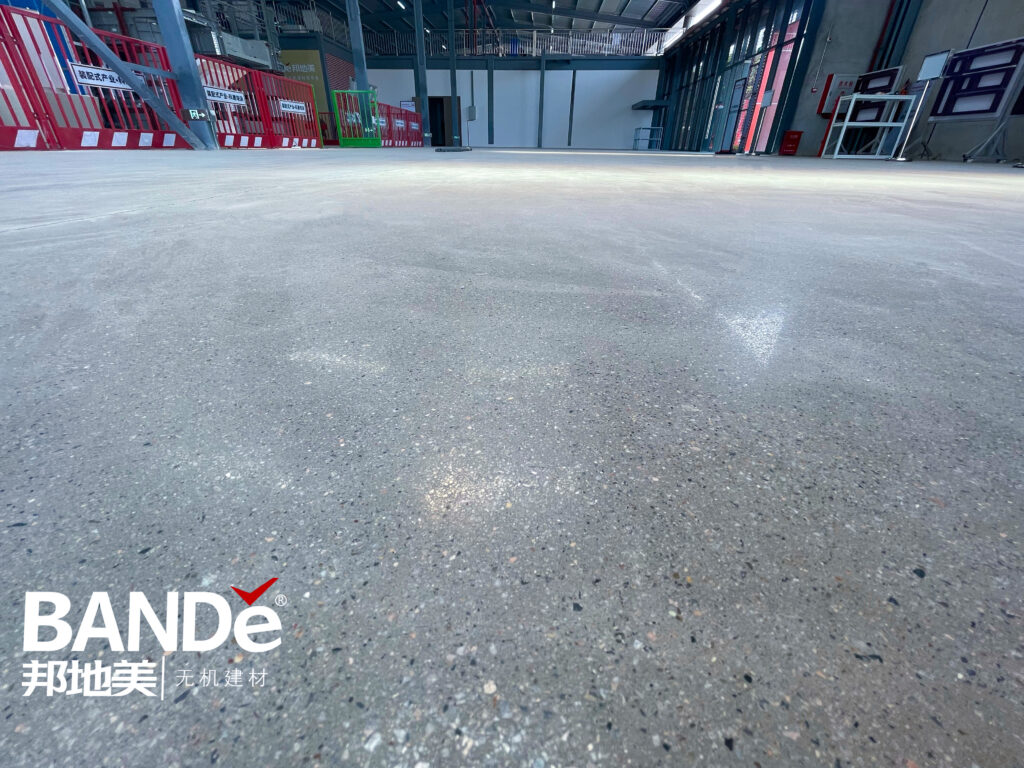
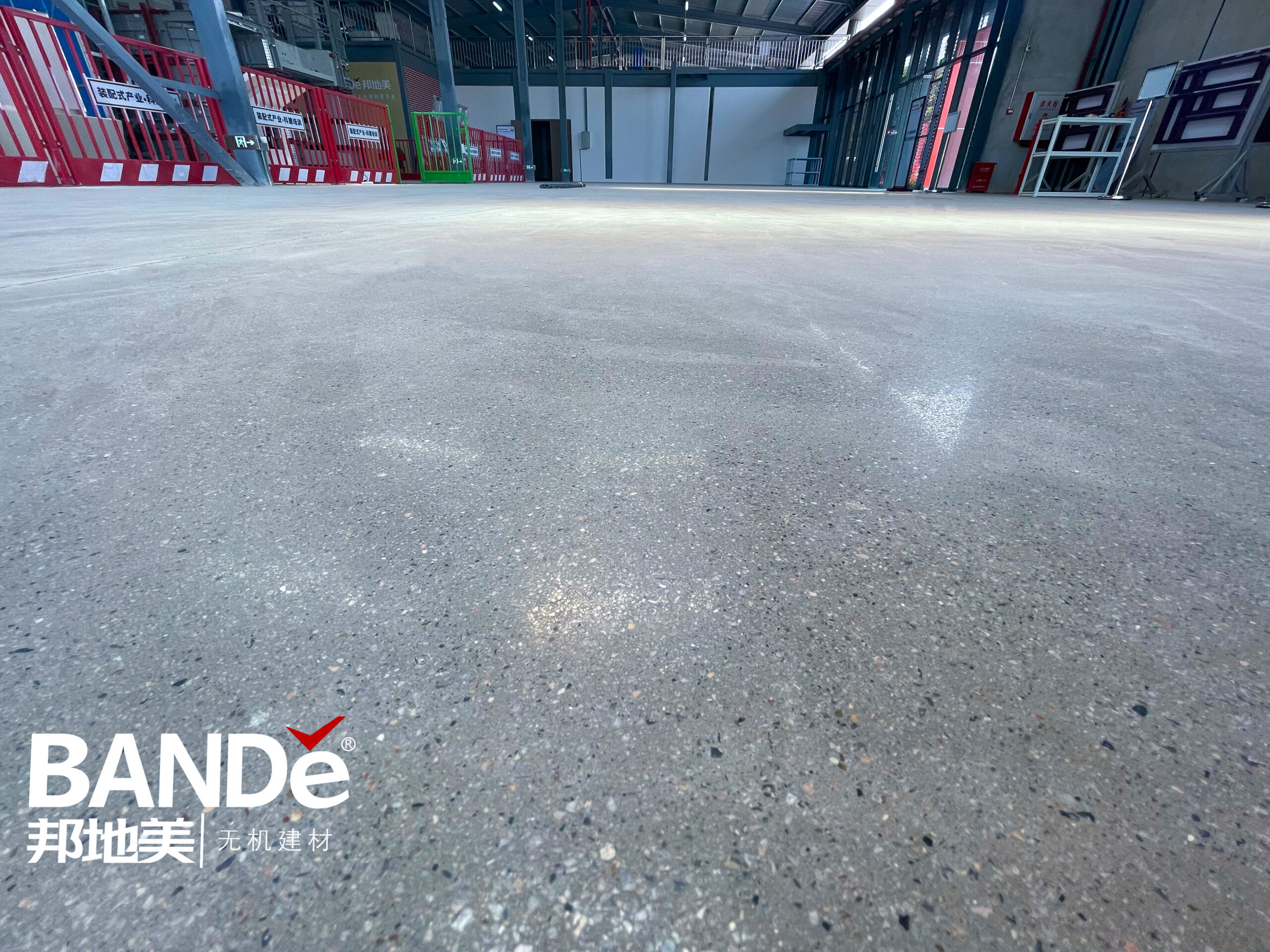
Densifier concrete is a unique flooring option that can greatly benefit supermarkets. It offers impressive durability, low maintenance needs, cost-effectiveness, and a sleek look. Supermarkets require flooring that can withstand heavy foot traffic while remaining attractive. So, is densifier concrete a smart choice for your supermarket?
Key Takeaways
Densifier concrete offers exceptional durability, making it ideal for high-traffic supermarket environments.
Low maintenance needs mean supermarkets can focus on customer service rather than floor upkeep.
While initial costs may be higher, densifier concrete provides long-term savings through reduced maintenance and enhanced safety.
Benefits of Densifier Concrete for Supermarket Flooring
Enhanced Durability
When it comes to supermarket flooring, durability is key. Densifier concrete stands out for its impressive strength. It can handle the heavy foot traffic typical in grocery stores without showing signs of wear. In fact, the compressive strength of densifier concrete can reach up to 8,500 psi, making it significantly more robust than traditional flooring materials. This means fewer repairs and replacements over time, which is a huge plus for supermarket operators.
Low Maintenance Requirements
One of the best features of densifier concrete is its low maintenance needs. Once installed, these floors require minimal upkeep. Regular dusting to remove grit and damp mopping to enhance shine are usually all that’s needed. Occasionally, a buffing with a commercial polishing compound can restore that fresh look. This ease of maintenance is crucial for supermarkets, where cleanliness is vital for customer satisfaction. With reduced maintenance, supermarkets can focus more on serving customers rather than worrying about floor upkeep.
Cost-Effectiveness
Cost is always a consideration for supermarket managers. Densifier concrete offers a compelling value proposition. While the initial installation cost may be comparable to other flooring options, its long-term benefits shine through. For example, the lifecycle cost of polished concrete is generally lower than that of vinyl or tile, which often require more frequent replacements. Here’s a quick comparison of average costs per square foot:
Flooring Option | Average Cost per Square Foot | Lifecycle Consideration |
|---|---|---|
Densifier Concrete Floors | N/A | N/A |
VCT | $15 – $20 | Short-term performance may lead to replacement needs in 20 years |
Ceramic | $4.00 – $16.00 | Varies based on specific type and installation |
Slab Removal and Replacement | $12 – $17 | High cost and long downtime associated with this option |
Investing in densifier concrete can lead to significant savings over time, making it a smart choice for supermarket flooring.
Aesthetic Appeal of Polished Concrete Floors
Let’s not forget about looks! Polished concrete floors can elevate the overall aesthetic of a supermarket. They provide a sleek, modern appearance that can enhance the shopping experience. With various levels of sheen available, from matte to high-gloss, supermarkets can customize their floors to match their brand image. Additionally, decorative options like scoring, staining, and stenciling allow for unique designs that can attract customers. The seamless finish of polished concrete not only looks great but also simplifies cleaning, contributing to a hygienic environment.
Challenges of Densifier Concrete in Supermarkets
Installation Difficulties
Installing densifier concrete can be a bit tricky, especially in a busy supermarket environment. The average installation time for densifier concrete flooring typically takes about 5 days. After installation, it’s crucial to wait 24 hours before allowing foot traffic. This downtime can be challenging for supermarkets that rely on constant customer flow.
Step | Duration |
|---|---|
Average installation time | 5 days |
Additional time before foot traffic | 24 hours |
Moreover, factors like humidity and temperature can affect the installation process. If conditions aren’t ideal, it could lead to issues with the densifier treatment, potentially compromising the floor’s longevity.
Long-Term Performance Concerns
While densifier concrete is known for its durability, some long-term performance concerns exist. For instance, if the concrete sealer wears off, it can lead to wear patterns and a chalky appearance, especially in high-traffic areas. This is something that supermarket managers need to keep an eye on. Regular maintenance is essential to ensure that the surface remains smooth and functional.
Additionally, the hard surface of densifier concrete can amplify sound reflections, creating echo effects in large spaces. To combat this, many retailers install sound-absorbing panels or use area rugs in strategic locations.
Initial Cost Considerations
When it comes to budgeting, initial costs for densifier concrete floors can be higher than some alternatives. However, it’s important to consider the long-term savings. Here’s a quick comparison of initial costs and benefits:
Flooring Type | Initial Cost | Long-term Savings | Maintenance Cost | Safety Benefits |
|---|---|---|---|---|
Cheap Alternatives | Low | Low | High | Moderate |
Polished Concrete/Epoxy | High | High | Low | High |
Investing in densifier concrete may seem steep at first, but the reduced maintenance costs and enhanced safety benefits can make it a wise choice in the long run.
Design Limitations
Densifier concrete does have some design limitations that supermarkets should consider. For example, the unyielding nature of this material can lead to fatigue for staff who stand all day. Many businesses address this by using anti-fatigue mats in checkout areas and providing supportive footwear for employees.
Additionally, the flooring must not only look good but also be safe and easy to navigate. Here are some design considerations:
Hard surfaces amplify sound reflections, creating echo effects.
The cool temperature of the floor can be uncomfortable for some customers.
Grocery store floors must withstand heavy foot traffic and shopping cart traffic.
On the bright side, densifier concrete allows for customization through staining and decorative designs. This means supermarkets can enhance their branding while maintaining a functional floor.
Densifier concrete offers many benefits for supermarket flooring, like durability, low maintenance, and aesthetic appeal. However, challenges such as installation difficulties and initial costs exist.
Consider these factors when deciding:
Factor | Description |
|---|---|
Densified concrete is often more cost-effective compared to other flooring options. | |
Lifespan | A properly densified concrete floor can last between 15 and 20 years with proper maintenance. |
Maintenance requirements | Regular maintenance is essential to ensure longevity and performance of the flooring. |
Durability against wear and tear | Densified concrete is designed to withstand heavy traffic and resist damage. |
Safety improvements | Enhanced safety features can be achieved with densified concrete flooring. |
Aesthetic appeal | Densified concrete can improve the overall look of the supermarket space. |
Ultimately, weigh these factors against your supermarket’s unique needs to make the best flooring choice!
FAQ
What is densifier concrete?
Densifier concrete is a type of concrete that undergoes a treatment process to enhance its durability and strength, making it ideal for high-traffic areas like grocery store floors.
How does polished concrete compare to epoxy flooring?
Polished concrete offers a sleek, hygienic surface that requires less maintenance than epoxy flooring, which can wear down over time and may need frequent refinishing.
What are the maintenance requirements for densified concrete floors?
Densified concrete floors require minimal upkeep. Regular dusting and damp mopping are usually enough to keep them looking great and hygienic.
See Also
Selecting The Ideal Concrete Densifier For Your Warehouse
Top Floor Hardening Options Available In The Philippines
BANDe’s Comprehensive 2025 Guide To Polished Concrete Densifiers
Optimal Floor Hardening Solutions For UK Industrial Warehouses
