

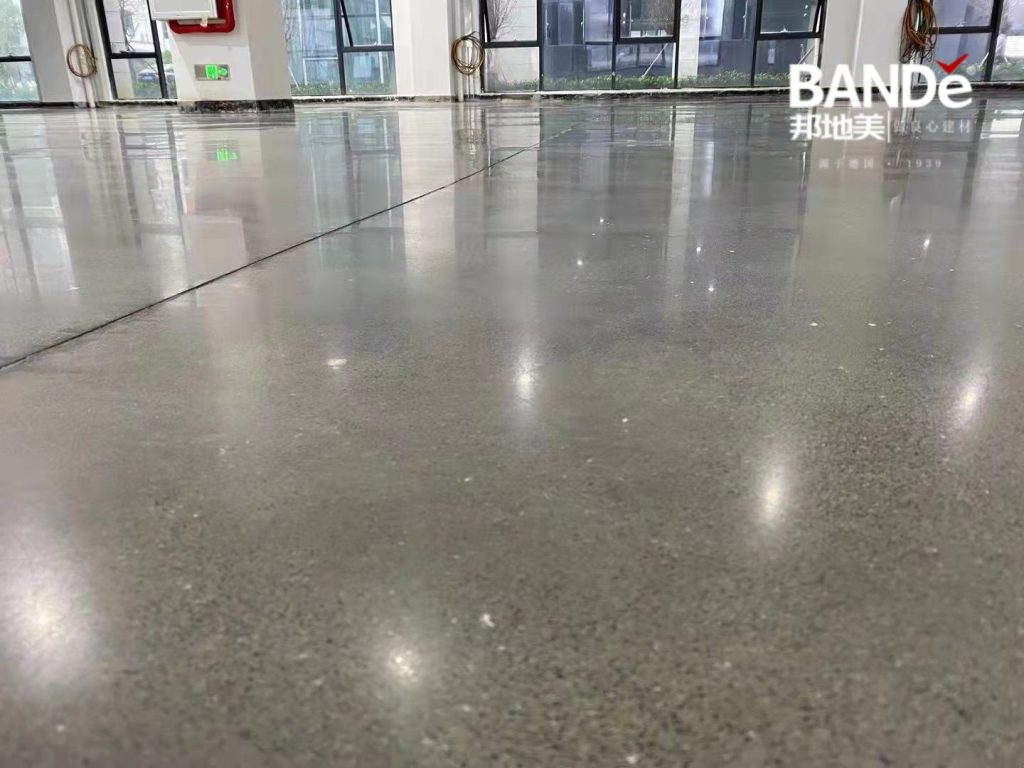
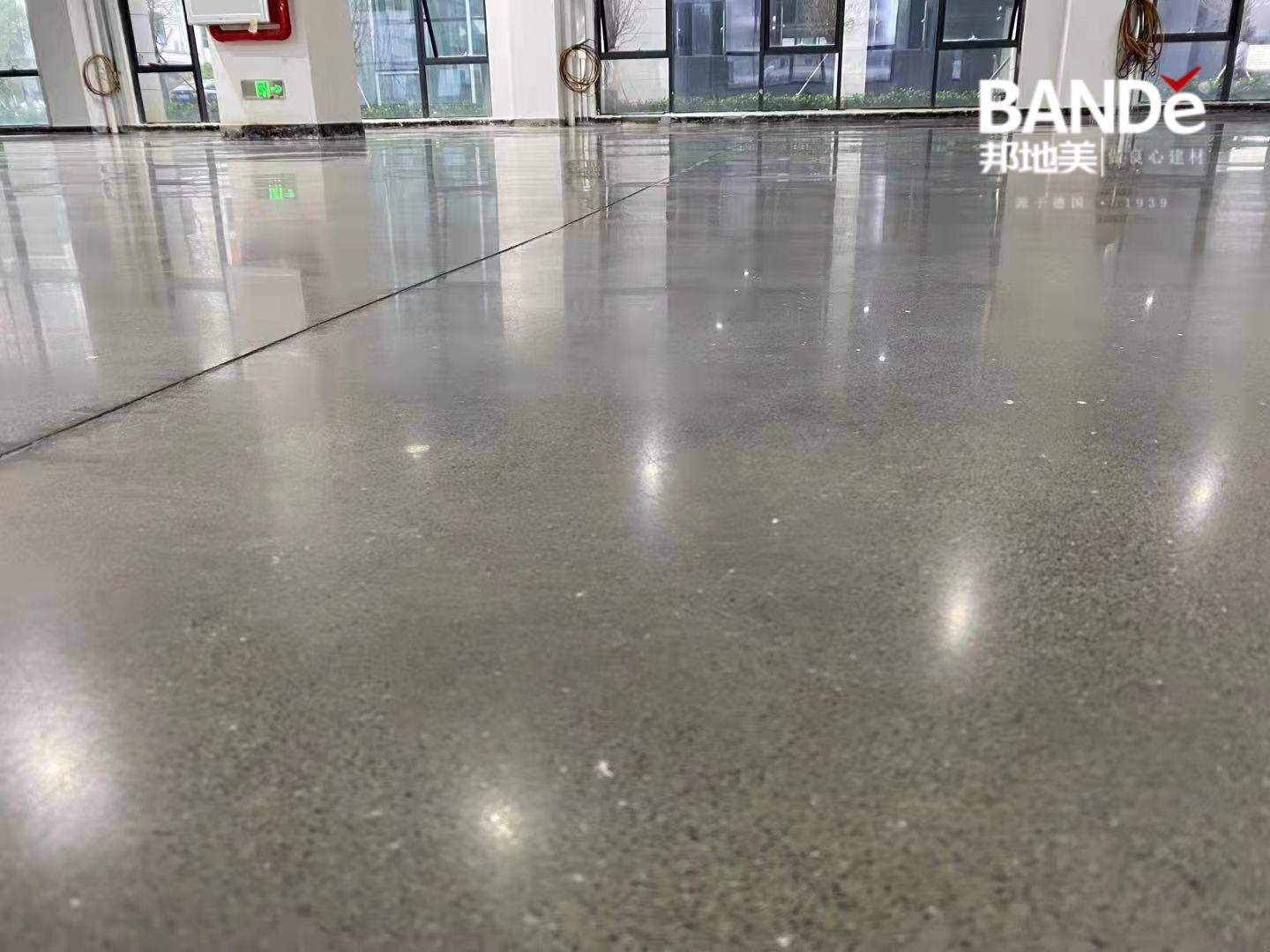
Treating anti-dusting cement is crucial for maintaining the strength of your concrete surfaces. When dust accumulates, it can harm the floor, potentially leading to costly repairs. It’s essential to take action to prevent this issue. Utilizing the appropriate anti-dusting cement treatment methods can yield excellent results. By effectively cleaning, sealing, and densifying, you can safeguard your investment and ensure a finish that endures over time.
Key Takeaways
Treating anti-dusting cement the right way stops damage and lowers repair costs.
Cleaning, sealing, and densifying regularly are key steps to reduce dust on concrete.
Knowing about environmental factors helps keep concrete safe from dust and makes it last longer.
Using good products, like chemical hardeners and sealers, makes concrete stronger and lasts longer.
Using dust control methods creates a safer work area and cleaner air.
Causes of Concrete Dusting
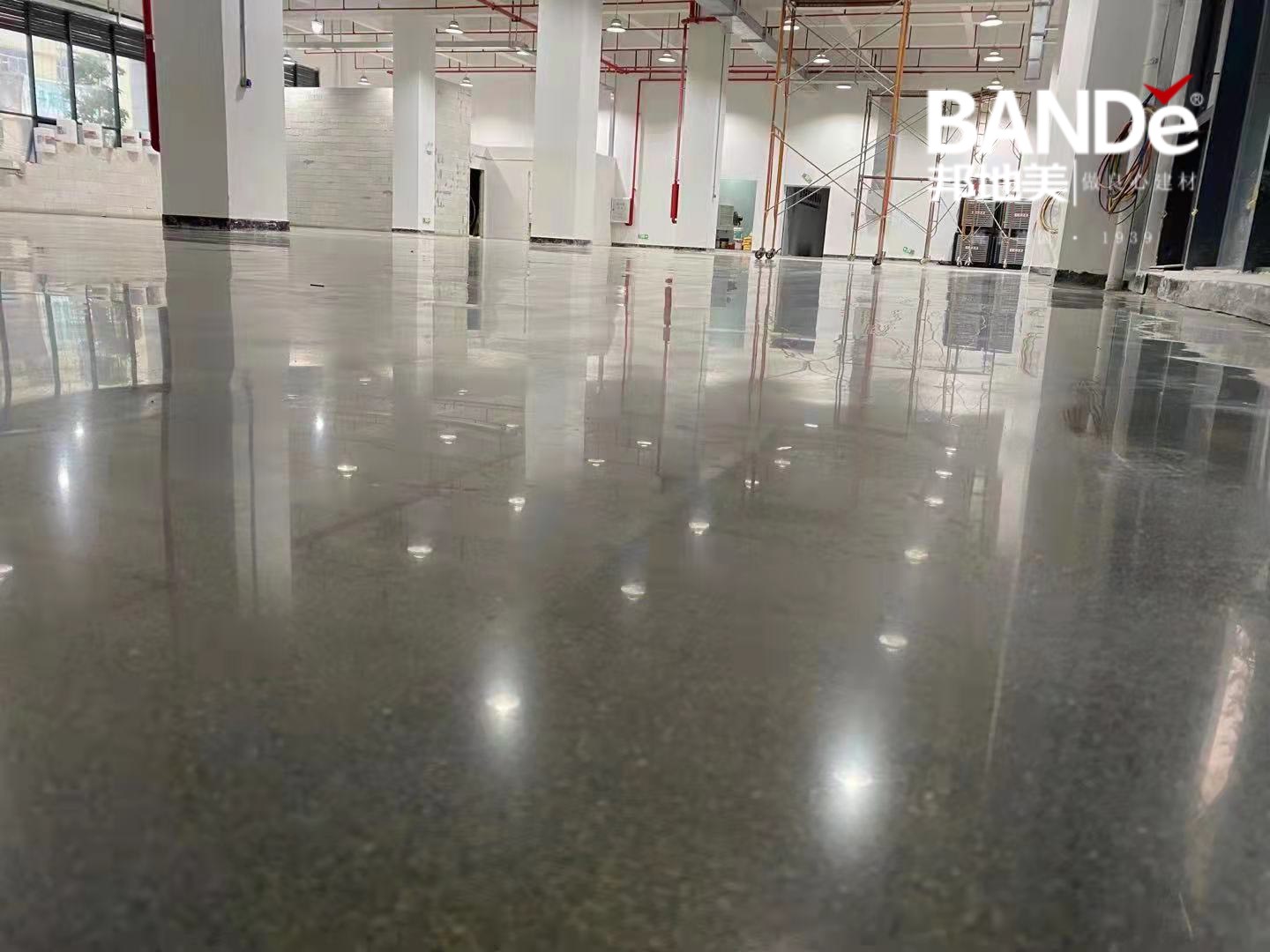
Concrete dusting can happen for many reasons. Knowing these reasons helps you stop problems later. Two main causes are bad curing methods and environmental issues.
Improper Curing Techniques
Curing is very important for strong and lasting concrete. If you do not cure concrete the right way, it can create a weak top layer. This layer does not stick well and can break apart easily, causing dust. Here are some common curing problems:
Inadequate moisture retention: If the concrete does not keep enough moisture while curing, it can weaken the top. This weakness makes it easier for dust to form.
Excessive water content: Adding too much water to the mix can cause tiny particles to rise to the top. This makes a layer that breaks apart easily, adding to concrete dust.
Weak surface layers: Things like using the wrong cement, bad finishing, or too much water can make weak surfaces. These surfaces wear down, causing concrete dust.
To lower concrete dusting, make sure to use good curing methods. This means keeping enough moisture and not using too much water in the mix.
Environmental Factors
Environmental conditions also matter for concrete dusting. Things like temperature, humidity, and chemical exposure can change how strong your concrete is. Here are some environmental factors to think about:
Temperature fluctuations: Quick changes in temperature can make the concrete expand and shrink. This movement can cause cracks and damage the surface.
High humidity: Too much moisture in the air can mess up the curing process. It might stop the concrete from drying right, making the surface weak.
Chemical exposure: Some chemicals can react with the concrete, making it weaker. For example, using too many release agents can make the surface porous, increasing dusting chances.
By knowing these environmental factors, you can protect your concrete surfaces. Using concrete dusting prevention methods will help keep your floors strong.
Anti-Dusting Cement Treatment Methods
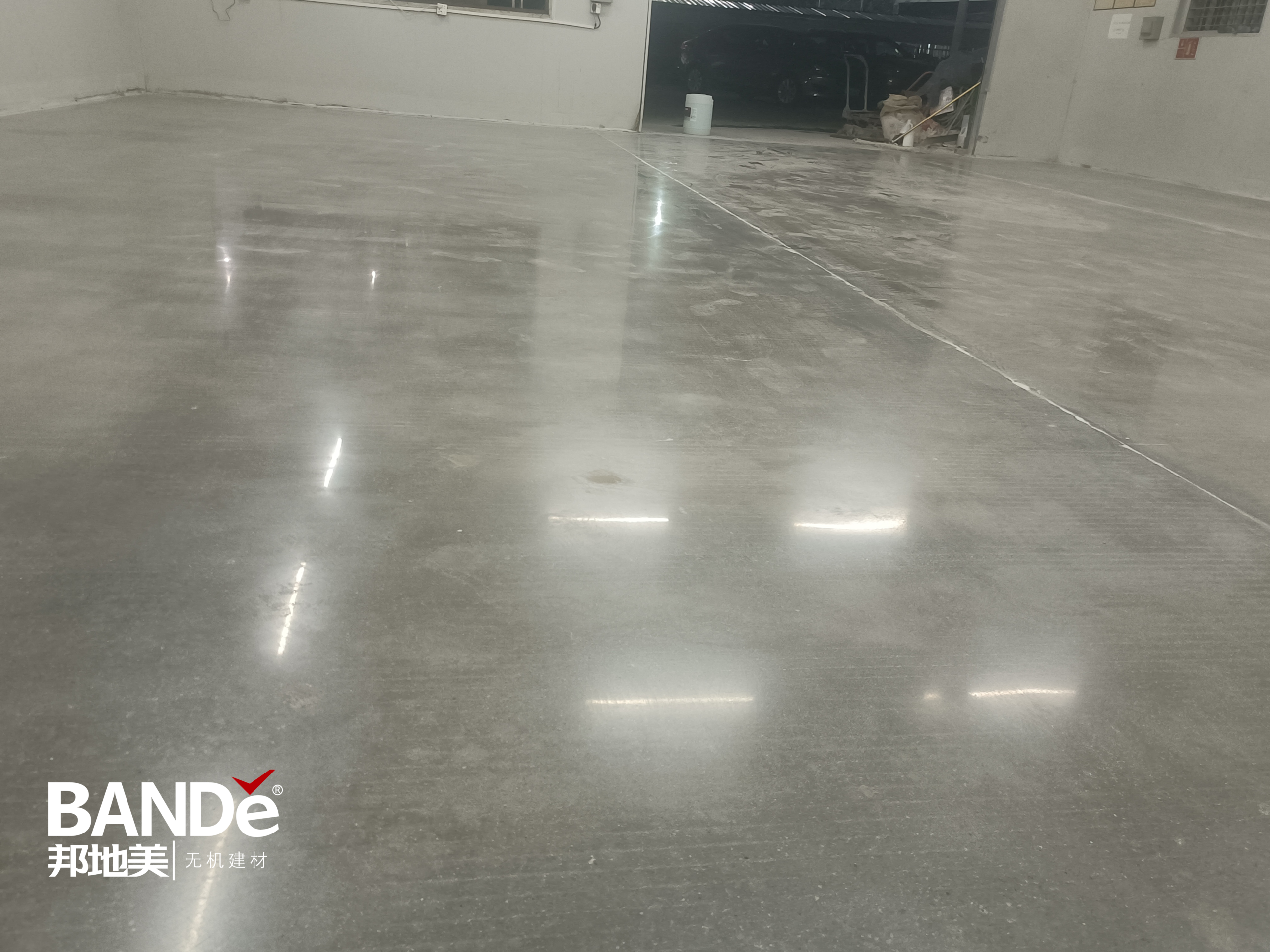
To treat anti-dusting cement well, you need to follow some important steps. Cleaning the surface and using sealers and densifiers are key for good results.
Cleaning the Surface
Before you treat the concrete, clean it very well. This step makes sure that dirt does not stop the treatment from sticking. Here are the steps to clean effectively:
Clean the concrete surface to get rid of dirt.
Take off any old coatings or dirt that might block adhesion.
Use mechanical profiling to open the concrete pores for a better bond.
Test for moisture to check if the slab is dry enough before treatment.
Cleaning gets the surface ready for the next steps. A clean surface helps the densifier soak in better, making the concrete stronger.
Applying Sealers and Densifiers
After cleaning, you can put on sealers and densifiers to cut down on dust. These products work with the concrete to make it stronger. Here’s how they help:
Evidence Description | Key Interaction | Result |
|---|---|---|
Densifiers react with calcium hydroxide | Makes a denser surface by filling pores | Reduces dust and improves concrete strength |
Silicate densifiers bond to calcium hydroxide | Boosts durability and lowers porosity | |
Silicate densifiers create hard molecules | Cuts down on dust and improves stability | |
Reaction of silicate with calcium hydroxide | Strengthens concrete |
Using a concrete densifier seals the surface well, which helps reduce dust. This makes the air cleaner, especially for people with allergies or breathing issues.
But be careful when applying. Common mistakes can change the results. Here are some errors to avoid:
Putting on chemical hardeners too soon can make them less effective because of free water in the concrete.
Not preparing the surface well can stop the hardener from soaking in.
Using wrong application methods can lead to poor hardening and densification.
After you apply the densifier, let it cure properly. At 70°F (21°C) and 50% humidity, surfaces should be dry and walkable in about one hour. If you plan to seal, wait 24 hours for the densifier to cure before sealing.
By following these steps, you can make sure your anti-dusting cement treatment works well and lasts a long time.
Concrete Dust Control Products
Using the right products is very important for treating anti-dusting cement. Two main types of products are chemical floor hardeners and sealers. Both help make your concrete surfaces last longer.
Chemical Floor Hardeners
Chemical floor hardeners help make your concrete stronger and last longer. They soak into the surface and react with the concrete. This creates a denser and tougher layer. Here are some common types of chemical hardeners:
Product Type | Advantages | Longevity Benefits |
|---|---|---|
Lithium Silicate | Goes deeper, makes concrete harder, stops dust, resists moisture | Lowers risk of ASR and cracks, lasts a long time |
Sodium Silicate | Can cause damage and dusting | Shorter life than lithium silicate |
Acrylic/Polyurethane | Protects the surface but does not make concrete denser | Not as good for long-lasting durability |
Using these hardeners can really boost the hardness of your concrete. For example, lithium silicate hardeners can raise the Mohs hardness value of refined concrete to between 7 and 9. This means less upkeep in busy areas.
Recommended Sealers
Sealers are also very important for controlling concrete dust. They create a protective layer that stops moisture and dirt from getting in. Here are some benefits of using concrete sealers:
Benefit | Description |
|---|---|
Makes concrete stronger by filling tiny holes, creating a denser surface. | |
Enhanced Surface Protection | Forms calcium silicate hydrate (CSH) gel, which improves density and keeps stains out. |
Lower Maintenance Costs | Densified floors last longer, so you need fewer repairs and less maintenance. |
Using good sealers can help you get dustproof concrete. This makes your surfaces easier to clean and take care of.
Besides these products, think about using dust control methods like wet cutting and dust collection systems. These methods reduce dust at the source and keep the area cleaner.
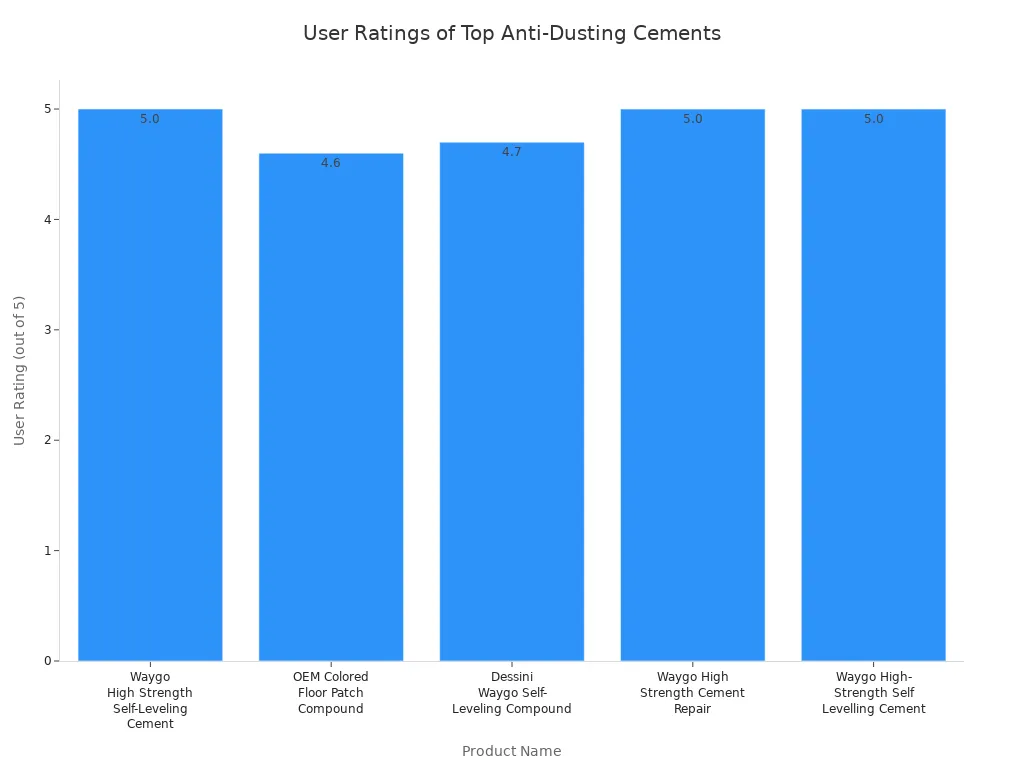
By choosing the right dustproofing products, you can keep your concrete surfaces strong and lasting for many years.
Taking care of anti-dusting cement is very important for keeping concrete surfaces strong and lasting. Here are the main points:
Good Treatment: Treating it well stops damage and cuts down on repairs.
Dust Control Steps: Regular care and using sealers and densifiers help reduce dust.
Worker Safety: Using dust control methods keeps workers safe from health risks.
By using these tips, you can make your concrete last longer and create a safer place to work. Spending on good treatment now means lower maintenance costs and a cleaner, healthier area for everyone. 🌟
FAQ
What is anti-dusting cement?
Anti-dusting cement is a special kind of concrete. It helps reduce dust on surfaces. It has extra materials that make it stronger and less likely to wear out. This makes it great for busy areas.
How do I know if my concrete needs treatment?
You can look for dust buildup or wear on the surface. If you see a lot of dust or feel a rough surface, your concrete probably needs treatment. This will help it last longer and look better.
Can I apply sealers myself?
Yes, you can put on sealers by yourself. Just make sure to follow the instructions from the manufacturer. Preparing the surface well and waiting for the right curing time are very important for good results.
How often should I treat my concrete?
You should treat your concrete every 3 to 5 years. This depends on how much traffic it gets and the environment. Regular care helps your concrete last longer.
What are the benefits of using densifiers?
Densifiers make concrete stronger by filling in tiny holes. They help reduce dust and make the surface tougher. This means it can resist wear, stains, and damage from moisture better.
See Also
Applying Concrete Dust Sealers for a Cleaner, Dust-Free Floor
The Complete Guide to Effectively Using Cement Crack Sealers
A Comprehensive 2025 Guide to Concrete Dust Sealers
Selecting the Top Polished Concrete Densifier: BANDe’s 2025 Guide
Essential Concrete Dustproofer Sealers: BANDě’s Comprehensive Guide
