

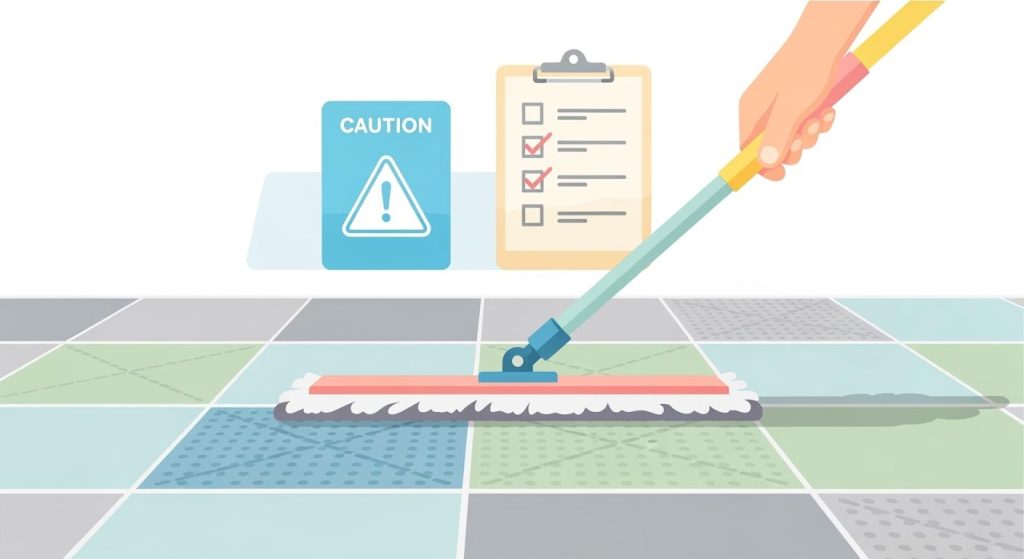
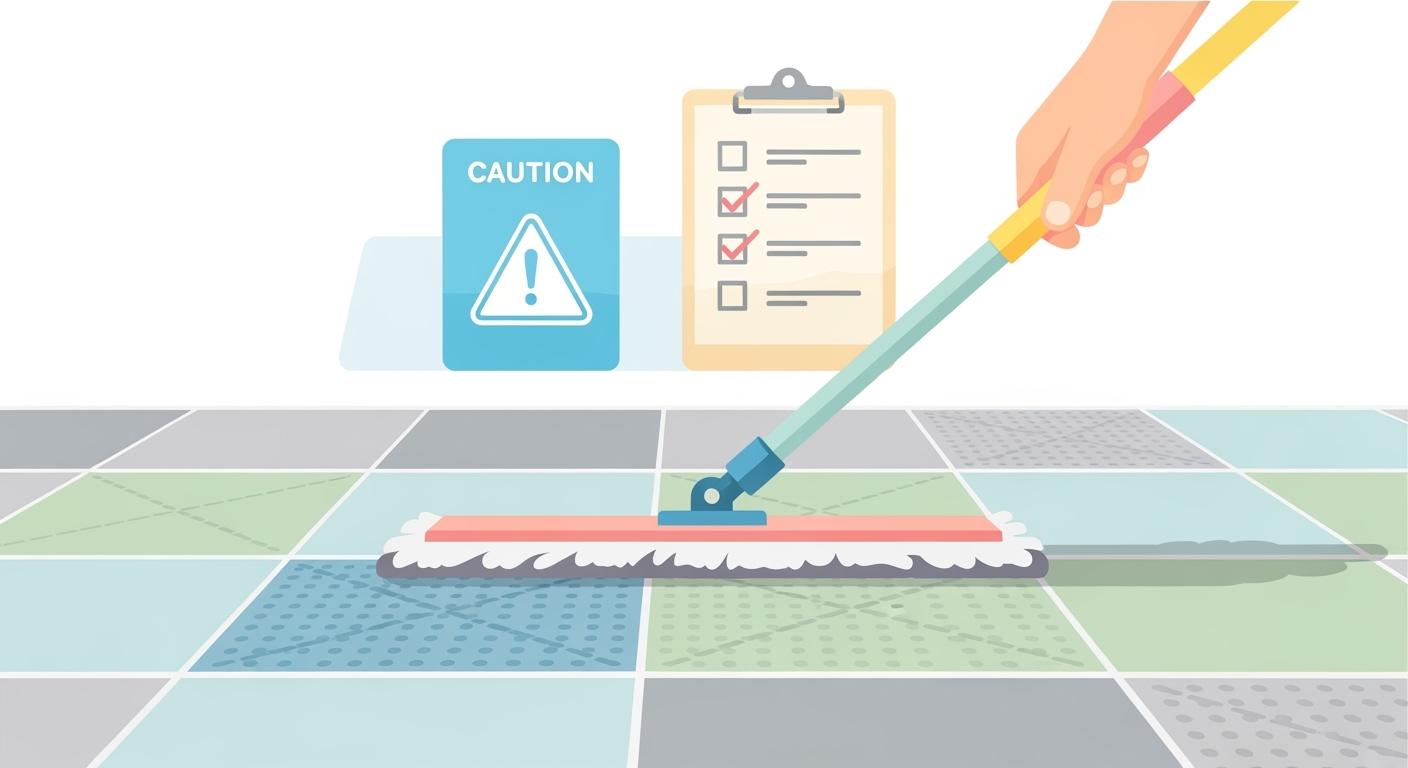
Keeping your anti-slip for tiles safe is crucial for preventing accidents and ensuring they last. Studies show that only two out of ten common floor surfaces maintain safe traction when wet. With proper care, like using the right cleaning methods, you can preserve the effectiveness of your anti-slip for tiles and enhance safety. Regular maintenance not only keeps your tiles looking good but also helps them perform their best over time.
Key Takeaways
Regular cleaning of anti-slip tiles is crucial. Use recommended cleaning solutions to maintain their effectiveness and safety.
Conduct routine inspections to identify potential hazards. Address any wear and tear promptly to ensure long-lasting safety.
Implement preventive measures, such as using non-slip mats and applying anti-slip treatments, to enhance traction and reduce slip risks.
Cleaning Tips for Anti-Slip Tiles
Keeping your anti-slip tiles clean is essential for maintaining their safety and effectiveness. Here are some tips to help you with your cleaning practices.
Recommended Cleaning Solutions
When it comes to cleaning your anti-slip tiles, using the right solutions makes all the difference. Here are some recommended options:
Anti-Slip Nano Coatings: These fast-acting solutions improve traction instantly.
Non-Slip Tile Treatment Chemicals: They create microscopic pores for increased friction without changing the tile’s appearance.
Clear Anti-Slip Coating: This adds an invisible grip layer, perfect for areas where aesthetics matter.
Anti-Slip Sealers: These protect and enhance traction for porous stones.
Anti-Slip Grip Tape: A quick temporary fix for specific slippery areas.
For regular cleaning, consider these effective cleaners:
CoverClean FG: A heavy-duty cleaner that tackles stubborn oils and grease.
CoverClean HC: Targets petroleum-based oils using microbial action.
Emerald Enzyme: A daily cleaner that helps maintain cleanliness after deep cleaning.
Tools for Effective Cleaning
Using the right tools can make your cleaning routine more efficient. Here are some effective options:
Cleaning Tool Type | Description |
|---|---|
Easy to use, covers more ground, and can target stained grout with a concentrated stream. | |
Pour Spouts | Allows direct application onto stained areas but requires careful handling to avoid over-pouring. |
Gels and Pastes | Manageable for spot-cleaning, versatile, and abrasive enough for tough stains without scratching tiles. |
Additionally, consider using microfiber mops. They can eliminate up to 98% of bacteria using just water, making them a hygienic choice. Their design allows them to reach tight corners and under furniture, enhancing their cleaning capability.
Step-by-Step Cleaning Process
To ensure your anti-slip tiles stay in top shape, follow this step-by-step cleaning process:
Remove all possible obstructions like desks, chairs, and waste baskets.
Clean the area with a vacuum or damp mop.
Use a putty knife to remove any gum or sticky residues.
Set up safety ropes or warning signs to alert others.
Mix about four ounces of household ammonia with each gallon of liquid germicidal detergent or use a special wax remover.
Apply the stripping solution to the floor with a mop.
Allow the solution to sit undisturbed for 3 to 5 minutes to loosen dirt and film.
For best results, scrub the floor. In tough cases, agitation with a brush or steel wool may be necessary.
Pay special attention to corners, cove bases, and baseboards.
Wipe any splatters on baseboards and equipment immediately.
Pick up the dirt scrubbing solution with a mop or vacuum.
Rinse thoroughly with clear water.
Allow the floor to dry after picking up the rinse water.
Regular cleaning not only keeps your tiles looking great but also ensures they remain safe to walk on. By following these tips, you can maintain the effectiveness of your anti-slip tiles for years to come.
Preventive Measures for Slippery Floor Tiles
Keeping your anti-slip tiles safe goes beyond just cleaning. You also need to take preventive measures to ensure they remain highly slip-resistant. Here are some effective strategies to consider.
Choosing the Right Products
Selecting the right products can significantly enhance the safety of your tiles. Here’s a quick overview of some effective anti-slip tile coatings:
Treatment/Product | Best For | Description |
|---|---|---|
Stone Grip | Porcelain & Ceramic Tiles | Fast-acting treatment that etches tile for improved traction without altering appearance. |
Deck Grip | Outdoor Tile Areas | Clear anti-slip coating for patios and pool surrounds, durable and UV resistant. |
Polish Grip | Polished Tiles | Designed for polished surfaces, improves grip while maintaining shine. |
Using these products can help you maintain the effectiveness of your anti-slip tiles. They create a safer environment, especially in areas prone to moisture.
Seasonal Maintenance Tips
Seasonal changes can introduce new challenges for maintaining your anti-slip tiles. Here are some factors to keep in mind:
Condensation: Humid air meeting cooler tile surfaces can create slick patches.
Sweating Concrete: Moisture absorption by concrete can lead to surface dampness.
Freeze-thaw cycles: Water from melted snow can refreeze, creating slippery conditions.
Unpredictable showers: Sudden rain can catch property owners off guard, leading to wet floors.
Temperature swings: Fluctuations can cause surface cracks that accumulate water.
To combat these issues, consider these maintenance tips during winter or rainy seasons:
Regularly clean tiled floors to remove dirt and spills that can cause slipperiness.
Immediately remove snow and ice from tiled areas to prevent slipping hazards.
Use non-slip area rugs and mats in high-risk areas to enhance safety.
Implement floor signs and caution indicators in commercial spaces to alert individuals of slippery conditions.
By taking these preventive measures, you can significantly reduce the risk of accidents caused by slippery floor tiles. Keeping surfaces free of contaminants and using the right products will help ensure your tiles remain safe and effective for years to come.
Maintenance Tips for Longevity
Maintaining your anti-slip tiles is key to ensuring they last and remain safe. Regular inspections and addressing wear and tear can help you catch potential issues before they become serious problems.
Routine Inspections
You should conduct routine inspections to keep your anti-slip tiles in top shape. Here’s a handy checklist to guide you:
Inspection Item | Description |
|---|---|
Hazard Identification | Identify potential slip hazards on tile surfaces. |
Risk Evaluation | Assess the risks associated with identified hazards. |
Control Implementation | Implement measures to mitigate identified risks. |
Frequent Inspection and Monitoring | Conduct regular inspections to ensure ongoing safety and maintenance of tile surfaces. |
Housekeeping | Maintain cleanliness to prevent slip hazards. |
Immediate Reporting of Hazards | Ensure that any hazards are reported immediately for prompt action. |
Use of Warning Signs and Barricades | Place signs and barriers to alert individuals of potential slip hazards. |
Employee Training | Train staff on slip prevention and proper maintenance practices. |
Documentation | Keep records of inspections and maintenance activities for accountability and review. |
Aim for monthly inspections to check for signs of wear, cracks, or loose sections on your tile surfaces. Regular monitoring ensures that your anti-slip measures remain effective. If you spot any hazards, take immediate action to maintain safety.
Addressing Wear and Tear
Over time, your anti-slip tiles may show signs of wear and tear. Here are some common signs to watch for:
Accumulation of dirt can create slippery surfaces.
Improper cleaning methods may leave a buildup of floor polish or wax, making tiles smoother.
Moisture, especially in bathrooms and near swimming pools, is a primary cause of slipperiness.
Grease and soap residues in food factories can create a dangerous film on tiles.
Growth of mold on damp tiles increases slipping risks in wet areas.
To address these issues, follow these steps:
Conduct regular inspections to check for signs of wear, cracks, or loose sections.
Implement proper cleaning methods to avoid removing the natural grip of the tile surface.
Apply anti-slip treatments to maintain the texture and grip of the tiles.
You should also pay attention to grout and sealants. Inspect them regularly to ensure they remain intact. Here’s a quick guide on how often to maintain them:
Condition | |
|---|---|
General areas | Every 12 to 18 months |
High foot traffic areas | Every 9 to 12 months |
Commercial spaces | At least twice a year |
Exposure to moisture | More frequent in bathrooms/laundry rooms |
By staying proactive with your maintenance, you can extend the life of your anti-slip tiles and keep them safe for everyone.
How to Solve Slippery Floors
Dealing with Stains
Stains on your anti-slip tiles can make them slippery and unsafe. To effectively tackle stubborn stains without compromising slip resistance, follow these steps:
Prepare a Cleaning Solution: Mix warm water with a pH-neutral cleaner. This combination helps break down stains without harming the tile surface.
Apply the Solution: Spread the mixture evenly over the stained area and let it sit for a few minutes. This allows the cleaner to penetrate and loosen the grime.
Gently Scrub: Use a soft-bristle brush or pad to scrub the area. Avoid harsh abrasives that could damage the tile’s texture.
Rinse Thoroughly: After scrubbing, rinse the area well to remove any leftover cleaner. This step prevents a slippery film from forming.
By using these methods, you can keep your tiles clean and safe.
Fixing Slippery Areas
If you notice persistent slippery areas on your tile floors, don’t worry! There are several effective solutions to enhance traction. Here’s a quick overview of some recommended treatments:
Solution | Description |
|---|---|
Nano Coating | Provides a high traction surface and maintains shine. |
Microbial-based Cleaners | Efficiently deep cleans stubborn oils and grease. |
Surface GripTreat | Modifies surface characteristics for better traction. |
GlazeGuard Plus | A waterproof and chemical-resistant slip-resistant coating. |
Nano Coatings | Increases the coefficient of friction on smooth surfaces without changing appearance. |
Additionally, consider applying anti-slip coatings in high-traffic areas like kitchens, bathrooms, and commercial spaces. These treatments can restore or enhance slip resistance, ensuring safety for everyone.
By following these tips on how to solve slippery floors, you can maintain a safe environment and enjoy the longevity of your anti-slip tiles.
Maintaining your anti-slip tiles is essential for safety and longevity. Regular cleaning and inspections keep them effective and reduce the risk of accidents. Remember, proper maintenance techniques should be taught to employees to ensure the tiles remain in good condition.
Regular care leads to long-term savings. You’ll spend less on repairs and cleaning costs while supporting sustainable practices.
So, take these tips to heart and enjoy safer, longer-lasting tiles!
FAQ
What are anti-slip coatings?
Anti-slip coatings enhance traction on surfaces, reducing the risk of slips and falls. They create a high traction surface that keeps your tiles safe.
How often should I apply anti-slip treatments?
You should apply anti-slip treatments every 12 to 18 months, especially in high traffic areas, to maintain effective resistance against slips.
Can I use regular cleaners on anti-slip tiles?
Avoid using harsh cleaners on anti-slip tiles. Stick to pH-neutral solutions to preserve the traction and surface integrity.
See Also
Simple Tips for Safer Floors with Anti-Slip Tile Treatment
Selecting the Top Anti-Slip Tile Treatment for 2025
Discover the Seven Best Tile Cleaners for 2025
