

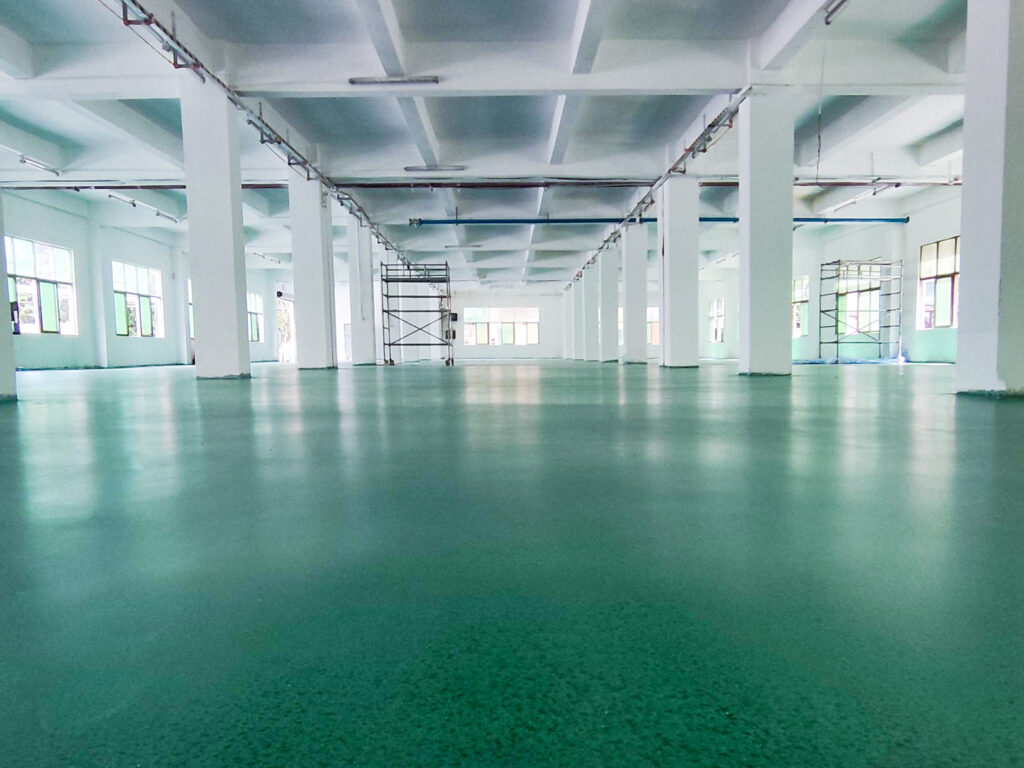
Durable concrete floors are critical in many settings, with demands increasing significantly by 2025. Choosing the right floor hardener is crucial for longevity and performance. This guide explores the two main floor hardener types: liquid and dry shake. It helps you pick based on your project’s traffic, budget, and desired finish.
Key Takeaways
Liquid hardeners are good for existing floors. They make the surface stronger and reduce dust. They are also good for polished concrete floors.
Dry shake hardeners are for new concrete floors. They make the floor very strong and resistant to heavy use. They are best for places with heavy machines or lots of traffic.
Choose your hardener based on your project’s needs. Think about how much traffic the floor will get. Also, consider if the floor is new or already built.
Understanding Floor Hardeners: Importance and Types
Floor Hardener Definition and Purpose
Concrete floors are incredibly versatile, but they face constant challenges from daily operations. A concrete hardener is a specialized material that significantly enhances the surface of these floors. Think of it as a protective shield that makes your concrete stronger and more resilient. It deeply improves the surface’s durability, making it highly resistant to abrasion, impact, and even chemical spills. This means your floor lasts much longer and maintains its appearance. Hardeners also play a key role in reducing dusting, which keeps your facility cleaner and safer for everyone. They are absolutely crucial for ensuring long-term strength, resistance, and aesthetic appeal in any concrete application.
Modern Demands for Durable Floors
Today, businesses expect more from their flooring. Warehouses, manufacturing plants, and busy retail spaces need surfaces that can withstand heavy traffic, constant machinery movement, and continuous use without showing significant wear. This evolving need for durable, low-maintenance flooring solutions is a major trend. Experts project a significant increase in demand for industrial floor hardeners by 2025. Companies want floors that perform exceptionally well and require minimal upkeep, saving both time and money. To meet these tough requirements, you must choose the right solution. This involves understanding the various floor hardener types available. Each of these floor hardener types offers unique benefits, making them suitable for different project demands and ensuring your floor stands up to the test.
Liquid Floor Hardeners: Chemical Densifiers
Liquid Hardener Composition and Function
Liquid floor hardeners are typically inorganic solutions. They often contain silicate, which is a key component. A specific liquid concrete hardener, for example, is a one-component solution. It uses metallic silicate with a high silica content. These hardeners are mostly water, silicate, and other chemical-based solutions. They penetrate the concrete surface. Once inside, they react chemically with the concrete. This reaction densifies and hardens the concrete.
Key Characteristics and Properties
These hardeners work by filling the pores within the concrete. This makes the surface much denser and stronger. They do not form a film on top of the concrete. Instead, they become an integral part of the surface itself. This process makes the concrete more resistant to wear and tear.
Liquid Hardener Uses and Applications
People use liquid hardeners for many purposes. They are great for dustproofing concrete floors. They also increase abrasion resistance. You can use them to strengthen existing concrete surfaces. They are also excellent for preparing surfaces for polished concrete. Liquid floor hardeners like Sikafloor® CureHard-24 are common in concrete flooring systems for warehouses. They effectively reduce dust emissions and increase abrasion resistance in treated concrete surfaces. Other common places include industrial warehouses, factories, commercial centers, hospitals, laboratories, and food processing units. They even help with crack filling in industrial cementitious floors.
Liquid Hardener Advantages
Liquid hardeners offer several benefits. They are generally easy to apply. For certain uses, they are quite cost-effective. They also provide aesthetic benefits, making the floor look better. BANDě Concrete Densifier is a good example of a high-quality liquid hardener.
Liquid Hardener Disadvantages
However, liquid hardeners do have some drawbacks. They offer limited impact resistance compared to other floor hardener types. Their hardening effect is mostly at the surface level. This means they do not strengthen the entire concrete slab deeply.
Dry Shake Floor Hardeners: Metallic and Non-Metallic
Dry Shake Hardener Composition and Application
Dry shake floor hardeners are ready-to-use mixtures. They contain hydraulic binders, special additives, fibers, and carefully selected hard materials. Workers apply these mixtures to fresh concrete surfaces. They broadcast the dry powder evenly over the wet concrete before it sets. This method ensures the hardener integrates directly into the top layer of the slab.
Key Characteristics and Properties
These hardeners become an integral part of the concrete slab. They do not just sit on top. This integration gives the floor extremely high wear resistance. These hardeners create incredibly tough surfaces. For example, a non-metallic dry shake hardener like Estotop SQ achieves a Mohs Hardness of 7-8. This product reinforces floor slabs and screeds, providing excellent abrasion resistance and reducing dust, especially in areas with severe mechanical wear or heavy traffic.
Dry Shake Hardener Uses and Applications
Dry shake hardeners are ideal for heavy-duty industrial floors. They work well in high-traffic areas and on new concrete pours. Metallic hardeners prevent specific issues like sparking or static electricity. Non-metallic types include standard, light-reflective, and emery floor hardeners. These different floor hardener types offer solutions for various industrial needs.
Dry Shake Hardener Advantages
These hardeners offer superior abrasion and impact resistance. They provide long-term durability, making floors last for many years. You can also choose from various color options, which adds to the aesthetic appeal.
Dry Shake Hardener Disadvantages
Applying dry shake hardeners requires skilled labor and precise timing. You must apply them to fresh concrete, which limits their use on existing floors. They can also be more expensive than liquid hardeners for some projects.
Liquid vs. Dry Shake: A Direct Comparison
Choosing the right concrete floor treatment involves understanding the key differences between liquid and dry shake hardeners. Each type offers unique benefits and drawbacks. This comparison helps clarify which option best suits specific project needs.
Application Method Differences
The application process for liquid and dry shake hardeners varies significantly. Workers apply liquid hardeners to cured concrete. They typically spray or mop the solution onto the existing surface. The liquid then penetrates the concrete, reacting chemically to densify it. This method is relatively straightforward and does not require specialized timing with concrete pouring.
On the other hand, dry shake hardeners require application to fresh, wet concrete. Workers broadcast the dry powder mixture evenly over the newly poured slab. They then float and trowel the material into the surface. This process integrates the hardener directly into the top layer of the concrete. This method demands precise timing and skilled labor to ensure proper bonding and a uniform finish.
Performance and Durability
When it comes to performance, both hardeners enhance concrete, but they do so differently. Liquid hardeners primarily densify the surface. They improve abrasion resistance and reduce dusting. However, their hardening effect is mostly superficial. They do not significantly increase the concrete’s impact resistance or overall structural strength beyond the top few millimeters.
Dry shake hardeners, by contrast, create a much tougher, more durable surface. Because they become an integral part of the concrete slab, they offer superior abrasion resistance and significantly higher impact resistance. This makes them ideal for areas facing heavy machinery, constant traffic, or potential impacts. The integrated layer provides a robust shield against wear and tear.
Cost Analysis
The cost of floor hardeners involves both material and labor expenses. Liquid hardeners often have a lower material cost per square foot. Their application is also less labor-intensive, especially for existing floors. This can make them a more budget-friendly option for certain projects, particularly those focused on dustproofing or light abrasion resistance.
Dry shake hardeners typically have a higher material cost. Their application also requires more skilled labor and precise timing during the concrete pour, which can increase overall installation costs. However, their superior durability often translates into lower long-term maintenance and replacement costs, especially in high-wear environments. Investing more upfront can save money over the lifespan of the floor.
Aesthetics and Finish Options
Both liquid and dry shake hardeners offer various aesthetic possibilities. Liquid hardeners are excellent for achieving polished concrete finishes. After applying a liquid densifier, contractors can polish the concrete to a high sheen. This process allows for customization with color or motifs before the final polishing. Many variants of motifs can resemble marble or granite, resulting in a glossy and smooth finish just like granite or granite. Some epoxy top coats, which function as hardeners, also come in several colors, offering a wide range of color options to meet various aesthetic or functional needs.
Dry shake hardeners also provide color options. Manufacturers can incorporate pigments into the dry shake mixture, allowing for a colored, hardened surface directly during the pour. This creates a uniform, integral color that resists fading. While they might not offer the intricate patterns of polished concrete, they provide a consistent, durable colored surface suitable for industrial and commercial settings.
Suitability for New vs. Existing Concrete
The type of concrete—new or existing—plays a crucial role in choosing a hardener. Liquid hardeners are versatile. You can apply them to both new and existing concrete slabs. This makes them a flexible choice for renovating older floors or enhancing newly poured ones. They are particularly useful for dustproofing and densifying existing, worn concrete surfaces.
Dry shake hardeners are specifically designed for new concrete pours. Their application requires the concrete to be in a fresh, plastic state so the dry powder can be troweled into the surface. This means you cannot use dry shake hardeners on existing, cured concrete floors. They are best suited for new construction projects where maximum surface durability is a primary goal.
Choosing the Right Floor Hardener for Your Project
Selecting the ideal floor hardener for a project requires careful consideration. Project managers must evaluate several critical factors. This ensures the chosen solution meets performance needs and budget constraints.
Key Factors for Selection
Several elements influence the decision between liquid and dry shake hardeners. First, consider the traffic volume. Does the floor experience light foot traffic, moderate vehicle movement, or heavy industrial machinery? The type of impact also matters. Will the floor face constant abrasion, heavy static loads, or frequent impacts from dropped objects?
The budget plays a significant role. Project managers must weigh the initial material and application costs against the long-term maintenance and replacement expenses. The desired lifespan of the floor is another crucial factor. Some projects require a floor to last decades with minimal intervention, while others have shorter-term needs. Finally, aesthetic requirements can guide the choice. Does the project need a polished, decorative finish, or is a robust, functional surface the priority? The existing condition of the concrete—whether it is new or already cured—also dictates which hardeners are even an option.
When to Use Liquid Hardeners
Liquid hardeners offer excellent solutions for specific project scenarios. They work well for warehouses with light to medium traffic. These hardeners effectively reduce dusting and improve abrasion resistance in such environments. Retail spaces, showrooms, and office buildings also benefit from liquid hardeners. They provide a cleaner, more durable surface without altering the floor’s appearance significantly.
Project managers often choose liquid hardeners for polished concrete applications. The densifying action prepares the concrete for a high-gloss finish, creating an attractive and easy-to-maintain floor. When a project involves existing concrete floors that need dustproofing or surface strengthening, liquid hardeners are the go-to choice. They penetrate and react with the cured concrete, enhancing its properties. For projects with tighter budgets where surface-level improvement is sufficient, liquid hardeners present a cost-effective option.
When to Use Dry Shake Hardeners
Dry shake hardeners are the preferred choice for projects demanding maximum durability and resistance. They excel in heavy-duty industrial environments. These include manufacturing plants, where heavy machinery operates continuously, and loading docks, which endure constant impact from forklifts and heavy goods.
Project managers specify dry shake hardeners for areas requiring extreme abrasion resistance. They also use them where floors face significant impact. These hardeners are essential for:
Military Hangar Floor
Heavy Duty Flooring
Industrial Flooring Material
They are ideal for new concrete pours in facilities like steel mills, automotive plants, and distribution centers. In these settings, the hardener integrates directly into the fresh concrete, forming an exceptionally tough surface layer. When a project’s primary goal is a floor that withstands the harshest conditions for decades, dry shake hardeners provide the superior long-term solution.
The optimal choice between liquid and dry shake floor hardeners depends entirely on a project’s specific demands. Both types enhance concrete durability, but they differ significantly in application, performance, and cost. Evaluate your project’s unique needs—traffic, budget, and desired lifespan. This ensures a long-lasting, functional, and cost-effective floor solution for 2025 and beyond.
FAQ
Can you use dry shake hardener on an old concrete floor?
No, dry shake hardeners require application to fresh, wet concrete. They integrate into the slab during the initial pour. You cannot use them on existing, cured concrete surfaces.
Which hardener is better for a polished concrete look?
Liquid hardeners are excellent for polished concrete. They densify the surface, preparing it for a high-gloss finish. This creates an attractive, easy-to-maintain floor. ✨
Do liquid hardeners offer color options?
Liquid hardeners themselves typically do not add color. However, you can customize polished concrete with color or motifs before the final polishing. Some epoxy top coats, which function as hardeners, offer various colors.
See Also
Selecting Optimal Floor Hardeners: A Comprehensive Comparison Guide for 2025
The 2025 Handbook: Picking the Ideal Concrete Floor Hardener Solution
Understanding Concrete Floor Hardeners: Their Purpose and Operational Mechanics
Upgrade Your Garage Floor: Durable Liquid Hardener Outperforms Peeling Paint
Industry’s Choice: The Five Leading Concrete Floor Hardeners Reviewed
