

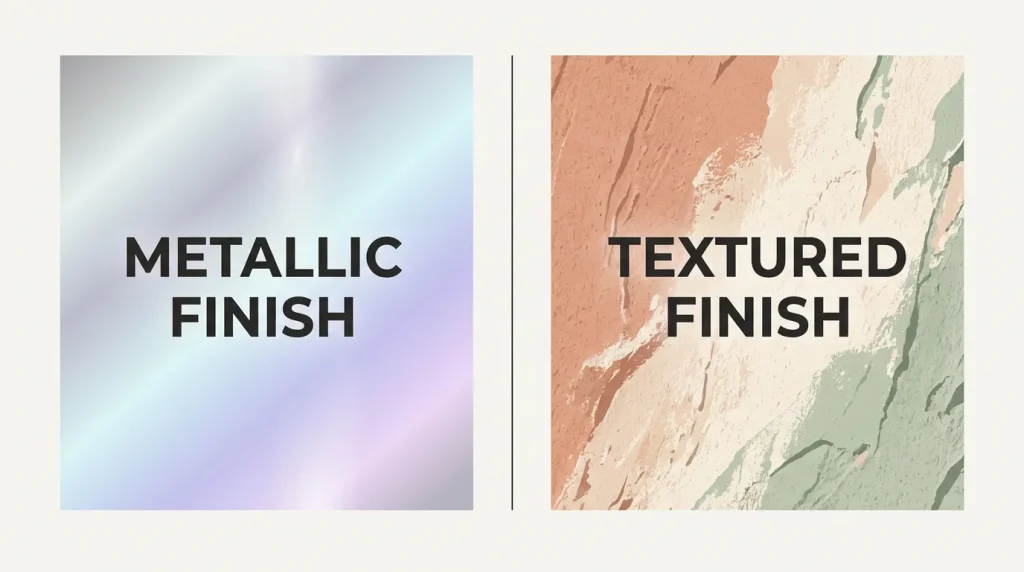
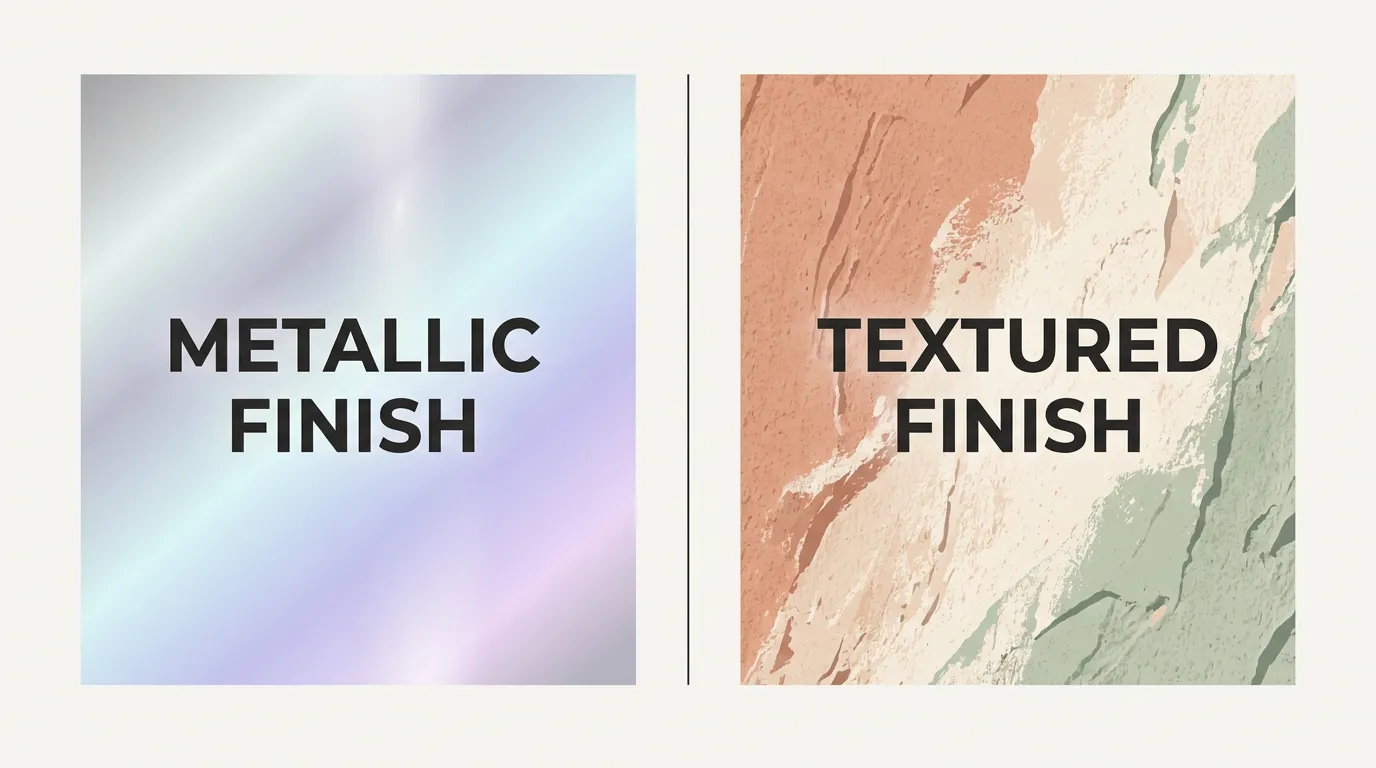
Special interior decorative paint makes inside spaces look new and is becoming very popular. The market for these special paints for inside homes is growing a lot. Shiny metallic paint and bumpy textured interior decorative paint give you different choices. This guide will help you learn about these metallic and textured finishes. You will find out how they are different, what is good about them, and what is not so good. The interior decorative paint you pick depends on how you want it to look, what you need it for, and the style of your room.
Key Takeaways
Metallic paint bounces light around. This makes small rooms seem bigger and brighter.
Textured paint can easily cover up small bumps and cracks on walls. It does this with patterns that stick out.
Metallic surfaces cost more money. They also need walls that are perfectly smooth before you paint them.
Understanding Metallic Decorative Paint
Metallic Paint Characteristics for Interiors
Metallic paint has tiny bits that bounce light. These bits make your walls look shiny and fancy. You will find common light-reflecting bits like aluminum and bronze pastes or powders. Mica particles and fake particles also give this special look. Some metallic paint even uses shiny stainless steel or micaceous iron oxide for a very reflective metallic color. Bigger mica flakes can make bumpy metallic effects, adding more depth. This makes metallic paint different from regular paint.
Metallic finishes bounce light, making your rooms brighter. They make small rooms seem bigger and more open. A mica-based formula gives a soft, elegant shine, not a harsh glare. This adds depth and texture, making a fancy but not over-the-top look. For example, the Sahara Effect makes a layered, shimmering wall finish that changes with daylight. This adds depth, movement, and refined drama to your rooms. Hand-painted metallic finishes have a bright shine that changes with the light, creating amazing depth and interest. They make your room better by reflecting light, making small or dim rooms feel more open and welcoming. Gold paint, for instance, creates changing light play that shifts all day, adding depth and size. It warms up spaces with its rich colors, making rooms feel more inviting. Silver, a cool metal, can be mixed with warm metals like gold for a balanced design.
Metallic Paint Benefits & Drawbacks
One big good thing about metallic paint is that it can change a room. It gives a fancy finish that regular paint cannot match. Gold makes you feel rich and fancy, making your luxury rooms seem more elegant. You can get a rich look without being too much, from a soft champagne shimmer to a bold gold statement. The finish fits your style. Metaltech metallic acrylic paint goes on smoothly on walls without roller marks. This makes sure you get an even, streak-free metallic finish that shows off how reflective the paint is. This good quality metallic coating adds a lot of appeal to any inside design project. You can also use metallic accents to show off certain features.
However, metallic paint also has some bad points. Because it reflects light, it can show any flaws on your wall. If your walls are not perfectly smooth, metallic paint will make every bump or crack stand out. Putting on metallic paint often needs special decorating tricks. You might need to use ragging on or random brush strokes to get the handmade look you want. This makes it harder to put on than regular paint. Getting a perfect look often needs a skilled hand, which can add to the total cost and effort for your luxury rooms. This careful application is key to a good design.
Exploring Textured Decorative Paint
Textured Paint Features & Appearance
Textured paint makes your walls have real bumps and dips. It gives them a special feel you can touch. This paint often uses things like plaster, acrylic, or other materials to make its unique feel. These materials help build up the surface, making your walls stand out. You get a rich, interesting look that is more than regular paint. This makes your rooms feel more welcoming and special.
A great thing about textured paint is how well it hides small problems on your walls. If you have little dents or rough spots, textured paint can cover them. Flat and matte paints soak up light, making flaws less easy to see. Textured paint does this even better. Shiny paints show every bump, but textured paints can hide many flaws. For example, Knockdown Texture Paint makes a soft, swirly look, and Orange Peel Textured Paint gives a slightly bumpy surface. Slap Brush Texture adds big, random designs that hide flaws well. Textured paint is great for hiding small and some not-so-small problems. But you should fix big holes or water damage before painting. This makes textured wall finishes a smart choice for older walls.
Textured Paint Benefits & Drawbacks
Textured paint has many good points for how you decorate inside. It adds a special style and feel to any room. You can pick from many different textured finishes, like Silica Sand Textured Paint for a rich feel or Roll on Textured Paint for a wood-like look. These choices give your room a special charm and make it unique. Putting on textured paint often needs special tools and ways of doing it. You might use a spatula for a smooth texture or a spray gun for an orange peel effect. This means it can be more work than just using regular paint.
But textured paint also has some bad points. It makes walls stronger, but keeping it clean can be hard. If a textured wall gets damaged, it is almost impossible to make that exact texture again. You might need to repaint the whole wall. This is both good and bad. The texture can also gather dust more easily than a smooth wall. Cleaning textured walls can be harder, too. You need to be careful not to hurt the texture when you wipe it. Even with these problems, the special look and feel often make textured paint a good choice for many decorating jobs.
Direct Comparison Key Differences
Aesthetic & Functional Contrasts
When you pick between metallic and textured paint, you choose very different looks for your home. Metallic paint makes your walls shiny and reflective. It catches the light, making your room feel brighter and more open. This type of metallic finish often makes your space look modern and fancy. You might choose metallic paint for a smooth, up-to-date design. It makes your room look nice. But, metallic paint needs a perfectly smooth wall. It will show any bumps or flaws on your wall.
Textured paint, on the other hand, makes a real, bumpy surface. It creates depth and character you can see and feel. This textured wall finish can make a room feel cozy, old-fashioned, or even exciting, depending on the texture you pick. Textured paint is great at hiding small wall problems. It adds a special design that regular paint cannot. You can feel textured finishes. This makes them good for adding warmth or a natural feel to your home design. Both types of paint look good, but they do it in very different ways.
Application & Maintenance Insights
Putting on metallic paint and textured paint needs different steps and thoughts. You need a very smooth wall before putting on metallic paint. Any flaws will show through the metallic finish. Putting on metallic paint often needs special ways, like certain brush strokes or rolling patterns, to get that even, shiny look. This can be harder than putting on regular paint.
Textured paint is more forgiving with how you get the wall ready. Its natural texture can hide small flaws, so your walls do not need to be perfectly smooth. But, putting on textured paint often needs special tools, like trowels or certain rollers, to make the pattern you want. This also makes it different from putting on regular paint.
Think about the cost too. For normal textures, textured paint usually costs between ₹80 and ₹120 per square foot. Fancy metallic paint, however, usually costs from ₹120 to ₹180 per square foot. This means metallic options are generally more expensive.
Keeping these wall finishes clean is also different. Smooth metallic surfaces are usually easier to wipe clean than bumpy surfaces. Textured walls can gather dust in their small spaces, making them harder to clean well. If a textured wall gets damaged, matching the exact texture for a fix can be hard. You might need to repaint the whole wall. Metallic paint, while easier to clean, can show scratches more easily if you are not careful. You must think about these things when you choose your inside decorative paint.
Choosing Your Interior Decorative Paint
Aligning Your Vision & Space
Picking the right paint for your home means thinking about your main idea. You want a finish that matches your home’s style. Think if your home is new, old-fashioned, or something else. For example, shiny silver or gold paint adds sparkle and brightness. This makes your rooms feel bigger and fancier. Metallic paint can also make special parts of your home stand out. You can use it on fireplaces, door frames, or even stair railings. This turns normal surfaces into cool design parts. It makes your room more interesting and deep.
Think about how big the room is and how much light it gets. Lighter paints, like metallic ones, bounce light. This makes a room feel bigger and more open. Darker or bumpy paints make a room feel cozy and private. A metallic paint with mica gives a soft, smooth shine. It does not glare too much. This fits new, simple styles that like quiet luxury. The Sahara Effect, with glass beads in metallic paint, makes a layered, shimmering surface. It changes during the day. This adds movement and excitement to places like kitchen hoods or special walls. Always match your chosen bumpy or metallic paint with the room’s colors. This makes your design look good together.
Practicalities & Personal Preference
Besides how it looks, you need to think about useful things. Think about how easy the paint is to take care of. Some bumpy paints might need more work, especially in busy areas. Bumpy paint can collect dust in its small parts. This makes it harder to clean than a smooth metallic surface. If a bumpy wall gets damaged, matching the exact bumpiness to fix it can be hard. You might need to paint the whole wall again. Metallic paint is usually easier to wipe clean. But, it can show scratches more easily if you are not careful.
What you like is also very important. Do you want a shiny, new look that metallic paint gives? Or do you like the bumpy feel and special look of textured paint? Both choices make your home look unique. Metallic paint gives a smooth, soft shine. It makes your home design feel fancy. Textured paint gives real depth and character. It can hide small wall problems better than regular paint. The best paint for you depends on what you want. It also depends on how comfortable you are with putting it on and taking care of it. You are making a choice that will change your space. Pick the quality and style that you really like.
Application & Maintenance Tips
Preparing for a Flawless Finish
Getting your walls ready is key for a great wall finish. First, clean the surface well. You need to remove dirt, dust, grease, and anything else that stops paint from sticking. Sand rough spots to make them smooth. This also helps paint stick to glossy or old painted surfaces. Fill holes, dents, and cracks with fillers. Then, sand these spots smooth. Caulk gaps around trim, windows, and doors. This makes a neat look and stops water from getting in. You should prime when you cover stains, change from dark to light colors, or paint new drywall.
For metallic paint, you need a very smooth surface. Metallic paint shows every flaw. Clean and degrease parts with a strong cleaner. Remove rust and scale by sanding or wire-brushing. Etch the metal with a metal prep solution. This stops hidden rust and makes a textured surface for metallic paint to stick to. For shiny metal, scuff it with sandpaper. For rusty metal, remove all visible rust. Then, clean it again and prime it quickly. Pick a primer that works with your metal type. This careful preparation ensures a high quality metallic finish.
Maintaining Your Decorative Walls
Keeping your decorative walls looking good needs some care. Textured walls can gather dust in their small parts. This makes them harder to clean than smooth surfaces. Use a soft-bristle brush to gently clean the small spaces of textured walls. This avoids damage to the wall finish. You can also use a vacuum cleaner with a brush attachment. This helps dust textured walls without scratching them or wearing down the finish.
Metallic walls are usually easier to clean than textured walls. You can often wipe them down with a soft cloth. However, metallic paint can show scratches more easily if you are not careful. Always clean gently to keep the quality of your metallic paint. If a textured wall gets damaged, matching the exact texture to fix it can be hard. You might need to repaint the whole wall. Both metallic and textured interiors need regular, gentle cleaning. This keeps them looking their best.
Both metallic and textured interior decorative paint offer unique ways to enhance your space. The best choice for your interiors is personal. It depends on your specific project goals for your interiors. Consider your desired aesthetic, the room’s function, lighting, and your comfort with application and maintenance. This guide helps you choose the perfect metallic or textured finish to bring your interior design vision to life. You can create a truly unique style and luxury feel with metallic.
FAQ
Can I use metallic paint in any room?
Yes, you can use metallic paint in many rooms. It adds a fancy touch and brightens spaces. Think about the room’s light and the style you want. Metallic paint works well for accent walls, giving a rich metallic finish.
Is textured paint hard to clean?
Textured surfaces can gather dust. Cleaning textured walls might be harder than smooth ones. Use a soft brush or a vacuum tool. This helps you keep your design and the overall look nice.
Which paint is better for hiding wall flaws?
Textured paint is better for hiding small wall flaws. Its bumpy surface covers problems. Metallic paint, however, shows any bumps or cracks. Always get your walls ready well for metallic finishes. A smooth base is key for metallic paint.
Does metallic paint require special application?
Yes, metallic paint often needs special ways to put it on. You might use certain brushes or rollers. This makes sure you get an even, shiny metallic finish. Good application stops streaks and makes the metallic look its best. This metallic effect is worth the work.
See Also
How To Select Top Quality BANDě Outdoor Paint This Year
Comparing Acrylic And Epoxy Non Slip Floor Coatings For 2025
Inorganic Versus Organic Wall Coatings A Comprehensive Modern Analysis Guide
Dulux Versus Behr Finding The Ultimate Interior Paint Brand Today
Transform Your Home Surfaces With Premium Decorative Wall Coating Solutions
