

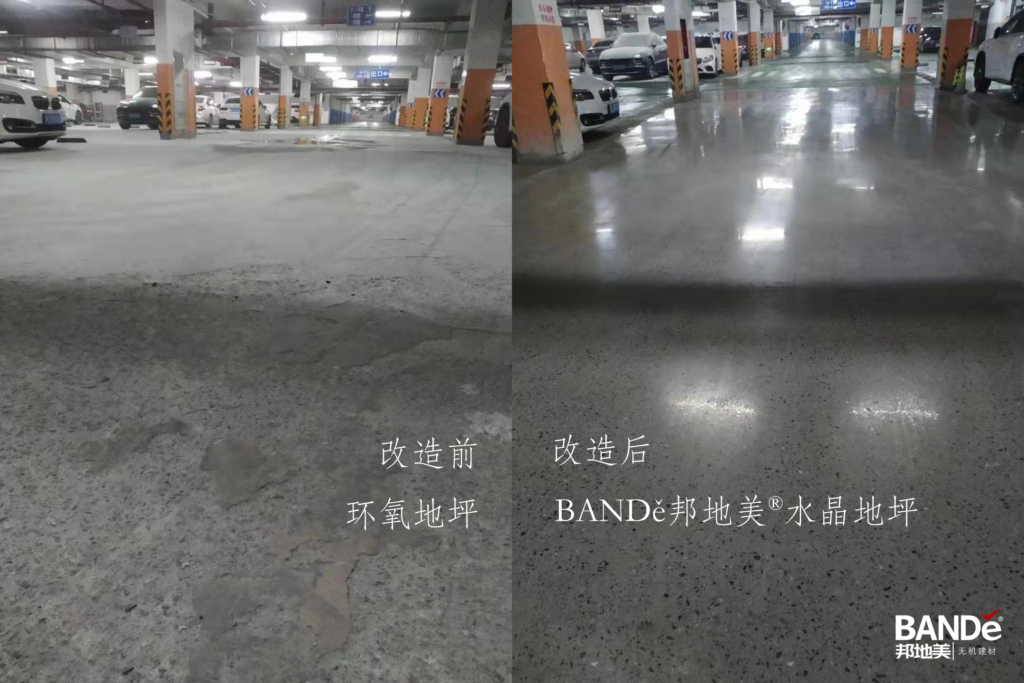
Want durable, beautiful, and minimal maintenance flooring? Polished concrete is a revolutionary option, offering permanent shine and excellent long-term value. This blog provides a comprehensive cost comparison of polished concrete flooring against other flooring options. We compare various flooring solutions. This helps you make an informed decision.
Key Takeaways
Polished concrete is a strong and beautiful flooring choice. It uses a special process to make concrete smooth and shiny.
This type of flooring lasts a long time and needs little cleaning. It is a good choice for homes and businesses.
Polished concrete often costs less over time than other floors. This is because it is very durable and easy to care for.
Polished Concrete: Foundation of Shine
What is Polished Concrete
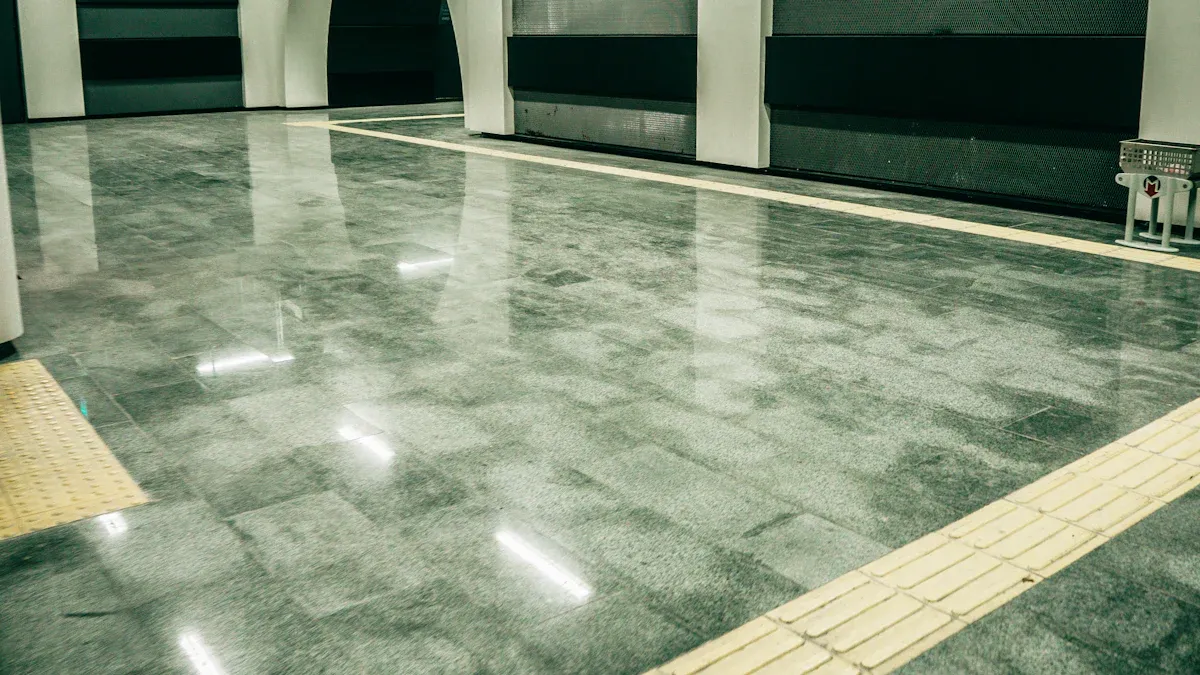
Polished concrete is much more than a simple concrete slab. It’s a high-performance flooring solution. We transform existing concrete surfaces through a special process. This involves grinding and polishing with specialized equipment and diamond abrasives. This method creates a smooth, reflective finish. It brings out the natural beauty of the concrete. This transforms ordinary concrete into a stunning, durable polished concrete flooring that truly shines.
Polished Concrete Advantages
Why should you consider polished concrete? It offers a host of benefits. You gain a beautiful, glossy surface that requires minimal upkeep. This type of flooring provides superior durability. It easily withstands heavy foot traffic and daily wear. This translates into excellent long-term value for any residential or commercial area. Its inherent strength and resistance to abrasion contribute to its impressive performance and lasting appeal.
Densifiers in Polished Concrete
A crucial step in achieving truly exceptional polished concrete is the application of a densifier. Take BANDě Polished Concrete Densifier, for example. This is a special liquid compound. It’s colorless, odorless, non-toxic, non-flammable, and water-based. It chemically reacts with ions present in the set concrete. This reaction makes the concrete significantly harder and denser. After crystallization and maturation, the floor achieves sealing, hardening, wear resistance, dust resistance, and moisture resistance. It also gains that desired glossy finish—permanently. This product meets strict environmental, health, and safety requirements, ensuring top quality.
Polished Concrete vs. Epoxy Flooring
Durability & Wear Resistance
When you think about tough floors, both polished concrete and epoxy flooring come to mind. But there are key differences in their durability. Polished concrete gets its strength from the concrete slab itself. It’s a solid, densified surface that resists abrasion and heavy impacts really well. Think about its inherent strength. Epoxy, on the other hand, is a coating applied over a concrete base. This coating offers good wear resistance, but it can be susceptible to chipping or scratching if heavy objects are dropped. The long-term durability of polished concrete often exceeds that of epoxy coatings.
Aesthetic Versatility
Both options offer different looks. Polished concrete provides a natural, often industrial-chic aesthetic. You can choose different levels of shine and aggregate exposure. This gives each floor a unique character. Epoxy flooring offers a wider range of colors and finishes. You can even get decorative flakes or metallic effects. If you want a very specific color or pattern, epoxy might seem more versatile initially. However, the timeless appeal of polished concrete is hard to beat.
Maintenance & Longevity
Low maintenance is a big plus for both. Polished concrete is incredibly easy to clean. A simple sweep and damp mop usually do the trick. Its densified surface means it doesn’t need waxing or stripping. This reduces maintenance requirements significantly. Epoxy floors are also easy to clean. However, if the epoxy coating gets damaged, repairs can be more noticeable. Polished concrete, with its permanent finish, offers exceptional longevity.
Cost Comparison
Let’s talk about the money side. The initial cost for both can be similar, depending on the complexity of the project. However, when you consider the long-term value, polished concrete often comes out ahead. Its superior durability and minimal maintenance requirements mean fewer repair costs and no need for reapplication like some epoxy coatings might eventually require. This makes polished concrete a very cost-effective flooring solution over its lifespan.
Polished Concrete vs. Natural Stone
Hardness & Scratch Resistance
When you compare polished concrete to natural stone, hardness is a big factor. Polished concrete is very durable. It offers excellent scratch resistance. This makes it a tough flooring choice. Natural stone, like granite, is also highly resistant to scratches, heat, and stains. This makes granite a strong candidate for durability. However, different types of stone flooring offer varying levels of scratch resistance. Polished concrete is known for being very durable, scratch-resistant, and low in maintenance. A yearly sealer or scratch-resistant paint can further boost its resistance to water and scratches.
Sealing & Maintenance
Natural stone flooring often looks stunning. Think about marble, granite, or travertine. But these materials often require more maintenance requirements. They need regular sealing and careful handling. This helps protect them from stains and wear. Polished concrete, on the other hand, has fewer maintenance requirements. Its densified surface means less fuss. You don’t need to seal it as often as many natural stones. This saves you time and effort.
Design & Appearance
Both options offer unique looks. Natural stone brings a classic, earthy beauty. Each slab has its own patterns and colors. Polished concrete offers a modern, sleek aesthetic. You can choose different finishes and aggregate exposures. This allows for a lot of customization. The natural variations in concrete can create a truly unique polished concrete look.
Environmental Impact
Considering the environment is important. Polished concrete can be a sustainable choice. It often uses existing concrete slabs. This reduces the need for new materials. Its long lifespan also contributes to sustainability. Natural stone requires quarrying and transportation, which has its own environmental footprint. The eco-friendliness of polished concrete is a definite plus for many projects.
Polished Concrete vs. Hardwood Flooring
Moisture & Stain Resistance
Hardwood floors look beautiful, but they don’t like water. Spills can cause warping or staining. High humidity is also a problem for hardwood. Polished concrete, however, offers excellent moisture resistance. Its densified surface makes it much less prone to water damage. This means fewer worries about spills or humidity affecting your floors. Stains are also less of an issue with polished concrete because of its sealed surface.
Lifespan & Refinishing
When you think about how long a floor lasts, polished concrete really stands out. It offers superior durability, often lasting over 20 years. Many other flooring materials need replacement every 5-15 years. Hardwood floors can last a long time too, but they often need refinishing. This means sanding and resealing them every few years to keep them looking good. With concrete, you get a permanent finish that requires less upkeep over its long life.
Acoustics & Comfort
Hardwood floors can feel warmer underfoot than concrete. They also tend to absorb sound better, making rooms feel quieter. Polished concrete is a harder surface. This can make it feel cooler and sometimes louder. You might hear echoes more in a room with polished concrete. However, you can add rugs or other soft furnishings to help with acoustics and comfort.
Installation & Repair
The installation cost for hardwood flooring can vary quite a bit. Hardwood flooring installation costs approximately $8 to $25 per square foot. Some sources say it typically ranges from $6 to $22 per square foot. Polished concrete is generally a cost-effective solution. Its installation involves grinding and polishing an existing concrete slab. Repairs for hardwood can be tricky, sometimes requiring board replacement. Polished concrete is very durable, so repairs are less common.
Polished Concrete vs. Tile Flooring
Grout Maintenance & Hygiene
Tiles often come with grout lines. These lines can be a real headache! Grout can trap dirt and grime. It can also be tough to keep clean. This leads to more maintenance requirements. Polished concrete, however, offers a seamless surface. There are no grout lines to worry about. This makes it much more hygienic and easier to clean. It’s a big plus for any flooring.
Impact Resistance
Think about dropping something heavy on your floor. Tiles can chip or crack. This means you might need to replace individual tiles. Polished concrete is very different. It’s incredibly tough. Its inherent strength gives it excellent impact resistance. This makes polished concrete a durable choice for busy areas.
Thermal Properties
Tiles can feel quite cold underfoot, especially in cooler climates. Polished concrete can also be cool. However, you can easily integrate radiant heating systems with concrete floors. This makes them warm and comfortable. It’s a great way to get the best of both worlds.
Customization Options
Tiles offer many patterns and colors. You can create intricate designs. Polished concrete also offers great customization. You can choose different levels of shine. You can also expose different aggregates or add stains for unique looks. While tiles generally have a lower initial installation cost, polished concrete is considered a more premium flooring option. The overall installation process for polished concrete, while sometimes more involved, leads to a very long-lasting floor. The long-term value of polished concrete often outweighs the initial cost difference.
Polished Concrete vs. Vinyl Flooring
Puncture & Chemical Resistance
Let’s talk about how tough these floors are. Polished concrete is super hard. It offers excellent puncture resistance. This means it can handle heavy items without much trouble. It also stands up well to many chemicals. This makes it a strong choice for busy areas. Vinyl flooring is different. It is softer. This means it can be more prone to punctures or tears. Some harsh chemicals can also damage vinyl surfaces.
Underfoot Feel & Sound
Vinyl flooring often feels softer under your feet. It can be more comfortable to walk on. It also helps absorb sound. This makes rooms feel quieter and more pleasant. Polished concrete is a very hard surface. It can feel cooler underfoot. It might also make rooms sound a bit louder. However, you can always add rugs to help with comfort and acoustics.
Long-Term Value
Vinyl flooring often wins on initial cost. It can be very budget-friendly to install. But think about the long-term value. Polished concrete offers incredible durability. It lasts for decades with minimal upkeep. This means fewer replacement costs down the road. While vinyl has good cost-efficiency, the long-term benefits and lasting quality of polished concrete often make it a superior investment.
Polished Concrete vs. Carpet
Allergen Control & Air Quality
Carpet can be cozy, but it’s often a magnet for dust, pet dander, and other allergens. These tiny particles get trapped deep in the fibers. This can be a real problem for anyone with allergies. Polished concrete, on the other hand, offers a smooth, non-porous surface. It doesn’t trap allergens. This means much better indoor air quality. It’s a clear winner for those concerned about allergies.
Cleaning & Stain Removal
Cleaning carpet can be a chore. Spills soak in quickly, leading to stubborn stains. Regular vacuuming helps, but deep cleaning is often needed. This adds to the overall cost of maintenance. Polished concrete is much simpler. A quick sweep and damp mop are usually all it takes. Stains wipe away easily from its sealed surface. This makes it a very low-maintenance flooring option.
High-Traffic Durability
Carpet in high traffic areas wears down fast. It can show paths and look matted over time. This reduces its lifespan. Polished concrete offers incredible durability. It stands up to constant foot traffic without showing much wear. This makes it ideal for busy homes or commercial spaces. Its inherent strength ensures it lasts for many years.
Lifecycle Cost
The initial cost of carpet might seem lower. However, carpet needs replacing more often than other types of flooring. This accumulates over time. Polished concrete has a higher upfront cost. But its long lifespan and minimal maintenance mean a much lower lifecycle cost. You get lasting quality and don’t have to worry about frequent replacements.
Cost Analysis: Initial vs. Long-Term Value
Understanding the true financial picture of your flooring choice means looking beyond just the upfront price. We need a full cost analysis. Let’s break down the costs for polished concrete compared to other options, considering both initial outlay and long-term benefits.
Installation Costs
When you first consider polished concrete, you might wonder about the initial costs. For installation, polished concrete flooring typically ranges from $3 to $12 per square foot. This price depends on factors like the condition of your existing concrete and the finish you choose. While this might seem like a significant cost, remember it’s an installation for a highly durable surface. Other flooring types can have varying installation costs, but few offer the same long-term performance.
Maintenance & Repair
Here’s where polished concrete truly shines in terms of costs. Its minimal maintenance requirements save you money year after year. Unlike carpet or hardwood, you won’t need frequent deep cleaning, waxing, or refinishing. Take a look at the average annual maintenance costs:
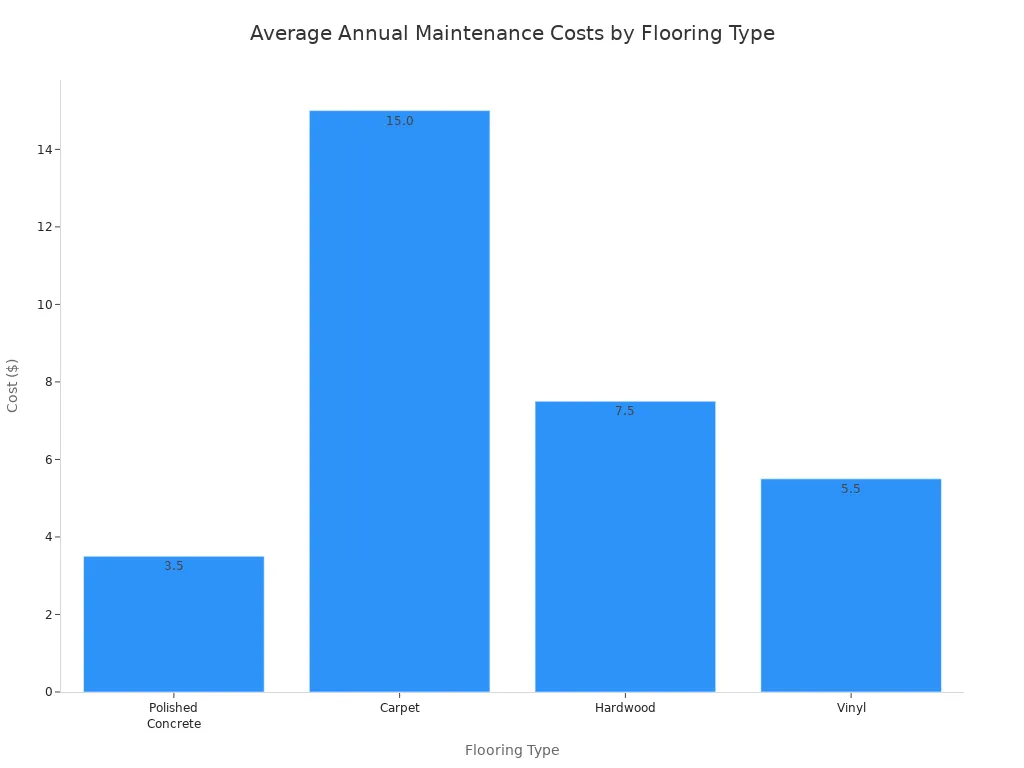
As you can see, the long-term costs for polished concrete are significantly lower. This reduces your overall total cost of ownership.
Overall Lifecycle Value
When you combine the initial installation costs with the low maintenance requirements, polished concrete offers exceptional long-term value. Its durability means fewer repairs and replacements over decades. This contributes to a lower total cost of ownership and excellent long-term performance. This comprehensive cost analysis shows that while the initial installation might be an investment, the enduring value of polished concrete makes it a smart financial choice for any space.
Installation & Maintenance
Preparation & Application
Getting polished concrete right starts with careful preparation. First, you need to remove any fragile parts from the surface of the existing concrete slab. Then, the slab is thoroughly cleaned and prepared. Any cracks or imperfections are repaired to ensure a smooth base. This crucial step sets the stage for a high-quality finish. After preparation, the grinding and polishing process begins, followed by the application of a densifier like BANDě Polished Concrete Densifier. This chemical reaction hardens the concrete, making the installation durable.
Post-Application Protection
After the densifier is applied, protecting your new floor is key. No one should enter the area for at least 4 hours. Light use is okay after 24 hours, but avoid water soaking. If a fluoropolymer impregnator is used, remove any remaining material after total penetration. You can open the treated area to foot traffic one hour after completion. However, avoid purposeful application of water or maintenance for 48 hours. Cross-operation units must ensure surface strength and comprehensive protection. Strictly forbid dragging or scratching with equipment, cables, or tools during this time. This careful protection ensures the longevity of your concrete flooring.
Routine Care
One of the biggest benefits of polished concrete is its ease of maintenance. For daily care, a simple sweep and damp mop are usually enough. You won’t have extensive maintenance requirements like waxing or stripping. For daily maintenance after impregnation, you can use specialized systems like the SCS Daily Maintenance System (PATINA-HURRICANE). This simple routine helps keep your polished concrete looking its best for years to come.
Suitability & Limitations of Polished Concrete Flooring
Ideal Applications
So, where does polished concrete truly shine? This type of flooring is incredibly versatile! It’s a fantastic choice for many places. Think about busy commercial spaces like warehouses, retail stores, or modern office buildings. Its durability handles heavy foot traffic and equipment with ease. For homes, polished concrete flooring looks amazing in contemporary designs, basements, or open-plan living areas. It’s also perfect for industrial settings or even schools, where a tough, easy-to-clean surface is a must. Its sleek look and low maintenance make it a top pick for both style and function.
Structural Considerations
While polished concrete is wonderful, it does have some specific needs. Because concrete is a heavy material, it requires a solid foundation. For instance, a polished concrete floor needs a minimum thickness of 75mm, though 100mm is often recommended for best results. This weight means it’s generally best suited for ground floors or basements. If you’re thinking about installing it on an upper floor, you’ll need to make sure the building’s structure is reinforced enough to support the extra weight. Always check with a structural engineer to ensure your building can handle this robust type of flooring.
To sum up, polished concrete offers unmatched durability, minimal maintenance, and lasting aesthetic appeal. It provides true long-term value and superior long-term performance, often outshining other flooring options with its permanent shine. Weigh the initial cost, long-term costs, sustainability, and maintenance requirements for your flooring. This quality concrete is a smart long-term investment. Explore concrete for your project!
FAQ
Is polished concrete slippery?
Not usually! Polished concrete offers good traction. We can also add anti-slip additives for extra safety. It’s often less slippery than waxed floors.
Can I polish my existing concrete floor?
Yes, you often can! We assess your current slab. Most concrete floors are suitable for polishing. This transforms your space beautifully.
How long does polished concrete last?
Polished concrete lasts a very long time. It can easily last for decades. With proper care, it offers permanent shine and durability.
See Also
Achieve Stunning Polished Concrete: Essential Maintenance for Lasting Brilliance
Industrial Floor Protection: Your Comprehensive Guide to Concrete Sealers
Selecting the Optimal Polished Concrete Densifier: BANDe’s 2025 Expert Guide
Elevate Your Surfaces: Top Concrete Protective Sealers for 2025
Discover the Advantages: BANDě Industrial Polished Concrete Floors Explained
