

Damp proofing your basement is crucial for maintaining a healthy home. Did you know that about 98% of basements in the United States will experience some form of water damage? That’s a staggering statistic! Ignoring moisture issues can lead to significant health risks.
Mold can lead to breathing difficulties.
You may experience allergic reactions such as sneezing and rashes.
Prolonged exposure to certain molds can result in serious health complications.
Addressing dampness through effective basement damp proofing not only protects your home but also enhances your quality of life. Don’t let moisture take control—take action now!
Key Takeaways
Damp proofing your basement is very important. It helps stop health problems like mold and allergies.
Check your basement often for moisture signs. Look for water stains and musty smells to find issues early.
Use good methods like sealing cracks and putting in moisture barriers. This keeps your basement dry.
Think about getting professional help for big moisture problems. They can provide the right solutions and long-lasting protection.
Spending money on waterproofing can raise your home’s value. It also helps save energy and protects your things.
Moisture Sources
Common Causes
Basement moisture problems can come from many places. These can be inside or outside your home. Here are some common causes to know about:
Internal Sources: Things like using humidifiers, cooking, and dryers without vents can create too much moisture. Even new concrete can let out water over time, adding to dampness.
External Sources: Rainwater can get into your basement if drainage systems are not set up right. Groundwater can rise during heavy rains or floods, causing moisture to enter. Capillary action can pull water through porous materials. The stack effect can bring moist air into your basement through cracks. Vapor diffusion lets moisture move from the ground through concrete walls and floors into your basement.
Signs of Dampness
Spotting the signs of dampness early can help you avoid bigger problems later. Here are some signs to watch for:
Standing Water or Puddles: If you see water pooling, it means water is coming in faster than it can dry.
Damp Walls and Floors: Surfaces that feel cool and wet suggest water is moving.
Water Stains and Discoloration: Look for tide marks or rust-colored stains, which show past water contact.
Efflorescence on Basement Walls: This white, chalky stuff shows water moving through masonry.
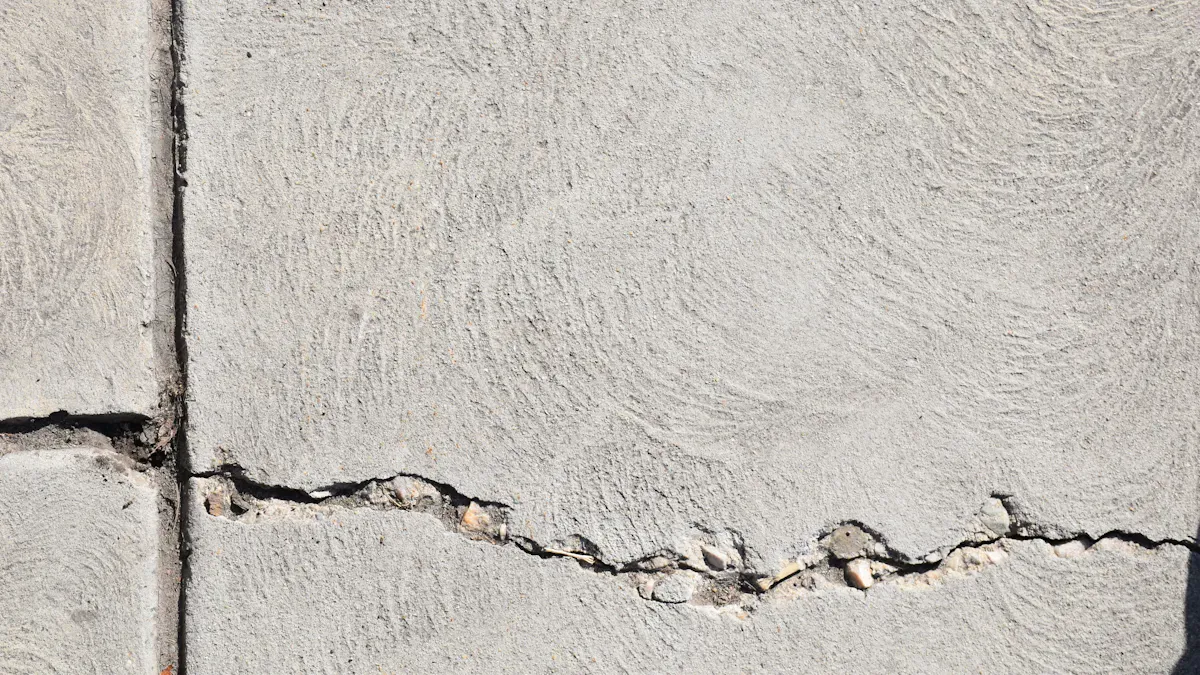
Cracks in Foundation Walls and Floors: Many cracks can let water in.
Musty Basement Odors: A musty smell often means high humidity and possible mold growth.
Visible Mold or Mildew Growth: If you see mold, it shows a moisture problem.
Peeling Paint or Bubbling Wall Coatings: Moisture can make paint peel off, showing underlying issues.
By watching for these signs, you can fix basement moisture problems before they get worse.
Finding Moisture
Inspecting Your Basement
To fix moisture problems, you need to check your basement well. Here’s how to do it:
Identify Signs of Moisture: Look for musty smells, condensation, and water stains on walls and floors. These show there are moisture issues.
Perform DIY Moisture Tests: Use a humidity meter to check the air’s moisture levels. You can also put a piece of aluminum foil on a surface for a few hours. If moisture forms on the outside, that area may have a problem.
Analyze Your Results: After testing, look at what you found. If you see high humidity or constant dampness, it’s time to make a moisture plan.
By following these steps, you can find where moisture is coming into your basement and act before it causes bigger problems.
Using Moisture Meters
Moisture meters are important tools for finding hidden moisture in your basement walls and floors. Here’s a quick look at the best types:
Description | |
|---|---|
Hygrometer | Important for giving exact readings of humidity levels in the basement. |
Infrared Moisture Meter | Shows a wider view of moisture by measuring infrared energy reflection. |
Pin Meters | Measure electrical resistance between pins to find moisture content. |
Pinless Meters | Use electromagnetic waves to find moisture without going into surfaces. |
Using these tools can help you find moisture problems early. As TOH building engineer Ross Trethewey says, “It’s smart to pay attention to water stains; when left untreated, minor leaks can lead to mold or cause major damage to insulation and other building materials.”
By checking for moisture with these meters often, you can stop small issues from becoming big headaches. Remember, finding problems early is key to keeping a dry and healthy basement!
Interior Waterproofing
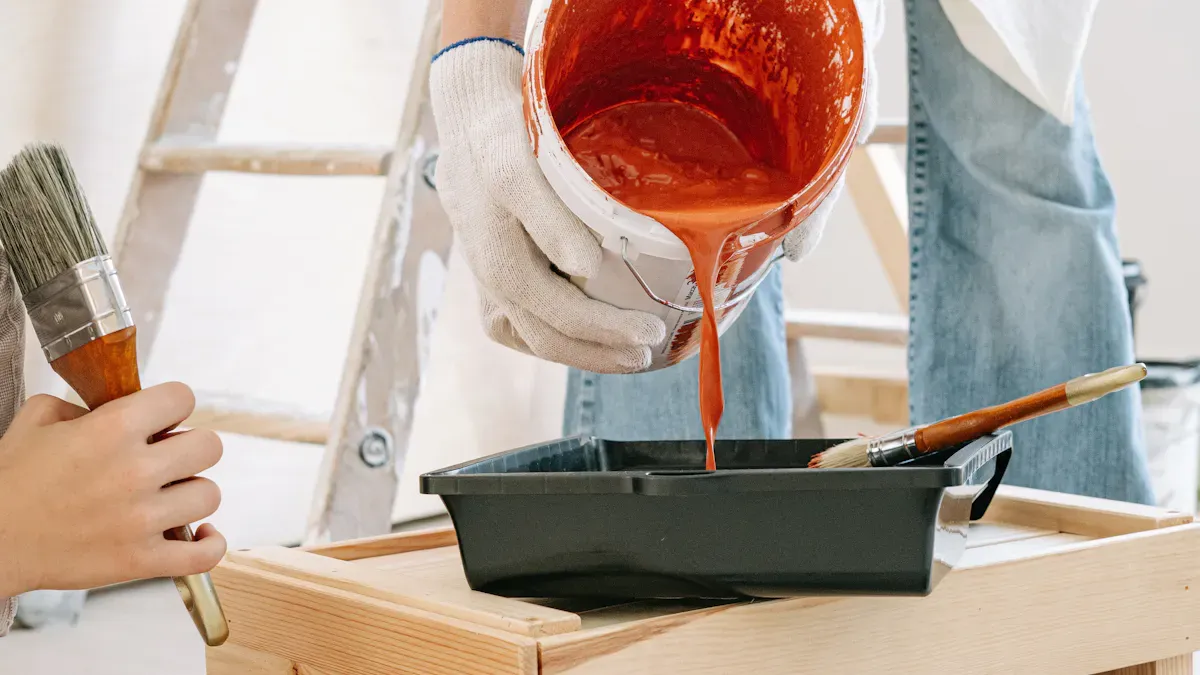
When you damp proof your basement, interior waterproofing is very important. It helps you fix moisture problems from the inside. This keeps your basement dry and healthy. Let’s look at the methods you can use.
Sealing Cracks
First, you should seal cracks in your basement walls and floors. Cracks can let water in, causing bigger issues later. Here’s how to seal cracks and gaps well:
Inspect Regularly: Look for visible cracks or gaps in your foundation. Finding them early can save you money on repairs.
Choose the Right Materials: Use good sealants made for your needs. For example, epoxy or polyurethane products are great for sealing cracks. Foam or caulk works well for filling gaps.
Apply Properly: Clean the area before you apply the sealant. Follow the instructions on the package for the best results. This will help keep moisture out.
Here are some recommended sealants for long-lasting crack repair:
Sealant Type | Properties | Best Use Case |
|---|---|---|
Polyurethane | Flexible, durable, great for sealing cracks and gaps | Different weather conditions |
Silicone-based | Waterproof, flexible, UV resistant | General sealing, but not as durable |
Elastomeric | Adapts to temperature changes, keeps the seal | Basements with changing temperatures |
While DIY sealing can help with small issues, repeated leaks or wall movement means you need an expert to check for long-term stability.
Applying Moisture Barriers
Next, think about using moisture barriers. These barriers are important for stopping dampness in your basement. Here’s how they work:
Heavy-duty, strong polyethylene membranes block vapor from entering living areas.
They direct any wall leaks into a drainage system, stopping moisture from reaching finished walls and insulation.
Moisture barriers have many benefits:
Functionality | Description |
|---|---|
Water Intrusion Prevention | Moisture barriers stop water from getting into basement walls, preventing damage and mold. |
Insulation Enhancement | They help insulation work better, keeping the indoor environment stable. |
Indoor Air Quality Improvement | By blocking moisture, these barriers help improve indoor air quality and reduce mold growth. |
You can put a vapor barrier on basement floors, crawl spaces, and outside walls. This will help keep your basement dry and comfy.
Installing a Sump Pump
Finally, installing a sump pump is a smart way to waterproof your basement. Sump pumps are key for stopping flooding by removing extra water before it builds up. Here’s why you should think about getting one:
Sump pumps are the first defense against water in basements.
They can lower the risk of water damage, which can cost a lot. Did you know that just one inch of water damage can cost about $25,000?
To keep your sump pump working well, follow these maintenance tips:
Test the pump often by pouring water into the sump pit until the float rises and turns on the pump.
Clean the sump pump and pit to remove debris that can block the pump.
Check the power source and backup battery for problems.
Inspect the discharge pipe to make sure it is clear of blockages.
By doing these steps, you can waterproof your basement and protect your home from moisture damage.
Exterior Waterproofing
To keep your basement dry, exterior waterproofing is very important. You can do several things to stop moisture from getting into your home from outside. Let’s look at some good methods!
Grading and Drainage
Good grading and drainage around your home can lower the chance of basement moisture problems. Here’s how to do it:
Manage Rainwater: Use gutters and downspouts to move rainwater away from your foundation. Adding extenders or splash blocks can help with this.
Slope the Ground: Make sure the ground slopes away from your house. A drop of at least 6 inches within 10 feet is needed to stop water from pooling near your basement walls.
Keep Gutters Clean: Clean your gutters often and check that downspouts are clear. This helps prevent overflow and moves water away from weak spots.
By doing these things, you can manage rainwater and keep your basement safe from moisture.
Installing French Drains
French drains are another great choice for exterior waterproofing. They help move water away from your foundation, which is useful in places with heavy rain or high water tables. Here’s what to know:
Installation Cost: Putting in French drains can cost between $3,000 and $15,000, based on what you need.
Lifespan: These drains usually last 20 to 30 years, making them a strong solution for moisture problems.
Effectiveness: French drains are very good at stopping basement water damage by collecting and redirecting water.
Feature | French Drains | Exterior Membranes |
|---|---|---|
Water Redirection | Collects and redirects water | Blocks moisture from entering |
Effectiveness in High Water | Works well in areas with high water tables | Might not work well in high water tables |
Best Use Scenario | Great for heavy rain and high water tables | Best for general moisture prevention |
If you live in a place that floods or has heavy rain, think about installing French drains to keep your basement dry.
Using Sealants
Sealants are very important for stopping water from getting into basement walls. Here are some good types to think about:
Polyurethane Sealants: These are flexible and strong, making them great for sealing cracks and gaps in different weather.
Silicone-based Sealants: These provide waterproofing and resist UV rays but may need to be reapplied more often.
Elastomeric Sealants: These are great for places with changing temperatures, as they adjust to changes and keep sealing well.
To keep your basement waterproof, reapply exterior sealants every 3 to 5 years. If you use a good sealant correctly, it might last even longer.
By using these exterior waterproofing methods, you can greatly lower the chance of moisture getting into your basement. Remember, a dry basement helps make your home healthier!
Costs of Waterproofing
DIY vs. Professional Costs
When you want to waterproof your basement, you have two main choices: do it yourself (DIY) or hire a professional. Each choice has different costs.
Professional waterproofing can cost between $500 and $15,000. The price depends on how bad the water problems are and what solutions you need.
DIY waterproofing means you will pay for materials and spend a lot of time. This cost can change a lot based on the project size.
Here’s a quick look at factors that affect professional costs:
Factor | Description |
|---|---|
Severity of Water Issues | How serious the water problem is can greatly change the cost of damp proofing. |
Type of Waterproofing System | Different systems have different costs for materials and installation. |
Size and Complexity of Basement | Bigger and more complicated basements need more work and materials, raising costs. |
Accessibility and Obstructions | Hard-to-reach areas can increase labor costs because special tools may be needed. |
Expertise of Contractor | Skilled contractors might charge more, but their skills can save you money in the long run. |
Budgeting for Materials
Planning your budget for basement waterproofing is very important. Here are some tips to help you plan well:
Know the average costs. Small DIY fixes can cost a few hundred dollars, while big professional jobs can cost thousands.
Check your basement’s condition and get quotes to find the best way to fix it.
Make a detailed budget that includes all possible costs like labor, materials, and other expenses.
Set aside extra money for unexpected costs.
Think about financing options if you are worried about upfront costs.
Here’s a list of typical material costs for different waterproofing methods:
Method | Cost Range |
|---|---|
Interior Waterproofing | $500 – $15,000 |
Plastic Sheets/Panels | $0.50 – $2.00/sq ft |
Waterproofing Paint/Sealant | Starting at $3/sq ft |
Minor Repairs | $500 – $2,000 |
Basic Waterproofing Job | $500 – $3,000 |
By knowing these costs and planning ahead, you can choose the right solution for your basement and keep it dry!
When to Hire Professionals
Recognizing Major Issues
Sometimes, your basement may have problems that need expert help. Here are some signs to look for:
Visible Water Infiltration: If you see water or puddles after it rains, there is a problem.
Dampness: Walls and floors that feel cool and wet, even when it’s dry outside, mean moisture is present.
Efflorescence: Look for white, chalky marks on walls. This means water is moving through the walls.
Cracks in Walls and Floors: Cracks that go up, across, or in steps can let water in.
Musty Odors: If you smell earthy or stale scents, it might mean high humidity and mold.
Visible Mold Growth: Any mold shows there is a moisture issue that needs fixing.
Peeling Paint or Bubbling Wall Coatings: These signs show moisture is hurting your wall finishes.
If you see any of these signs, it’s time to think about hiring a professional.
Choosing the Right Contractor
Picking the right contractor can really help your basement waterproofing project. Here are some tips to choose wisely:
Verify Credentials: Check the contractor’s license and insurance to make sure they follow local rules.
Discuss Methods: Ask about their waterproofing methods and why they use certain materials.
Compare Quotes: Get quotes from different contractors. Look for value, not just the lowest price.
Check References: Look at their past work by asking for references and reading online reviews.
Ask Questions: See how professional they are by asking specific questions about their work and experience.
By following these steps, you can find a good contractor who will help keep your basement dry and safe.
Taking steps to fix basement dampness is very important for your home’s health and value. Here are some main points to keep in mind:
Investing in waterproofing helps solve current problems and raises your property value and energy efficiency.
Regular moisture checks let you find small leaks before they turn into big issues, protecting your foundation and belongings.
A dry basement makes sure your HVAC system runs well, saving you money on energy bills.
Don’t wait for moisture issues to get worse. Check your basement today and take action to keep it dry and healthy! 🏡
FAQ
What is damp proofing?
Damp proofing is a way to stop moisture from getting into your basement. It includes sealing cracks, using moisture barriers, and making sure drainage works well to keep your space dry and healthy.
How often should I check my basement for moisture?
You should check your basement at least two times a year. Look for signs of dampness like water stains or musty smells, especially after heavy rain.
Can I do damp proofing myself?
Yes, you can do some damp proofing tasks yourself, like sealing cracks and putting on moisture barriers. But for big problems, think about hiring a professional to make sure it’s done right.
How long does damp proofing last?
How long damp proofing lasts depends on the methods used and the environment. Usually, good damp proofing can last for several years, but regular maintenance is important.
What are the signs I need professional help?
If you see ongoing dampness, big cracks, or mold growth, it’s time to call a professional. These problems can mean serious issues that need expert help.
See Also
A Comprehensive DIY Manual For Basement Waterproofing
An In-Depth Exploration Of Concrete Waterproofing Techniques
Key Insights On Moisture Barriers For Walls And Floors
