

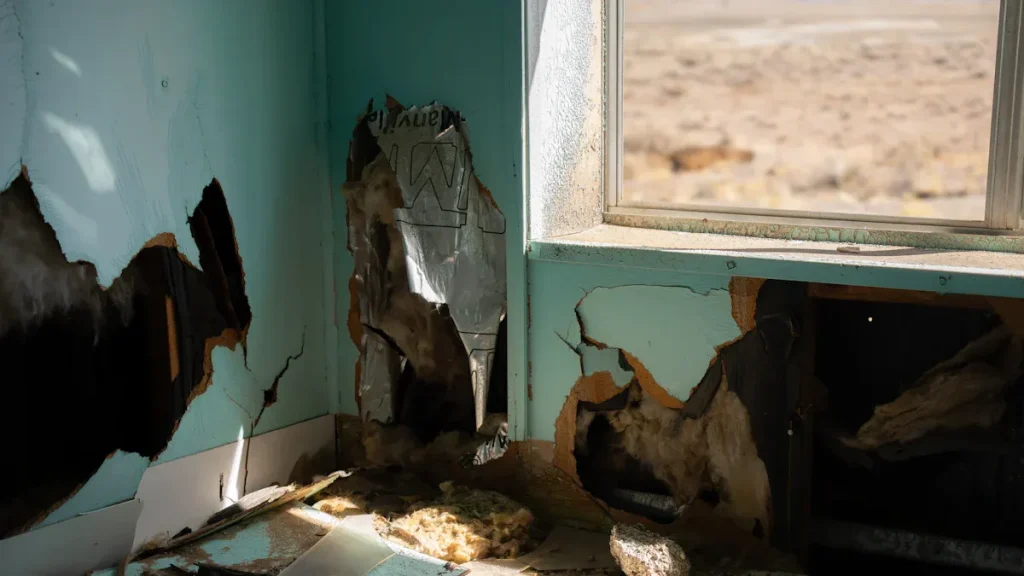
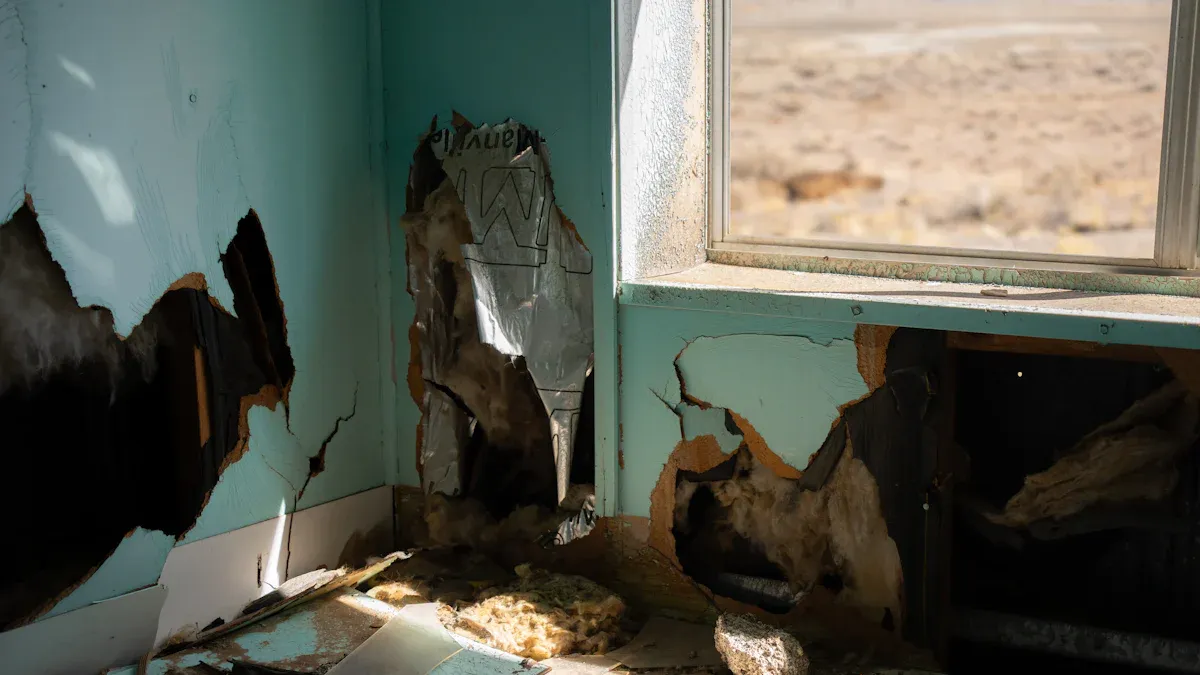
Foundation damp proofing is essential for your home. Water can infiltrate your living space, leading to significant damage and health concerns. Minor moisture problems can escalate over time, compromising the strength of your foundation. Effective damp proofing can prevent these issues, ultimately saving you money on repairs, which can be five times more expensive than the cost of waterproofing. By investing in foundation damp proofing, you enhance the health of your home and safeguard it against major damage.
Key Takeaways
Damp proofing keeps water from hurting your foundation. This can help you avoid expensive repairs.
It stops mold and mildew from growing. This keeps moisture out of your home and helps air quality and health.
Pick damp proofing or waterproofing based on how wet your area is and what you need.
Follow the right steps to prepare and apply damp proofing. This will help it work well for a long time.
You need to check and maintain it regularly. This keeps your damp proofing working and your home safe.
Importance of Foundation Damp Proofing
Protecting Structural Integrity
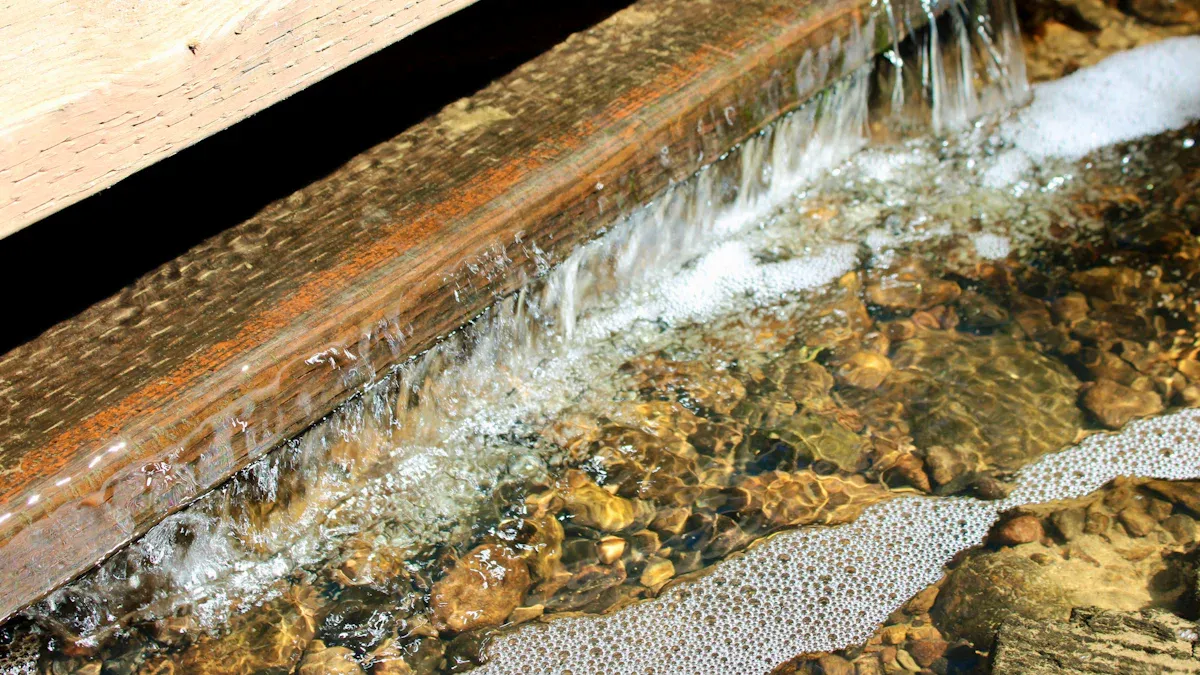
Foundation damp proofing is very important for your home. It helps keep your house strong. When water gets into your foundation, it can cause many problems. Here are some common issues from water getting in:
Water infiltration
Damp rise
Thermal bridges
These problems can make your foundation weaker over time. You might see cracks in walls or floors. This shows that moisture has harmed the strength of your home. By spending money on foundation damp proofing, you can stop damage and keep your home safe and stable.
Preventing Mold and Mildew
Moisture makes a perfect place for mold and mildew to grow. These fungi can spread quickly in wet areas, especially in basements and crawlspaces. Here’s how foundation damp proofing stops mold growth:
Waterproofing fights the main cause of mold: moisture.
Keeping water out of basements and crawlspaces stops mold from growing.
Good methods include French drains, sump pumps, interior waterproofing systems, crawlspace encapsulation, and dehumidifiers, all working to stop moisture.
Mold growth can be very harmful to health. Breathing in mold spores can cause breathing problems, allergies, and skin irritation. People with allergies or breathing issues are especially at risk. By using good damp proofing methods, you greatly lower the chance of mold forming. This helps improve air quality and makes your living space healthier.
Damp Proofing vs. Waterproofing
Key Differences
Damp proofing and waterproofing have different jobs in keeping your foundation safe. Here are their main differences:
Damp Proofing: This method stops moisture from getting into your foundation walls. It works best in places with little moisture. You should think about damp proofing if your area doesn’t have high water tables or serious soil-water problems. It works well with good drainage and lawn grading.
Waterproofing: This method gives a stronger barrier against water. It is important in places with high hydrostatic pressure or a lot of moisture. Waterproofing keeps water from coming in, especially in basements and crawlspaces.
When to Use Each Method
Choosing between damp proofing and waterproofing depends on your needs. Here are some situations to help you choose:
Use Damp Proofing When:
Your area is dry with little moisture.
You want a cheaper option for new buildings. Damp proofing usually costs less than waterproofing in these cases.
You are updating an old foundation that is easy to access.
Use Waterproofing When:
You live in a place with high moisture or hydrostatic pressure.
You need strong protection against water coming in. This method is key to stopping damage and mold growth.
You are updating an old foundation and can spend more for long-term safety.
Aspect | Damp Proofing | Waterproofing |
|---|---|---|
Usually cheaper | More expensive because it’s complex | |
Cost in Retrofitting | Higher due to access issues | Strong protection, may save money long-term |
Maintenance | Easier to take care of | Easier to fix parts when needed |
Knowing the differences between these methods helps you make smart choices for your foundation. Using the wrong method can cause water to get trapped, damage your structure, and increase mold risk. Always check your climate and soil type before making a choice.
Damp Proofing Steps
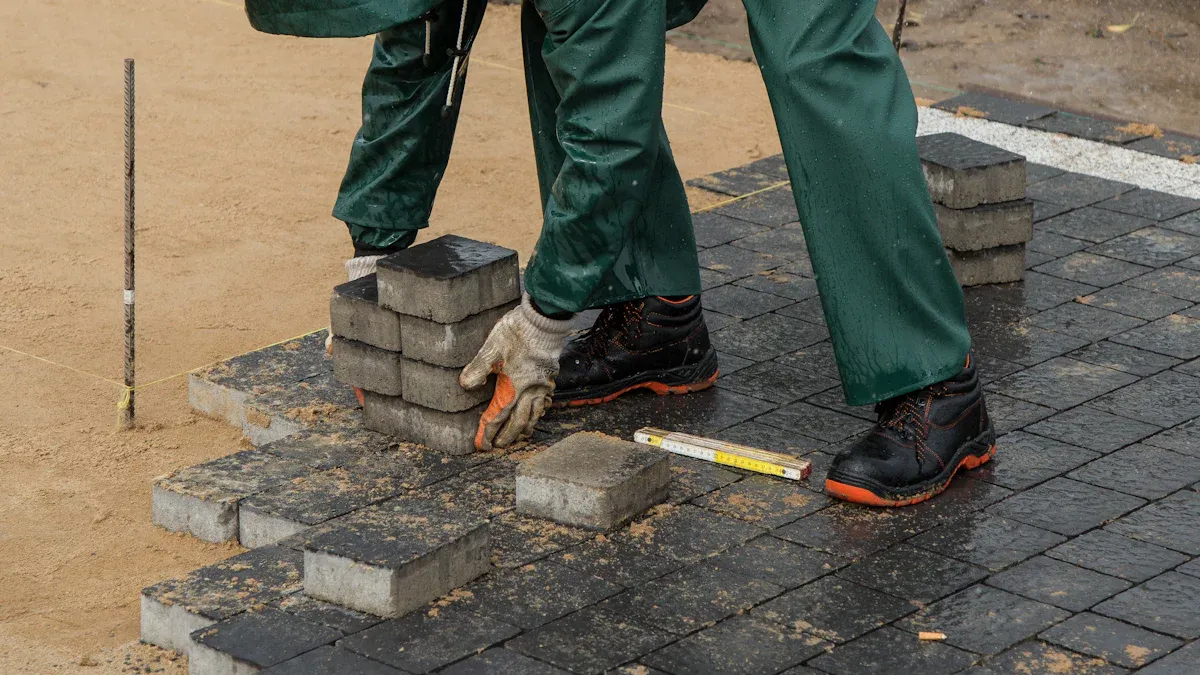
Preparation of the Foundation
Before you put on any damp proofing materials, get your foundation ready. This helps the damp proofing stick well and work right. Follow these important steps:
Ensure Safe Conditions: Make sure the area is safe and clear before starting below ground.
Clean the Surface: Get rid of dirt, oil, and any water-repellents from the foundation. This is key for good sticking.
Repair Cracks: Look for cracks in the foundation. Fix any damage to make a smooth surface for damp proofing.
Condition the Substrate: Conditioning helps with sticking. Use tools like wire brushes, grinders, power washers, or compressed air for this.
Application Techniques
After preparing the foundation, you can apply the damp proofing materials. Here are some good ways to apply them:
Spraying: Use a spray method for liquid damp proofing products like BANDě Wall & Floor Moisture Barrier. Aim for a wet thickness of 60 mils, which will dry to 40 mils.
Rolling or Spreading: You can roll or spread the damp proofing material with a tool. For rough surfaces, mix and spread it as the manufacturer says.
Sealant Application: After spraying, put a sealant where the wall meets the footing to stop moisture from getting in.
Layering: For best results, apply the first coat about 3/8 inch thick. Wait 24 hours before adding a thinner second coat.
When using sheet membranes, make sure to apply joints correctly to avoid leaks. Self-adhering membranes keep a steady thickness and strength against water pressure. Liquid coatings form a strong layer that bonds to concrete, making detailing easier.
Post-Application Care
After applying damp proofing, take steps to keep it working well. Good care helps your damp proofing last longer:
Monitor for Moisture: Check that walls stay treated to stop moisture and water from coming in.
Remove Contaminants: Clear away any algae, lichen, and moss before more damp treatments.
Repair Damaged Areas: Fix any broken brick and mortar with waterproof repair mortars. Change wet plaster and check damp plasterboard for damage.
Inspect Roof and Flashing: Regularly check and fix or replace broken roof tiles and flashing to stop moisture from getting in.
By following these steps, you can damp proof your foundation well and keep your home safe from moisture problems.
Common Materials and Methods
Membranes and Coatings
Many materials are important for damp proofing. Here are some common membranes and coatings:
Material Type | Description |
|---|---|
Polyethylene Sheets | Placed under floors or behind walls to stop moisture from coming in. |
Liquid Membranes | Used as a coating, creating a smooth and strong barrier against moisture. |
Injection Creams | Brands like Dryzone, Safeguard, and Permagard are popular choices. |
Damp Proof Course | Trusted products from Newton Waterproofing and Wykamol. |
Semco Liquid Membrane | Known for great performance and easy application. |
Bituminous membranes and cementitious coatings are often used. Bituminous membranes work well against soil moisture. They usually come in sheets or rolls. Cementitious coatings offer strong protection against water and pressure. They often need several layers for good damp proofing.
Drainage Solutions
Good drainage is key to stopping moisture problems. Here are some helpful drainage solutions:
Grading the land around the house to slope away from the foundation.
Using gravel to help water spread out and stop soil erosion.
Type of Drainage Solution | Description |
|---|---|
Systems like French drains that move groundwater away from the foundation. | |
Interior Solutions | Sump pumps and interior drains that collect and remove water that has come in. |
Surface Management | Proper grading and gutters to stop water from gathering near the foundation. |
Installing perimeter drains, also called French drains, is very important. They direct surface and groundwater away from the foundation. This helps lower pressure and moisture problems. By using good drainage with damp proofing methods, you can make sure your foundation walls are waterproof and protect your home from moisture damage.
Potential Issues and Solutions
Identifying Common Problems
When you damp proof your foundation, you might see some common problems. Here are some issues to look out for:
Cracks in walls: These can show damage from moisture.
Uneven floors: Water can cause shifting and settling.
Sticking doors and windows: This often happens when the foundation moves due to moisture.
Pooling water around the foundation: This can create pressure and possible leaks.
Mold growth: Too much moisture helps mold and mildew grow.
Fixing these problems early can save you money on repairs later.
Expert Recommendations
To make sure your damp proofing works well, think about these expert tips:
Recommendation | Description |
|---|---|
Damp proofing does not fix all moisture problems. It may not stop rising damp or condensation well. | |
Control Environment | Use products like Platon® Skid to make a damp proofing barrier. Good ventilation is key for managing humidity. |
Regular Maintenance | Check your damp proofing often. Look for wear and tear, and fix any problems quickly. |
By following these tips, you can improve your damp proofing efforts. Remember, good drainage is important to stop water from getting into your foundation.
Tip: Always talk to professionals if you see ongoing issues. They can give you solutions that fit your needs.
By being proactive and informed, you can keep your foundation safe from moisture problems and ensure a healthy living space.
Damp proofing your foundation is very important for keeping your home safe. It stops water from getting in, lowers damage to the structure, and helps avoid health problems like mold. By using the methods listed, you can make your home stronger and keep its value.
Benefits of Damp Proofing:
Stops water from getting in
Lowers damage to the structure
Helps avoid health problems
Makes your home stronger
Spending money on damp proofing not only helps you avoid expensive repairs but also makes your living space healthier. Think about getting professional help to get the best results for your foundation.
FAQ
When is the best time to damp proof my foundation?
You should damp proof your foundation when building or fixing it. This makes it easier to reach and apply materials. If you see moisture problems later, damp proof as soon as you can to stop more damage.
How long does damp proofing last?
Damp proofing can last many years. It depends on the materials and the environment. Regular checks and maintenance help keep it working well. Always look for signs of moisture to fix any problems early.
Can I damp proof my foundation myself?
Yes, you can damp proof your foundation by yourself if you have the right tools and materials. Follow the instructions from the manufacturer closely. But if the situation is complicated or there are serious moisture issues, think about hiring a professional for the best results.
How can I tell if my foundation needs damp proofing?
Look for signs like wet spots, mold, or cracks in walls and floors. If you see these problems, your foundation probably needs damp proofing. Regular checks can help you find issues early.
What materials are best for damp proofing?
Common materials are liquid membranes, polyethylene sheets, and injection creams. Each material has its own benefits, so pick based on your needs and how much moisture is in your area.
See Also
A Comprehensive DIY Manual For Basement Waterproofing
The Definitive Handbook For Concrete Waterproofing Techniques
Selecting Ideal Moisture Barriers For Your 2025 Renovation
A Key Resource For Home Wall And Floor Moisture Barriers
BANDě’s Recommendations For Top Concrete Dustproofing Sealers
