

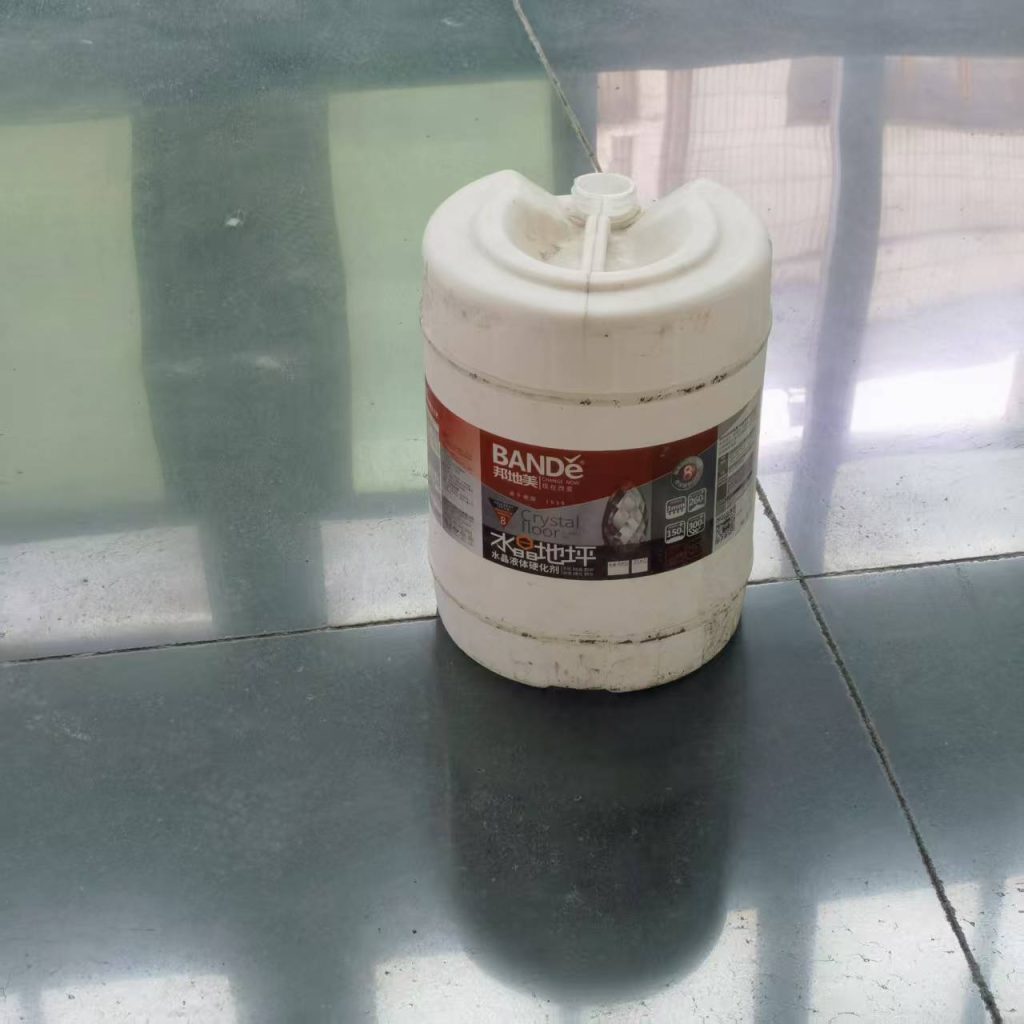
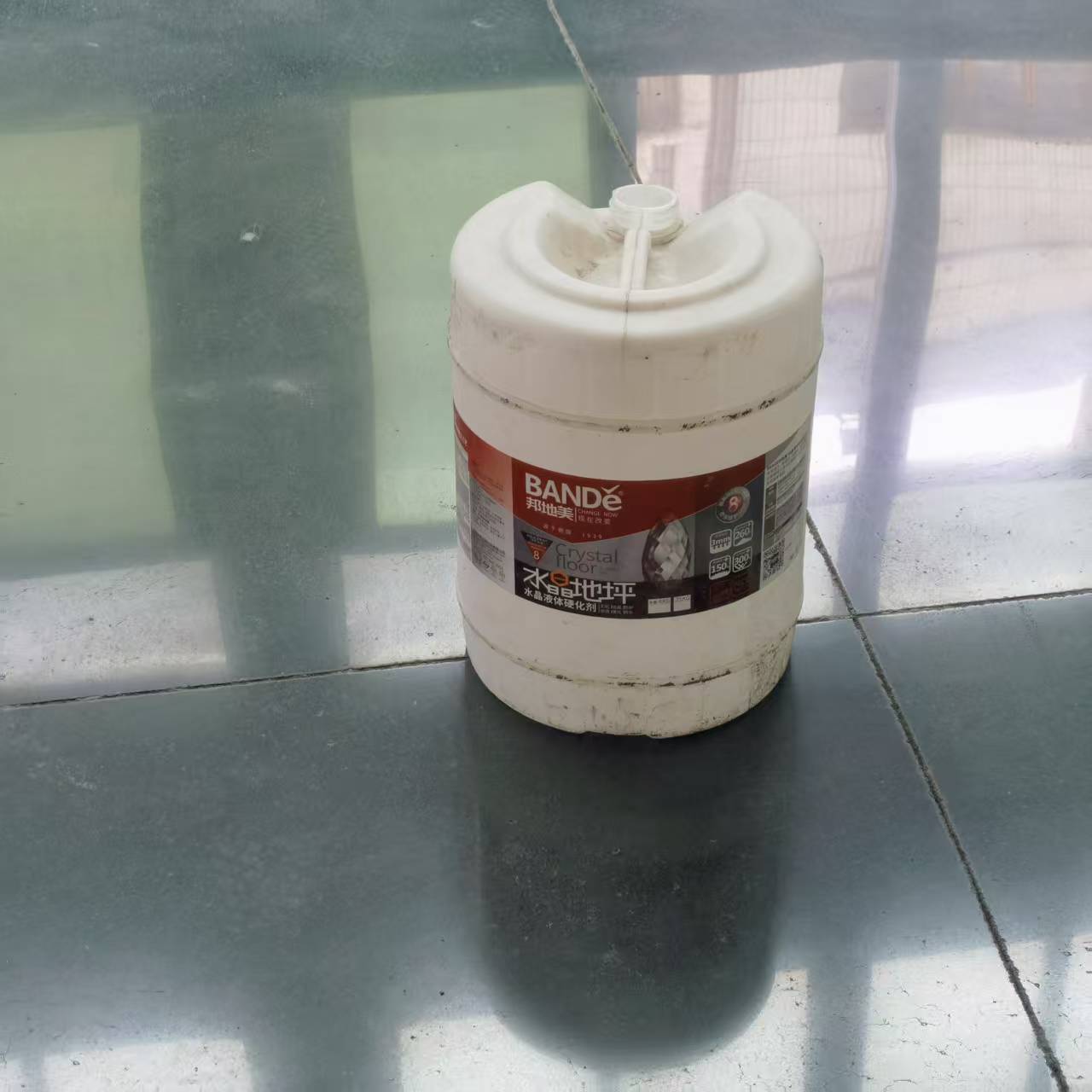
Selecting the right industrial concrete repair products is very important. It helps keep your surfaces strong. Choosing the right product affects how long repairs last and how well they work. You might see different kinds of damage. This can include cracks, spalling, or wear on the surface. Also, changes in temperature and exposure to chemicals can make your choices harder. Knowing these things helps you make smart choices. This will improve how long your repairs last.
Key Takeaways
Find out what kind of concrete damage you have. This could be cracks or spalling. This helps you pick the right repair method.
Think about the environment. Look at temperature and chemical exposure when choosing repair materials.
Make sure the repair product works well with the existing concrete. This helps with sticking and lasting longer.
Choose materials that have worked well for a long time. This can save you time and money on future repairs.
Get the surface ready before you apply repairs. This makes the fix work better and last longer.
Concrete Damage Types
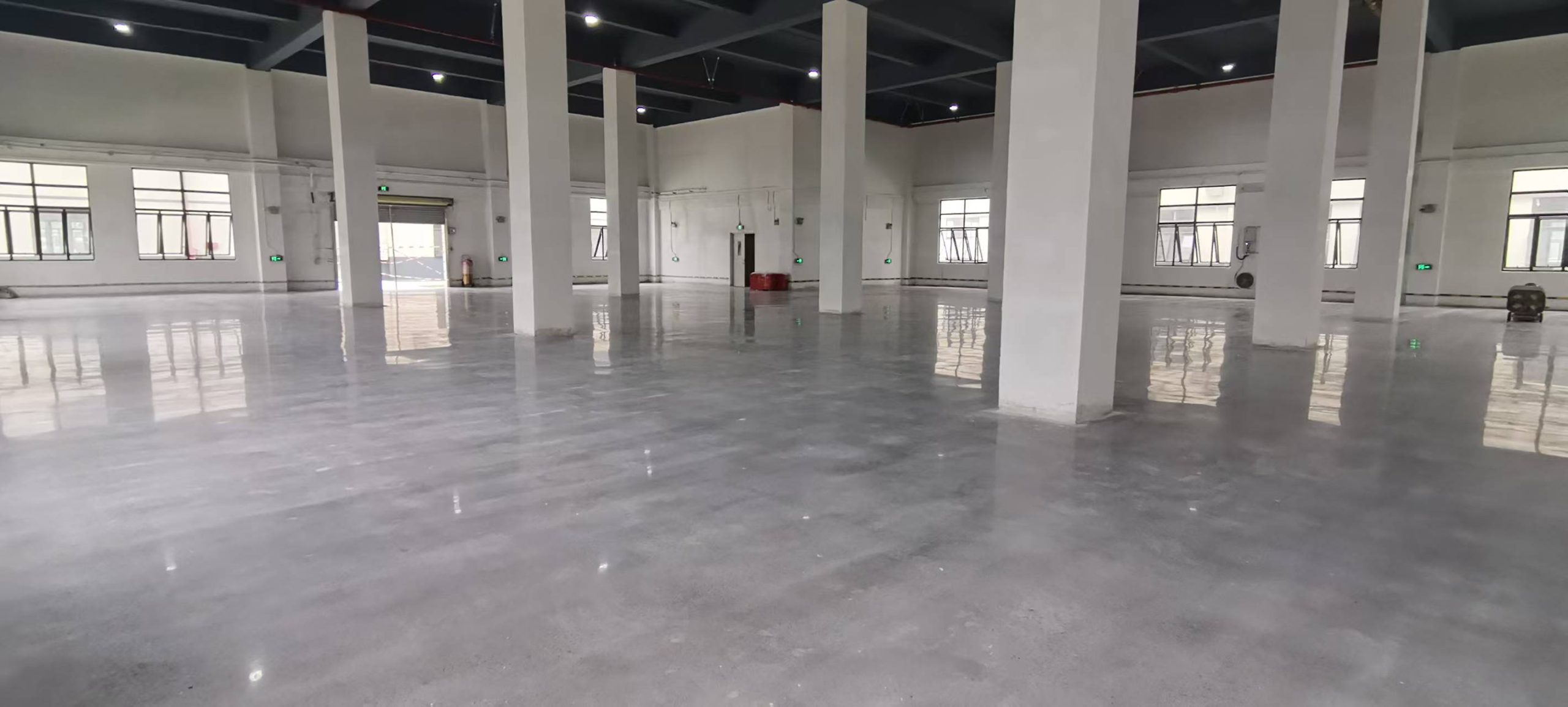
Cracks
Cracks are very common in concrete at industrial sites. They often happen because of load stress, shrinkage, or moisture getting in. When you see cracks, check how big and deep they are. Small cracks might just need a simple sealant. Bigger cracks need more work to fix. If you ignore cracks, they can cause more damage. So, it is important to fix them quickly.
Spalling
Spalling is when concrete surfaces start to flake or chip. This usually happens from freeze-thaw cycles, chemicals, or rusting rebar inside the concrete. When spalling happens, it can weaken your concrete. You should take out the damaged parts and use a good repair product to fix the surface. A strong patching compound can help stop spalling from happening again.
Surface Wear
Surface wear includes pitting and scratches from heavy machines and foot traffic. Over time, this can make surfaces uneven and create safety risks. You might also see discoloration from uneven curing or chemicals. To fix surface wear, clean the area well and use a cement repair mortar. This will help restore the surface and make it stronger against future wear.
Knowing these types of damage helps you pick the right repair products. Each type needs a special way to ensure lasting results. By fixing cracks, spalling, and surface wear properly, you can keep your concrete surfaces strong in industrial places.
Environmental Factors in Industrial Concrete Repair
Temperature and Weather
Changes in temperature can really affect your concrete repairs. When it gets hot or cold, concrete can expand or shrink. This movement can cause cracks and damage if the repair materials are not right. For instance, cold weather can freeze moisture in the concrete, which leads to cracks. On the other hand, hot weather can make concrete expand quickly, causing spalling. To avoid these problems, use repair products made for certain temperature ranges. Also, make sure the surface is not frozen before you start fixing it.
Chemical Exposure
In industrial areas, chemicals can be a big problem. Many chemicals can harm concrete surfaces, causing spalling and making them weaker. To fix this, choose repair materials that resist corrosion well. Epoxy-based products are often suggested because they stick well and resist chemicals. These materials can handle tough conditions, so your repairs will last longer.
Load and Stress
High-load areas have special challenges for concrete repairs. The materials you pick must be strong enough to match or be stronger than the original concrete. This way, your repairs can take the stress without breaking. Fast curing times are also important in these places to reduce downtime. Always think about the specific needs of your environment when choosing repair products.
Implication | |
|---|---|
Can cause expansion and contraction that may crack weak repairs. | |
Exposure to chemicals | Requires repair materials that are resistant to corrosion and breakdown. |
Moisture levels | Affects the longevity of repair materials; moisture-resistant options are ideal. |
Specific industrial conditions | High-load environments need products with compressive strengths equal to or greater than the original concrete. |
By knowing these environmental factors, you can make smart choices about the best concrete repair products for your needs.
Choosing the Right Product for Repairs
Compatibility with Existing Concrete
When you pick a concrete repair material, it must match the existing concrete. The repair material should have similar expansion rates, flexibility, and strength. This helps the repairs last longer and reduces how often you need to fix things. Here are some important points to think about:
A good repair mix should be as strong, dense, and absorb water like the existing concrete.
If the properties don’t match, it can cause early failures in the structure.
The aim of concrete repair is to create a mix that is like the existing concrete. If the repair mix is too strong or dense, it can cause problems.
By focusing on compatibility, you can make your repairs last longer and avoid future problems.
Cure Time and Workability
Cure time is very important for successful repairs. The usual cure time for concrete is 28 days. This time lets the concrete get its full strength and hydration. Waiting this long helps prevent water issues that could harm coatings.
Workability also affects your choice of concrete repair materials. Good workability means you can apply the material well, leading to a strong repair. Industry standards say that repair materials should have high early strength and good bonding. These traits are linked to their workability.
Choosing materials with good workability is key for effective application and strong repairs in industrial places.
Long-term Performance
Long-term performance is very important when picking the right product for repairs. You want materials that can handle environmental stress and stay strong over time. Different types of polymers have different levels of resistance to these stressors.
Polymer type | Advantage | Disadvantage |
|---|---|---|
Epoxy (100% solids) | Very strong, Great chemical resistance | Brittle, Slow to cure |
Polyurethane | Flexible, Tough | Weak bond, Can yellow |
Polyurea | Cures fast, Tough | Limited bond, Can yellow |
Acrylics (reactive) | Won’t yellow, Cures fast | Smelly, Some can be brittle |
Silicone resins | Best long-lasting sealant | Costly, May need a primer |
Choosing a product with proven long-term performance will save you time and money later. You can meet quick turnaround needs while making sure your repairs last.
By thinking about compatibility, cure time, workability, and long-term performance, you can make smart choices for your industrial concrete repair needs.
Recommended Concrete Repair Materials
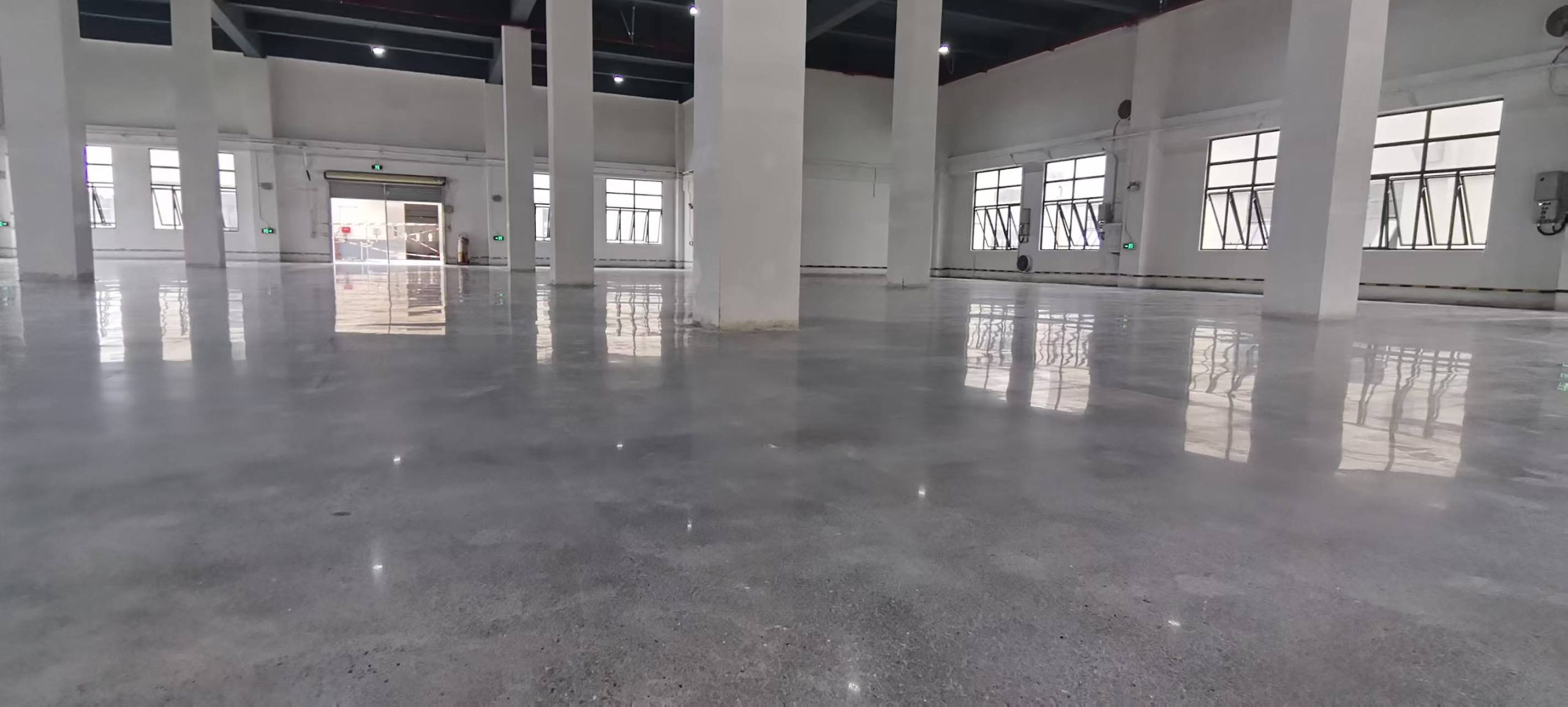
Epoxy-based Compounds
Epoxy-based compounds are great for fixing cracks in industrial concrete. They have strong bonds and resist moisture and chemicals. This makes them perfect for places with acids, alkalis, solvents, and salts. Unlike regular concrete repairs, epoxy repairs stay stable and keep their strength. This is why they are the best choice for facilities that deal with harsh chemicals.
Here are some key benefits of epoxy-based compounds:
Superior bond strength: They create a strong connection with existing concrete.
Resistance to moisture and chemicals: This ensures long-lasting repairs in challenging environments.
Ideal for structural repairs: They work well in areas exposed to aggressive materials.
For effective crack repairs, think about using epoxy injection methods. This technique is very good for restoring strength and stopping moisture from getting in.
Method | Effectiveness | Best For |
|---|---|---|
Epoxy Injection | Highly effective for repairing fine cracks and restoring structural integrity | Structural cracks due to load stress |
Polyurethane and Polyurea Systems
Polyurethane and polyurea systems are also popular choices for industrial concrete repairs. These materials cure quickly, creating an instant waterproof barrier. This feature greatly reduces downtime, making them perfect for busy industrial places.
Here are some advantages of using these systems:
Advantage | Description |
|---|---|
Rapid Curing | Reacts quickly, allowing for fast application and minimal disruption. |
Strong Bonding Strength | Prevents crack reopening, ensuring long-lasting repairs. |
High Penetration | Low viscosity allows it to infiltrate micro-cracks and capillary pores, effective in critical areas. |
Exceptional Durability | Withstands harsh conditions, making it ideal for infrastructure. |
Polyurea systems can handle extreme temperature changes, making them suitable for different climates. They can withstand temperatures from -20°F to 140°F, preventing cracking and peeling. This flexibility is important in areas with big temperature changes.
Cementitious Repair Mortars
Cementitious repair mortars are another reliable option for industrial concrete repairs. They work well with existing concrete, making them good for bulk repairs. While they may not resist chemicals as well as epoxy systems, they are often more reliable in outdoor, high-movement conditions.
Here are some points to consider about cementitious repair mortars:
They usually last 15 to 30 years, which is shorter than epoxy but often more reliable in changing conditions.
They are easy to use and cost-effective, making them a popular choice for surface spalling and edge rebuilding.
Requirement | Details |
|---|---|
Curing | Use a suitable water-based curing compound right after applying. Avoid solvent-based curing compounds. |
Temperature | Do not apply below 35° F (1.7° C) or above 90° F (32.2° C). |
Protection | Protect from freezing for at least 24 hours. |
Application Thickness | Maximum thickness should not exceed 2″ (51 mm) when applied neat. |
By knowing the benefits of these recommended concrete repair materials, you can make smart choices that improve the durability and performance of your industrial concrete surfaces.
Choosing the right concrete repair products is very important. It helps make sure your repairs last and work well. Here are some important things to think about:
Understand Damage Types: Find out what caused the damage. This helps you pick the best repair method.
Consider Environmental Factors: Think about how temperature, chemicals, and weight affect your material choices.
Prioritize Compatibility: Make sure the repair material is similar to the existing concrete. This helps it stick better and last longer.
By avoiding common mistakes, like not preparing the surface well or picking the wrong materials, you can make your repairs more effective. Use these tips to make smart choices for lasting results in your industrial concrete work. 🏗️
FAQ
What should I think about before starting a concrete repair?
You need to check the type of damage, weather conditions, and if the repair materials match the existing concrete. Knowing these things helps you pick the best way to fix it.
How long do concrete repairs usually last?
Concrete repairs can last different amounts of time. Epoxy repairs can last more than 30 years, while cement-based repairs may last 15 to 30 years. How well you apply them and the weather can affect how long they last.
Can I use concrete repair products in cold weather?
Yes, but you need to follow some rules. Make sure the temperature is above 35°F (1.7°C) and keep the area from freezing for at least 24 hours after you apply it.
How do I get the surface ready for repair?
First, clean the area really well. Get rid of any loose dirt, dust, or other stuff. A wire brush or pressure washer works best. Preparing the surface properly helps the repair stick better.
Are there eco-friendly concrete repair choices available?
Yes, some companies make eco-friendly repair products. Look for materials that have low VOCs (volatile organic compounds) and use sustainable ingredients. These choices can help the environment while still fixing the concrete well.
See Also
Top Five Industrial Concrete Floor Hardeners You Should Consider
Selecting The Ideal Epoxy Concrete Patch For Your Needs
A Comprehensive 2025 Guide To Concrete Floor Hardener Selection
The Ultimate Guide To Selecting The Right Concrete Sealer
Tips For Choosing The Right BANDě Concrete Patching Compound
