

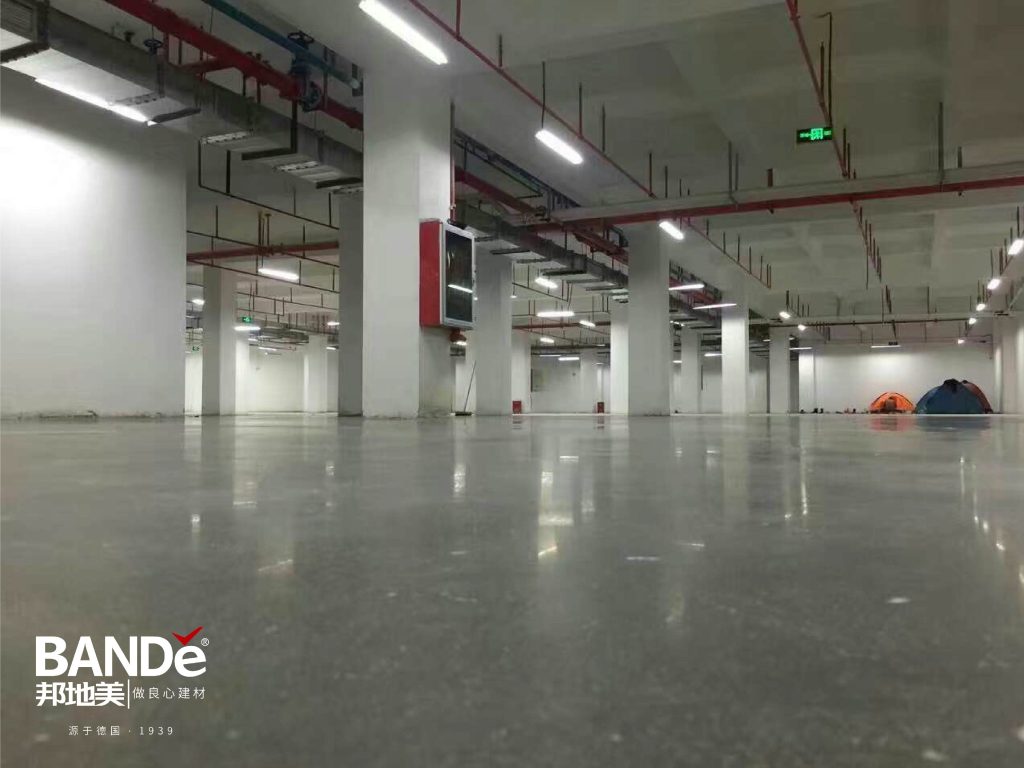
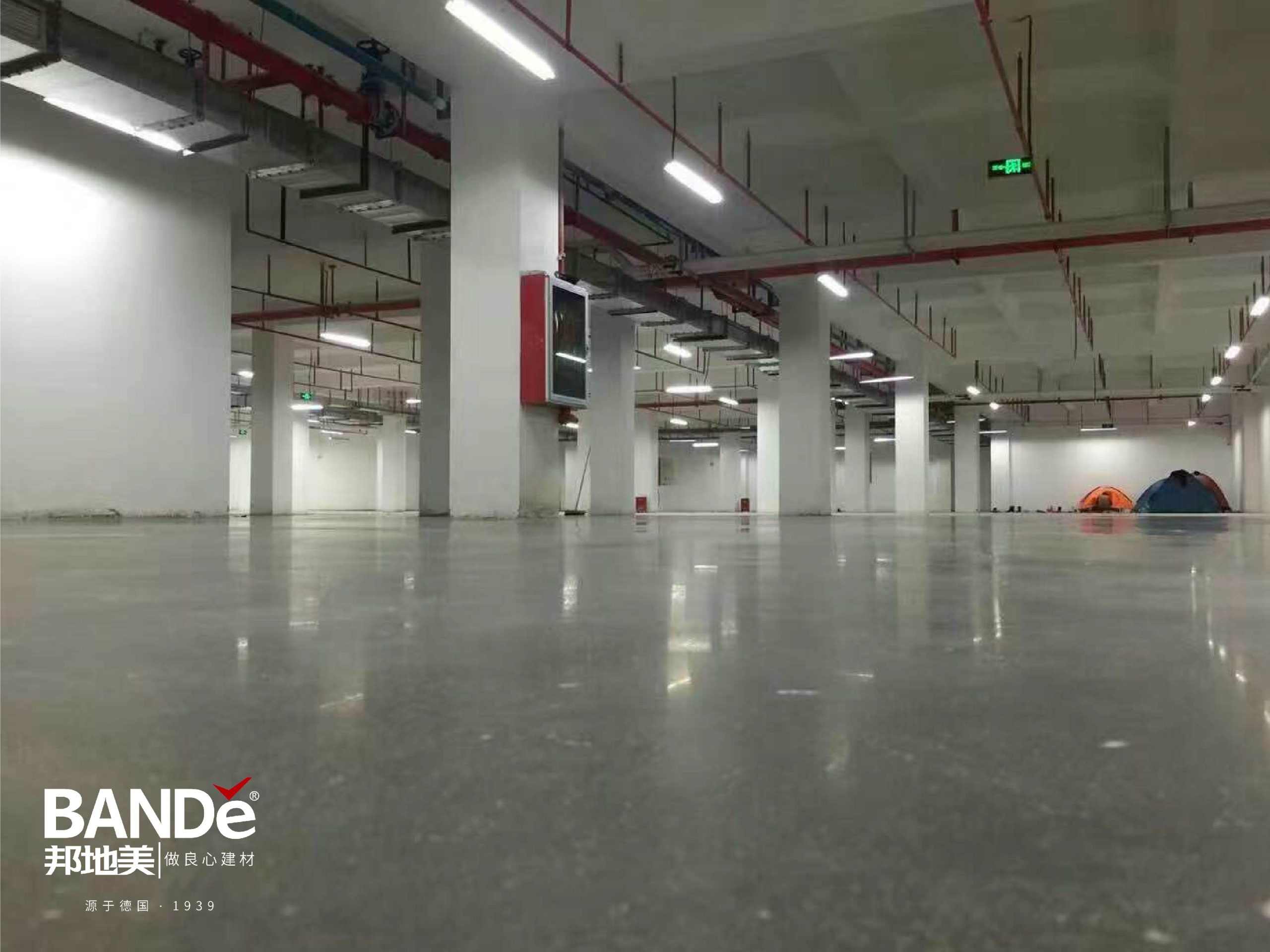
Concrete surface hardeners are very important for making concrete last longer. The market for these hardeners is growing fast. It is expected to reach USD 3.7 billion by 2025. This shows how important they are in construction. They make surfaces stronger and help resist wear and tear. This is especially true in businesses. These hardeners help concrete slabs last longer. This is important for warehouses and stores. They also help cut down on dust and maintenance costs. This makes them a great choice for any construction project.
Key Takeaways
Concrete surface hardeners make concrete stronger and help it last longer. This reduces how often repairs are needed.
There are different types of hardeners. These include surface, integral, and densifiers. Each type has a special purpose for different construction needs.
Picking the right hardener is important. You should think about traffic, chemical exposure, and your budget. This can save money and make concrete last longer.
Good surface preparation and application methods are very important. They help concrete hardeners work well.
Regular maintenance and curing practices keep concrete strong and looking good.
Concrete Surface Hardener Types
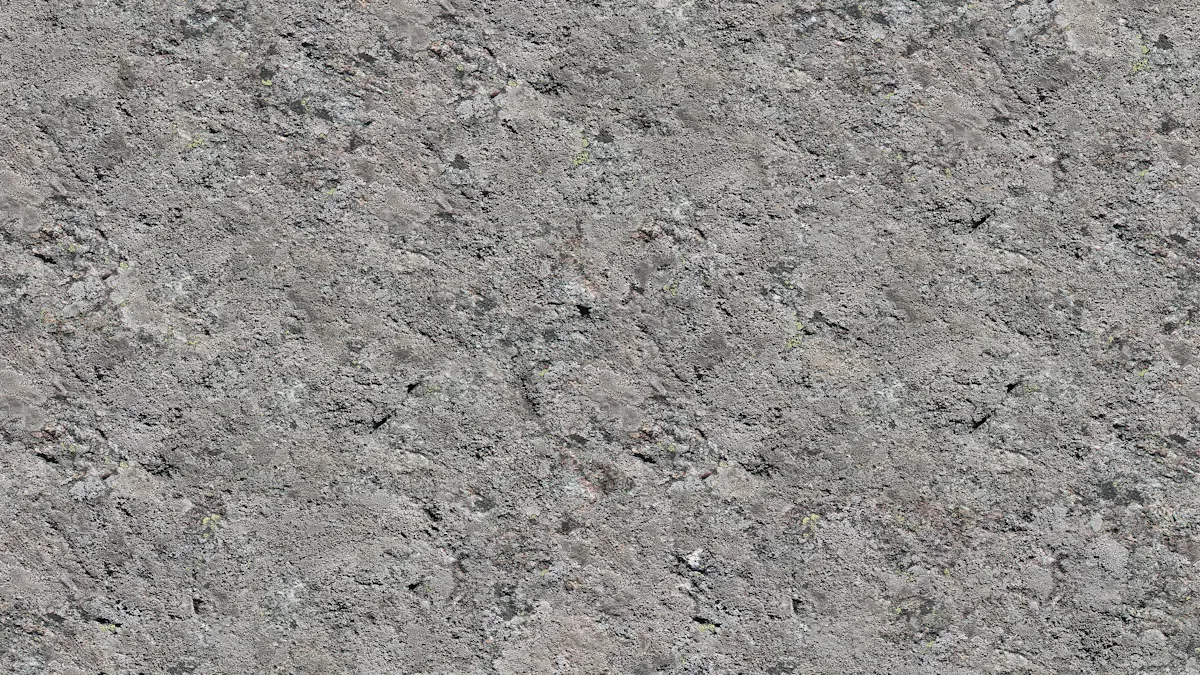
Concrete surface hardeners come in different types. Each type has a special job in construction. Knowing these types helps you pick the right hardener for your project.
Surface Hardeners
Surface hardeners usually come in powder form. They make concrete surfaces stronger. You put them on top of new concrete. They create a hard layer that resists wear. This layer protects against damage and impacts. It is great for busy areas like warehouses and factories.
Here are some important features of surface hardeners:
High Durability: They can handle heavy loads and foot traffic.
Chemical Resistance: Many resist chemicals, making them good for industrial places.
Cost-Effective: They lower maintenance costs over time.
Type of Hardener | Main Ingredients | Functionality |
|---|---|---|
Inorganic Hardeners | Sodium silicate, potassium silicate, magnesium fluorosilicate, nano silica, aluminum oxide | They react with calcium hydroxide to create more calcium silicate hydrate. This makes it denser and tougher. Great for industrial areas. |
Organic Hardeners | Epoxy resin, polyurethane, acrylic with curing agents and hard mineral fillers | They form a protective layer, improving flexibility and resistance to rust. Good for special environments. |
Integral Hardeners
Integral hardeners mix into the concrete before pouring. This way, the hardener spreads evenly in the concrete. You get the same color and strength all over the surface.
Some benefits of integral hardeners are:
Uniform Color: They give a consistent color throughout the concrete, making repairs easier.
Durability: They make the concrete last longer and resist wear.
Ease of Maintenance: They make cleaning and caring for the concrete surface easier.
Integral hardeners are great for complex or vertical surfaces. They need less extra work compared to unpigmented concrete.
Densifiers
Densifiers are liquid hardeners that soak into the concrete surface. They react with free lime and calcium hydroxide. This creates calcium silicate hydrate (CSH) crystals. This process makes the concrete denser and stronger.
Densifiers have several benefits:
Increased Surface Hardness: They react with calcium hydroxide to fill holes and make it harder.
Improved Abrasion Resistance: The densified surface resists wear, which is important for busy areas.
Reduced Dusting: Densifiers cut down on dust, helping with cleanliness and health in industrial places.
Densifiers are very useful in areas with heavy machines or lots of foot traffic. They help reduce dust that can spoil products and equipment, leading to lower maintenance costs.
Benefits of Concrete Surface Hardeners
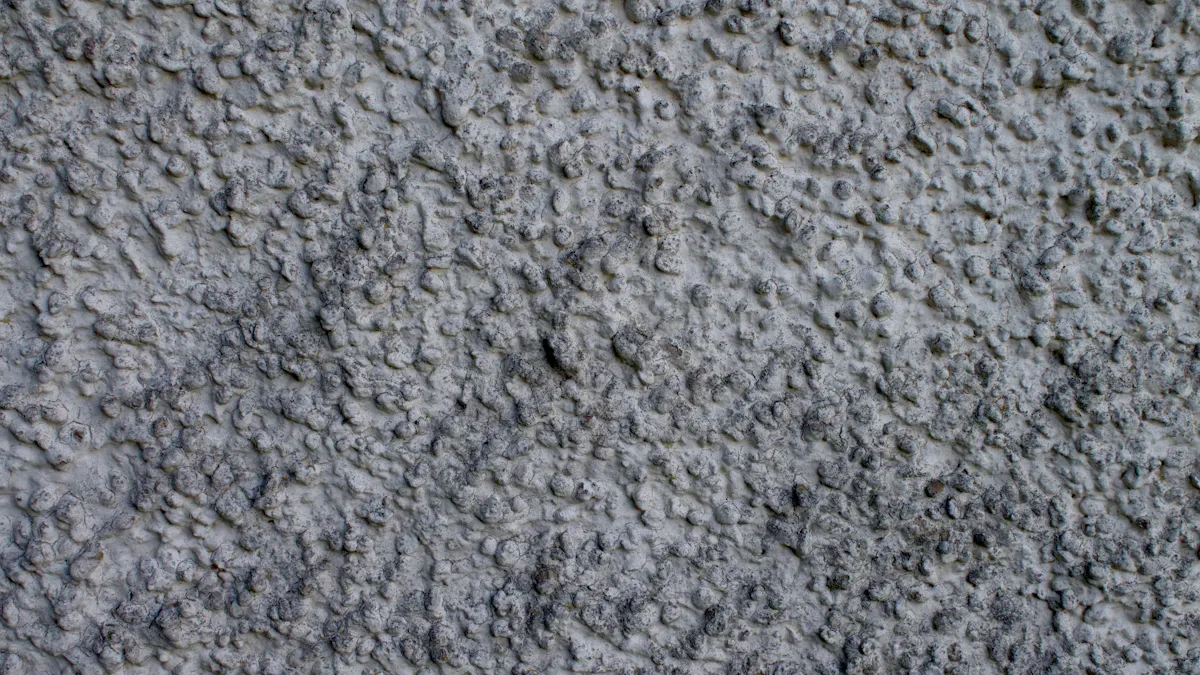
Concrete surface hardeners have many benefits. They help make concrete structures last longer and work better. Knowing these benefits helps you choose wisely for your construction projects.
Enhanced Durability
One big benefit of concrete surface hardeners is that they make concrete stronger. These hardeners react with the concrete surface. This creates a thicker layer that is tougher. This layer helps resist wear, chemicals, and weather. Because of this, your concrete structures last longer and need fewer repairs.
Good quality concrete floor hardeners help in factories.
They help save time and money by needing fewer repairs.
Densifiers keep concrete safe from damage inside, making them a smart choice for businesses.
Aesthetic Improvements
Concrete surface hardeners also make your concrete look better. They help colors stay bright and give a smooth, shiny finish. This makes your surfaces look nice and helps them stay that way over time.
Improvement Type | Description |
|---|---|
Color Enhancement | Makes the color and look of concrete surfaces better, allowing for bright and even colors. |
Gloss and Sheen | Gives a smooth and shiny surface, making concrete look more attractive. |
Stain and Wear Resistance | Helps resist stains and wear, making it easier to clean and keeping it looking good. |
Densifiers are great because they lock colors into the concrete. This keeps colors bright and stops fading. You can have a nice finish that lasts a long time.
Cost-Effectiveness
Using concrete surface hardeners can save you money over time. They make floors stronger, which means fewer repairs and replacements. This saves money and helps the environment.
Concrete surface hardeners help you use eco-friendly products for green building certifications.
They lower material costs and reduce environmental impact, supporting sustainable building practices.
Application Methods for Concrete Surface Hardeners
Surface Preparation
Getting the surface ready is very important for using concrete surface hardeners. Follow these steps to make sure it sticks well:
Clean the Concrete Surface: Take away dust, oils, grease, and other dirt to help it stick.
Use Appropriate Cleaning Agents: Use tools like a soft broom, microfiber mop, pH-neutral cleaner, degreaser, and pressure washer for good cleaning.
Dry the Surface: Make sure the surface is completely dry before putting on the hardener.
Level the Surface: Check if the surface is flat and level according to industry standards.
Use a Primer: Put on a primer to help it stick better and last longer.
Tip: Avoid common mistakes during preparation. Not cleaning well or not drying enough can cause problems. Always check for moisture to avoid sticking issues.
Application Techniques
Putting on concrete surface hardeners needs careful methods to cover evenly. Here are good ways to do it:
Prepare the Surface: Clean the floor well and fix any damage to help it stick.
Apply the Floor Hardener: Mix the product as directed and spread it evenly using a sprayer or squeegee, making a thick, even layer.
Finishing: Let the last layer dry completely and think about adding a sealer for extra protection.
Note: Putting on hardeners too soon can reduce their effectiveness. Make sure the concrete has soaked up enough water for the best results.
Curing and Maintenance
Curing is very important to get the most benefits from your hardener. Follow these best practices:
Keep moisture in the slab so the concrete can get stronger.
Wait to shrink until the concrete is strong enough to avoid cracks.
Control moisture loss to improve strength, durability, and wear resistance.
To cure well:
Flood the surface with water for the first seven days after placing it.
Use curing compounds right after finishing to stop surface damage.
Make sure to apply enough curing compounds according to the manufacturer’s instructions.
Reminder: Regular maintenance is key to longevity. Clean the surface often to keep it slip-resistant and protect against wear.
Concrete surface hardeners are very important for making your floors stronger and last longer. They help protect against damage, so your surfaces stay good for a long time. Here are some important points to remember:
There are different types of hardeners for different uses. For example, dry shake hardeners are great for busy areas, while liquid hardeners work on both new and old floors.
Think about things like how much traffic there is, if there are chemicals, and your budget when picking a hardener. Choosing the right one can save you money and make your floors last longer.
By knowing these things, you can make smart choices for your construction projects. 🌟
FAQ
What are concrete surface hardeners?
Concrete surface hardeners are materials that make concrete stronger. They help it last longer and resist wear. You can find them as powders or liquids for different uses.
How do I choose the right hardener?
Think about how much traffic there is, if there are chemicals, and your budget. Each type of hardener has a special purpose. Look at your project needs to pick the best one for your concrete.
Can I apply hardeners to old concrete?
Yes, you can use hardeners on old concrete. Make sure the surface is clean and clear of dirt. Use densifiers or surface hardeners to make it stronger and better overall.
How long does it take for hardeners to dry?
Drying times depend on the product and the weather. Usually, surface hardeners take a few hours to a day to dry. Always check the manufacturer’s instructions for exact drying times.
Are concrete surface hardeners environmentally friendly?
Many concrete surface hardeners are good for the environment. They help cut down on repairs and waste. Some products also help with green building certifications, making them a smart choice for construction.
See Also
Understanding The Functionality Of Concrete Surface Hardeners
The Benefits And Function Of BANDě Concrete Surface Hardener
Exploring The Purpose And Operation Of Concrete Floor Hardeners
Defining Concrete Hardeners And Their Mechanisms Of Action
Understanding Concrete Densifiers, Hardeners, Sealers, And Their Functions
