


Concrete floor coatings, or concrete floor coatings, play a crucial role in improving both the durability and appearance of your concrete surfaces. Whether you’re considering options for a residential space or an industrial setting, understanding the types of concrete floor coatings available helps you make informed choices. From epoxy to micro concrete, each type offers unique benefits tailored to your needs.
Key Takeaways
Choose epoxy coatings for high-traffic areas. They offer exceptional durability and chemical resistance, making them ideal for industrial settings.
Consider polyurethane coatings for environments with temperature changes. They provide flexibility and UV resistance, ensuring long-lasting performance.
Acrylic coatings are perfect for quick applications. They cure fast and come in various colors, enhancing the aesthetic appeal of your concrete surfaces.
Concrete Coating Types
Epoxy Coating
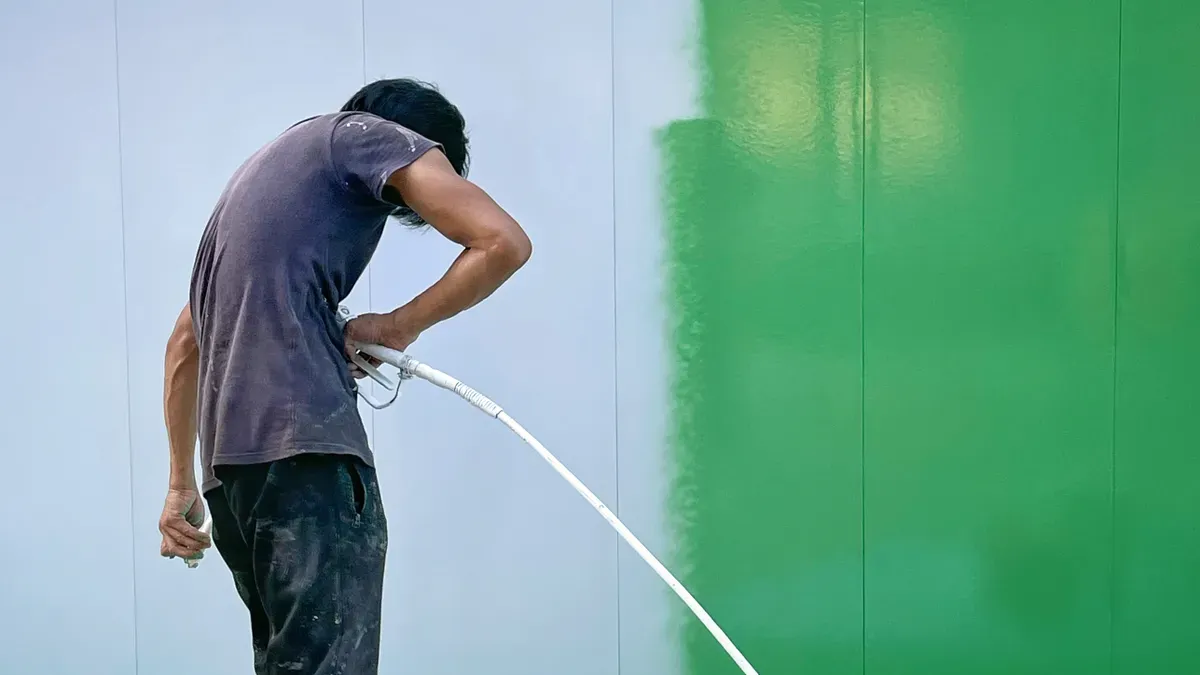
Epoxy coatings are a popular choice for many concrete surfaces due to their exceptional durability and performance. They create a strong bond with the concrete, making them ideal for high-traffic areas. Here are some key features of epoxy coatings:
Exceptional Durability: Epoxy coatings can withstand heavy foot traffic and vehicular loads, making them perfect for industrial settings.
High Chemical Resistance: They resist chemicals, oils, and solvents, which is crucial for environments like garages and manufacturing facilities.
Seamless Finish: The seamless nature of epoxy makes it easy to clean and maintain, enhancing hygiene in spaces like retail stores.
Chemical Properties | Applications |
|---|---|
Exceptional durability | Garage Floors |
High chemical resistance | Industrial Facilities |
Tough and abrasion-resistant | Retail Spaces |
Seamless and easy to clean |
Polyurethane Coating
Polyurethane coatings are another excellent option for concrete floors, especially in areas exposed to varying temperatures. They offer flexibility and UV resistance, making them suitable for both indoor and outdoor applications. Here’s what you should know:
UV Resistance: Polyurethane coatings resist fading and yellowing from UV exposure, keeping your floors looking fresh.
Flexibility: These coatings can expand and contract with temperature changes, reducing the risk of cracks.
Gloss Retention: They maintain a glossy appearance over time, even in high-traffic areas.
You might find polyurethane coatings particularly beneficial in environments where temperature fluctuations are common.
Acrylic Coating
If you’re looking for a quick and easy solution, acrylic coatings might be the way to go. These water-based coatings cure quickly and are easy to apply. Here are some advantages:
Fast-Curing: Acrylic coatings dry quickly, allowing for minimal downtime during application.
Decorative Options: They enhance the appearance of concrete and come in various colors, making them ideal for decorative applications.
Environmental Resistance: Acrylic coatings protect against moisture and UV rays, ensuring longevity.
Feature | Acrylic Coatings | Other Coatings |
|---|---|---|
Base | Water-based | Varies (e.g., solvent-based) |
Appearance | Enhances concrete’s look, available in various colors | Varies, often more durable finishes |
Ideal Use | Decorative applications | Industrial, heavy-duty applications |
Application Speed | Fast-curing, easy to apply | May require longer curing times |
Environmental Resistance | Protects against moisture and UV | Varies, some may be less effective |
Micro Concrete Coating
Micro concrete coatings are gaining popularity for their aesthetic appeal. They provide a thin layer over existing concrete surfaces, creating a seamless and smooth finish. Here are some unique features:
Seamless Structure: The application of micro concrete results in a seamless surface, which is visually appealing.
Modern Aesthetic: This coating contributes to a contemporary look, making it suitable for various interior spaces.
Thin Layer Application: You can apply micro concrete over existing floors, saving time and resources.
Urethane Cement Systems
Urethane cement systems, particularly PU Screed, are designed to withstand extreme conditions. They perform exceptionally well in environments with temperature fluctuations. Here’s what makes them stand out:
Temperature Resistance: Urethane cement systems can endure temperatures ranging from -40°C to +80°C, making them suitable for cold storage areas.
Thermal Shock Resistance: They can handle thermal shock, which is essential in environments that experience rapid temperature changes.
Durability: These systems are tough and can withstand heavy-duty use, making them ideal for industrial applications.
Coating Benefits and Uses
Durability and Performance
When you choose a concrete floor coating, you’re investing in durability and performance. These coatings can significantly enhance the lifespan of your floors, especially in demanding environments like automotive and logistics facilities. Here’s how:
Key Performance Characteristics:
Performance Characteristic
Description
Abrasion Resistance
The ability of a surface to withstand deterioration from various forces such as rubbing and impact, essential for heavy vehicle traffic.
Chemical Resistance
Protects the floor from damage caused by organic and mineral acids, oils, and other chemicals, ensuring longevity and safety.
Surface Appearance
Coated surfaces provide a more uniform and aesthetically pleasing finish compared to raw concrete, enhancing the working environment.
With these advantages, you can see why many industries prefer epoxy coatings and polyurethane coatings. They not only protect your floors but also create a safer and more attractive workspace.
Cost-Effectiveness
Investing in concrete floor coatings can save you money in the long run. While the initial cost may seem high, consider the benefits. Coatings reduce maintenance costs and extend the life of your floors. This is especially true for high-traffic areas where wear and tear can lead to costly repairs.
Long-Term Savings: By preventing damage from chemicals and heavy equipment, you avoid frequent repairs.
Increased Property Value: A well-maintained floor can enhance the overall value of your property, making it a smart investment.
Fast Installation
Time is money, especially in industrial settings. You want your floors ready for use as soon as possible. Different coatings have varying installation times, but many offer quick application and curing processes.
Epoxy Coatings: Typically require 2–3 days for application and curing before you can use the space again.
Polyurethane Coatings: Often cure faster than epoxy, allowing for quicker turnaround times.
By choosing the right coating, you minimize downtime and keep your operations running smoothly.
Choosing the right concrete floor coating is essential for your specific needs. Consider factors like intended use, environmental conditions, and desired appearance. Each coating type offers unique benefits, so take your time exploring options. Don’t hesitate to seek professional advice for the best results.
Key Factors to Consider:
Factor
Description
Customer expectations and requirements
Understand what you need from the coating.
Intended use of the floor and load conditions
Assess how the floor will be used and the weight it will bear.
Pedestrian or vehicle traffic intensity
Determine the level of traffic the floor will experience.
Indoor or outdoor area
Identify the environment where the coating will be applied.
Moisture level and exposure to water
Evaluate the moisture conditions that the coating will face.
Climate conditions and temperature changes
Consider how temperature fluctuations may affect the coating.
Aesthetic expectations and architectural compatibility
Ensure the coating meets design and aesthetic needs.
Application duration and budget planning
Plan for the time and cost involved in applying the coating.
FAQ
What is the best type of concrete floor coating for high-traffic areas?
For high-traffic areas, epoxy coatings are ideal due to their durability and resistance to wear.
How long does it take to install concrete floor coatings?
Installation time varies, but most coatings can be applied within 2 to 3 days, depending on the type.
Can I apply concrete coatings myself?
While DIY is possible, hiring a professional ensures proper application and long-lasting results.
See Also
Top 5 Industrial Concrete Floor Hardeners You Should Consider
Comprehensive Guide to Concrete Sealers for Industrial Floors
How to Select the Ideal Concrete Sealer for You
Understanding BANDě Concrete Floor Hardener: Key Information
Concrete Floor Hardeners: Their Purpose and Functionality Explained
