


Sunlight can significantly damage outdoor concrete surfaces, leading to rapid aging and deterioration. UV-resistant sealers function by forming a protective barrier, preventing harmful rays from penetrating the concrete. Choosing the right outdoor concrete sealer is essential to ensure long-lasting protection and maintain the integrity of your surfaces.
Key Takeaways
UV-resistant sealers protect outdoor concrete from harmful sunlight, preventing fading and cracking.
Regular maintenance, including cleaning and reapplication every 1 to 3 years, ensures long-lasting protection and appearance.
Choosing the right type of sealer, like film-forming or penetrating options, enhances durability and aesthetic appeal.
UV Damage to Outdoor Concrete
Effects of Sunlight
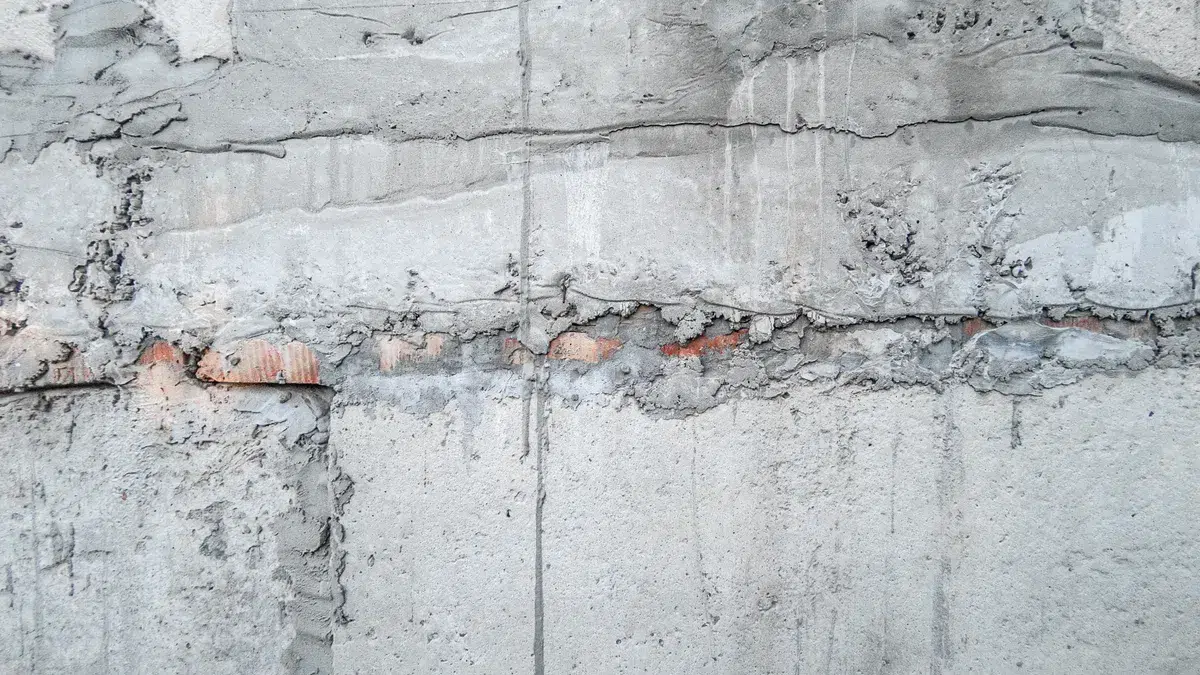
Sunlight can wreak havoc on outdoor concrete surfaces. Over time, UV rays penetrate the concrete, causing it to fade and lose its structural integrity. You may notice the following effects:
Color Fading: The vibrant hues of your concrete can diminish, leading to a dull appearance.
Surface Cracking: Prolonged exposure to sunlight can cause the concrete to dry out, resulting in cracks and chips.
Increased Porosity: UV damage can make concrete more porous, allowing moisture and contaminants to seep in.
Importance of UV Protection
In arid climates, the need for UV protection becomes even more critical. The intense sun can accelerate the aging process of concrete, leading to costly repairs or replacements. By applying a UV-resistant sealer, you can:
Extend Lifespan: Protecting your concrete surfaces from UV rays helps maintain their durability and longevity.
Reduce Maintenance Costs: Investing in UV protection now can save you money on repairs and maintenance in the future.
Enhance Safety: Cracked and deteriorating concrete poses safety risks. A protective sealer minimizes these hazards.
By understanding the effects of sunlight and the importance of UV protection, you can make informed decisions to safeguard your outdoor concrete surfaces.
Types of Concrete Sealers
Film-Forming Sealers
Film-forming sealers create a protective layer on the surface of concrete. This layer acts as a barrier against UV rays, moisture, and other environmental factors. These sealers are particularly effective in enhancing the color and appearance of concrete surfaces. However, they may wear off over time, especially in high-traffic areas.
For outdoor applications in regions with intense sunlight, consider using tinted film-forming sealers. Tinted options like Woodoc 35 and Woodoc 55 are highly recommended. These products provide superior UV protection compared to clear sealers such as Woodoc 30 and Woodoc 50. The transparent iron-oxides in tinted sealers enhance their durability against sun exposure, making them an excellent choice for maintaining the aesthetic appeal of your concrete surfaces.
Penetrating Sealers
Penetrating sealers, on the other hand, work by infiltrating the concrete surface. They bond with the concrete at a molecular level, providing long-lasting protection without altering the surface appearance. Unlike film-forming sealers, penetrating concrete sealers do not wear off easily. They resist yellowing, a common issue with sealers that create a membrane. This makes them ideal for maintaining the natural look of your concrete.
When selecting penetrating sealers for outdoor use, consider the following top-rated options:
Multipurpose Solvent-Based Sealer: This clear thermoplastic sealer is UV resistant and provides a durable, flexible coating on concrete surfaces.
Multipurpose Water-Based Sealer: A non-yellowing polymer sealer that is UV resistant and alkali resistant, suitable for vertical surfaces.
Siliconseal Solvent-Based Sealer: This penetrating liquid reduces water absorption and is effective for hydrophobic infusing, suitable for various mineral surfaces.
Siliconseal Water-Based Sealer: A penetrating waterproofing system that reduces water absorption and is low in VOC, making it suitable for various applications.
By understanding the differences between these types of concrete sealers, you can make informed decisions that best suit your outdoor concrete needs.
Benefits of UV-Resistant Sealers
Enhanced Durability
UV-resistant sealers significantly enhance the durability of your outdoor concrete surfaces. These sealers create a robust barrier that protects against the damaging effects of sunlight. By preventing UV rays from penetrating the concrete, you reduce the risk of fading, cracking, and surface deterioration. This protection is especially crucial in regions with intense sunlight, where concrete can age rapidly.
Investing in a high-quality sealer not only prolongs the life of your concrete but also minimizes maintenance costs. You will find that a well-sealed surface requires less frequent repairs and upkeep, making it a cost-effective solution in the long run. Additionally, many UV-resistant sealers comply with South African SANS standards, ensuring that you receive a product that meets industry benchmarks for quality and performance.
Aesthetic Preservation
Maintaining the appearance of your outdoor concrete is essential for enhancing curb appeal. UV-resistant sealers play a vital role in preserving the color and finish of your concrete surfaces over time. For instance, acrylic sealers provide a protective layer that enhances color and imparts a glossy finish. This strong UV protection helps maintain the aesthetic appeal of your concrete, ensuring it looks vibrant and fresh for years.
To further enhance safety, consider sealers with slip-resistant additives. These additives improve traction on surfaces, reducing the risk of slips and falls. Here’s a quick overview of the benefits of using slip-resistant additives in your concrete sealers:
Feature | Description |
|---|---|
Slip Resistant Additive | Fine, white granules to increase the slip-resistance of sealers on floors. |
Benefits | – Disperses readily & evenly throughout the sealer |
By choosing the best sealer for your outdoor concrete, you ensure that your surfaces remain both beautiful and safe. The combination of durability and aesthetic preservation makes UV-resistant sealers an invaluable investment for any outdoor space.
Application Methods for Outdoor Concrete Sealers
Surface Preparation
Proper surface preparation is crucial for achieving optimal results when applying UV-resistant concrete sealers. Follow these steps to ensure your outdoor concrete surfaces are ready:
Clean the Surface: Remove all debris, dust, oil, and old sealants. Use chemical or pressure washing if necessary.
Fix Cracks and Imperfections: Repair any cracks or imperfections with suitable materials. Allow them to cure completely before sealing.
Etching (if required): If the surface is too smooth, etch it to increase porosity for better sealer penetration.
Porosity Test: Drop water on the concrete; if it absorbs quickly, the surface is porous and suitable for penetrating sealers.
Application Techniques
When applying UV-resistant sealers, use the right techniques to ensure maximum protection and longevity. Here’s a summary of effective application methods:
Feature | Description |
|---|---|
Penetration Depth | The sealer penetrates 0.5mm-1.0mm deep into substrates, converting them to a water-resistant surface. |
You can apply the sealer by spray, brush, or roll, making it versatile and user-friendly. | |
UV Resistance | The unique composition of the sealer resists UV degradation, ensuring longevity. |
Breathability | Allows the structure to breathe, preventing moisture entrapment and paint peeling. |
Anti-Microbial Properties | Treated surfaces resist micro-organisms, reducing maintenance needs. |
After application, pay attention to curing and drying times. Follow the manufacturer’s specified time for curing to ensure proper adhesion of the sealer to the concrete. The drying time varies based on humidity, temperature, and the type of sealer used. Avoid walking or driving on the surface until it is fully cured.
By following these preparation and application techniques, you can maximize the effectiveness of your outdoor concrete sealers and ensure long-lasting protection against harsh sunlight.
Maintenance Tips for Concrete Sealers
Regular Cleaning
To maintain the integrity of your UV-resistant concrete sealers, regular cleaning is essential. You should prioritize cleaning, especially during seasons with increased outdoor activity. Here are some effective cleaning methods:
Sweep frequently to remove dirt and debris.
Use absorbent materials like kitty litter or baking soda for fresh oil or grease stains.
Create natural stain removal solutions using household items like vinegar and dish soap.
Adjust pressure when power washing to avoid damaging the sealant.
Act quickly on stains to prevent them from setting.
Investing in a high-quality broom or leaf blower can enhance your cleaning efficiency. Regularly monitor your surfaces for signs of thermal expansion damage, which can indicate the need for further maintenance.
Reapplication Guidelines
Reapplication of your concrete sealer is crucial for long-lasting protection. You should consider reapplying the sealer every 1 to 3 years, depending on the product and environmental conditions. Signs that indicate the need for reapplication include:
Dull or faded appearance of the surface.
Increased porosity, where water absorbs quickly.
Visible cracks or peeling in the sealer.
By following these maintenance tips, you can ensure that your outdoor concrete surfaces remain protected and visually appealing for years to come.
UV-resistant concrete sealers offer numerous benefits. They protect against water, oil, and stains while enhancing color and maintaining texture. You should assess your outdoor concrete needs and consider UV protection for longevity.
For the best sealing options, consult professionals who can conduct a comprehensive assessment and recommend suitable products.
FAQ
What is a UV-resistant concrete sealer?
A UV-resistant concrete sealer protects your concrete surfaces from harmful ultraviolet rays, preventing fading and deterioration.
How often should I apply a UV-resistant sealer?
Reapply your UV-resistant sealer every 1 to 3 years, depending on environmental conditions and product specifications.
Can I use a UV-resistant sealer indoors?
While UV-resistant sealers are designed for outdoor use, you can use them indoors if sunlight exposure is significant.
See Also
Top Concrete Sealers for Extreme South African Weather
Enhance Your Surfaces With 2025’s Best Concrete Sealers
Comparing Film-Forming And Penetrating Sealers For Australia
