


As the typhoon season approaches, sealing concrete becomes crucial for protecting your property. You need a strong concrete sealer that can withstand heavy rains and fierce winds. It’s essential to choose the right sealer to keep your surfaces safe and dry.
Key Takeaways
Sealing concrete is essential for protecting your property during the typhoon season. A good sealer prevents water damage and extends the life of your surfaces.
Choose the right type of concrete sealer based on your needs. Penetrating sealers offer deep moisture protection, while film-forming sealers create a surface barrier against elements.
Proper surface preparation is crucial for effective sealing. Clean, fill cracks, and ensure the surface is dry before applying the sealer for the best results.
Concrete Sealer Types
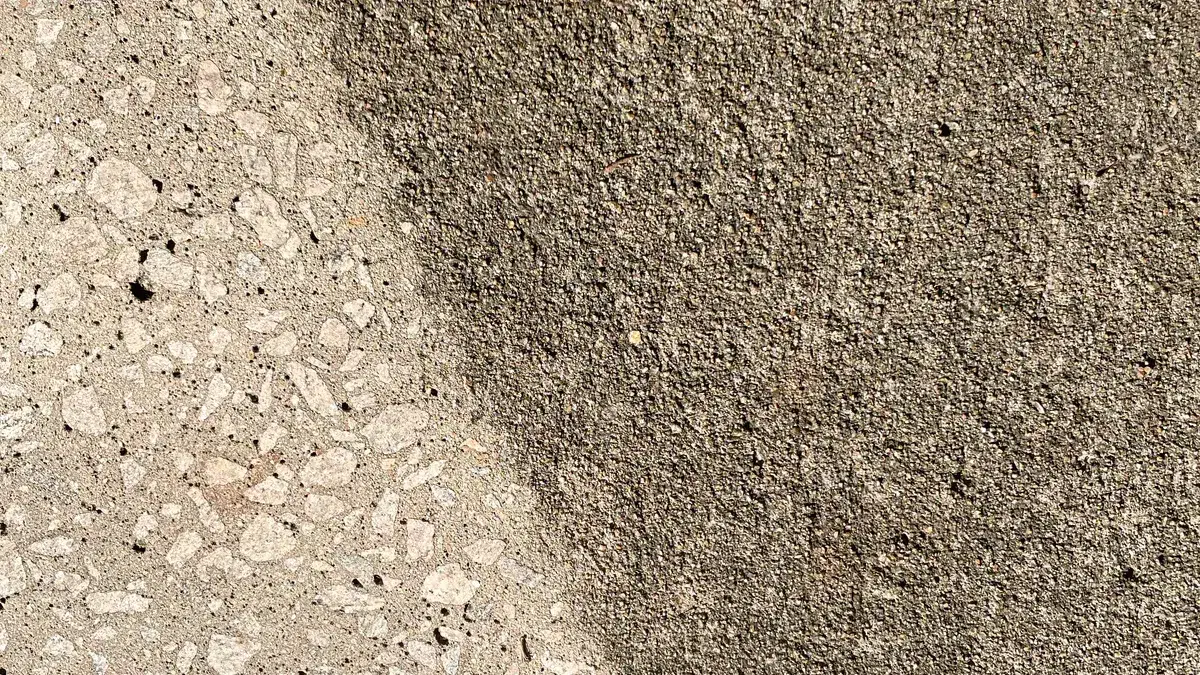
When it comes to protecting your concrete surfaces during the typhoon season, understanding the different types of concrete sealers is essential. Each type offers unique benefits that can help you withstand heavy rains and strong winds.
Penetrating Sealers
Penetrating sealers are designed to soak into the concrete, creating a barrier against moisture. They work by filling the pores in the concrete, which helps prevent water infiltration. This type of sealer is particularly effective in the Philippines, where heavy rainfall can lead to severe water damage.
Here are some common types of penetrating sealers you might consider:
Silicates: These sealers react chemically with the concrete to form a waterproof barrier.
Silanes: They provide excellent water repellency and are ideal for high-humidity environments.
Siloxanes: Known for their durability, siloxanes offer long-lasting protection against water and moisture.
Siliconates: These sealers combine the benefits of silanes and siloxanes, providing robust waterproofing.
Fluorinated sealers: They offer superior protection but may require careful application due to their specialized formula.
Film-Forming Sealers
Film-forming sealers create a protective layer on the surface of the concrete. This layer acts as a shield against water, chemicals, and UV rays. They are particularly useful for outdoor surfaces that face direct exposure to the elements.
Here’s a quick comparison of some effective film-forming sealers that can withstand typhoon conditions:
Product Name | Key Features |
|---|---|
Liquid Bond Cementitious Type Waterproofer | Excellent resistance to UV rays, elastomeric and flexible, suitable for various applications. |
Liquid Flex Two-component Single Package Waterproofer | Excellent adhesion to concrete, flexible, convenient packaging for easy application. |
Magicseal Ready-Mixed Waterproofer | Excellent resistance to rain and UV rays, penetrates concrete for effective waterproofing. |
Choosing the right type of concrete sealer can make a significant difference in protecting your property during the typhoon season. Whether you opt for penetrating or film-forming sealers, ensure they meet your specific needs for durability and waterproofing.
Benefits of Concrete Sealers
When you seal your concrete, you gain significant advantages, especially during the typhoon season. One of the most important benefits is waterproofing performance. A good concrete sealer creates a barrier that prevents water from penetrating the surface. This protection helps you avoid costly water damage, which can lead to cracks and structural issues. With a reliable sealer, you can enjoy long-lasting protection against the elements.
Waterproofing Performance
Waterproofing is crucial in the Philippines, where heavy rains can wreak havoc on unsealed concrete. By using a quality concrete sealer, you ensure that your surfaces remain dry and intact. This not only protects your property but also saves you from expensive repairs down the line. Think of it as an investment in your home’s longevity.
Cost-Effective Solutions
Sealing your concrete is also a cost-effective solution. While there may be an upfront cost for the sealer, the long-term savings are worth it. You’ll spend less on maintenance and repairs, and your concrete will last longer. Plus, many sealers are easy to apply, allowing you to tackle the job yourself. This means you can save on labor costs too!
Drawbacks of Sealers
While concrete sealers offer great protection, they come with some drawbacks you should consider. Understanding these can help you make informed decisions for your property.
Maintenance Considerations
Maintaining your concrete sealer is essential for long-lasting protection. Here are some common maintenance issues you might face:
Power washing is crucial to remove debris and stains from the surface.
Using a concrete cleaning agent helps eliminate stubborn grease and oil stains.
Always apply sealants after cleaning to ensure the surface stays protected.
Dry-look sealants can last up to 10 years, while wet-look sealants may need renewal every 3 to 5 years.
Immediate stain removal is vital to prevent permanent damage to your concrete.
Be aware that the edges of driveways can chip under heavy weight, especially from large vehicles.
Application Challenges
Applying concrete sealers can also present challenges. You need to consider the following:
Weather conditions play a significant role in the application process. Rain or high humidity can affect how well the sealer adheres.
Surface preparation is critical. If the concrete isn’t clean and dry, the sealer won’t perform as expected.
Resealing is necessary to maintain the protective properties of your sealer. Areas exposed to harsh weather, like typhoons, may require more frequent resealing compared to protected areas.
By being aware of these maintenance considerations and application challenges, you can better prepare for the upkeep of your concrete surfaces during the typhoon season.
Applying Concrete Sealer
Applying a concrete sealer effectively requires careful preparation and the right techniques. By following these steps, you can ensure that your concrete surfaces are well-protected against the harsh conditions of the typhoon season.
Surface Preparation
Before you apply concrete sealer, you must prepare the concrete surface properly. This step is crucial for achieving maximum adhesion and ensuring the sealer performs well. Here’s a simple guide to help you prepare the concrete surface:
Clean the Concrete: Start by sweeping the surface to remove dirt and debris. Then, mop the area to eliminate stains. Allow the concrete to dry for at least 24 hours.
Fill Cracks: Inspect the surface for any cracks or pitting. Use a concrete crack sealer to fill these imperfections.
Remove Old Sealer: If there’s an existing sealer, test it first. If present, use a chemical stripper to remove it according to the manufacturer’s instructions.
Strip the Existing Sealer: Apply the stripper and follow the guidelines for effective removal.
Clean and Dry: Scrub the surface with trisodium phosphate to ensure it’s clean, then let it dry for another 24 hours.
Proper surface preparation sets the stage for a successful application of concrete sealer.
Application Techniques
Once your surface is ready, it’s time to apply concrete sealer. Here are some best practices to follow:
Choose the Right Application Method: Depending on the type of sealer, you can use a brush, roller, or squeegee. For example, a longer nap roller cover can help you apply the correct amount of material effectively.
Apply Thin Layers: To avoid uneven coverage, apply thin layers of sealer. This technique helps the sealer adhere better and prevents pooling.
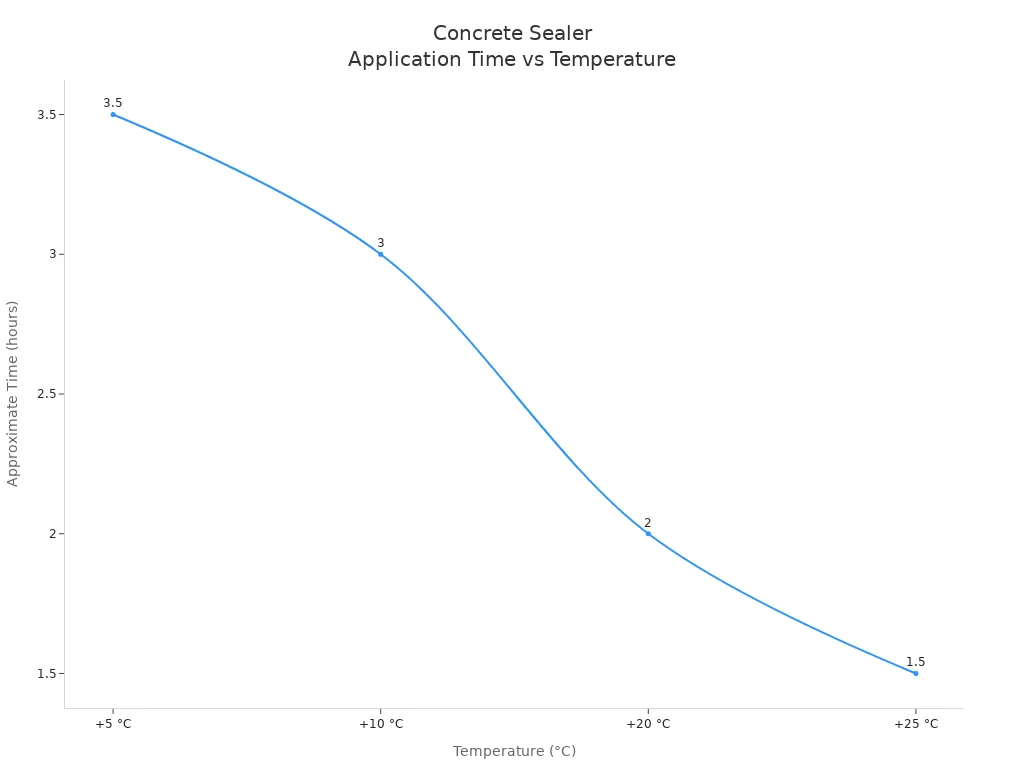
Monitor Environmental Conditions: Keep an eye on the temperature and humidity. Ideal conditions for applying concrete sealers in the Philippines typically range from 10°C to 25°C. Here’s a quick reference table for application times based on temperature:
Temperature | Approximate Time |
|---|---|
+5 °C | ~ 3.5 hours |
+10 °C | ~ 3 hours |
+20 °C | ~ 2 hours |
+25 °C | ~ 1.5 hours |
Ensure Proper Surface Preparation: Make sure the surface is clean and dry before sealing. This step is vital for maximizing adhesion and preventing issues like fogging.
Follow Manufacturer Instructions: Always refer to the product label for specific application guidelines. Each sealer may have unique requirements.
By following these steps, you can confidently apply concrete sealer and protect your surfaces from the elements.
Maintenance for Longevity
Regular Inspections
To keep your concrete surfaces in top shape, regular inspections are a must. You should check for any signs of wear or damage, especially after a heavy rain or typhoon. Look for cracks, discoloration, or peeling. Catching these issues early can save you from costly repairs later.
Here’s a quick checklist for your inspections:
Look for Cracks: Inspect for any new cracks or widening of existing ones.
Check for Stains: Notice any stains that might indicate water infiltration.
Evaluate the Sealer: Ensure the sealer is intact and hasn’t worn away.
Resealing Tips
Resealing your concrete is essential for maintaining its protective properties. Over time, environmental exposure can diminish the effectiveness of your sealer. Here are some effective resealing techniques to keep in mind:
Regular Cleaning: Clean your concrete regularly to prevent dirt and grime from degrading the sealer.
Surface Preparation: Before resealing, make sure to clean the surface thoroughly. This includes pressure washing or acid etching to remove contaminants that could hinder adhesion.
Repair Damage: Fix any cracks or surface imperfections before applying the new sealer. This ensures a strong protective barrier.
Apply Thin Layers: When resealing, apply thin layers to avoid pooling and ensure even coverage.
By following these maintenance tips, you can extend the life of your concrete surfaces and keep them looking great through the typhoon season and beyond! 🌧️
In summary, sealing your concrete is vital for protecting your property during the typhoon season. Choose the right sealer to ensure waterproofing and durability. Don’t wait until the storms hit—take action now! Seal your surfaces and safeguard your home from water damage. 🌧️
FAQ
What is the best time to apply concrete sealer?
You should apply concrete sealer before the typhoon season, ideally during dry weather for optimal adhesion.
How long does concrete sealer last?
Most concrete sealers last between 3 to 10 years, depending on the type and environmental conditions.
Can I apply sealer myself?
Yes! Many sealers are user-friendly, allowing you to apply them without professional help. Just follow the instructions carefully.
See Also
Top Concrete Sealers for Typhoon Season in the Philippines
Ideal Concrete Sealers for South Africa’s Intense Sunlight
Optimal Concrete Sealers for Harsh Canadian Winter Weather
Discovering the Perfect Concrete Sealer for Your Requirements
