

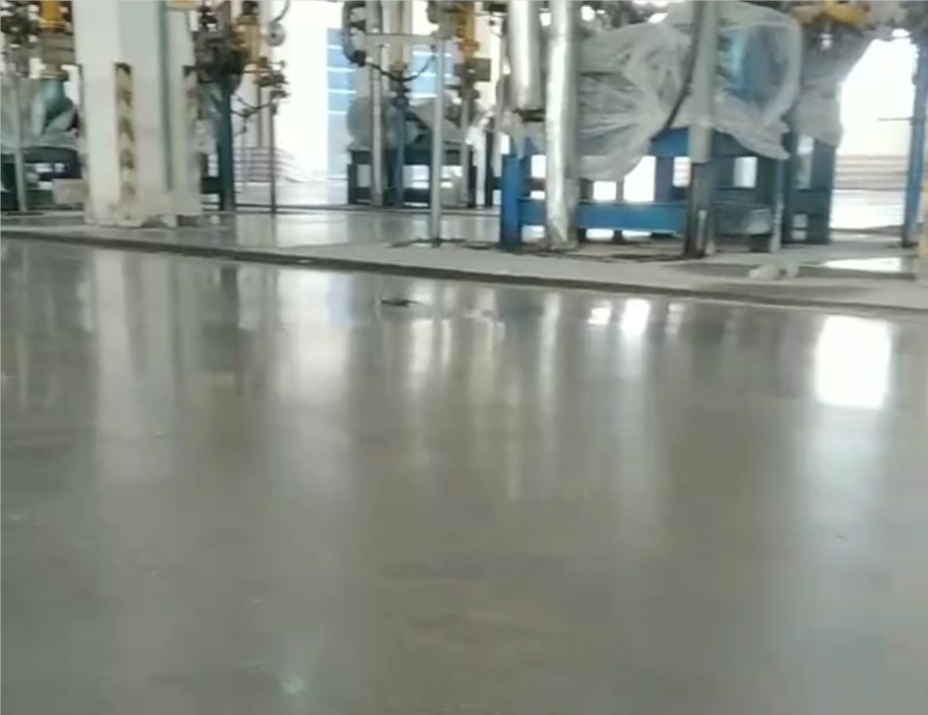
Concrete floor hardening is a crucial process. It significantly improves the durability, surface strength, and longevity of concrete surfaces. Its importance grows in 2025 for sustainable infrastructure. Floor hardeners are chemical solutions. They penetrate concrete, creating a denser, more abrasion-resistant floor. This protects against extensive use. This guide details their application for optimal results.
Key Takeaways
Concrete hardeners make floors stronger. They protect floors from wear and tear. This makes floors last longer.
Clean the floor well before you put on the hardener. This helps the hardener work best. It makes the floor very strong.
Use the right amount of hardener. Too much or too little can cause problems. Always follow the directions.
Understanding Concrete Floor Hardening
What is Concrete Hardener
Concrete floor hardening involves applying a specialized chemical solution. This solution penetrates the concrete surface. It reacts with the free lime within the material, creating a denser, more robust structure. This process significantly improves the durability, surface strength, and longevity of concrete floors. A concrete hardener makes floors tougher. It protects them from extensive use, scrapes, and chemicals. This action ultimately extends the floor’s life. This transformation makes the concrete surface much more resilient against daily wear and tear.
Importance in Modern Construction
This process holds increasing importance in modern construction. Today’s projects demand sustainable, high-performance, and low-maintenance infrastructure. Hardened floors meet these criteria perfectly. They are crucial in commercial, industrial, and residential settings. This process ensures long-term structural integrity for any concrete surface. It also contributes to a healthier indoor environment by reducing dust. This makes it a vital investment for modern buildings.
Key Benefits of Hardened Floors
Hardened floors offer numerous advantages. They exhibit increased abrasion resistance. Industry standards like ASTM C779, ASTM C944, and EN BS 8204-2:2002 define the high levels of abrasion resistance and performance expected from these surfaces. Hardened floors also reduce dusting, a common issue with untreated concrete. They gain enhanced chemical resistance, protecting against spills and corrosive substances. Cleaning and maintenance become much easier. The denser surface repels liquids, preventing stains. Ultimately, concrete floor hardening leads to a significantly longer lifespan for the floor, providing excellent value over time.
Types of Concrete Floor Hardeners
Silicate-Based Hardeners
Silicate-based hardeners are a common choice. They include inorganic compounds like sodium, lithium, and potassium silicates. These substances react with calcium hydroxide, a byproduct of cement hydration. This reaction forms calcium silicate hydrate (C-S-H). This process creates additional C-S-H phases within the concrete‘s pore space. It effectively reduces porosity and strengthens the structure. This enhances the durability of the concrete surface. People often call this process ‘densification’. It compacts the gel pores and capillaries. These hardeners seal pores, making the surface more resistant to stains and chemicals.
Colloidal Silica Solutions
Colloidal silica solutions offer advanced penetration. They react more efficiently than traditional silicates. This leads to superior density and hardness. BANDě Crystal Floor Hardener is a premium example. It provides high-quality, effective hardening. Its unique formulation ensures deep penetration and a robust reaction. This results in a significantly stronger and more durable concrete surface.
Other Chemical Formulations
Beyond silicates, other chemical formulations exist. These might include acrylics or epoxies. They offer different benefits, such as enhanced aesthetics or specific chemical resistance. However, they typically form a surface coating rather than penetrating and reacting with the material itself.
Selecting the Right Hardener
Choosing the right hardener depends on several factors. Consider the floor’s current condition and its intended use. Think about the desired level of durability and chemical resistance. Always consult product specifications and manufacturer recommendations. This ensures you select the best solution for your specific project.
Essential Tools and Materials
Surface Preparation Equipment
Before applying any hardener, you need the right tools. Proper surface preparation is key for a successful application. You will likely need a concrete grinder with diamond tooling. This helps remove old coatings or contaminants. Sometimes, a shot blaster is necessary for larger areas. An industrial vacuum cleaner is essential for dust removal. A pressure washer can clean the surface thoroughly. Do not forget crack repair kits for any existing damage.
Application Tools and Gear
Applying the hardener requires specific tools. A low-pressure sprayer works well for even distribution. You can also use microfiber applicators or mops. These help spread the product smoothly. A squeegee can move excess material. Always have clean buckets ready for mixing or holding the hardener. These tools make the application process much easier.
Personal Protective Equipment
Safety comes first! Always protect yourself during application. Wear safety glasses or goggles to shield your eyes. Chemical-resistant gloves are a must for your hands. If ventilation is poor, use a respirator. Long-sleeved shirts and pants protect your skin. Sturdy safety boots are also a good idea. These items keep you safe from chemical exposure.
Product Selection Criteria
Choosing the right products is important. Consider the type of hardener you need. Is it silicate-based or colloidal silica? Check the product’s coverage rates. This tells you how much product you need. Look at the recommended drying times. Always read the manufacturer’s instructions carefully. Think about your project’s specific needs. For example, will the floor see heavy traffic or chemical exposure?
Step-by-Step Application Process
Applying a floor hardener correctly ensures maximum benefits. This section provides detailed instructions for both DIY enthusiasts and seasoned professionals. Following these steps carefully guarantees optimal results for any floor hardening project.
Surface Preparation Steps
Proper surface preparation forms the foundation for a successful hardener application. For new concrete, applicators can apply the product immediately after final finishing operations. The concrete must have sufficiently hardened, typically reaching a minimum of 14 days of age. At this stage, the surface must also be free of bleed water and strong enough for finishing. Workers should finish the concrete using power floating, manual floating, or tamping techniques.
For old concrete, the surface must be clean and sound. All dust, laitance, grease, oil, dirt, curing agents, impregnations, wax, coatings, and disintegrated material require removal. Grinding the concrete helps open its pores, allowing for optimal penetration of the hardener. The surface must be sound, open-textured, clean, and free from frost, laitance, surface water, oil, grease, coatings, loose particles, and other contaminants. Preparation often involves mechanical techniques like high-pressure water or abrasive blast cleaning. A test area comes highly recommended if any doubt exists about the surface condition.
Initial Cleaning and Repairs
After the initial preparation, a thorough cleaning is essential. Use an industrial vacuum cleaner to remove all dust, dirt, and loose material completely. A brush can also help with this process. For stubborn grime or residues, a pressure washer might be necessary. Ensure the surface is completely dry before proceeding. Any cracks or spalls in the floor require repair before hardener application. Use appropriate concrete repair compounds to fill and smooth these imperfections. A smooth, clean, and dry surface allows the hardener to penetrate uniformly and react effectively.
Hardener Application Techniques
Applying the hardener requires precision for even coverage. A low-pressure sprayer works best for distributing the product uniformly across the surface. Alternatively, one can use microfiber applicators or mops for smaller areas. Pour the hardener into a clean bucket, then apply it in manageable sections.
When using BANDě Crystal Floor Hardener, follow the manufacturer’s recommended application rates, typically around 200-300 square feet per gallon, depending on the porosity of the surface. Apply the hardener evenly, ensuring the entire surface remains wet for at least 20-30 minutes. BANDě Crystal Floor Hardener offers ease of spread and quick absorption, making the application process efficient. Avoid puddling; if excess material accumulates, use a squeegee or mop to spread it to drier areas. The goal is to achieve a consistent, saturated appearance without leaving standing liquid.
Post-Application Care
After applying the hardener, allow it to penetrate and react with the concrete. For BANDě Crystal Floor Hardener, allow approximately 2-4 hours for initial absorption and drying. During this time, keep the area free from foot traffic and other disturbances. Once the surface appears dry to the touch, a light rinse with clean water might be necessary to remove any unreacted material, especially if a white residue forms. Use a soft-bristle brush or mop to agitate the surface during rinsing, then remove the excess water with a wet vacuum or squeegee. Allow the floor to dry completely. The floor can typically handle light foot traffic within 4-6 hours, but full curing and maximum hardness develop over several days to weeks. Protect the surface from heavy traffic or chemical spills during this initial hardening phase.
Common Mistakes and Troubleshooting
Inadequate Surface Preparation
Many people overlook surface preparation. This is a big mistake. Dirt, grease, or old coatings block the hardener. The product cannot penetrate properly. This leads to poor adhesion and uneven hardening. Always ensure the surface is clean, dry, and sound.
Incorrect Application Rates
Applying the wrong amount of hardener causes problems. Too much hardener can lead to puddling. This often results in white residue or wasted product. Too little hardener means the floor does not densify enough. It will not achieve the desired hardness. Always follow the manufacturer’s recommended application rates carefully.
Environmental Impact Factors
Environmental conditions greatly affect application. High temperatures cause the hardener to dry too quickly. This can lead to gelling before proper penetration. Cold temperatures slow down the chemical reaction. High humidity can also extend drying times. Always check the temperature and humidity before starting.
Resolving Application Issues
Sometimes issues arise despite careful planning. White stains or residue often appear from dried excess material. To prevent this, rinse the floor after about 20 minutes. Remove any excess material using a squeegee, wet vacuum, or mop. Efflorescence, which is white stains from moisture, occurs if moisture exposes the product too early. Protect the treated concrete surface from moisture for at least three days after application. Gelling can happen in hot weather (above 25 °C). The material may gel before it penetrates sufficiently. Store the product in a cool place before use. Apply additional material to keep the surface wet during the scrubbing process.
Maintaining Hardened Concrete Floors
Hardened concrete floors offer impressive durability. Still, proper maintenance helps them look great and perform well for years. A simple routine keeps them in top condition.
Routine Cleaning Practices
Keeping hardened floors clean is straightforward. Regular sweeping or dust mopping removes loose dirt and debris. This prevents abrasive particles from scratching the surface. For spills or general cleaning, use a damp mop with a neutral pH cleaner. Avoid harsh acidic or alkaline cleaners. They can dull the floor’s finish over time. Always wipe up spills quickly. This prevents potential staining.
Long-Term Care Strategies
Protecting your investment requires a few long-term strategies. Place floor mats at building entrances. These mats trap dirt and grit from shoes. This significantly reduces wear in high-traffic areas. Avoid dragging heavy furniture or equipment directly across the floor. Use protective pads or dollies instead. Regularly inspect the floor for any signs of wear or damage. Addressing small issues early prevents bigger problems.
Reapplication Considerations
Hardened floors boast exceptional longevity. However, extreme traffic, harsh cleaning regimens, or specific environmental conditions might eventually diminish their effectiveness. Look for signs like dull spots, reduced water beading, or increased dusting. These indicate the original treatment might be wearing thin. Reapplication can restore the floor’s protective qualities. It extends the life of the concrete surface. This ensures continued durability for your concrete floor, maintaining its strength and appearance.
Concrete floor hardening plays a critical role. It creates exceptionally durable, long-lasting, and aesthetically pleasing concrete surfaces. This process offers significant economic and practical benefits. It enhances abrasion resistance and protects against degradation. Proper application, as this guide detailed, maximizes these advantages. View concrete floor hardening as a vital, long-term investment. It promotes superior protection and sustained performance.
FAQ
How long does concrete hardener last?
Concrete hardeners offer long-lasting protection. They typically last for the lifetime of the concrete itself. Reapplication might be needed only under extreme wear or specific conditions.
Can you apply hardener to old concrete?
Yes, you can apply hardener to old concrete. First, ensure the surface is clean, dry, and free from contaminants. Proper preparation is crucial for effective penetration and bonding.
What happens if you apply too much hardener?
Applying too much hardener can lead to issues. It might cause white residue or gelling on the surface. Always follow the manufacturer’s recommended application rates to avoid these problems. ⚠️
See Also
Top UK Floor Hardeners: Optimal Solutions for Industrial Warehouse Floors
Understanding Concrete Floor Hardeners: Their Purpose and Operational Mechanics
Leading Floor Hardener Options: Ideal Warehouse Solutions in the Philippines
Selecting Superior Floor Hardeners: A Comprehensive Comparison Guide for 2025
The Ultimate 2025 Guide: Choosing Your Ideal Concrete Floor Hardener
