

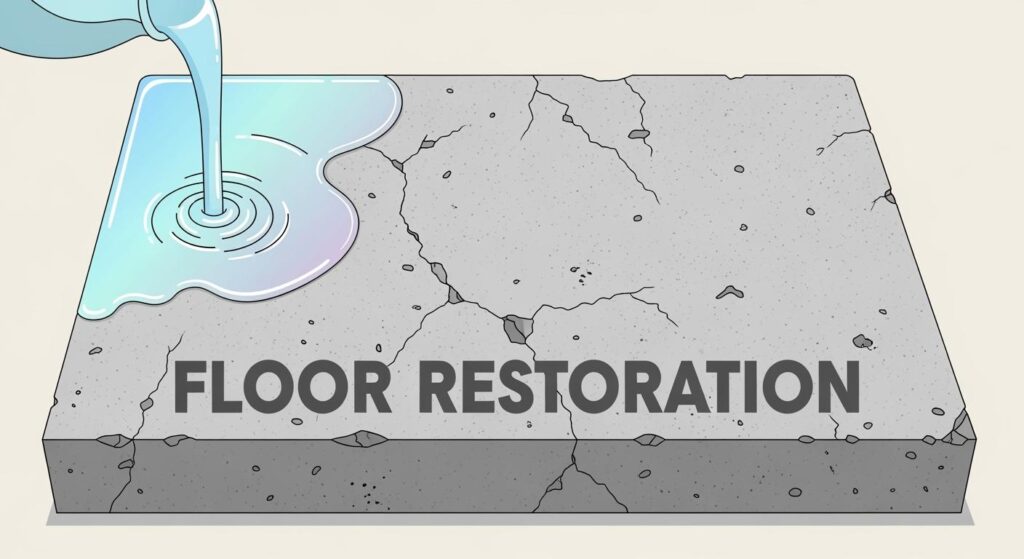
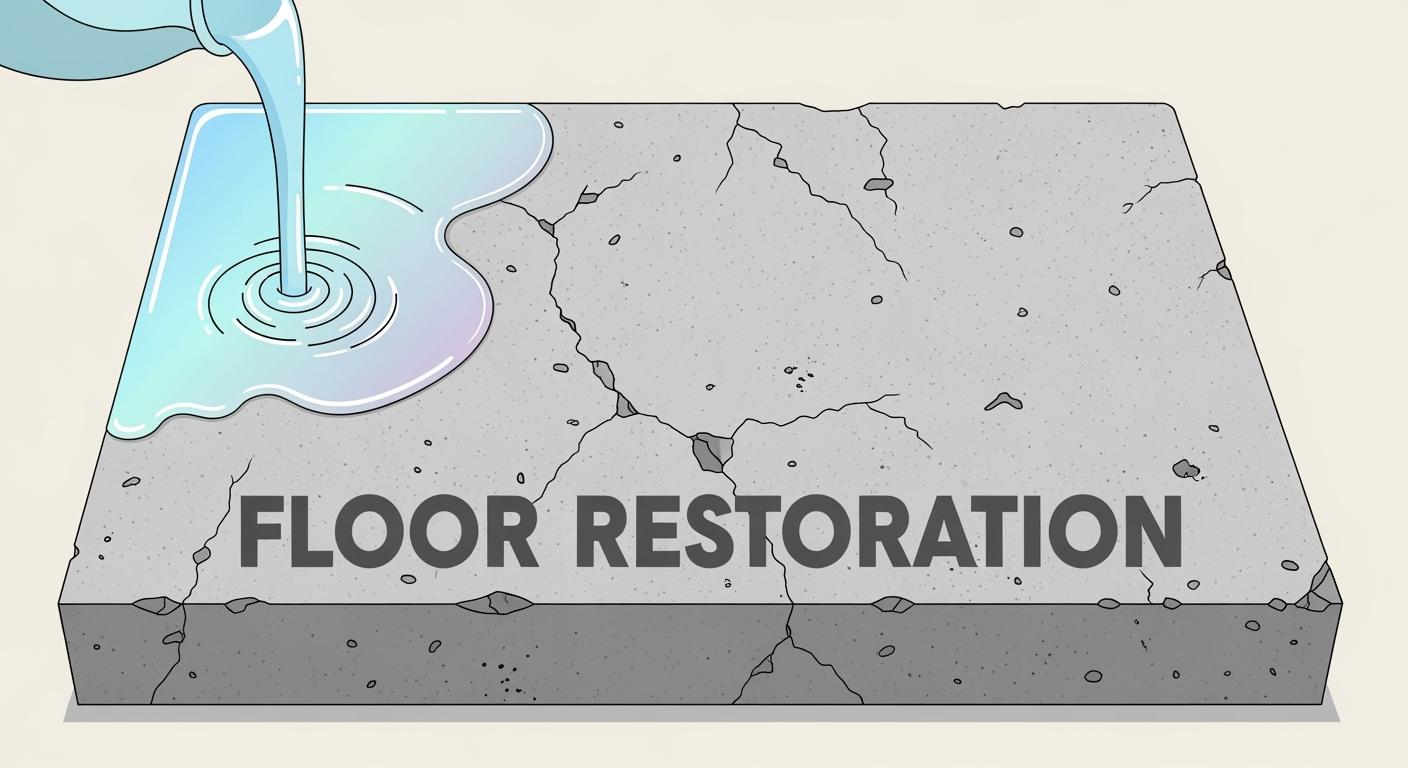
Is your old concrete floor dusty, worn, or showing its age? You might want to rejuvenate it. A liquid floor hardener offers a potential solution. This blog explores the benefits and drawbacks of using this treatment on your worn concrete. The condition of your concrete and your desired outcomes will guide your decision for your floor.
Key Takeaways
Liquid floor hardeners strengthen old concrete. They stop dusting and make the floor last longer. This makes your floor stronger and easier to clean.
Hardener application needs clean concrete. It does not fix big cracks or damage. You must repair major problems first for the hardener to work well.
Consider your floor’s condition and goals. A hardener improves durability and appearance. Ask an expert if you are unsure about your concrete.
What is a Liquid Floor Hardener?
A liquid floor hardener is a special chemical solution you apply to your concrete floor. Think of it as a super-strengthener for your existing concrete. These products, often called densifiers, like BANDě Concrete Densifier, penetrate the surface of your concrete to make it much stronger and more durable.
Types of Liquid Hardeners
You’ll find different types of liquid hardeners available for concrete floors. The main ones are based on:
Sodium
Lithium
Many brands offer these solutions. For example, you might see products like:
Brand | Type of Liquid Hardener |
|---|---|
SIKA | Sika Curehard 24, Sikaproseal 22 |
FOSROC | Nitofloor Cureseal, Nitofloor Lithurin M |
PROPAN | SKF 201/203/204 |
How Concrete Densifiers Work
When you apply a concrete densifier, it soaks into the pores of your concrete. Inside the concrete, it reacts with something called free lime, or calcium hydroxide. This reaction creates a new, harder, and denser material within the concrete itself. This process fills the tiny voids, making your concrete surface much more solid and resistant to damage.
Why Old Concrete Needs Hardening
Old concrete often faces common problems like dusting and porosity. Dusting happens when the surface of your concrete breaks down into fine powder. Porosity means your concrete has many tiny holes, making it absorb liquids easily and wear down faster. A liquid hardener addresses these issues directly. It strengthens the surface, stopping the dusting and reducing the porosity of your concrete. This makes your old concrete floor much more resilient.
Pros: Benefits for Worn Concrete Floors
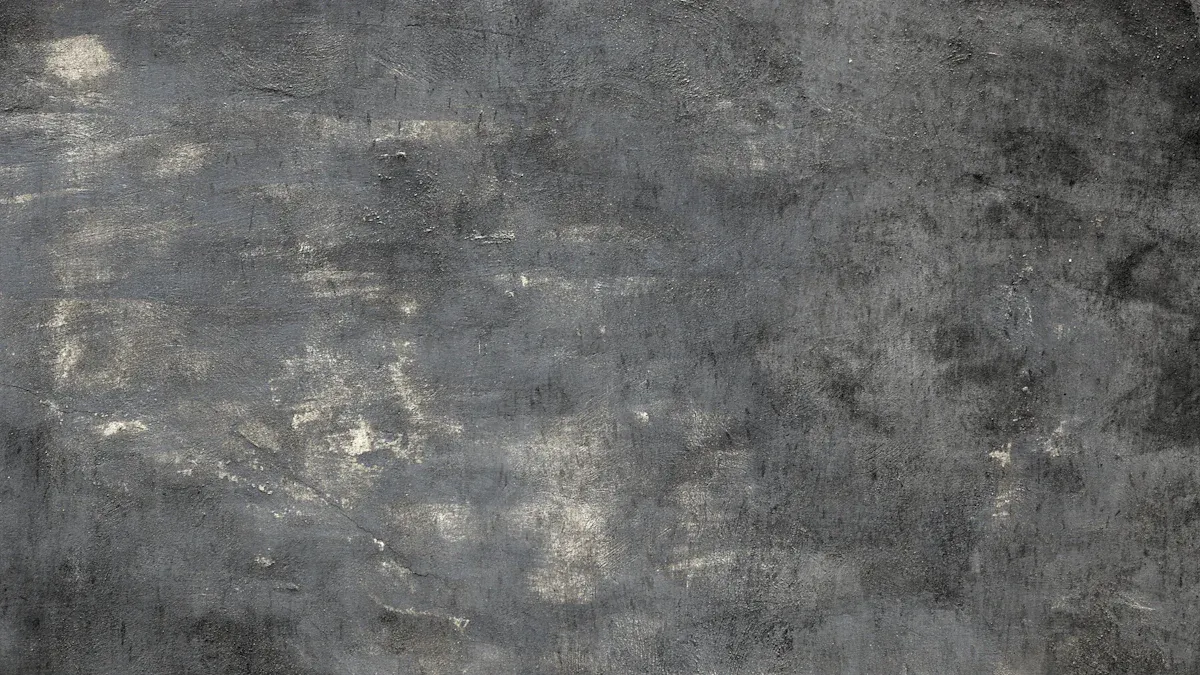
Using a liquid floor hardener on your worn concrete offers many advantages. You can transform a tired, dusty surface into a strong, resilient, and attractive one. Let’s explore the key benefits you will gain.
Increased Durability and Wear Resistance
When you apply a liquid floor hardener, it significantly boosts your concrete’s surface strength. This treatment makes your floor much harder. It reduces wear and tear from foot traffic, machinery, and everyday use. Your concrete becomes more resistant to abrasion, meaning it won’t scuff or chip as easily. You get a tougher, more resilient surface that stands up better to daily challenges.
Effective Dust Proofing
Older concrete often suffers from dusting. This means fine particles break off the surface, creating a constant mess. A liquid floor hardener penetrates the concrete and binds these loose particles. It creates a dense, solid surface. This process effectively eliminates dusting, giving you a cleaner environment. You will notice a significant reduction in airborne dust, making your space healthier and easier to maintain.
Improved Chemical Resistance
Spills happen, especially in busy environments. A treated concrete floor offers better protection against various chemicals. The densified surface becomes less porous. This means it resists penetration from oils, greases, and many other corrosive agents. You can clean up spills more easily before they stain or damage your concrete. This is a huge advantage for workshops, garages, or industrial settings.
Enhanced Water Resistance
Water can be a major enemy of concrete. It can seep into pores, causing damage over time. A liquid floor hardener makes your concrete less permeable. It fills the tiny capillaries within the slab. This prevents water, moisture, and other liquids from easily penetrating the surface. While it doesn’t make your floor waterproof, it significantly enhances its resistance to moisture, protecting your investment.
Better Appearance and Easier Maintenance
A densified concrete floor looks better and is simpler to care for. The treatment creates a smoother, denser surface. This surface is much easier to clean. Dirt and grime cannot embed themselves as deeply. You can also polish a hardened floor to a beautiful sheen, enhancing its aesthetic appeal. This improved appearance and reduced cleaning effort are clear advantages.
Cost-Effective Concrete Solution
Considering a full concrete replacement or thick overlay can be expensive and disruptive. A liquid floor hardener presents a cost-effective alternative. It requires lower material costs and less labor. You also experience minimal downtime during application. This makes it an economical choice for rejuvenating your existing concrete floor without breaking the bank.
Long-Term Performance
The changes a liquid floor hardener makes to your concrete are permanent. It chemically reacts with the concrete itself. This means the benefits, like increased hardness and dust proofing, last for many years. You invest in a long-term solution that continues to protect and enhance your floor’s performance.
Cons: Limitations for Concrete Hardening
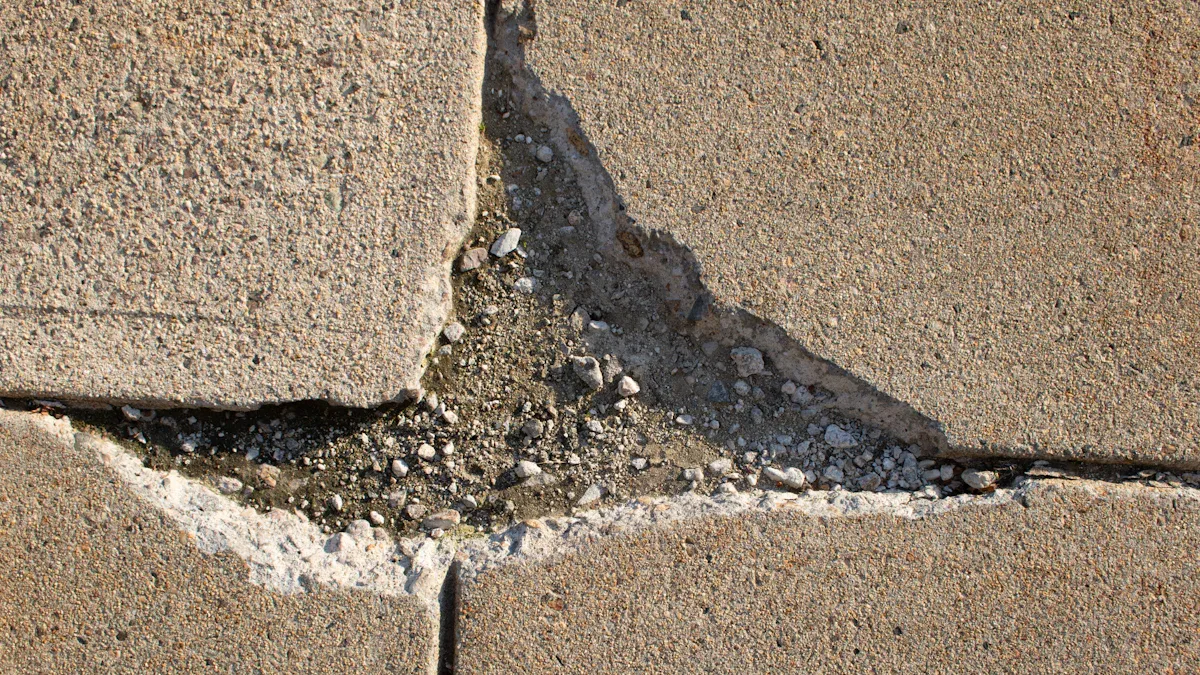
While liquid floor hardeners offer many benefits, you also need to understand their disadvantages. They are not a magic bullet for every concrete problem. Knowing these limitations helps you decide if this solution is right for your floor.
Crucial Surface Preparation
You might think you can just pour a hardener onto your old concrete, but that is not the case. Old concrete often needs a lot of work before you apply anything. You must thoroughly clean the surface. Any dirt, grease, oil, or old sealers will stop the hardener from soaking in properly. This means you might need to degrease, scrub, or even grind your concrete floor. If you skip this crucial step, the hardener won’t bond well, and you won’t get the results you expect. Proper preparation is key for the hardener to penetrate and work effectively.
No Repair for Major Damage
It is important to know that a liquid hardener will not fix existing damage. If your concrete has large cracks, spalling (where pieces of concrete break off), or significant unevenness, the hardener won’t make those problems disappear. These are types of concrete damage that need attention first. You must address these issues with appropriate repair methods before you even think about hardening. Think of it this way: you wouldn’t paint a wall with big holes without patching them first. The hardener strengthens the surface, but it does not act as a filler or a leveling compound for structural damage.
Limited Aesthetic Change
If you are looking for a dramatic change in your floor’s appearance, a liquid hardener might disappoint you. Its main job is functional: to make your concrete stronger and less dusty. It will not drastically change the color of your concrete. It also won’t hide significant blemishes, stains, or discoloration that are already there. While a hardened floor can look cleaner and take a polish, it won’t give you a brand-new look if your concrete has deep-set aesthetic issues.
Moisture Sensitivity Issues
The moisture level in your concrete slab plays a big role in how well a hardener works. If your concrete is too wet, the hardener cannot penetrate deeply. The tiny pores in the concrete are already filled with water, leaving no room for the hardener to soak in and react. For the best results, the moisture content of your concrete substrate must be below 5%. Also, the humidity in the air should not go over 75%. If you apply the hardener to a damp floor, you might get poor penetration and uneven performance, reducing the benefits you hope to achieve.
Dependence on Concrete Chemistry
Liquid hardeners work by reacting with specific chemicals already present in your concrete, mainly calcium hydroxide (free lime). If your old concrete lacks enough of this material, the hardener won’t have much to react with. This means you might not get the full hardening and densifying effect. The performance of the hardener is directly tied to the existing chemistry of your concrete. While most concrete contains enough calcium hydroxide, very old or unusual mixes might not respond as well.
Application Challenges
Applying liquid hardeners, especially to old, porous concrete, can present several challenges. You need to be careful to get an even result. Here are some common issues you might face:
Uneven Absorption: Old, porous concrete often soaks up liquid hardeners unevenly. This can lead to blotchy areas or inconsistent hardening and appearance on your floor.
Insufficient Penetration: If your concrete is very dense or has old sealers, the hardener might not soak in deeply enough. This results in a surface treatment that does not give you all the benefits.
Over-application: Putting on too much hardener can leave a white, powdery residue on the surface. This is called efflorescence, and it is tough to remove. It also makes your floor look bad.
Under-application: If you do not apply enough hardener, some areas might stay soft. These spots will still be prone to dusting and abrasion, which defeats the purpose of the treatment.
Surface Preparation Issues: If you do not clean or prepare the old concrete surface well enough, the hardener won’t stick or soak in properly. This leads to poor performance and wasted effort.
Reaction with Contaminants: Old concrete can have hidden contaminants like oils, old sealers, or previous coatings. These can react badly with the hardener, causing discoloration, poor curing, or the hardener not sticking at all.
Is a Liquid Hardener Right for Your Concrete?
Assessing Your Floor’s Condition
You need to look closely at your concrete floor. Does it have cracks, chips, or crumbling areas? A liquid floor hardener strengthens the surface, but it does not fix existing damage. If your concrete has significant damage, you must address these issues first. You might need to perform a concrete repair. This means filling cracks or patching spalled areas. Ignoring these types of concrete damage will lead to poor results. For serious damage, you need appropriate repair methods before applying any hardener. Think about the extent of the damage.
Aligning with Your Goals
What do you want for your concrete floor? Your goals help you decide.
Aesthetics: Do you want a better-looking floor? Hardeners can improve appearance and light reflectivity. Some products even offer color. Light colors can make your space brighter and might reduce lighting needs.
Durability: Do you need a tougher floor? You want high abrasion resistance. This means your concrete can withstand rubbing, sliding, and impacts. Hardeners offer cost-effective solutions for this. Chemical resistance is also vital if your floor faces chemical attack. This protects your concrete from damage.
Seeking Professional Advice
Sometimes, your concrete floor has complex issues. You might see many types of concrete damage. If you are unsure about the condition of your concrete or the best repair for it, talk to an expert. A professional can assess the damage. They can recommend the right repair steps. They will help you decide if a hardener is the best solution for your specific floor. This advice ensures you get the best outcome for your concrete.
A liquid floor hardener offers many advantages for your worn concrete. You gain improved durability, dust control, and easier floor maintenance. Remember the advantages of proper application and suitability. Weigh these advantages against your concrete’s condition and goals. This extends your concrete’s life and functionality, offering clear advantages.
FAQ
Can I apply a liquid hardener myself?
You can apply it yourself. Follow product instructions carefully. Proper surface preparation is crucial for good results. Consider professional help for large or complex areas.
How long do the benefits of a hardener last?
The benefits are permanent. The hardener chemically reacts with your concrete. This creates a long-lasting, durable surface. You get years of improved performance.
Will a liquid hardener change my concrete’s color?
No, a hardener does not drastically change your concrete’s color. It enhances its natural appearance. It can make the surface look cleaner and brighter.
See Also
Achieve Dust-Free Floors: Your Guide to Applying Concrete Sealer Effectively
Smart Floor Hardening Choices: Weighing Pros and Cons for All Surfaces
Ditch Epoxy Mess: Upgrade Garage Floors with a Simple One-Step Densifier
Selecting Top Floor Hardeners: A Comprehensive Comparison Guide for 2025
Philippines Floor Hardener: Optimal Solutions for Durable Warehouse Flooring
