

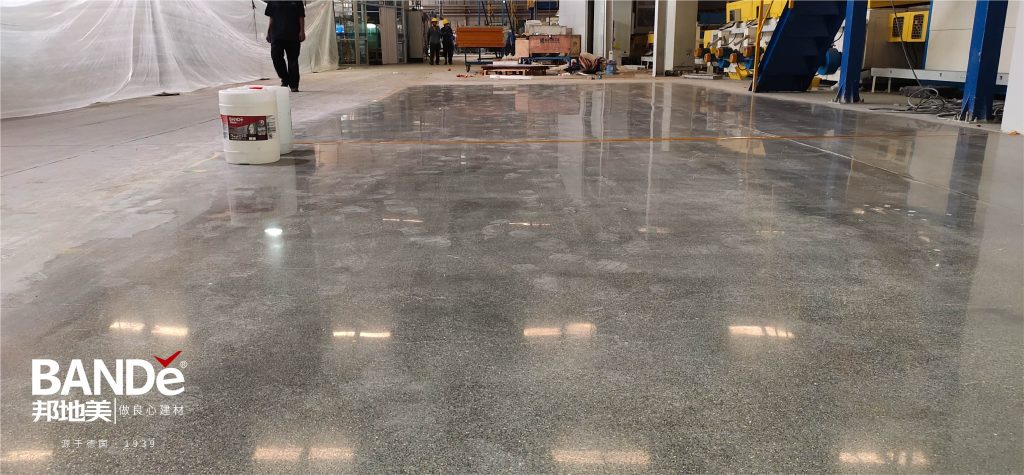
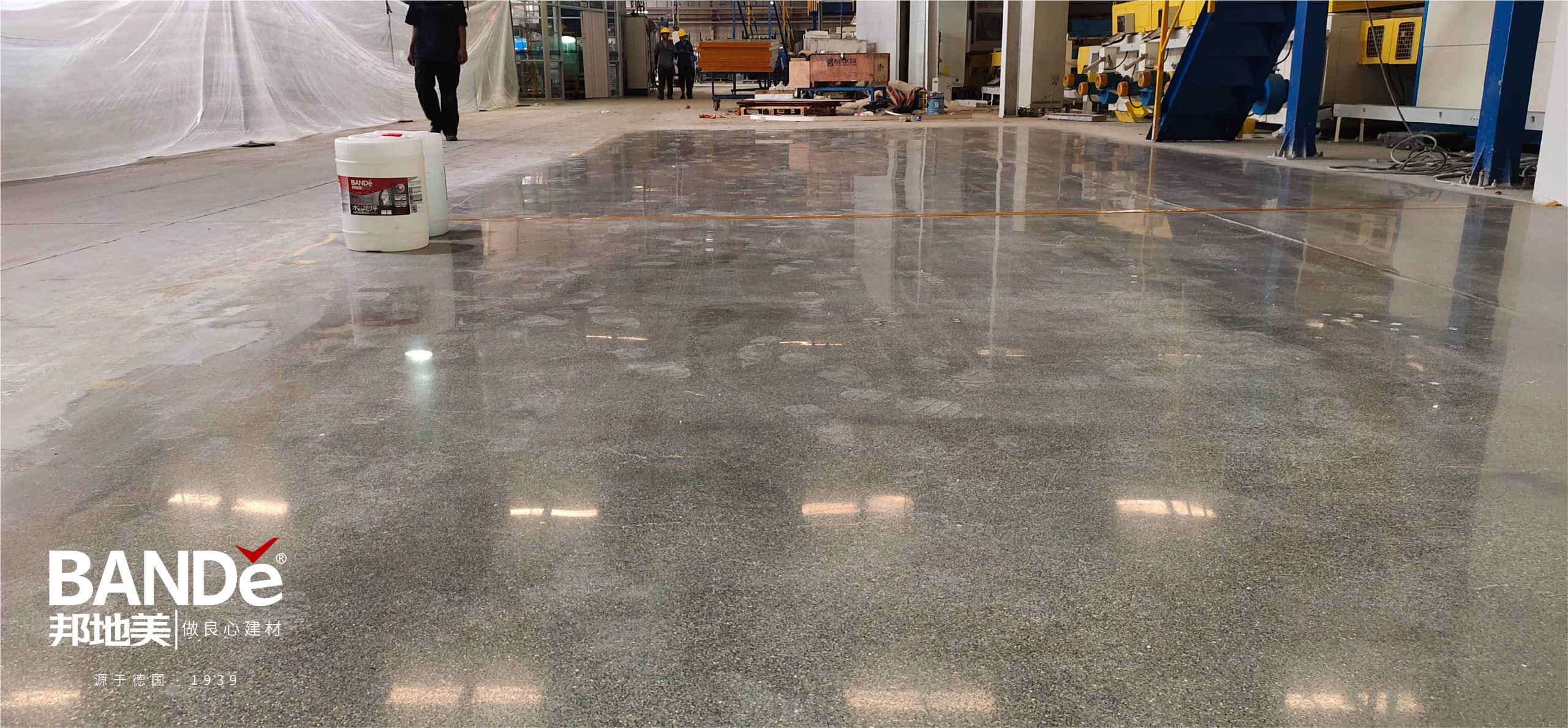
Concrete floors often face challenges like wear from heavy traffic and damage from harsh weather. These issues can lead to costly repairs. A concrete surface hardener helps tackle these problems by enhancing durability and reducing maintenance needs. Regular upkeep, such as dust mopping and using pH-neutral cleaners, keeps floors looking great.
Key Takeaways
Concrete surface hardeners significantly boost floor durability, increasing surface hardness by 30-40%. This helps floors resist wear from heavy traffic and harsh conditions.
Proper surface preparation is essential before applying hardeners. Clean the surface, repair defects, and ensure it is dry for the best results.
Regular maintenance, including weekly sweeping and monthly washing, keeps your concrete floors looking great and extends the life of the hardener.
How Hardeners Work
Concrete surface hardeners play a crucial role in enhancing the strength and durability of concrete floors. But how do they actually work? Let’s break it down.
Types of Hardeners
There are two main types of concrete surface hardeners: liquid hardeners and dry shake aggregates. Each has its unique application methods and benefits.
Liquid Hardeners: These are easy to apply and penetrate deeply into the concrete. They contain active silicates, such as sodium, potassium, or lithium-based compounds. When applied, these silicates react with calcium hydroxide in the concrete, forming Calcium Silicate Hydrate (C-S-H) gel. This gel fills microscopic pores, increasing the density and surface hardness of the concrete. The polymerization of C-S-H creates layers that enhance the overall strength and durability of the surface.
Dry Shake Aggregates: These are typically used on freshly poured concrete. They require skilled labor for application but provide superior surface hardness. When sprinkled onto the wet concrete, they bond with the surface as it cures, creating a dense, hard layer that can withstand heavy traffic.
Both types of hardeners significantly improve compressive strength and abrasion resistance. The reaction of silicates with calcium hydroxide is vital for this enhancement. As the calcium hydroxide moves to the surface, it allows the silicates to react and form additional C-S-H, filling voids and boosting the concrete’s overall performance.
Aspect | Dry Shake Hardener | Liquid Hardener |
|---|---|---|
Durability | High durability, excellent for heavy traffic areas | Good durability, suitable for medium-duty areas |
Ease of Application | Labor-intensive, requires skilled workers | Easy to apply, less labor-intensive |
Surface Strength | Superior surface hardness, ideal for industrial use | Increases surface hardness, but not as strong as dry shake |
Customization | Can add pigments for color variations | Limited customization in terms of color |
Cost | Typically higher cost due to labor and material | More cost-effective and quicker to apply |
Maintenance | Low maintenance once applied, long-lasting | Easy maintenance, often improves with age |
Timing of Application | Must be applied to wet concrete at a precise time | Can be applied to cured concrete, more flexible timing |
Penetration Depth | Mostly affects the surface layer | Penetrates deeper into the concrete |
Popular products like LIQUI-HARD and Ashford Formula exemplify the effectiveness of these hardeners. LIQUI-HARD uses lithium silicate, which is known for its advanced performance in densifying concrete. The Ashford Formula works by growing new crystals within the concrete, filling natural pores and voids. This results in a dense, hard surface that is strong and resistant to wear.
Benefits of Concrete Surface Hardeners
Concrete surface hardeners offer a range of benefits that make them an essential choice for anyone looking to improve their floors. Let’s dive into two key advantages: enhanced durability and aesthetic appeal.
Enhanced Durability
One of the standout benefits of using a concrete surface hardener is the significant boost in durability. After applying these hardeners, floors can experience a 30-40% increase in surface hardness. This improvement translates to better wear resistance, allowing treated surfaces to withstand heavy foot traffic and equipment use without succumbing to erosion.
Here’s a quick look at how hardeners enhance durability:
Improvement Type | Measurement |
|---|---|
Hardness Increase | 30-40% increase in surface hardness |
Service Life Extension | 20-30 years vs. 5-10 years for untreated concrete |
Concrete hardeners also help reduce dusting and tire marks, creating a cleaner environment. They seal microscopic pores, making the surface less porous and more resistant to stains from oils and chemicals. This means less maintenance and a longer lifespan for your floors. In fact, many case studies show that top-quality floor hardeners can lead to virtually maintenance-free floors, especially in industrial settings.
Aesthetic Appeal
Beyond durability, concrete surface hardeners can dramatically enhance the visual appeal of your floors. Here are some of the aesthetic improvements you can expect:
Color Enhancement: Hardener applications can bring out vibrant and consistent colors in concrete surfaces.
Gloss and Sheen: Many hardeners provide a glossy finish, enhancing the natural luster of the concrete.
Stain and Wear Resistance: Treated surfaces maintain their aesthetic appeal even in high-traffic areas, resisting stains and wear effectively.
Investing in a concrete surface hardener not only protects your floors but also makes them look great. While the initial costs may be higher, the long-term savings in maintenance and repairs make them a cost-effective choice. In fact, using these hardeners can reduce maintenance costs by up to 30%, leading to substantial savings over time.
Application Techniques
Applying a concrete surface hardener effectively requires careful preparation and the right methods. Let’s explore how to get the best results.
Surface Preparation
Before applying a concrete surface hardener, proper surface preparation is crucial. Here are the recommended steps:
Remove Contaminants: Clear away dirt, oil, grease, and curing compounds. This ensures the hardener adheres well.
Repair Defects: Fix any issues in the concrete, like blowholes or voids, using suitable repair materials.
Dry the Surface: Make sure the surface is dry and free from moisture. This prevents adhesion problems.
Tip: Skipping these steps can lead to poor performance. For instance, not degreasing can inhibit bonding, while relying solely on light acid etching may not provide the necessary surface profile for adhesion.
Application Methods
Once the surface is prepared, you can choose from various application methods based on your environment. Here’s a quick overview:
Environment Type | Recommended Hardener Type | Application Method Description |
|---|---|---|
Light-duty applications | Water-based acrylic or sodium silicate | Sufficient for patios and walkways. |
Heavy-duty industrial floors | Lithium or potassium silicate | Provides superior surface hardness and abrasion resistance for warehouses and factories. |
High moisture areas | Hydrophobic or penetrating sealant-hardeners | Repels water and prevents capillary rise, suitable for basements and coastal construction. |
Curing and drying times vary, so always check the product instructions for optimal results. Following these techniques will help ensure your concrete surface hardener performs at its best, giving you long-lasting, durable floors.
Maintenance for Longevity
Keeping your concrete floors in top shape requires regular maintenance. Here are some essential cleaning practices and reapplication tips to ensure your concrete surface hardener remains effective over time.
Cleaning Practices
To maintain the appearance and integrity of your floors, establish a routine cleaning schedule. Here are some key practices:
Weekly Sweeping: Sweep your floors weekly to prevent dirt buildup.
Monthly Washing: Wash the surface monthly using a neutral cleaner to keep it looking fresh.
Annual Deep Cleaning: Use a pressure washer for a thorough clean and inspect for any damage.
Tip: Avoid using harsh chemicals like bleach or ammonia, as they can damage the surface. Instead, opt for products like Xtreme Clean Multipurpose Concrete Cleaner or Simix Multi-Surface Cleaner.
Products to Avoid | |
|---|---|
Xtreme Clean Multipurpose Concrete Cleaner | Bleach |
Simix Multi-Surface Cleaner | Ammonia |
Kemiko Neutra Clean Neutralizer and Degreaser | Vinegar |
Reapplication Tips
Reapplying a concrete surface hardener is crucial for maintaining floor performance. Here are some best practices:
Timing: Avoid applying hardeners during the hottest part of the day to prevent rapid drying.
Use a Monomolecular Film Liquid: Products like E-CON can help minimize surface cracking. Apply it right after the concrete is screeded for optimal results.
Common Signs for Reapplication: Look for dullness, water not beading up, or visible scratches. These indicate it’s time to reapply your hardener.
By following these maintenance tips, you can extend the life of your concrete floors and keep them looking great for years to come.
Concrete surface hardeners are essential for maintaining long-lasting floors. They enhance durability, improve strength, and reduce maintenance needs. Here are some key advantages:
Increased durability against heavy traffic.
Improved strength, reducing cracking risks.
Cost-effective, saving on repairs.
Consider using these hardeners for your floors. They not only protect but also beautify your space! 🌟
FAQ
What is a concrete surface hardener?
A concrete surface hardener is a chemical treatment that increases the strength and durability of concrete floors, making them more resistant to wear and damage.
How long does a concrete surface hardener last?
Typically, a concrete surface hardener can last anywhere from 5 to 10 years, depending on usage and maintenance practices.
Can I apply a hardener to old concrete?
Yes, you can apply a hardener to old concrete, but ensure the surface is clean and free of contaminants for best results.
See Also
Understanding BANDě Concrete Floor Hardener: Key Insights
Top 5 Tips for Using Concrete Hardener in 2025
A Comprehensive Guide to Concrete Floor Hardeners
The Complete Guide to Protecting Industrial Floors with Sealers
