

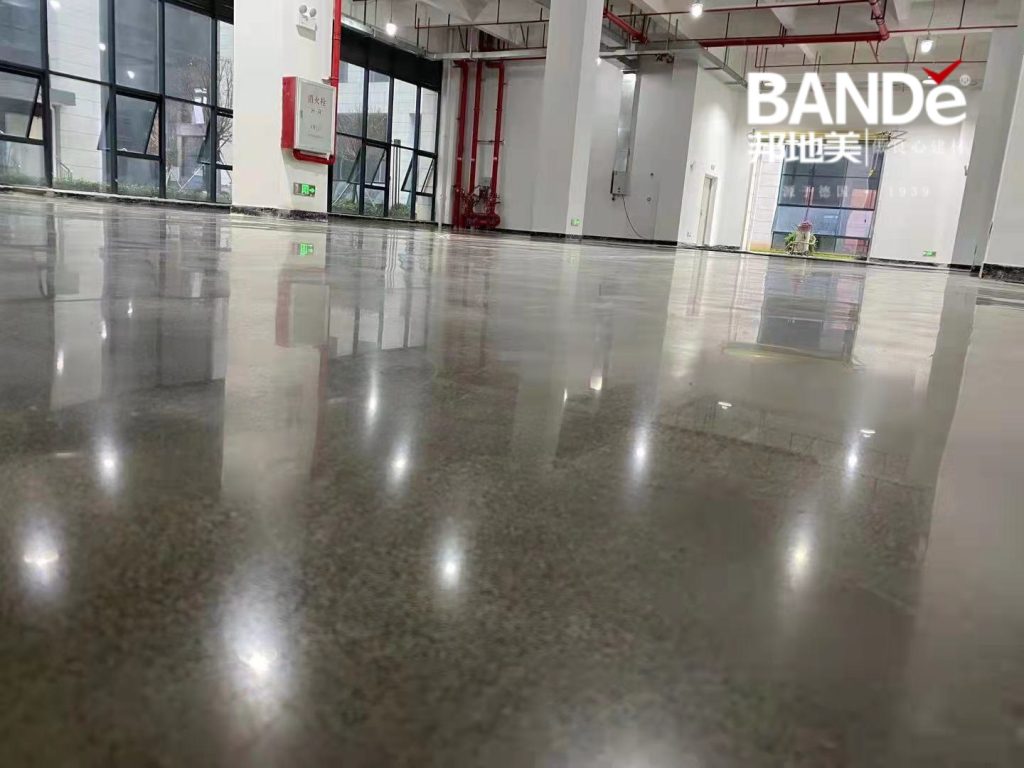
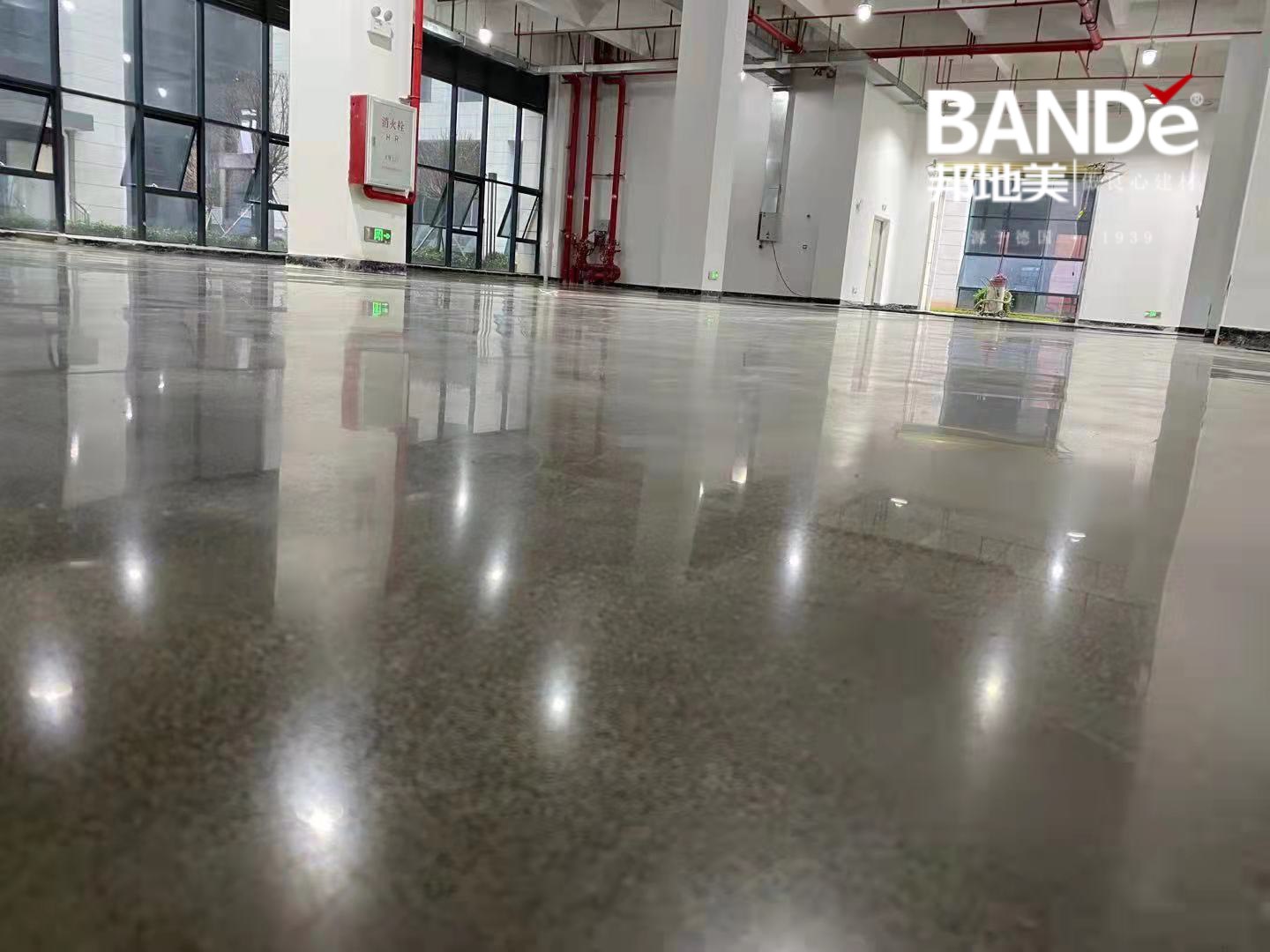
Have you thought about how low strength concrete can harm your buildings? This kind of concrete can really weaken important parts like foundations and walls. Some parts might handle lower strength, but many need extra support or replacement to stay safe. Fixing low strength concrete is not just about looks; it’s very important for keeping your buildings strong. In the next sections, you will see expert tips and ways to fix low strength concrete well.
Key Takeaways
Learn what causes low strength concrete. This includes bad mix design and not curing it well. This helps stop problems later.
Check concrete often for signs of weakness. Look for cracks and color changes to find issues early.
Use good repair methods like epoxy injection and resurfacing. These can help make low strength concrete strong again.
Pick strong concrete mixes and polymer additives. They help make repairs last longer and be more durable.
Focus on mixing and curing correctly. This helps get the best concrete strength and stops low strength problems.
Causes of Low Strength Concrete
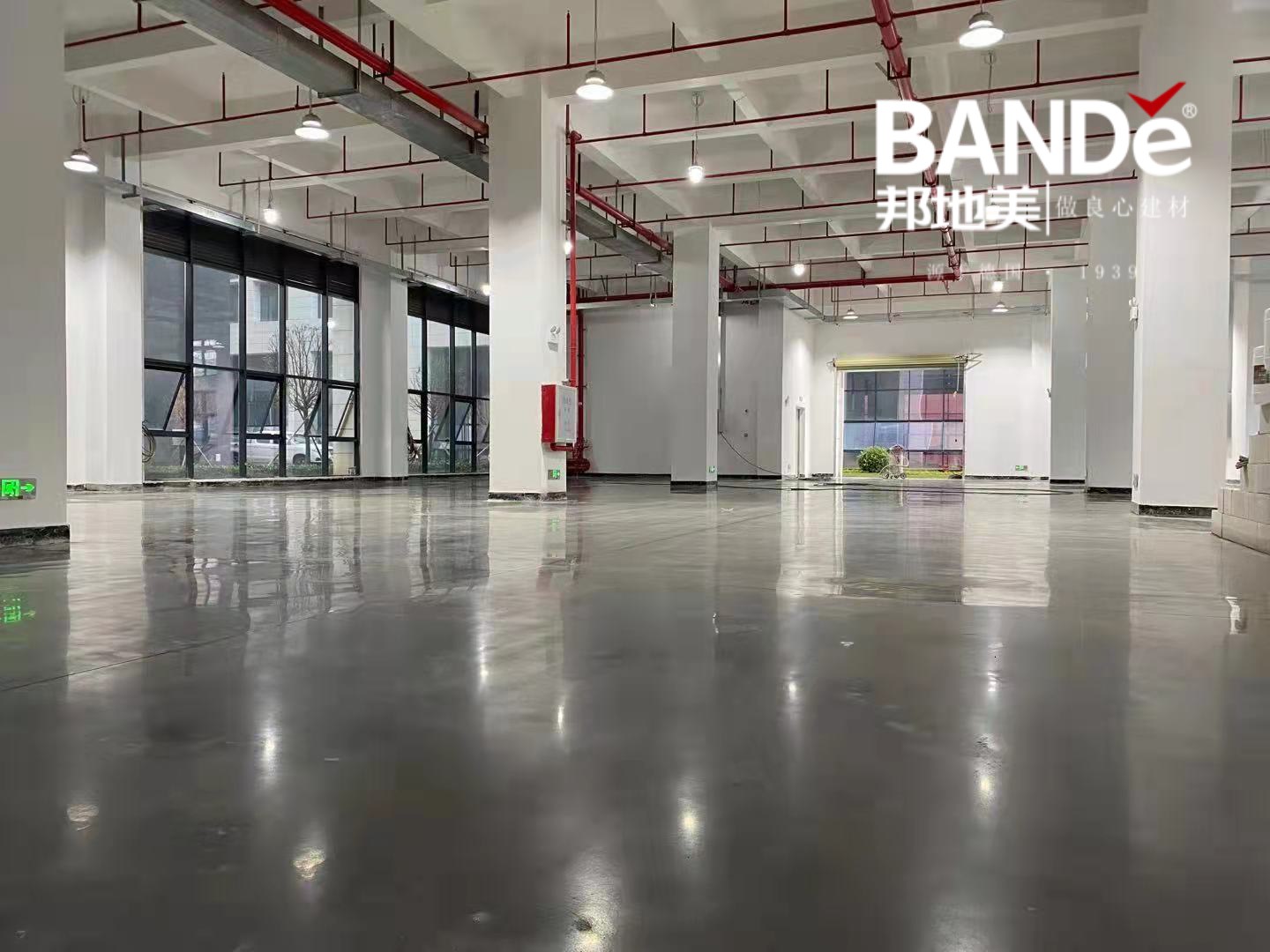
Low strength concrete often happens because of several important reasons. Knowing these reasons can help you stop problems and keep your buildings strong.
Poor Mix Design
A bad mix design is a main reason for low strength concrete. Here are some common problems from mixing wrong:
Cement Quality Problems: Using bad or wet cement can lower strength a lot.
Aggregate Issues: Too much clay or silt in aggregates weakens the bond and makes it more porous.
Water Contamination: Dirty water stops hydration, which lowers strength.
Improper Water-Cement Ratio: Too much water makes it more porous, while too little makes it hard to work with.
Insufficient Cement Content: Not enough cement means not enough strength.
These problems show why a good mix design is important for strong concrete.
Inadequate Curing
Not curing properly can hurt the strength of concrete. Good curing helps the concrete hydrate well, which is key for strength. The table below shows how different curing methods affect strength:
Curing Method | Compressive Strength (N/mm²) | Water Absorption | Chloride Ion Penetration |
|---|---|---|---|
Wet Curing | 27.5 | Low | Low |
Dry Open-Air Curing | 22.87 | High | High |
To avoid low strength concrete, cure for at least 7 days for regular concrete and 14 days for strong mixes. Methods like immersion curing or mixing wet and dry curing can give better results.
High Water-Cement Ratio
A high water-cement ratio is another big reason for low strength concrete. Tests show that a ratio over 0.55 can make it more porous and weaker. The table below shows how different water-cement ratios affect strength:
Water-Cement Ratio | Compressive Strength (PSI) | Effects on Structure |
|---|---|---|
0.55–0.70 | 2,500–3,500 | More porosity, weaker structure, less durability |
0.40 – 0.50 | 4,000 – 6,000 or more | Denser mix, fewer holes, better durability |
Keeping a good water-cement ratio is key for strong concrete.
Assessing Low Strength Concrete
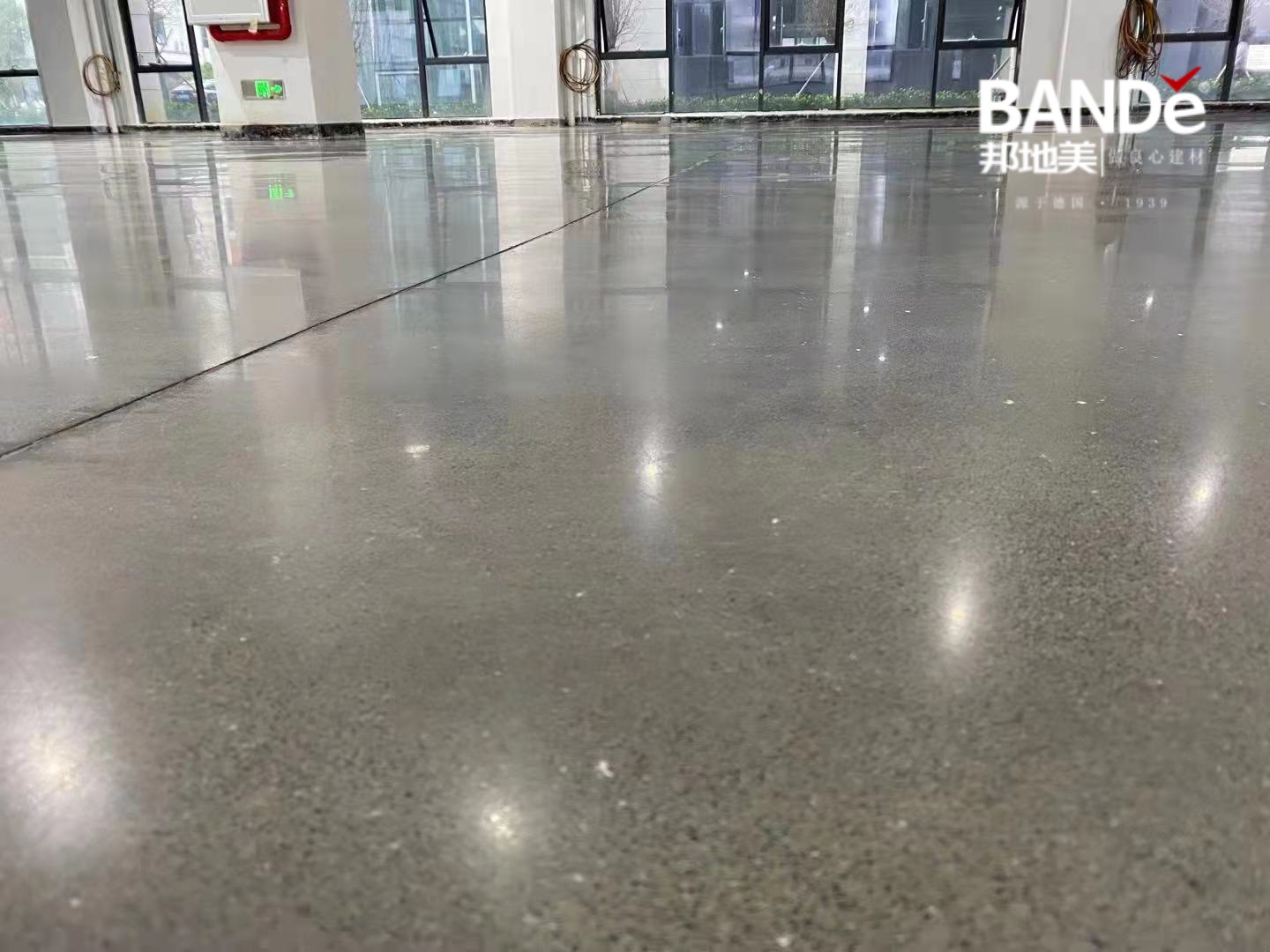
Checking low strength concrete is very important. It helps keep your buildings safe and strong. You can look at the concrete and use different tests to see how it is doing.
Visual Inspection Techniques
Start by looking closely at the concrete. Watch for signs that something is wrong, like:
Cracks: Find surface cracks that might mean deeper problems.
Spalling: Look for pieces of concrete that are flaking or chipping off.
Discoloration: Notice any strange color changes that could mean moisture issues.
Surface Texture: Check the texture for signs of wear or damage.
These signs can help you find weak spots in the concrete. If you see big problems, you need to do more tests.
Testing for Compression Strength
To check the strength of concrete, follow these steps:
Conduct Statistical Analysis: Look at test results to see if the concrete is strong enough.
Use Nondestructive Testing: If tests show low strength, try using a rebound hammer or Windsor probe. Remember, these have limits.
Evaluate Strength Gain: If the 28-day test results are not good, wait for 56 days to see if strength improves.
Take Core Samples: If the 56-day tests also fail, take core samples from the concrete. This gives a better idea of strength and checks if it meets ASTM rules.
You can use several common methods to test strength on-site:
Method | Description | Reference Standard |
|---|---|---|
Takes core samples for lab tests to find strength. | ASTM C42 | |
Rebound Number | Uses a hammer to measure how much it bounces back from the concrete. | ASTM C805 |
Probe Penetration | Pushes a probe into concrete to check how hard it is. | ASTM C803 |
Maturity | Tracks temperature to guess strength based on curing. | ASTM C1074 |
Ultrasonic Pulse Velocity | Sends sound waves through concrete to check density and find defects. | ASTM C597 |
By using these methods, you can check the strength of your concrete and fix any problems.
Tips to Fix Low Strength Concrete
If you find low strength concrete, there are good ways to fix it. Here are some helpful methods to try:
Repairing Cracks with Epoxy
Using epoxy injection is a great way to fix cracks in concrete. This method helps make the concrete strong again and lasts longer. You inject epoxy resin into the cracks to stick the concrete pieces together. This bond can be stronger than the original concrete. For stable cracks, use rigid materials like epoxy. If the cracks move, flexible sealants might work better. Always protect the reinforcing steel from rust. You can do this with special coatings or cathodic protection systems.
Resurfacing Damaged Slabs
Resurfacing damaged slabs is a smart way to boost strength and looks. Follow these steps for good resurfacing:
Make sure the slab is at a saturated surface dry (SSD) state.
Wear a mask and pour the resurfacing material into a 5-gallon bucket.
Add the right amount of water and mix with a paddle mixer.
Mix for 3 minutes at high speed, then let it sit for 1 minute.
Mix for another 30 seconds until smooth.
Pour right away to keep it consistent.
Lightly re-wet the slab if needed before pouring.
Pour a 1-foot strip along the longest edge of the slab.
Don’t pour too much at once; thin layers work better.
Use a squeegee to spread the mix evenly.
Let the material self-heal before touching it again.
Clean the squeegee often to avoid dragging hard material.
Overlap the first pour with the second to prevent cold joints.
Lightly drag a broom across the surface for a non-slip finish.
Cure the surface well for lasting results.
Resurfacing usually costs between $3 and $25 per square foot, making it cheaper than replacing the whole slab.
Coating with Cement Grout
Putting a cement grout coating on can really boost the surface strength of low strength concrete. This method fills holes in the concrete, making it stronger. To apply cement grout well, follow these tips:
Surface Preparation: Clean and roughen the concrete surface. Soak it with water for 18–24 hours to stop the grout from soaking up too much water.
Mixing: Use paddle mixers for big batches. Start with two-thirds water, then add grout powder and mix until there are no lumps.
Grout Placement: Place grout quickly from one side to avoid cold joints. Fill anchor bolt holes first and try to minimize vibration.
Curing: Start curing right away with wet rags or curing compounds to stop cracks.
By using these methods, you can fix low strength concrete and help it last longer.
Recommended Products for Repair
High-Performance Concrete Mixes
If you want to make low strength concrete stronger, try high-performance concrete mixes. These mixes are much stronger than regular ones. Here’s a quick comparison:
Compressive Strength (PSI) | Characteristics | |
|---|---|---|
0.40–0.50 | 4,000–6,000 | Denser mix, fewer holes, lasts longer |
0.55–0.70 | 2,500–3,500 | More holes, less durable, higher chance of damage |
Using a high-performance mix can really help your concrete last longer. Products like Quikrete High-Strength Concrete Mix and Sakrete High-Strength Concrete Mix are popular with experts. They stick well and resist cracking.
Polymer Additives
Polymer additives are also important for fixing low strength concrete. These additives make concrete stronger and more durable. Here are some common polymer additives:
Concrete Crack Sealants: These sealants fill cracks well and come in easy squeeze tubes. They keep out water and bugs, making repairs last.
Quick-Setting Cement: This type sets fast, which is great for big cracks.
Hydraulic Cement: Good for wet areas, hydraulic cement works on cracks that get wet, stopping water from coming in.
Epoxy Resurfacers: These waterproof products mix resin and hardener, making strong repairs that resist water.
For specific product suggestions, check out Rust-Oleum Concrete Patch & Repair, which makes a surface stronger than concrete, or Red Devil Masonry & Concrete Textured Acrylic Sealant, which looks like concrete and works on many surfaces.
By using these high-performance mixes and polymer additives, you can make low strength concrete stronger and help your structures last longer.
In conclusion, fixing low strength concrete is very important. It helps keep your buildings safe and strong. Here are some main points to remember:
Key Point | Explanation |
|---|---|
Minimum Strength Requirement | Try to reach a minimum strength of 21 to 22ksi for the best results. |
Material Quality Matters | Using the right materials makes concrete stronger and lasts longer. |
Mixing and Curing Methods | Good mixing and curing can help achieve strengths over 35ksi. |
To avoid low strength concrete in future projects, think about these helpful steps:
Take advanced training on eco-friendly technologies.
Use new ideas like reactive copolymerizing solids (RCS) to make concrete stronger.
Regular checks and care are key to making concrete last longer. They help find problems early, keeping things safe and saving money in the long run. For big issues, always ask experts to get the best results for your concrete work.
FAQ
What is low strength concrete?
Low strength concrete is concrete that does not have enough strength. This can happen because of a bad mix, not curing it right, or using too much water.
How can I identify low strength concrete?
You can find low strength concrete by looking for cracks, flaking, or color changes. Also, doing compression strength tests gives a better idea of its strength.
What are the risks of using low strength concrete?
Using low strength concrete can cause buildings to fail, cost more to fix, and create safety risks. It makes your buildings less durable and shorter-lasting.
Can I repair low strength concrete myself?
Yes, you can fix low strength concrete with methods like epoxy injection or resurfacing. But for big problems, it’s best to ask a professional for help.
How often should I assess my concrete?
You should check your concrete often, especially in busy areas. Yearly inspections help catch problems early, keeping your buildings safe and strong.
See Also
Five Simple Tips for Concrete Hardening Your Floors
Your 2025 Handbook for Selecting Top Concrete Densifiers
A Comprehensive 2025 Guide to Concrete Floor Hardeners
Understanding Concrete Floor Hardeners: Essential Insights for 2025
Selecting the Ideal Concrete Densifier for Warehouse Flooring
