

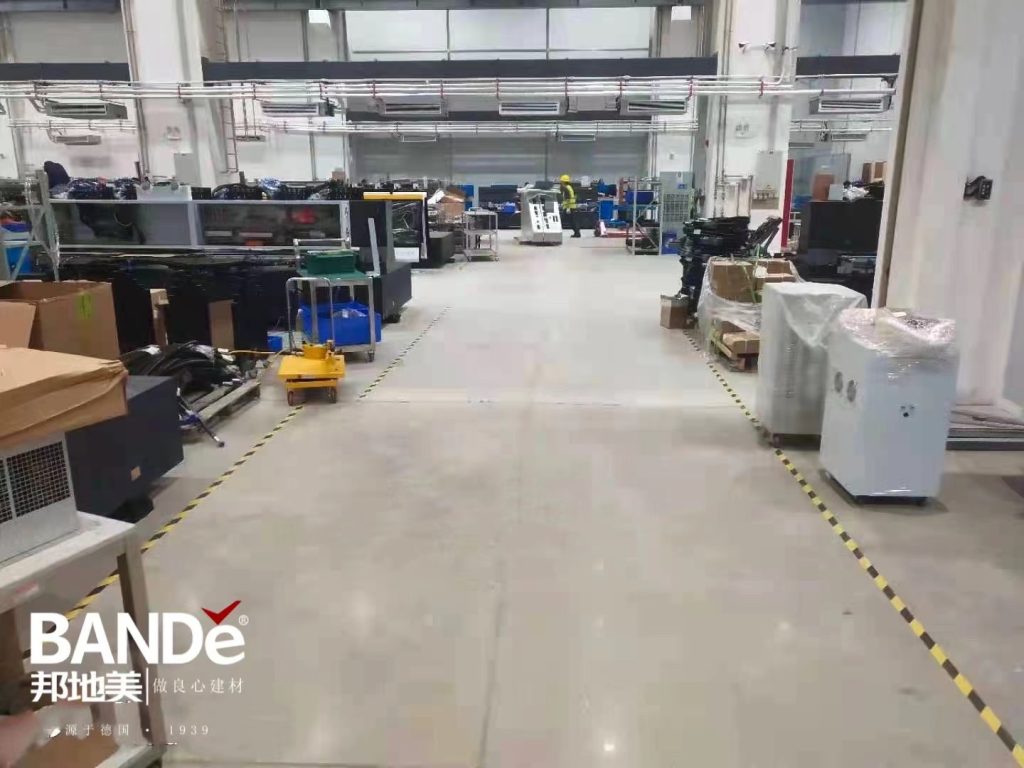
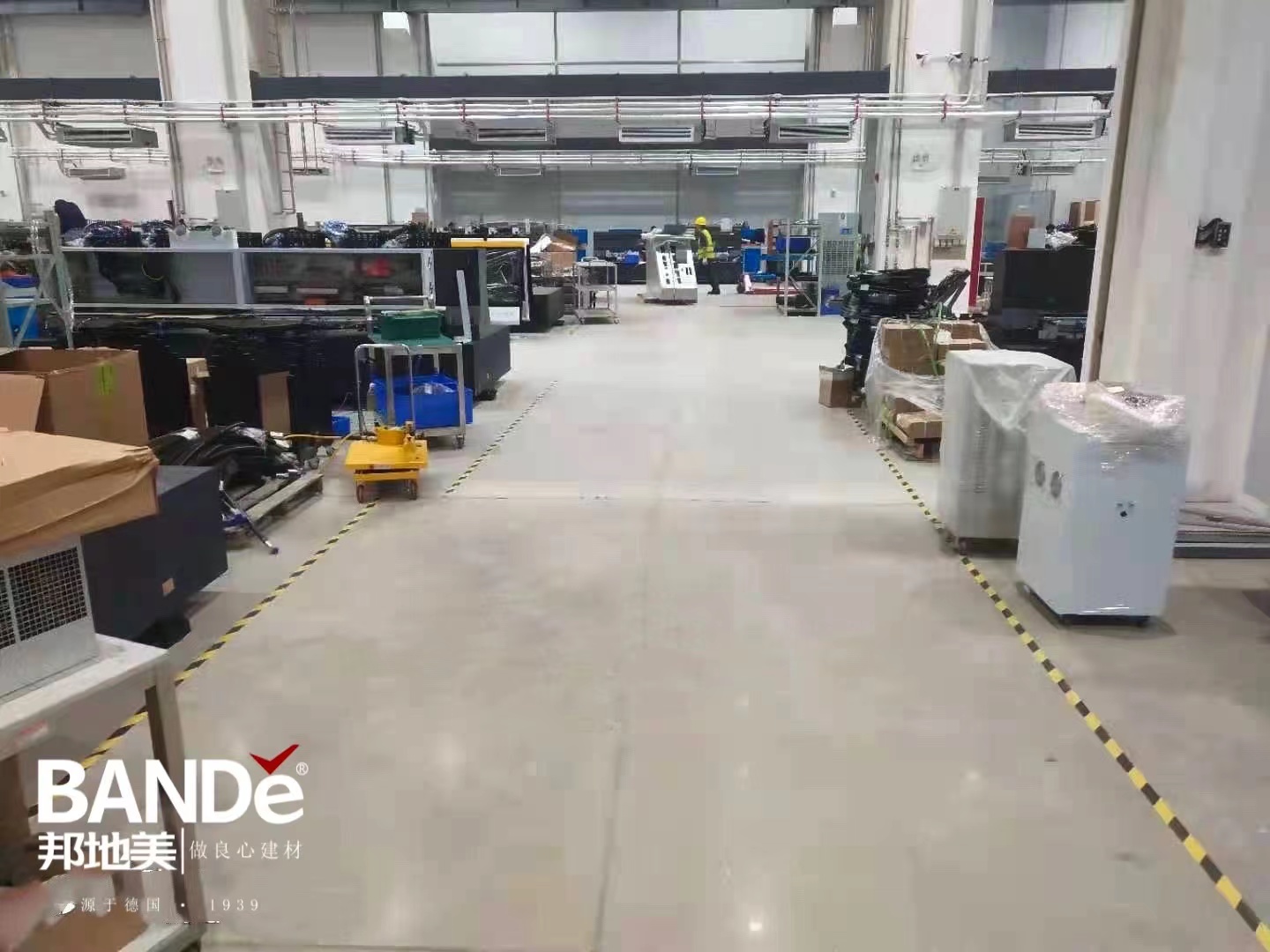
Soft concrete surfaces can cause big problems. These problems include cracking and flaking. They often happen because of the type of aggregate used, the mix design, and the curing process. Fixing these problems quickly is important. It helps keep your concrete strong. To repair soft concrete, you can use different methods. Some methods include applying densifiers and bonding agents. Acting now can save you time and money later.
Key Takeaways
First, clean the concrete surface well before fixing it. This helps the repair materials stick better.
Use bonding agents to improve the connection between old and new concrete. This step is very important for good repairs.
Put on a concrete densifier to make soft surfaces stronger. This helps stop future damage and makes your concrete last longer.
Regular maintenance is important to keep your repairs lasting. Clean the surfaces and check for damage often.
Fix soft concrete quickly. Fast repairs save money and stop bigger problems later.
Preparation for Repair Soft Concrete
Cleaning the Area
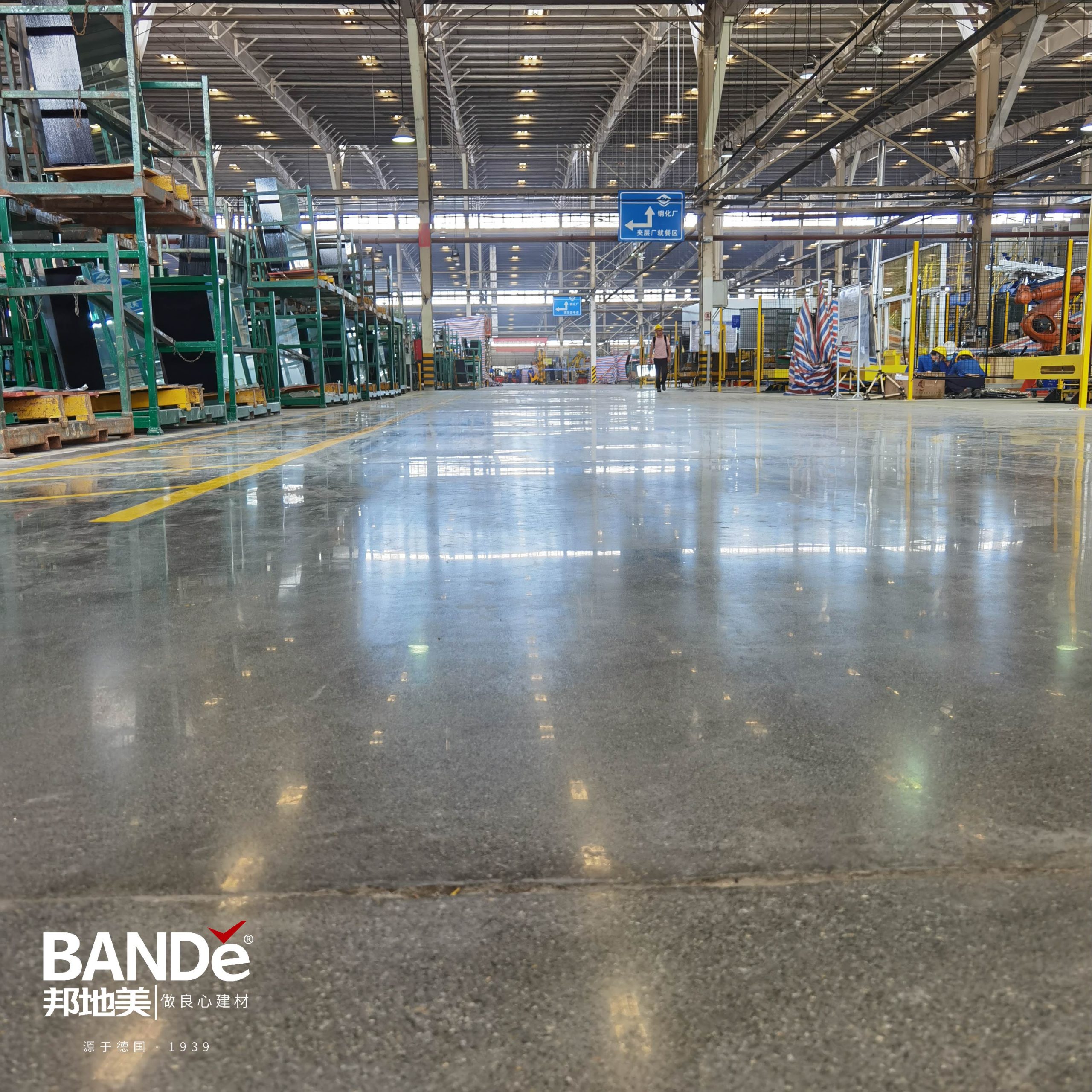
Before you fix soft concrete, you must clean the area. A clean surface helps the repair materials stick well to the old concrete. Follow these steps to clean thoroughly:
Clean: Use a wire or masonry brush to get rid of loose dirt, dust, and debris. This step is very important because dirt can weaken the bond between the repair material and the old concrete.
Undercut: For bigger cracks or holes, use a chisel and hammer to take out loose or crumbling concrete. This makes a clean edge, helping the repair material hold better.
Vacuum: After brushing, use a vacuum or compressed air to remove any leftover debris. This last cleaning step makes sure the surface is ready for the repair material.
Apply a Bonding Agent (if needed): If the damage is deep or the surrounding concrete is smooth, think about using a bonding agent. This helps the repair material stick better to the old concrete.
You can pick from different cleaning agents to prepare your soft concrete surfaces well. Here’s a table of some good options:
Cleaning Agent | Purpose |
|---|---|
Light Duty Concrete Cleaner | Cleans surface grime while being gentle on polished or decorative concrete. |
Custom Masonry Cleaner | Breaks down tough mortar smears and dirt without hurting masonry surfaces. |
Cure & Seal Remover | Removes old cure and seal layers, helping new treatments bond well. |
Wax & Cure Remover | Takes off wax layers and curing compounds, getting concrete ready for polishing or staining. |
Soda | Good for getting rid of grease stains because of its acidic parts. |
Detergent | Best for small grease spills. |
Vinegar and Baking Soda | A natural cleaner option that is safe for nearby plants. |
Concrete Cleaner or Degreaser | Loosens oil for easy cleanup, works well on porous concrete. |
Bleach | Good for cleaning large areas of concrete. |
Estimating Repair Area
Figuring out the repair area correctly is very important for a good repair. You need to know the size and depth of the damage to choose the right materials and methods. Here are some tips:
Measure the width and depth at both ends of the repair area.
Find the average of these measurements to know the size and depth.
For larger patches, follow these guidelines:
Aspect | Recommendation |
|---|---|
Patch Length | At least 1.8m (6 ft) |
Patch Width | Full-lane width of 3.6m (12 ft) |
Deterioration Investigation | Check beyond visible damage, up to 1m (3 ft) in freeze-thaw areas |
Gather the tools and materials you need before starting your repair. Important items include:
Graduated bucket
Margin trowel (for small areas)
Flat trowel (for larger areas)
Paintbrush or broom for finishing (depending on the size of the area)
By preparing well, you set yourself up for a successful repair of soft concrete surfaces.
Application Techniques for Repair Soft Concrete
Applying Densifier
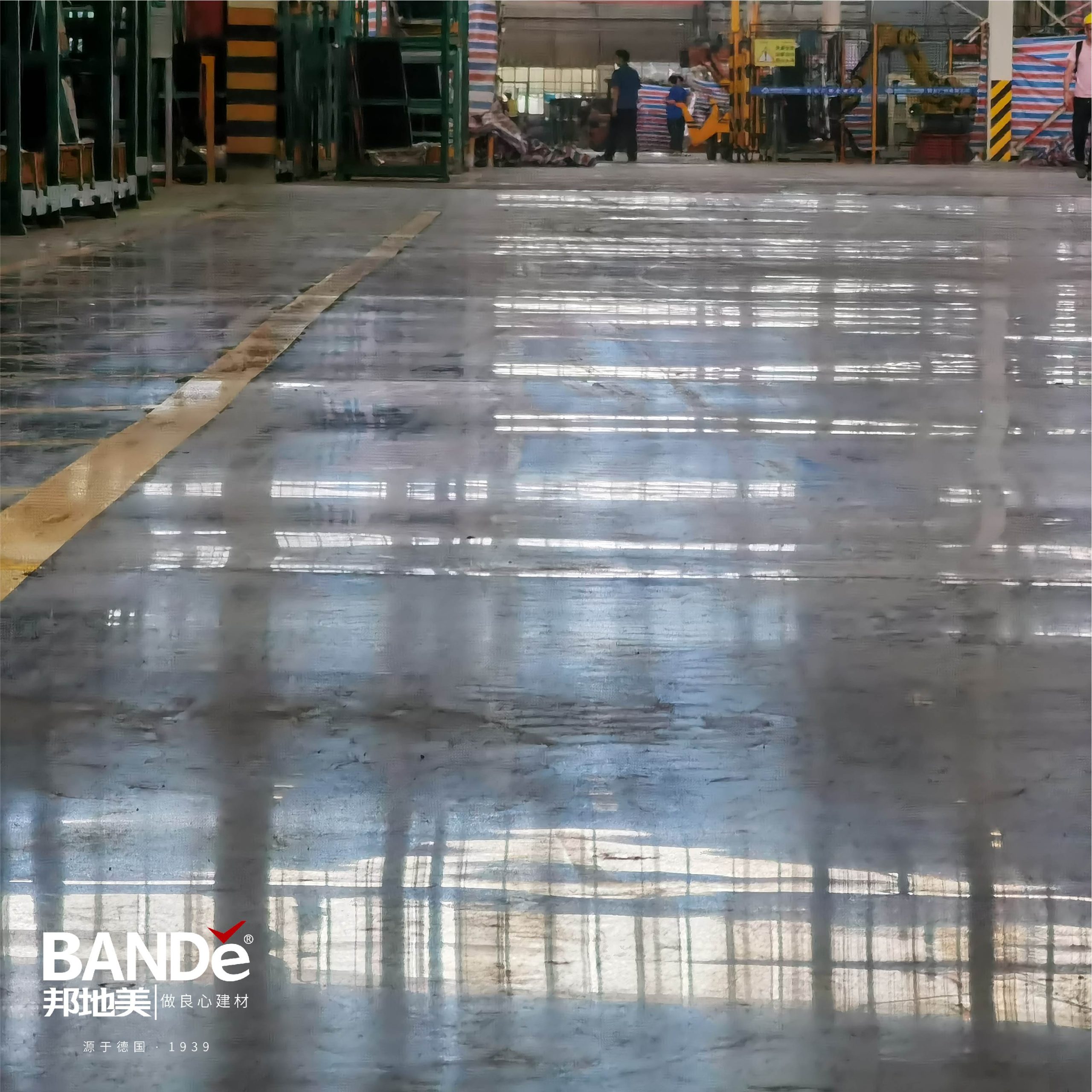
Using a concrete densifier is very important. It helps make soft concrete surfaces stronger. This process makes your concrete last longer. Here’s how to do it right:
Test the Concrete: Check the concrete first. This helps you see its condition and if it can be densified.
Choose the Right Time: Use the densifier after using an 80-grit diamond on soft to medium concrete. If you want to add color, wait until after the 400-grit stage.
Prepare for Acid Stains: If you use acid stains, rinse and neutralize them first. This helps the densifier soak in better.
Dye Application: You can add dyes after densifying. They mix well and soak in easily.
The best densifiers are:
Lithium Densifiers: These are great for polishing concrete. They react quickly and leave little residue.
Sodium and Potassium Densifiers: These are common, but lithium is usually better.
Colloidal Silica: This type adds reactive silica to the concrete’s pores, making it stronger.
Using a densifier makes the surface harder. It also helps stop dust and flaking. This makes it a key part of your repair work.
Using Bonding Agents
Bonding agents are very important. They help new concrete stick to the old surface. Follow these steps for good results:
Clean the Surface Thoroughly: Get rid of all dust, dirt, oil, grease, paint, mold, or mildew.
Remove Loose or Damaged Concrete: Use a scraper or chisel to chip away any loose or flaking concrete.
Etch (If Needed): If the concrete is very smooth, etching may help create a rough surface for better sticking.
Dry (or Dampen) the Surface: Make sure the surface is dry but a little damp before applying.
Prepare the Bonding Agent: Mix the bonding agent as the instructions say.
Apply the Bonding Agent: Use a paint roller, brush, or sprayer to put on a thin, even coat.
Let the Bonding Agent “Tack Up”: Wait until it feels tacky before moving on.
Apply the New Concrete/Mortar: Quickly place or pour the new material onto the surface.
Finish & Cure: Finish the new concrete or mortar and let it cure properly.
When picking bonding agents, think about these points:
Polymer-Modified Bonding Agents: These make the bond stronger and tougher because of the fibers and polymers.
Versatility: Many bonding agents work well on different surfaces, like old concrete, brick, and stone.
Using bonding agents the right way ensures a strong bond between old and new concrete. This is key for fixing thin concrete damage and resurfacing damaged slabs.
Addressing Flaking and Spalling
Removing Damaged Concrete
To fix soft concrete surfaces, you need to take out any damaged or flaking concrete first. Follow these steps to do a good job:
Clean the Area: Start by making sure the surface is clean, dry, and free of debris. Use a wire brush or pressure washer to get rid of loose dirt, particles, and old sealants.
Undercut the Edges: Use a chisel and hammer to cut away any loose concrete. This makes a stable edge for the new material.
Vacuum the Area: After cleaning, vacuum or use compressed air to remove any leftover debris. This step is very important for a good bond.
Grind if Necessary: For tough spots, use a grinder to take off any remaining damaged concrete before putting on patching material.
Tip: Always wear protective gear like safety goggles, gloves, and a dust mask when working with concrete. This keeps you safe during the repair process.
Applying Primer and Resurfacer
After you have removed the damaged concrete, it’s time to put on a primer and resurfacer. This step is very important for a strong bond and a smooth finish. Here’s how to do it:
Prepare the Primer: Mix the bonding agent as the instructions say. Make sure to stir it well for an even mix.
Apply the Primer: Use a roller, brush, or sprayer to put on a thin, even coat to the prepared surface. Make sure to cover all areas well.
Let it Tack Up: Wait until the primer feels tacky before applying the resurfacer. This helps create a strong bond between the old and new concrete.
Resurface: Once the primer is tacky, apply the resurfacer. Use a trowel to spread it evenly across the surface. Follow the manufacturer’s instructions for curing times to get the best results.
By following these steps, you can effectively fix flaking and spalling in your concrete surfaces. Proper preparation and application will lead to a strong and long-lasting repair.
Assessing the Repair
Ensuring Durability
To make sure your repaired concrete lasts, you need to check a few things. Start by looking closely at the surface. Look for damage like cracks, holes, or bumps. Use these points to check the condition:
Description | |
|---|---|
Cracks | Thin lines that can be tiny or wide |
Holes | Deeper gaps in the concrete |
Chipped Areas | Small surface damage or peeling |
Uneven Surfaces | Spots where the concrete has sunk or moved |
You should also think about outside factors that can affect how long it lasts. These include:
Damage from chemicals like sulfates, chlorides, and acids
Heavy use from vehicles or foot traffic
Changes from freezing and thawing
Bad installation
Soil moving under the concrete
Doing regular maintenance can help your repairs last longer. Clean the surface well to get rid of dirt. This helps the repair materials stick better. You might also want to seal joints to stop water from getting in. Check the area often to catch problems early.
Common Mistakes
Avoiding common mistakes during repairs is very important. Here are some common errors to look out for:
Not preparing the surface: If you don’t clean it, the bond won’t be strong.
Mixing and applying incorrectly: Wrong water amounts can weaken the repair.
Not curing the concrete right: If it doesn’t cure well, it can crack and be weak.
To avoid these mistakes, focus on preparing the surface properly. Make sure it is clean, dry, and ready. Follow mixing instructions carefully to keep the material strong. Give it enough time to cure to avoid future problems.
By knowing these common mistakes, you can make your repairs better and help them last longer.
Fixing soft concrete surfaces is very important. It helps keep people safe and protects your property value. When you use the right methods, you can get good results that last. Here are some main benefits of fixing problems quickly:
Better Safety: It lowers the risk of trips on uneven areas.
Save Money: It prevents costly repairs by fixing issues early.
Keeps Property Value: It makes your place look better and gives good first impressions.
Stops Water Damage: It fills cracks to keep water out.
Protects Structure: It helps keep the foundation strong.
Remember, fixing things on time can save you a lot of money compared to replacing everything. Small repairs cost much less than big rebuilds. Act now to take care of your concrete surfaces and enjoy the benefits for a long time.
FAQ
What causes soft concrete surfaces?
Soft concrete surfaces usually happen because of a bad mix, not curing enough, or using cheap materials. Weather changes, like freezing and thawing, can also make concrete worse.
How can I tell if my concrete needs repair?
Look for signs like cracks, flaking, or peeling. If you see uneven spots or water collecting, your concrete might need fixing to stop more damage.
Can I repair soft concrete myself?
Yes, you can fix soft concrete by yourself if you have the right tools and materials. Follow the steps for preparation and application in this blog for the best results.
How long does it take for concrete repairs to cure?
Curing times can change based on what materials you use and the weather. Usually, wait at least 24 to 48 hours for the first curing, but it can take up to 28 days for full strength.
What should I do if my repair fails?
If your repair doesn’t work, find out why. Check if the surface was prepared wrong or if it didn’t cure enough. You might need to take out the damaged part and start over, making sure to use the right techniques.
See Also
The Ultimate Guide to Repairing Concrete Cracks Effectively
Choosing the Ideal Epoxy Patch for Your Concrete Needs
2025 Tips for Choosing the Right Concrete Floor Hardener
