

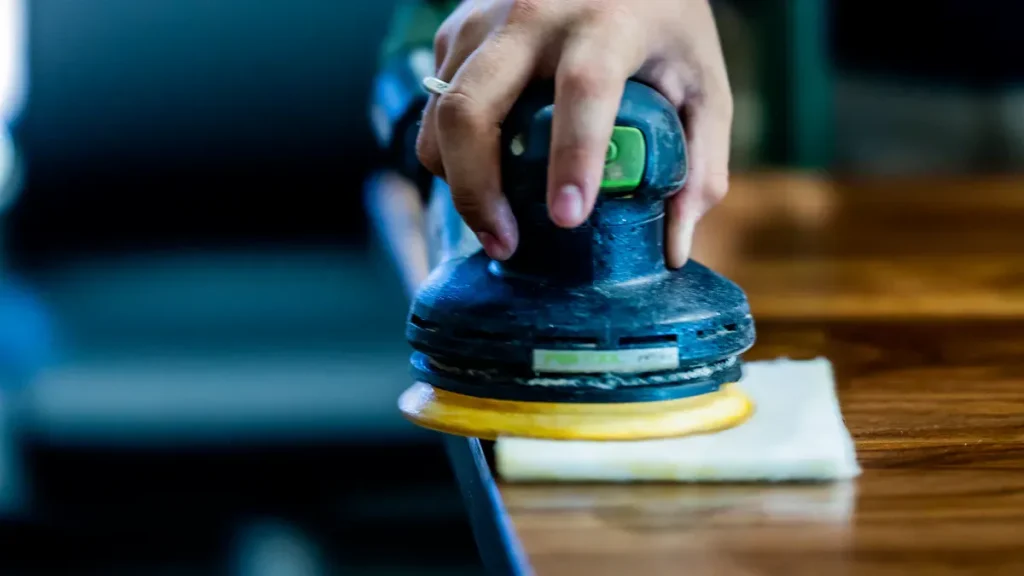
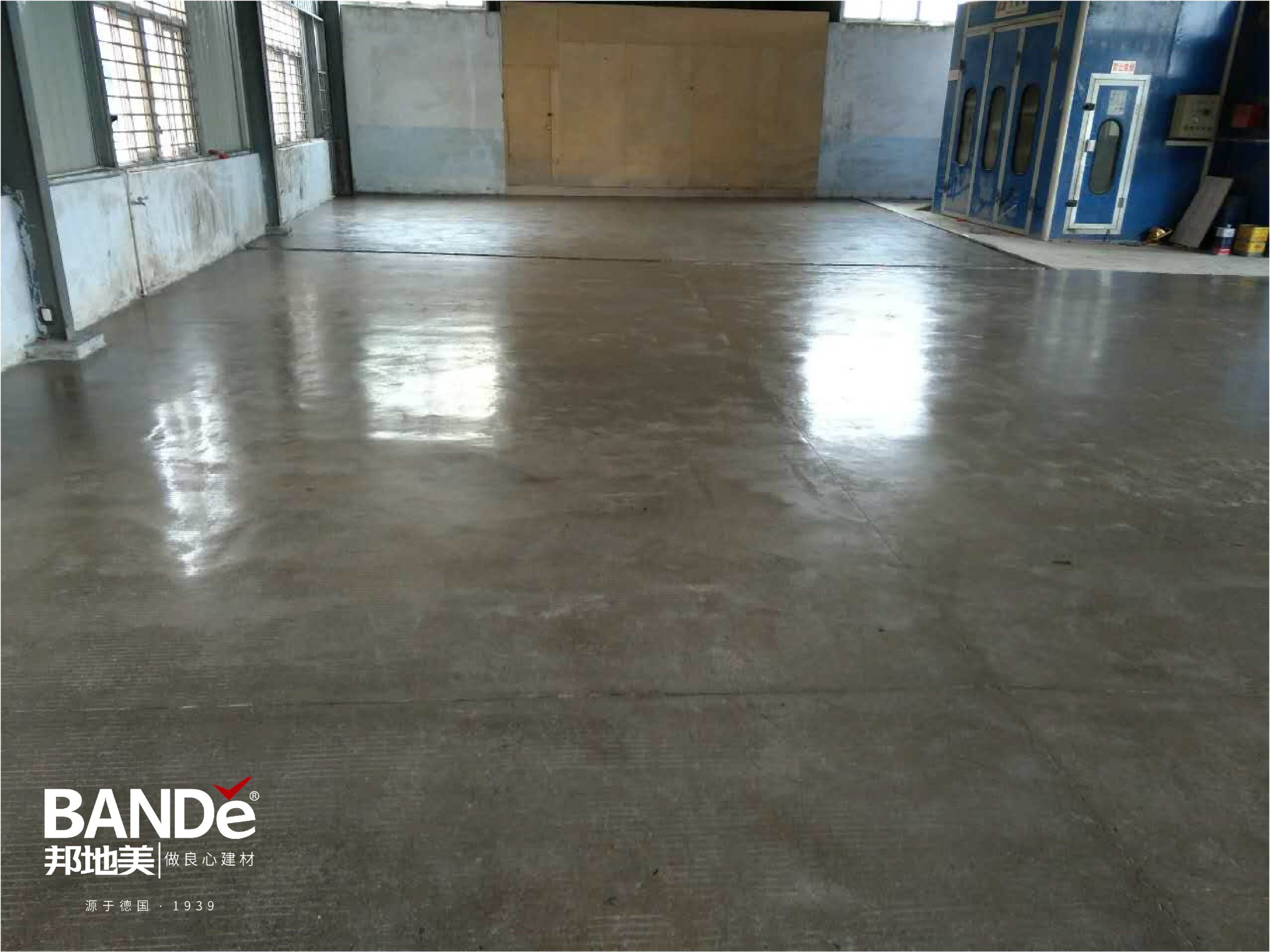
Choosing the right dust-proof floor polisher is very important for your cleaning needs. A good polisher keeps your space looking nice and controls dust well. Here are some benefits of using a dust-proof floor polisher:
It helps polished surfaces collect less dust, making cleanup easier.
You create a smooth surface that resists liquids and dirt. This cuts down on bacteria and mold growth.
Dust-proof polishers improve lighting, making the environment nicer.
They need less maintenance, which means you use fewer harsh chemicals and less water.
Buying the right equipment can really change your cleaning routine!
Key Takeaways
Pick a dust-proof floor polisher. It helps cut down dust and makes the air better in your space.
Think about the type of polisher. Orbital polishers are great for dust control. Rotary polishers work better for deep cleaning.
Search for features like changeable pads and built-in vacuum ports. These help make cleaning easier.
Get your area ready. Move furniture and clean the floor before using the polisher for the best results.
Do regular maintenance. Clean the pads and filters. This helps your polisher last longer and work well.
Types of Polishers
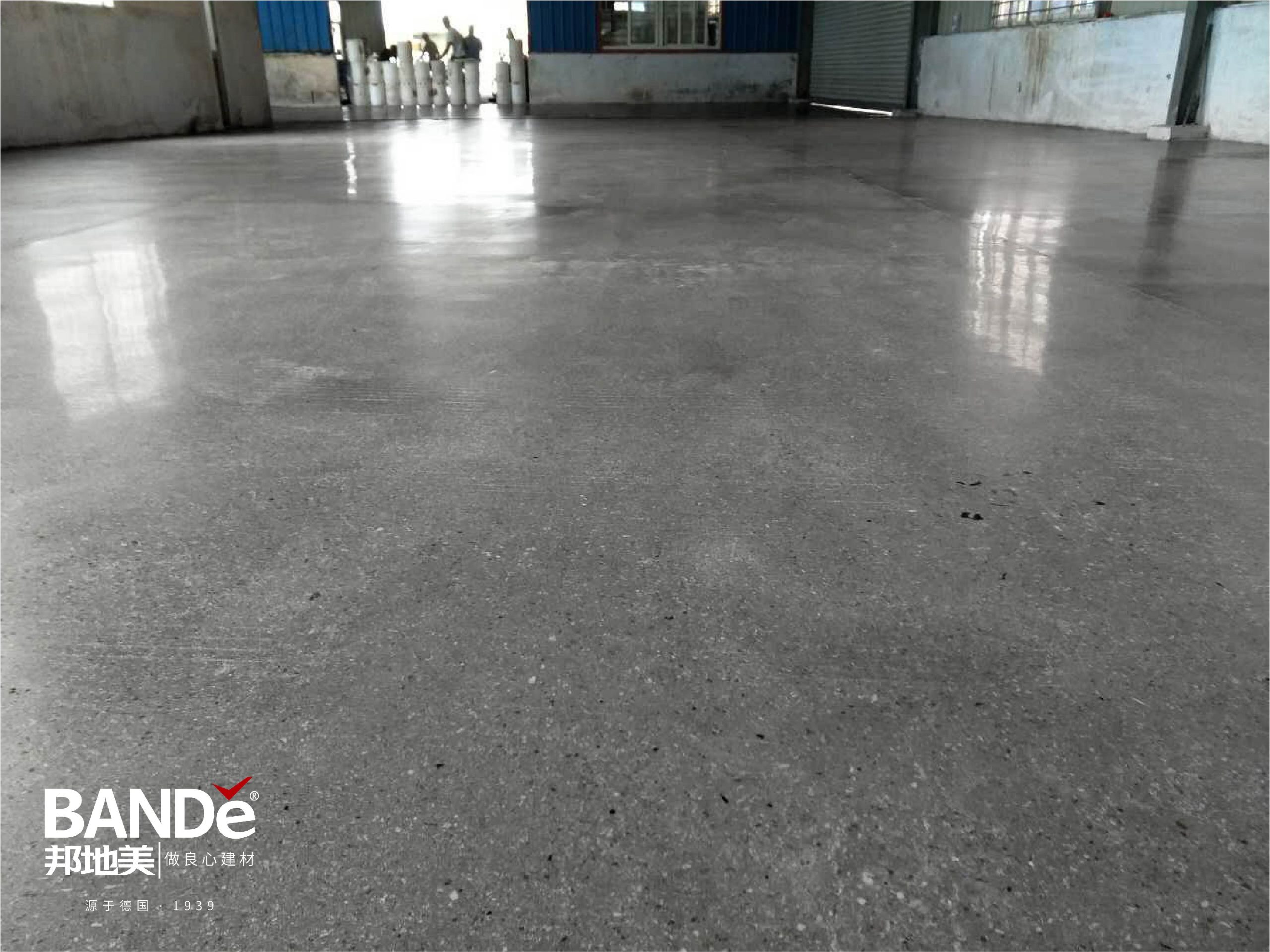
When you think about dust-proof floor polishers, there are a few main types to look at. Each type has its own benefits, so let’s explain them.
Orbital vs. Rotary
Orbital polishers are good for controlling dust. They usually have HEPA filters that trap dust well. This makes them great for places where people are, like homes or offices. They give a smooth finish without swirl marks.
On the other hand, rotary polishers work in a different way. They spin in circles and are strong for deep cleaning. But, they don’t always keep dust contained. If you pick a rotary polisher, expect some dust to escape while you use it.
Here’s a quick comparison:
Feature | Orbital Polishers | Rotary Polishers |
|---|---|---|
Dust Containment | Excellent (HEPA filtration) | Moderate (less focus on dust control) |
Finish Quality | Smooth, no swirl marks | Deep clean, but may leave marks |
Best For | Light to medium cleaning tasks | Heavy-duty cleaning |
Dual-Action Polishers
Dual-action polishers mix the good parts of both orbital and rotary types. They move in circles and also wiggle, which makes them flexible. You can use them on many floor types, from hardwood to tile. They are easy to use, making them popular with both pros and DIY fans.
Here’s a quick look at their features:
Type | Features | Ideal Uses |
|---|---|---|
Dual-Action | Versatile motion, efficient, user-friendly | Various floor types, professional use |
Key Features of Dust-proof Floor Polishers
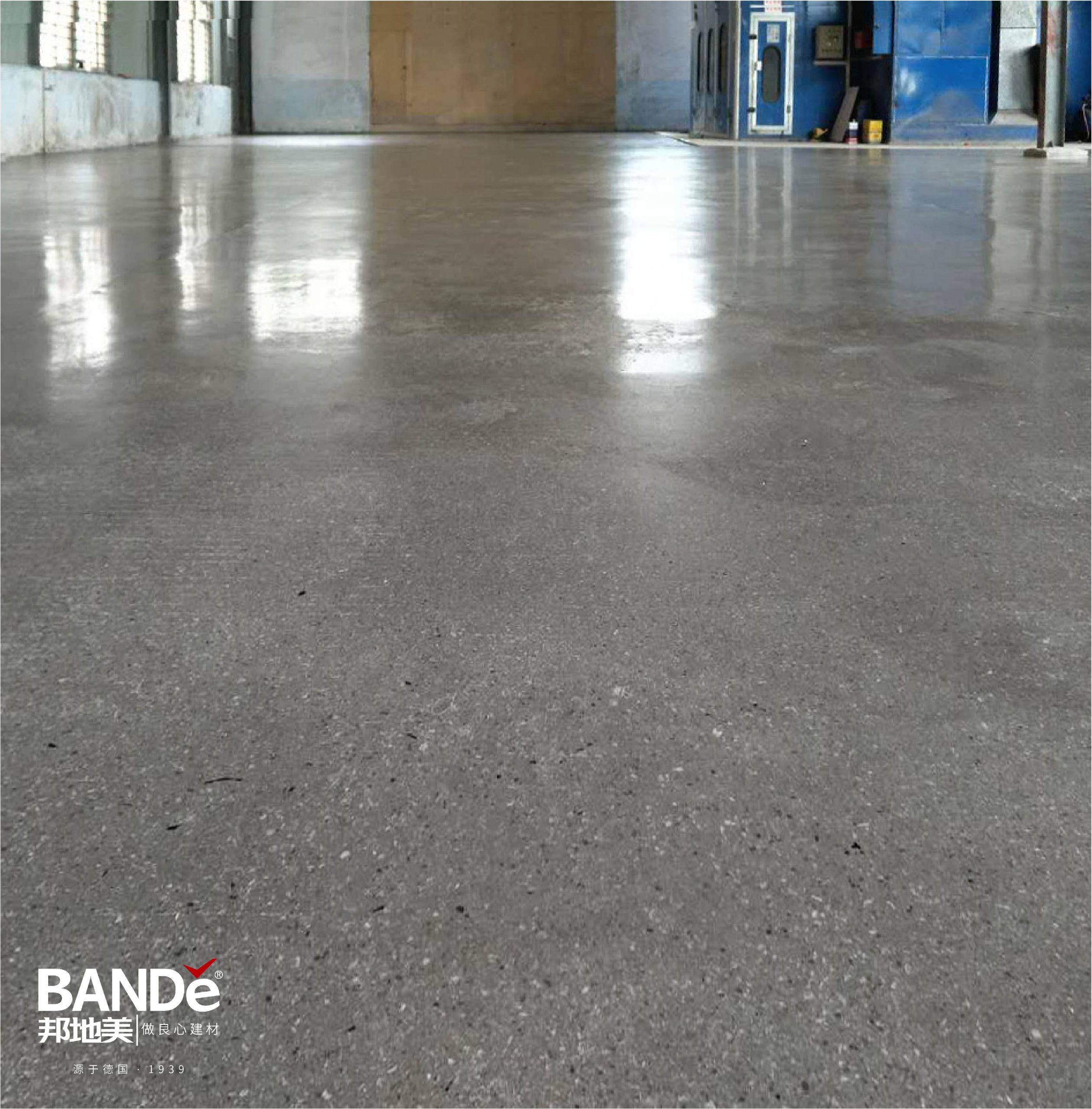
When you want a dust-proof floor polisher, some features really help your cleaning. Let’s look at two important features: interchangeable pads and dust control features.
Interchangeable Pads
Interchangeable pads change the game for dust-proof floor polishers. They let you switch pads based on what you need to clean. Here’s why this is helpful:
You can use different pads for different surfaces. For example, a soft pad is good for hardwood, while a scrubbing pad works well on tile.
The Hercules Scrub & Clean model has interchangeable brushes, buffing pads, and polishing pads. This makes it great for many cleaning jobs and floor types.
Many polishing pads can be washed in a machine and air-dried easily. This means you can use them again, saving money and cutting down on waste.
Having the right pad for each job helps you get the best results while keeping dust low.
Dust Control Features
Dust control is very important when using a dust-proof floor polisher. Good dust containment keeps your space cleaner and improves air quality. Here are some key dust control features to check for:
A built-in vacuum port is important for collecting dust during dry polishing. This feature helps catch dust as you work, stopping it from spreading around.
Look for machines that can remove about 99% of the dust made from polishing. This high efficiency keeps your area clean and healthy.
Heavier machines usually create more friction, giving a better polish. The extra weight helps the polisher move smoothly over surfaces, improving the finish.
To boost dust control, think about these helpful accessories:
Vacuums: Pick models with true HEPA filters for the best dust capture.
Dust Shrouds: Use these with vacuums to catch dust right at the source.
Filtration Systems: Choose sealed systems to stop leaks and ensure top efficiency.
Here’s a quick look at energy efficiency for different types of polishers:
Type of Polisher | Energy Efficiency |
|---|---|
Cordless (e.g., Victor) | |
Corded | Uses more energy |
By focusing on these key features, you can pick a dust-proof floor polisher that fits your needs and makes cleaning easier and better.
Using a Dust-proof Floor Polisher
Preparation Steps
Before you start polishing, get your space ready. Proper preparation helps your dust-proof floor polisher work well. Here’s a checklist to help you prepare:
Clear the area: Take away any furniture or items from the floor to make a clear space.
Clean the floor: Sweep or vacuum to get rid of loose dirt and dust.
Choose the right pad: Pick the right pad or brush for your floor type and job.
Gather safety gear: Wear protective items like safety glasses, non-slip shoes, and gloves.
Ear protection: If the polisher is loud, think about wearing earplugs or earmuffs.
Set up the floor buffer: Get to know the machine and read the instructions.
Attach the pad or brush: Follow the instructions to attach the right pad or brush securely.
Ensure proper weight distribution: Adjust the weights as the instructions say.
Doing these steps will help you get the best results while keeping dust low.
Operating Techniques
Once you’re ready, it’s time to polish! Here are some tips to keep dust contained while you polish:
Prep smarter: Use mechanical surface prep instead of acid etching to cut down on dust. Clean floors with a mild cleaner and warm water to lower airborne dust. Cover vents with plastic to limit dust spread.
Optimize equipment: Use a dual-stage HEPA vacuum with good airflow and strong filters. Always check hose seals and filters before you start.
Ventilate strategically: Open windows and use negative air machines to move air away from living areas. Use engineering controls instead of just masks.
Always keep safety in mind while you work. Wear protective eyewear and gloves to protect against splashes and debris. Use slip-resistant shoes to stay stable in wet areas. Regularly maintain your equipment to avoid electrical problems and chemical exposure.
By following these preparation steps and operating techniques, you’ll make sure your dust-proof floor polisher works well, keeping your space clean and dust-free.
Maintenance for Longevity
Cleaning and Care
To keep your dust-proof floor polisher working well, you need to clean and care for it regularly. Here are some easy steps to follow:
Wipe Down the Exterior: After each use, take a damp cloth and wipe the machine. This helps get rid of dust and dirt that can build up.
Check the Pads: Look at the polishing pads for damage. Replace them if they are worn out. This makes sure you get great results every time.
Empty the Dust Container: If your polisher has a dust container, empty it after each use. A full container can lower suction and dust control.
Clean Filters: If your polisher has filters, clean or change them often. This keeps airflow strong and helps with dust control.
Doing these steps will help your polisher last longer and keep your cleaning routine effective.
Troubleshooting Tips
Sometimes, you may have problems with dust control while using your polisher. Here are some troubleshooting tips to help you:
Prep Smarter: Use mechanical surface prep instead of acid etching to cut down on dust. Clean floors well before polishing to lower airborne dust. Seal vents to limit dust spread.
Optimize Equipment: Use a dual-stage HEPA vacuum with good airflow and strong filters. Always check hose seals and filters before starting.
Ventilate Strategically: Open windows and use negative air machines to move air away from living areas. Use engineering controls instead of just masks for safety.
By following these tips, you can solve common problems and make sure your dust-proof floor polisher works well. Regular maintenance and smart troubleshooting will keep your space clean and dust-free!
Picking the right dust-proof floor polisher can really change how you clean. Keep these important things in mind:
Airflow and Suction Power: Your polisher should catch dust well.
Filtration System: Good filters, like HEPA, catch tiny particles.
Dust Collection Capacity: A bigger container means less stopping while you clean.
Portability and Maneuverability: A light model with wheels is easy to move.
By looking at what you need, you can find the best polisher that keeps your space clean and dust-free. Happy polishing! ✨
FAQ
What is a dust-proof floor polisher?
A dust-proof floor polisher helps reduce dust while you clean. It has built-in vacuum systems and HEPA filters that catch dust particles. This keeps your area cleaner and healthier.
How often should I clean my polisher?
You should clean your dust-proof floor polisher after every use. Regular cleaning helps it work better and last longer.
Can I use a dust-proof polisher on all floor types?
Yes, many dust-proof polishers can be used on different surfaces. This includes hardwood, tile, and laminate. Always check the manufacturer’s instructions for specific advice.
What safety gear should I wear while polishing?
Wear safety glasses, gloves, and non-slip shoes when using a polisher. If it’s noisy, think about using ear protection to protect your hearing.
How do I choose the right pad for my polisher?
Pick pads based on your floor type and cleaning job. Soft pads are good for hardwood, while scrubbing pads work better on tile. Always check your polisher’s manual for help.
See Also
Steps to Use Concrete Dust Sealer for Clean Floors
Choosing the Best Crystal Concrete Polishing Service in 2025
Essential Concrete Dustproofer Sealers Recommended by BANDě
Selecting the Right Polished Concrete Densifier in 2025
Guidelines for Picking the Ideal Concrete Densifier for Warehouses
