

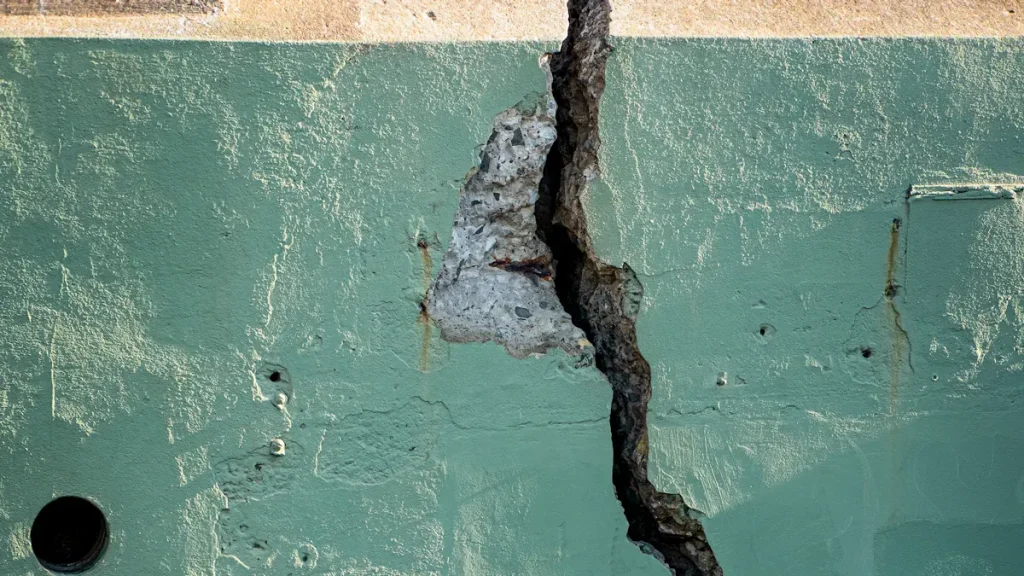
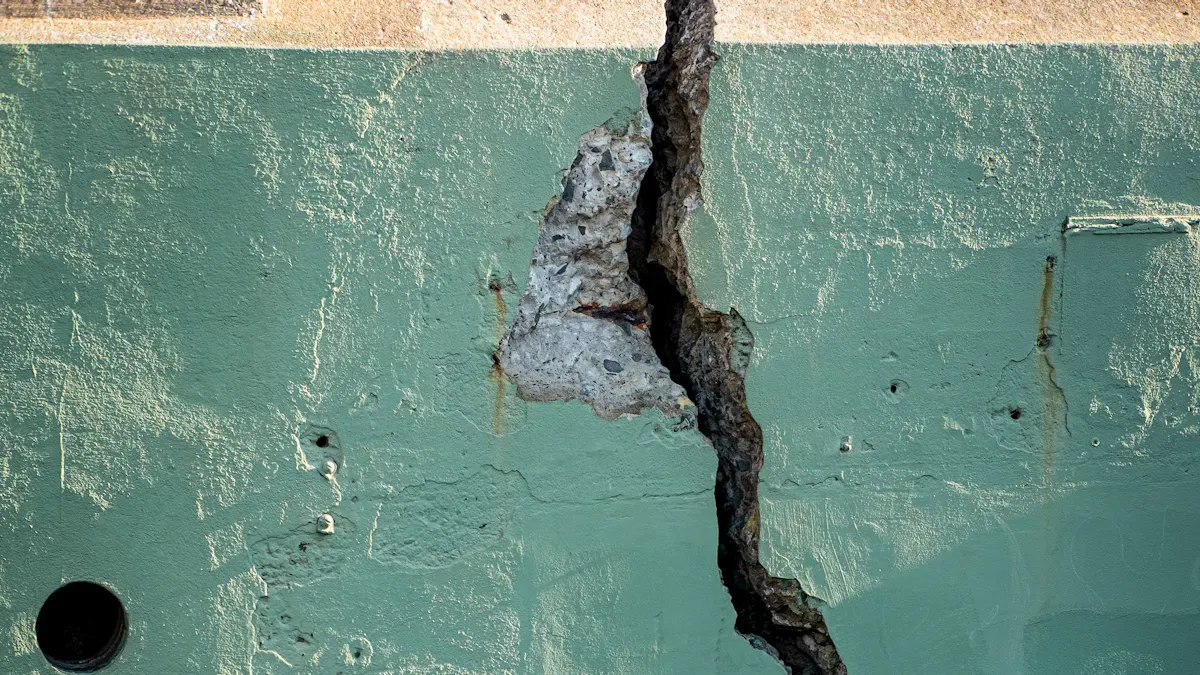
Concrete hole fillers are very important in building and fixing things. They help you repair cracks, gaps, and flaws in concrete surfaces, making them strong and safe. There are many types of concrete hole fillers to choose from, including ready-made products and special liquids. Picking the right concrete hole filler for your project is very important.
You may ask: What kind of concrete hole filler should I use for a certain job? How can I tell which products are best for me? Knowing about these choices can help you make smart decisions.
Key Takeaways
Concrete fillers are important for fixing cracks and gaps in concrete. They make surfaces strong and safe.
There are different types of fillers, like epoxy and polyurethane. Each type meets different needs. Choose based on flexibility, strength, and how you apply it.
Think about your project needs, the environment, and your budget when picking a concrete filler. This helps you get the best results.
Quick-drying fillers, like polyurea, are good for fast repairs. Cementitious fillers work well for larger gaps but take longer to dry.
Always clean the surface before using fillers. Follow the product instructions for the best results.
What Are Concrete Fillers?
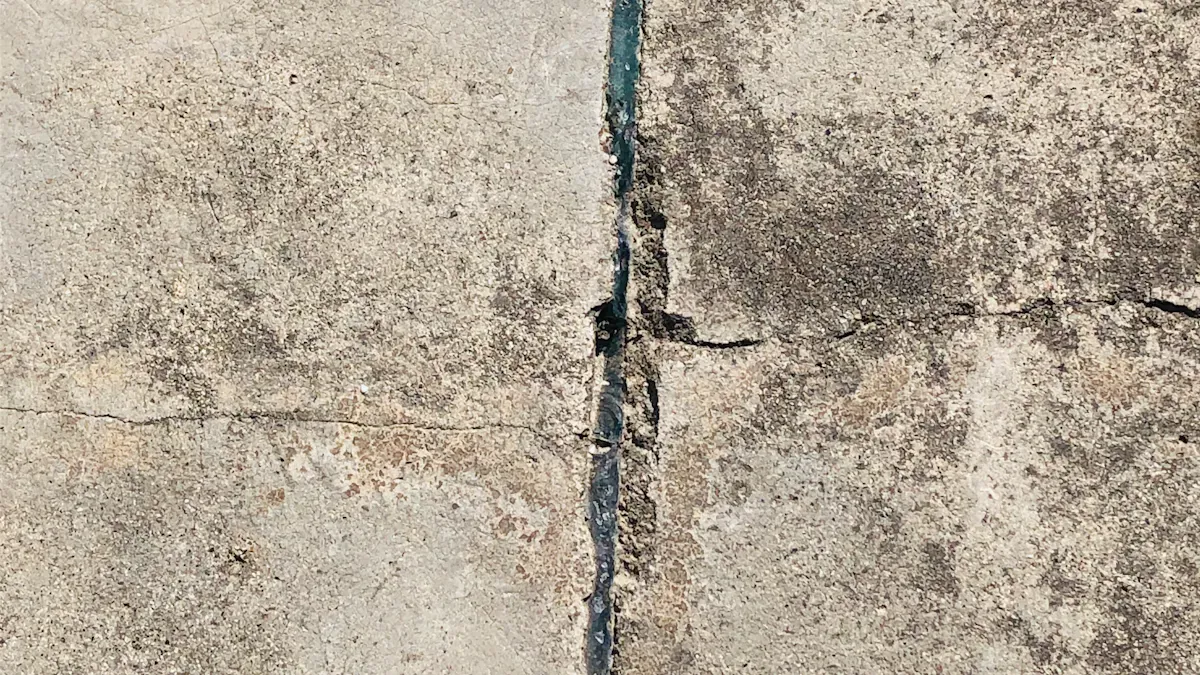
Definition and Purpose
Concrete fillers are materials that fix and improve concrete surfaces. They are very important in building because they seal cracks, fill gaps, and make concrete stronger. One common type of concrete filler is flowable fill. It is a mix of water, cement, and fine materials. This mix can fill gaps in uneven holes and hard-to-reach spots. It levels itself and dries fast without needing to be packed down.
Here are some main reasons to use concrete fillers:
Purpose | Description |
|---|---|
Fixes cracks in concrete to keep it strong. | |
Preventing Water Infiltration | Keeps water from getting into the concrete, which protects it from damage. |
Enhancing Durability | Makes concrete last longer against weather and wear. |
Common Applications
Concrete fillers are used in many home and business projects. You can use epoxy crack fillers to fix different kinds of concrete cracks. They can go right on the surface or be injected into the cracks, depending on how big they are. Here are some common uses:
Repairing Cracks: Use epoxy fillers to fix cracked concrete.
Anchoring: Use special epoxy products to hold bolts and post anchors.
Bonding: Use bonding agents to connect different materials strongly.
Surface Protection: Put overlay epoxy resin coatings on surfaces to keep them safe from damage.
By knowing what concrete fillers are and how to use them, you can make smart choices for your building and repair jobs.
Types of Fillers
Epoxy Fillers
Epoxy fillers are popular because they bond very well. They have two main parts: epoxy resin and hardeners. You mix these parts to make a strong filler that can hold heavy things. Here are the main parts of epoxy fillers:
Epoxy resin: A polyepoxide that makes a strong bond.
Hardeners: These start the curing process when mixed with the resin.
You can use epoxy fillers for many jobs. They are great for fixing cracks in concrete and bonding materials in factories. For example, they work well in woodworking, cars, and flooring.
Industry/Application | Description |
|---|---|
Woodworking and Furniture | Fills gaps in wood and makes strong finishes. |
Metal and Automotive | Joins body parts and protects against rust. |
Flooring | Creates smooth, strong surfaces for businesses. |
Polyurethane Fillers
Polyurethane fillers are known for being flexible and sticking well. They stick to many surfaces, especially porous ones. Here are some benefits of using polyurethane fillers:
High wear resistance and flexibility after curing.
Stays flexible in cold temperatures down to -40 °C.
Cost-effective for big jobs.
These fillers are great for outdoor use, but they can break down in sunlight. So, use them in shaded spots or add a protective layer.
Polyurea Fillers
Polyurea fillers dry fast and resist chemicals and wear. They are good for busy areas and can handle extreme temperatures. You can use polyurea fillers for:
Industrial flooring
Waterproofing jobs
Sealing joints in concrete
Their quick drying time makes them popular for projects that need to be done fast.
Cementitious Fillers
Cementitious fillers are mainly made from Portland cement and pozzolanic materials. These fillers are great for filling big gaps and stabilizing structures. Here are the main parts that affect how they work:
Portland Cement: Hardens with water, affecting the strength.
Pozzolanic Materials: React with water to improve the mixture.
Coal Fly Ash: Helps with fluidity and has pozzolanic properties.
You can use cementitious fillers in many infrastructure projects, like filling utility trenches and pavement bases.
Application Type | Description |
|---|---|
Utility Trench Backfill | Used in cities for filling trenches where utilities are placed, stopping uneven settling. |
Annulus Grouting and Void Filling | Fills gaps made during tunneling to stop ground movement. |
Acrylic Fillers
Acrylic fillers are water-based and easy to use. They are perfect for small cracks and surface flaws. You can paint over them after they dry, making them good for looks. However, they might not be as strong in high-stress areas.
Concrete Hole Fillers
Concrete hole fillers are made to fill holes and gaps in concrete. They work for both small and big repairs. These fillers often come ready to use, making them easy for quick fixes.
Concrete Joint Fillers
Concrete joint fillers are important for managing how concrete moves. They help stop problems like cracking and spalling. By allowing movement without stress between slabs, joint fillers keep the structure strong.
Concrete Joint Filler Strips
Concrete joint filler strips are solid fillers that give support. They are used in busy areas. Unlike liquid fillers, which allow for movement, joint filler strips support the edges of joints under heavy loads.
You can choose solid strips or liquid fillers based on your project. Solid strips need careful cutting and placing, while liquid fillers can easily fill odd joint shapes.
BANDě Concrete Patching Compound
BANDě Concrete Patching Compound is a special type of concrete filler that is versatile and easy to use. This compound works for both inside and outside jobs. It sticks well and can fix cracks, holes, and surface flaws.
Some benefits of using BANDě include:
Quick drying time for fast repairs.
High durability for busy areas.
Resists moisture and chemicals for long-lasting results.
You can apply BANDě Concrete Patching Compound with a trowel or putty knife, making it easy for DIY projects.
Characteristics of Each Type
Durability and Strength
Durability and strength are very important when picking a concrete filler. Epoxy fillers are great because they can handle heavy impacts and wear. They work well in busy areas, making them perfect for factories. On the other hand, polyurethane fillers are better for outdoor use because they resist UV rays. This helps them last longer against weather, so they are good for outside jobs.
Flexibility and Adhesion
Flexibility and adhesion are key for how well a filler works. Polyurethane fillers are very flexible. They can expand and shrink with temperature changes. This makes them great for outdoor projects where temperatures change a lot. In contrast, epoxy fillers stick really well to different surfaces. This strong bond helps repairs last longer, especially in tough conditions.
Cure Time and Application Method
Cure time and how you apply the filler can change your project schedule. Polyurea fillers dry quickly, often in just minutes. This makes them perfect for quick repairs. You can use them easily in busy places without long waits. However, cementitious fillers usually take longer to cure. For example, the T-3 mixture reached a strength of about 61 MPa, which is 15% stronger than the T-0 control group at 53 MPa. This strength is good for structural work, but you need to plan for longer drying times.
When choosing a filler, think about these features. They will help you find the best type for your needs and project.
Choosing the Right Filler
Assessing Your Project Needs
When you pick a concrete filler, start by looking at your project needs. Think about these factors to help you decide:
Factor | Description |
|---|---|
Substrate Condition | Look for weak concrete, materials that stop bonding, and dirt on the surface. |
Material Requirements | Find out what you need for surface prep based on the material you choose. |
Job-Site Conditions | Check how easy it is to access the site, any physical limits, and environmental factors. |
Environmental Considerations | Think about recycling, hazardous waste, and temperature when you evaluate. |
Knowing these factors helps you pick a filler that fits your project’s needs. For example, if you see weak concrete, you might need a filler that sticks well to a not-so-great surface.
Environmental Considerations
The environment affects how well concrete fillers work. Here are some important points to remember:
Changes in temperature and moisture can make concrete move.
Hard fillers might limit movement, causing cracks and spalling.
Flexible fillers, like EPS, can handle movement and lessen stress.
When choosing a filler, think about how temperature and humidity will impact it. For example, if you work in a place with big temperature changes, a flexible filler could be the best option.
EPS takes in expansion pressure by controlled compression.
It lowers stress at the edges of slabs.
It works as a shock-absorbing buffer under heavy loads.
Budget and Cost-Effectiveness
Your budget also affects which concrete filler you choose. Some fillers might cost more at first, but they could save you money later because they last longer. Here are some tips for checking cost-effectiveness:
Compare the starting costs of different fillers.
Think about long-term benefits, like less maintenance and repair costs.
Include the application method and labor costs for each filler.
Choosing the right filler means balancing your budget with your project’s needs. A pricier filler might give better performance and last longer, making it a smart choice.
By carefully looking at your project needs, thinking about environmental factors, and checking your budget, you can find the right concrete filler for your job.
Comparison of Concrete Fillers
Pros and Cons of Each Type
When you pick a concrete filler, knowing the pros and cons helps you decide. Here’s a quick look:
Filler Type | Pros | Cons |
|---|---|---|
Epoxy Fillers | Strong bond, great for heavy loads | Takes longer to cure, can be pricey |
Polyurethane Fillers | Flexible, good for outside use | Sensitive to UV light, may need a coat |
Polyurea Fillers | Cures fast, resists chemicals | Short working time, can be expensive |
Cementitious Fillers | Good for big gaps, strong and tough | Takes longer to dry, needs mixing |
Acrylic Fillers | Easy to use, can be painted | Not good for high-stress areas |
Cost Comparison
Prices vary for different fillers. Here’s a rough idea of what to expect:
Epoxy Fillers: $30-$100 per gallon
Polyurethane Fillers: $20-$80 per gallon
Polyurea Fillers: $50-$150 per gallon
Cementitious Fillers: $10-$50 per bag
Acrylic Fillers: $15-$40 per gallon
Think about the long-term benefits when looking at costs. Sometimes, spending more at first saves money later because of durability and less maintenance.
Performance Metrics
Performance metrics help you see how well each filler works. Here are some important factors:
Strength: Epoxy fillers are the strongest, great for heavy jobs.
Flexibility: Polyurethane fillers are very flexible, adjusting to temperature changes.
Cure Time: Polyurea fillers cure the fastest, often in minutes, perfect for quick fixes.
Durability: Cementitious fillers are very durable for structural work.
By comparing these points, you can find the right concrete filler for your needs. Whether you need a concrete joint filler or epoxy joint fillers, knowing these differences will help you decide.
Picking the right concrete filler is very important for your project. Each type of filler has special features that work for different jobs. Think about what you need, like project needs, how it works with the environment, and how strong it needs to be.
Tip: If you are not sure which filler to choose, ask experts or check guidelines from groups like the American Concrete Institute (ACI). They offer helpful resources and rules to guide you in making good choices.
By taking time to look at your project needs, you can make sure your repair is strong and works well.
FAQ
What are concrete joint filler strips used for?
Concrete joint filler strips give support in busy areas. They help control movement between concrete slabs. This stops cracking and spalling. You can pick solid strips or liquid fillers based on what you need.
How do I apply concrete joint filler epoxy?
To use concrete joint filler epoxy, first clean the surface well. Mix the epoxy as the instructions say. Use a putty knife or trowel to fill the cracks or joints. Let it cure as directed for the best results.
Can I use a concrete joint filler machine for my project?
Yes, a concrete joint filler machine can make applying fillers faster. These machines help you spread fillers evenly and quickly, especially in big areas. Make sure to follow the manufacturer’s instructions for the best use.
How long does it take for concrete fillers to cure?
Cure times depend on the type of filler. Epoxy fillers might take several hours to cure, while polyurea fillers can set in just minutes. Always check the product details for the right curing times.
Are there any environmental considerations when using concrete fillers?
Yes, think about temperature and humidity when choosing a filler. Some fillers might not work well in extreme conditions. Pick flexible fillers for places with big temperature changes to avoid cracking.
See Also
Understanding Concrete Densifiers: Their Function and Benefits
Choosing the Ideal Concrete Floor Hardener for 2025
Selecting the Right Concrete Densifier for Warehouse Floors
Finding the Best BANDě Concrete Patching Compound for Projects
Exploring Concrete Floor Hardeners: Their Purpose and Operation
