

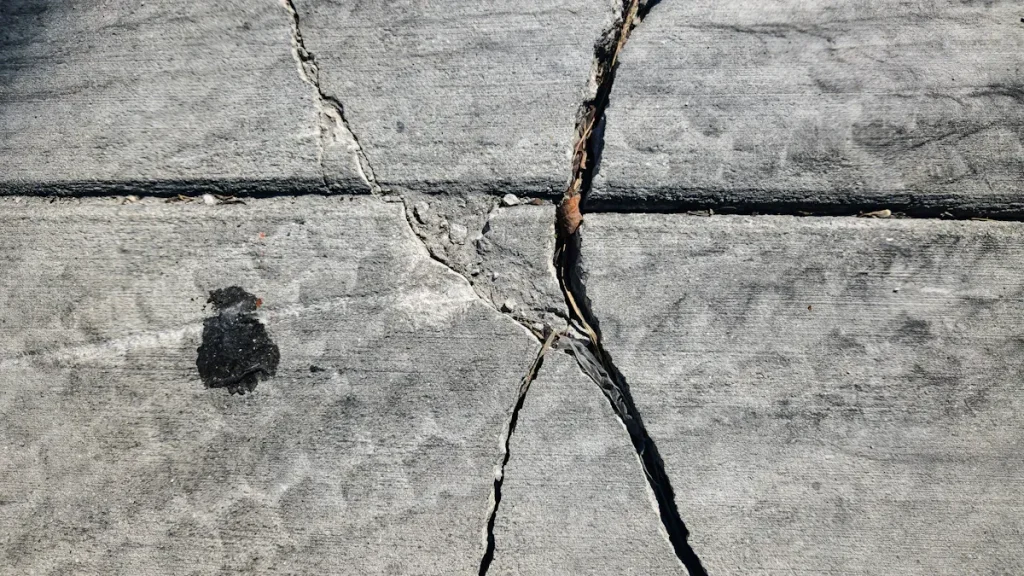
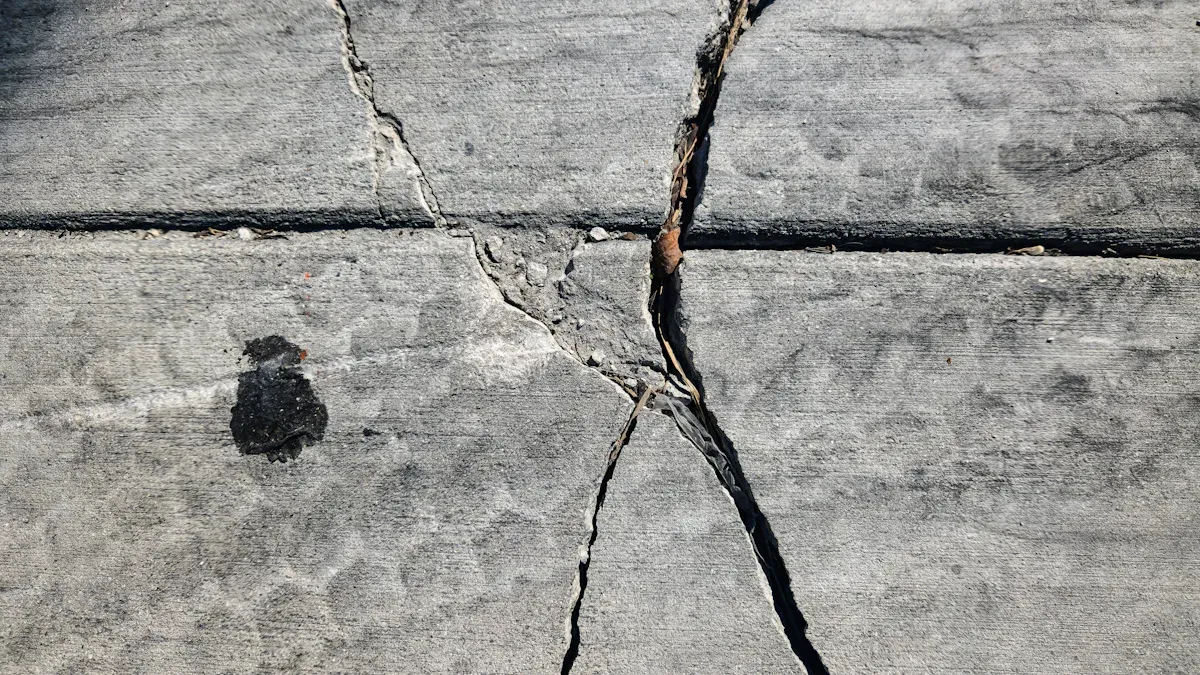
Choosing the best concrete crack repair sealant is very important. It can change how long your repairs last and how well they work. For example, sealants like polyurethane and epoxy stick well to concrete. This makes your repairs stronger. They can move with natural shifts, which is important because concrete cracks do not stay still. On the other hand, hard options like hydraulic cement can cause problems later. These problems may include cracking or leaking. Knowing these differences helps you make smart choices for good repairs.
Key Takeaways
Pick the right sealant for the crack type. Use epoxy for big cracks and polyurethane for cracks that move.
Think about the weather. Choose sealants that can handle local weather, especially freezing and thawing.
Check performance needs. Find sealants that are strong, flexible, and resist UV light and chemicals.
Know the drying times. Different sealants dry at different speeds, so read the instructions for best results.
Focus on good preparation. Clean the cracks well before using sealants. This helps them stick better and last longer.
Types of Concrete Crack Sealants
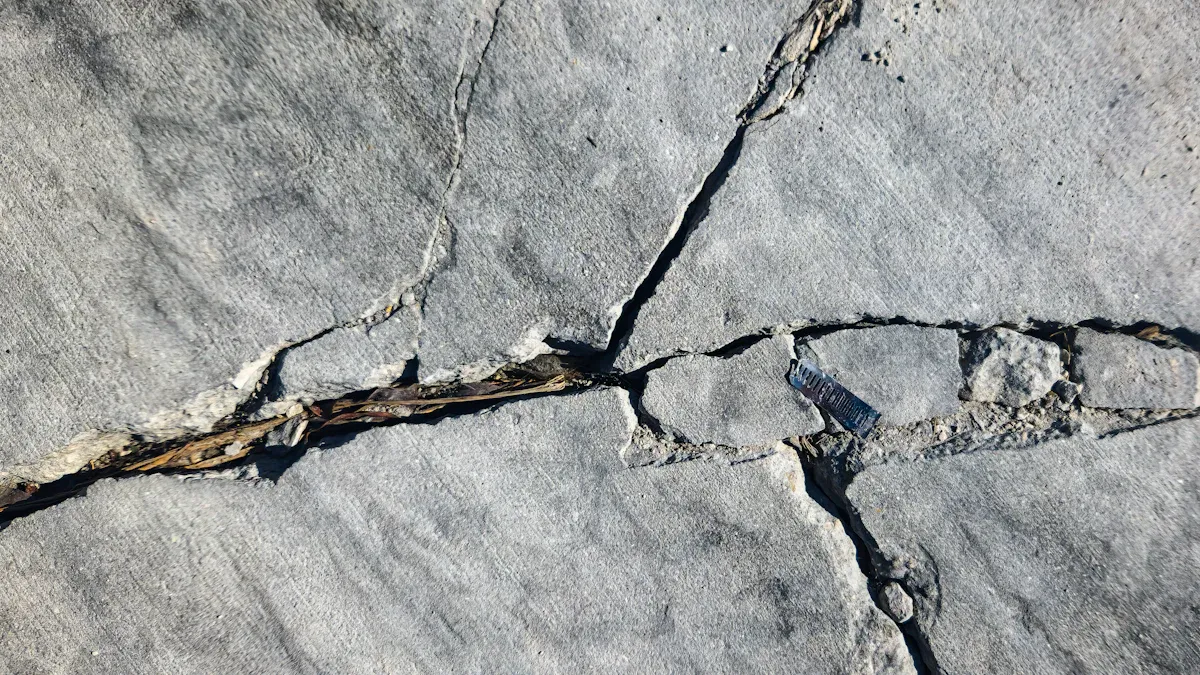
When fixing concrete cracks, knowing the types of sealants can help your project succeed. Let’s look at the four main types of concrete crack sealants and how to use them.
Epoxy Sealants
Epoxy sealants are a popular choice for fixing concrete cracks. They are strong and last a long time. They fill cracks with a strong glue that ‘welds’ the concrete together. This makes them great for keeping the structure safe.
Tip: Use epoxy injections for cracks bigger than 1/8-inch or those that hold weight. They add strength and can flex a little when temperatures change.
Epoxy sealants dry fast, usually in 30–45 minutes, even when it’s cold. This quick drying means you can use the area again soon.
Polyurethane Sealants
Polyurethane sealants are another great choice, especially for cracks that move. They bend with the concrete, making a strong repair. This is good for places where water is a problem, like wet basements or outside areas.
Polyurethane expands when it touches water, sealing big cracks well.
They stay flexible over time, allowing for changes in size.
If you have wet or leaking cracks, polyurethane sealants are best. They stick well to wet surfaces, making them good for areas with different moisture levels.
Acrylic Sealants
Acrylic sealants are often used for repairs that don’t need to hold weight or for looks. They are easy to put on and can be painted after they dry. This is helpful if you want to match your concrete color.
But remember, acrylic sealants might not be good for strong repairs. They are mainly for sealing doors and windows. While they resist UV light, they are not as tough as polyurethane in bad weather.
Characteristic | Performance |
|---|---|
UV Resistance | Good |
Weather Durability | Not as tough as silicone or polyurethane in extreme weather |
Self-Leveling Caulk
Self-leveling caulk is made for flat surfaces. It flows and fills gaps easily, giving a smooth finish without needing special skills.
This caulk works well on flat areas since gravity helps it level out. You can put it into cracks easily, making it a simple choice for many DIY projects.
Feature | Self-Leveling Caulk | Other Sealants |
|---|---|---|
Application Technique | Flows and fills cracks without extra work | Needs manual work for application |
Surface Type | Best for flat surfaces | Good for vertical surfaces |
Finish | Gives a smooth, professional look | May need more finishing steps |
By knowing these types of concrete crack sealants, you can pick the right one for your project. Each type has its own benefits, so think about what you need before deciding.
Choosing the Right Concrete Sealer
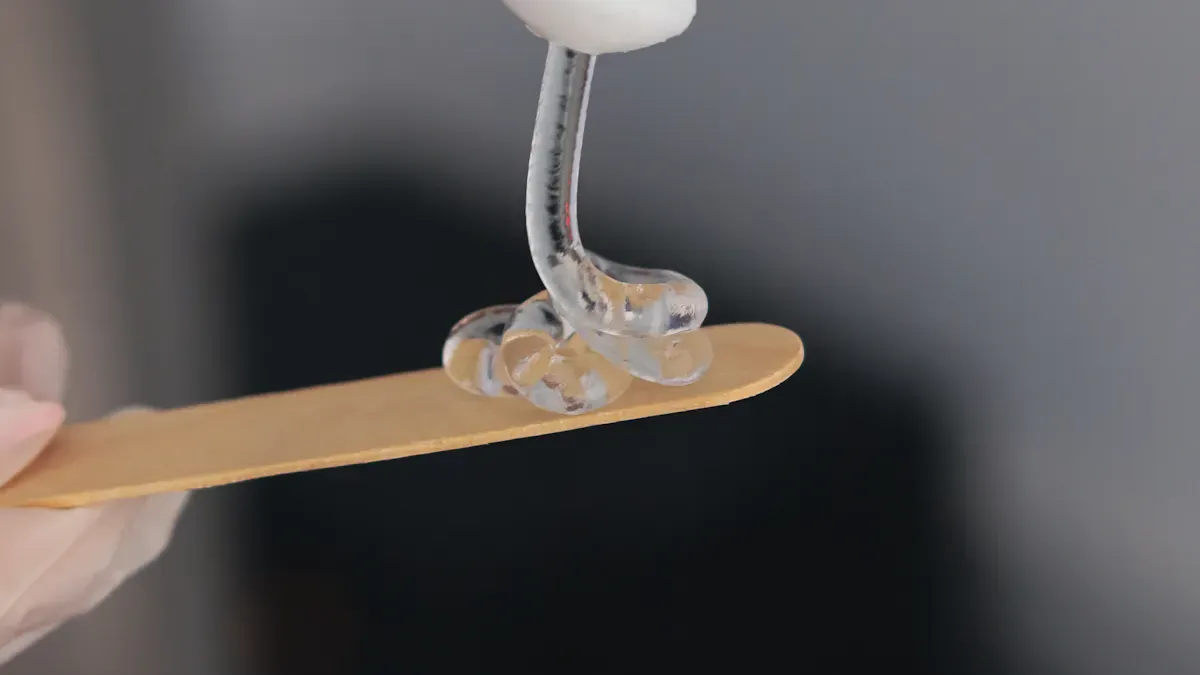
When you pick a concrete sealer, think about several things. Each thing is important for making sure your repairs last and work well. Let’s look at these things closely.
Crack Type Considerations
The kind of crack you have really affects which sealant you should use. Here are some important points to remember:
Crack Width: Different widths need different sealants. For example, tiny cracks can be fixed with simple sealants. Bigger cracks need stronger fillers.
Location of the Crack: Horizontal cracks need products that stick well without drooping. Vertical cracks need fillers that hold tight to stop dripping.
Weather Resistance: If you live where the weather is extreme, your sealant must handle it. This is very important in places with freeze-thaw cycles. Water can cause a lot of damage during these cycles.
Curing Time: The time it takes for the sealant to dry can change. This affects how long your project takes and how well the repair works based on the weather.
Environmental Factors
Weather conditions can really affect how well your concrete crack sealer works. Here’s what to think about:
Condition | Effect on Sealants |
|---|---|
Can make sealants soft and speed up breaking down. | |
Low Temperatures | May make sealants hard, which reduces flexibility and sticking power. |
High Humidity | Affects sticking and can cause rust, so controlling moisture is very important. |
If you live in a place with cold winters, you need a sealant that can handle freeze-thaw cycles. Cracks filled with water can get damaged during these cycles, so pick a sealant that stays flexible and sticks well.
Performance Requirements
In busy areas, your concrete crack sealer needs to meet certain performance needs. Here are the main things to think about:
Key Requirement | Description |
|---|---|
Must last for many years in tough conditions, like UV light and freeze-thaw cycles. | |
Flexibility | Should stay stretchy when temperatures change, with at least ±25% movement ability. |
Resistance | Needs to handle chemicals from de-icing salts and car fluids, plus foot and vehicle traffic. |
By knowing these factors, you can make a smart choice when picking the right concrete crack repair sealant for your project. Remember, matching the sealant type to the crack type is key for good repairs.
Best Concrete Crack Sealers Comparison
Choosing the best concrete crack sealer gives you many good choices. Let’s look at three popular products that stand out.
Product A: Sikaflex Self-Leveling Sealant
The Sikaflex Self-Leveling Sealant is often seen as the best choice. It’s easy to use and works well, making it popular with homeowners and pros. Here are some important features:
Feature | Description |
|---|---|
Ease of Use | Smooth application without special tools. |
Durability | High resistance to cracking and weather changes. |
Cleanup | Easy to clean up with soap and water. |
This sealant is great for filling cracks on flat surfaces, ensuring a long-lasting repair.
Product B: Sashco Slab Concrete Crack Filler
If you want good value, the Sashco Slab Concrete Crack Filler is a solid choice. It’s affordable and works well in different conditions. Here’s what makes it a great pick:
Flexible: Moves with the concrete.
Paintable: You can paint over it after it dries for a smooth look.
User Rating: Gets a strong 4 out of 5 from users.
This product is perfect for small to medium cracks, giving you a reliable solution without spending too much.
Product C: BANDě Cement Crack Sealer (Self-Healing Type)
The BANDě Cement Crack Sealer is special because it has self-healing technology. This means it can fill small cracks by itself, which helps with long-term care. Here are its best features:
Feature | Description |
|---|---|
Self-Healing | Automatically fills cracks, so you don’t need to repair them often. |
Waterproof | Completely waterproof, making it great for wet areas. |
Durability | Made to handle extreme weather and UV light. |
This sealant is perfect for foundations and places that get wet, making sure your repairs last longer.
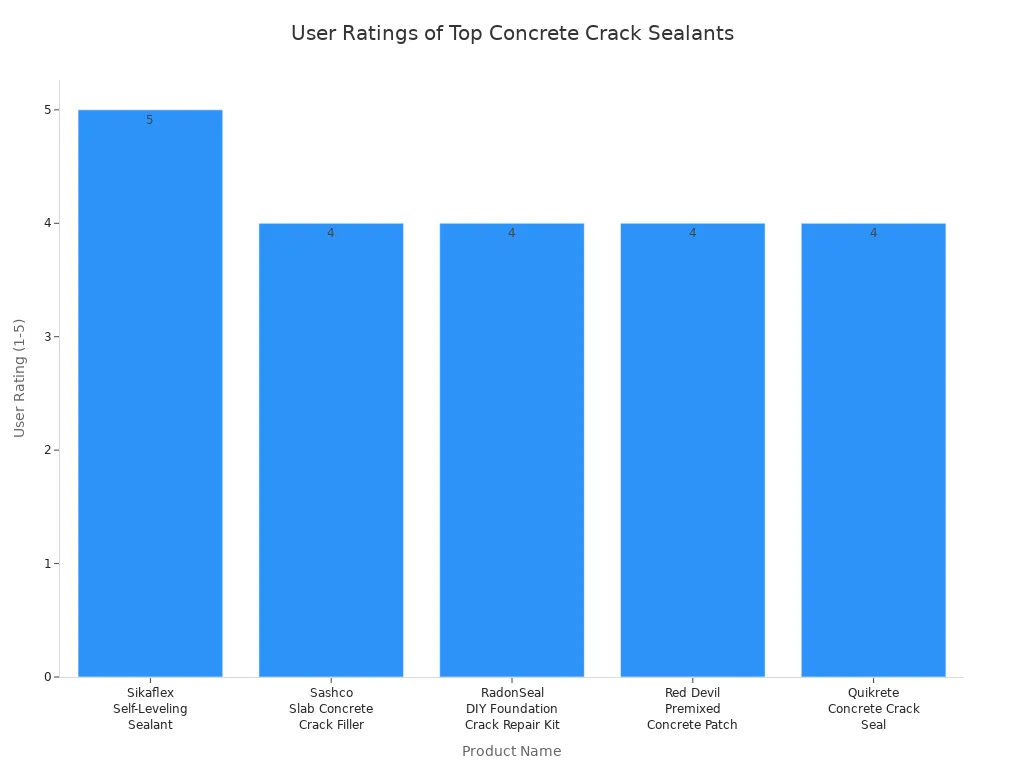
By comparing these products, you can find the best concrete crack sealer for your needs. Each option has its own strengths, so think about what features are most important for your project.
Choosing the right concrete crack sealant is very important for your project. Think about these things:
Crack Types: Know the types of cracks you have.
Environmental Conditions: Check the weather where you will use the sealant.
Performance Requirements: Look for how well it sticks, bends, and resists water and UV light.
By picking a good sealant, you can stop future problems and save money on repairs. So, take time to think about what your project needs. This careful plan will help your repairs last longer and work better. Happy sealing! 🛠️
FAQ
What is the best sealant for large cracks?
For big cracks, epoxy sealants are the best choice. They stick strongly and can hold heavy loads. Use them for cracks wider than 1/8 inch to make sure they last.
How long does it take for sealants to dry?
Drying times can be different for each product. Most sealants dry in 30 minutes to a few hours. Always check the instructions from the manufacturer for exact drying times.
Can I paint over concrete sealants?
Yes, many sealants, like acrylic and some polyurethane types, can be painted after they are fully dry. Be sure to follow the manufacturer’s guidelines for the best results.
How do I prepare the crack before sealing?
Clean the crack well by getting rid of dirt, dust, and loose pieces. You can use a wire brush or a vacuum. This helps the sealant stick better.
Are there eco-friendly sealant options?
Yes, some companies make eco-friendly sealants from natural materials. Look for products that say low-VOC or environmentally safe to reduce your impact.
See Also
Choosing The Ideal Cementitious Crack Sealer For Your Job
Locating The Most Suitable Concrete Sealer For You
A Comprehensive Guide To Selecting The Right Concrete Sealer
The Definitive Guide To Effective Cement Crack Sealing
An Informative Guide To Cementitious Crack Sealers For All Surfaces
