

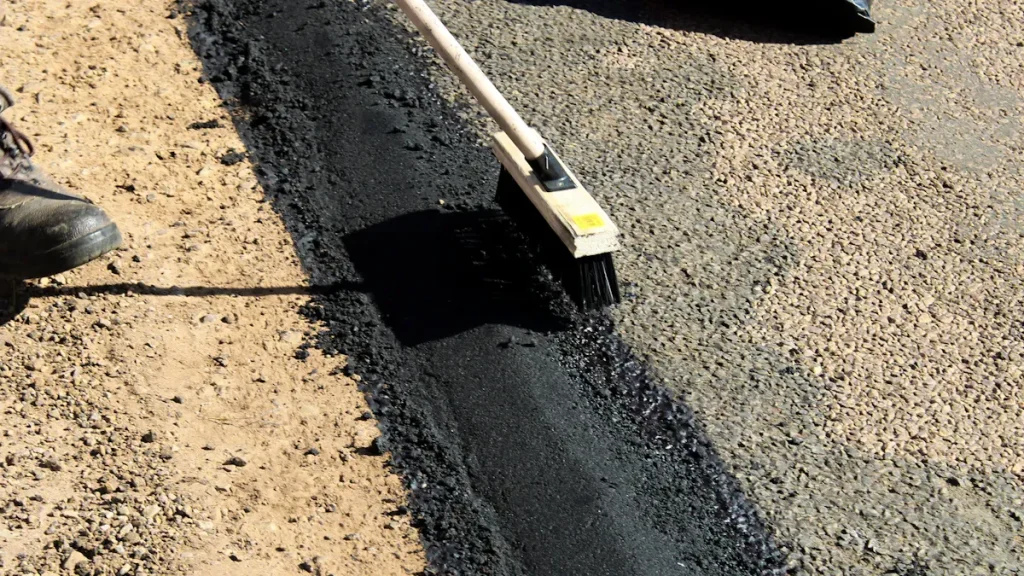
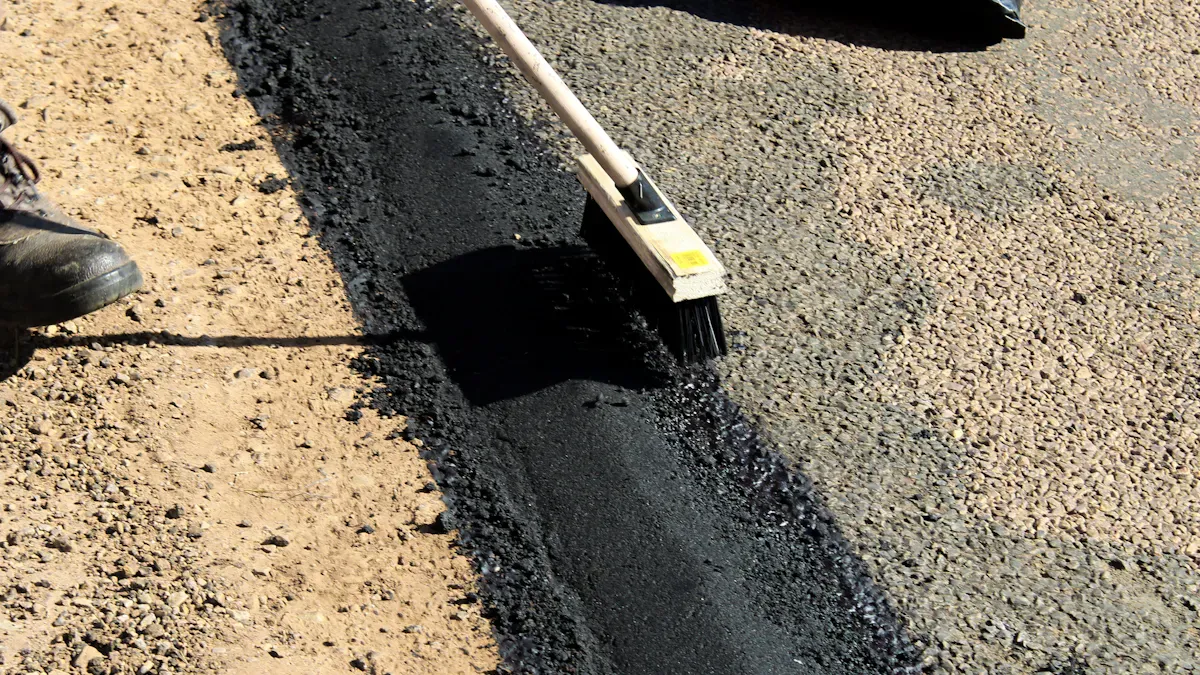
Choosing the right concrete joint filler is very important. It helps make your projects last longer and work better. Research shows that about 30% of concrete problems come from bad joint treatment. This includes picking the wrong joint filler. Things like material features and weather conditions can affect how well your filler works. For example, new smart materials and special additives can improve performance. Keep these points in mind to prevent expensive mistakes and get good results that last.
Key Takeaways
Picking the right concrete joint filler is very important. It helps your concrete last longer and work better. It can also stop expensive repairs.
There are different types of fillers. These include epoxy, polyurethane, and silicone. Each type has its own good and bad points. Choose one that fits your project needs.
Think about things like temperature, moisture, and sunlight when picking a filler. These factors can change how well the filler works and how long it lasts.
Getting help from a professional can guide you in making good choices. Experts can suggest the best materials for your situation.
Checking and taking care of your joint fillers regularly can help them last longer. This will save you time and money in the future.
Types of Fillers
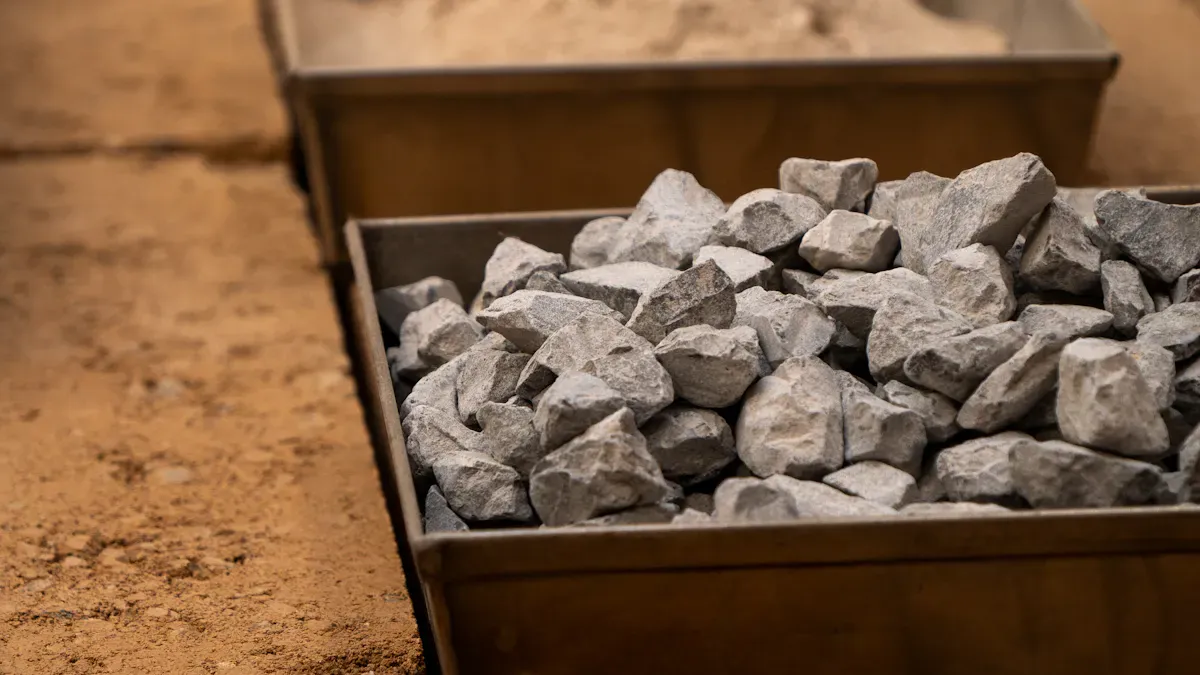
Epoxy Fillers
Epoxy fillers are strong and last a long time. They have a hard structure and a special link that helps them work well. Here are some important facts about epoxy fillers:
High Strength: Epoxy fillers stick well and are tough. This makes them good for busy areas.
Durability: They resist damage, so they last a long time.
Limitations: Their hardness can cause cracks under a lot of pressure. They can also break down when in sunlight, which limits their use outside.
Polyurethane Fillers
Polyurethane fillers are another good option for concrete joints. They have a mix of features that make them useful. Here’s how polyurethane fillers compare to other types:
Type | Durability | Flexibility | Weather Resistance |
|---|---|---|---|
Polyurethane | High | High | High |
Silicone | Medium | Low | High |
Acrylic | Low | Medium | Medium |
Advantages of Polyurethane Fillers:
Very durable
Great flexibility
Strong against weather
Disadvantages:
Take longer to cure
Possible health risks during use
Can harm the environment when made
Polyurethane fillers can last 20 to 30 years in busy concrete areas if taken care of. This is much longer than mudjacking, which usually lasts about 5 to 7 years.
Silicone Fillers
Silicone fillers work well in places with changing temperatures. They stay stretchy from -40°F to 400°F, making them good for many uses. Here are some pros and cons of silicone fillers:
Pros | Cons |
|---|---|
Very flexible | Higher starting cost than other choices |
Sticks well to concrete surfaces | Needs the surface to be prepared well |
Creates a waterproof seal to stop moisture | Best results come from professional help |
UV-stable formulas resist sun damage | N/A |
Fights mold and mildew in wet conditions | N/A |
Can handle constant water exposure | N/A |
Can adjust to big concrete movements | N/A |
Silicone fillers are great for outdoor use because they are flexible and resist UV rays. They can last 10 to 20 years with professional help.
Asphalt Fillers
Asphalt fillers are often used in concrete joints, especially in busy areas. They have specific uses and limits:
Type of Filler | Applications | Limitations |
|---|---|---|
Bituminous Fiberboard | Great memory and flexibility for different joint types. | Needs proper installation to avoid early failure. |
Foam Backer Rods | Used to fill joints tightly, giving support for sealants. | May not work well if not installed right or in bad conditions. |
Polyethylene Filler Board | Common in busy areas like highways and bridges. | Can be affected by extreme heat and moisture during installation. |
Resin Bonded Cork Filler | Affordable and flexible choice for many uses. | Performance can drop if exposed to harsh weather. |
Asphalt fillers work well but need careful installation to last long.
Applications of Joint Fillers
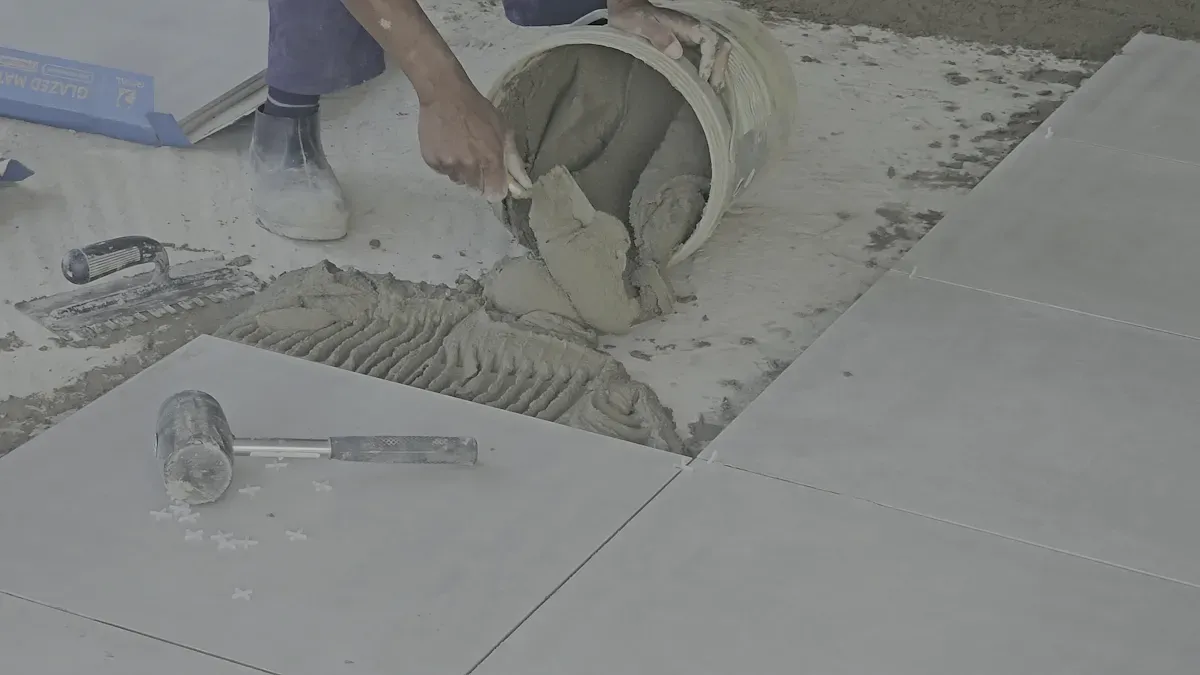
Residential Use
In homes, concrete joint fillers are very important. They help keep your concrete surfaces strong. You can pick from different options to fill or seal joints. This way, you can choose the best joint filler for each job. Here are some main benefits of using concrete joint fillers at home:
Prevent Premature Failure: Joint fillers stop cracks and uneven surfaces. This helps avoid expensive repairs.
Enhance Stability: They fill gaps in cracked concrete. This keeps everything level and stable.
Promote Durability: Many fillers work with concrete. This makes it last longer.
For driveways and patios, think about these types of fillers based on new industry rules:
Type of Filler | Characteristics | Applications |
|---|---|---|
Polyurethane Fillers | Very flexible, strong, great moisture protection | Indoor and outdoor uses |
Epoxy Fillers | Tough, resists chemicals, not as flexible as polyurethane | Heavy traffic areas |
Acrylic Fillers | Easy to use, sticks well, good for small cracks | Light-duty uses |
Silicone Fillers | Great waterproofing, stays flexible over time | Tough weather conditions |
Commercial Use
In businesses, picking concrete joint fillers depends on many things. These include how much traffic there is and the weather. You need to think about what your flooring needs to work well. Here are some important needs for joint fillers in commercial settings:
Performance Requirement | Description |
|---|---|
Adhesion | Ability to stick well to concrete surfaces. |
Expansion and/or contraction | Can handle movement in the concrete. |
Impact resistance | Can take sudden forces without breaking. |
Abrasion resistance | Strong against wear from foot and machine traffic. |
Chemical resistance | Can resist damage from different chemicals. |
High point load | Can hold heavy loads without failing. |
Rapid return to service | Cures quickly to reduce downtime for work. |
Using the right concrete joint filler in businesses can help your floors last longer. Fast curing times and strong durability are key for keeping things safe in busy areas.
Industrial Use
Industrial places have special challenges when choosing concrete joint fillers. You need to focus on strength under heavy loads. Also, you want to stop water and dirt from getting into joints. Well-filled joints protect slab edges from damage by heavy machines. Here are some things to think about for industrial uses:
Flush with Floor Surface: Make sure joint fillers are even with the floor to avoid tripping.
Heavy Machinery: Pick fillers that can handle the weight of forklifts and other vehicles.
Environmental Conditions: Think about the specific conditions in your facility, like temperature and humidity.
In industrial areas, epoxy and polyurea are the most common joint fillers. Epoxy has been used for a long time, while polyurea is popular for its quick curing and flexibility. Choosing the right filler depends on how the concrete floor will be used and what the facility needs.
Environmental Considerations
Temperature and Moisture
When picking a cement joint filler, think about temperature and moisture. High moisture can make concrete soak up water. This makes the concrete expand and puts pressure on the joint fillers. You might see the fillers bulging out from the joints.
Temperature is also important for how fast moisture-curing sealants dry. In cold weather, these sealants take longer to dry. This slow drying can affect how well they seal joints. For example, Eucolastic joint sealants work well in cold, but they cure slowly when it’s chilly. This delay can change how well the joint fillers work.
In places with high humidity, choose fillers that resist moisture. These fillers stick well even in humid conditions and stop mold from growing. In tropical or coastal areas, look for products that fight fungus and cure quickly.
UV Exposure
UV exposure can greatly affect how long joint fillers last and how well they work. Many regular urethane and silicone sealants break down when exposed to UV rays. This breakdown causes them to shrink and crack, which makes it hard for them to seal properly. On the other hand, hybrid sealants have a lot of solid content, which helps them avoid shrinking or cracking. These products work better in harsh weather and strong UV light.
It’s important to choose UV-stable products for outdoor use. They stay flexible and effective over time, giving them a longer life. High-performance elastomeric joint sealants can last from ten to twenty years, depending on their chemicals and how much they are exposed to the environment.
Choosing the Best Cement Joint Filler
Flexibility and Durability
When picking the best cement joint filler, think about flexibility and durability. These things help the filler handle movement and changes in the environment without cracking. Here are some points to check:
Criteria | Description |
|---|---|
Adhesion Strength | How well does the filler stick to concrete? |
Flexibility | Can it handle movement without cracking? |
Cure Time | How fast does it dry and become ready to use? |
Weather Resistance | Will it stand up to moisture and temperature changes? |
Ease of Application | Is it easy to use for DIY projects? |
It’s important to choose a filler with strong adhesion and flexibility. For example, products like Crack Stix Permanent Concrete Joint & Crack Filler dry quickly and adjust to weather changes. This helps them resist cracks well.
Cost-Effectiveness
Cost is also a key point when choosing a cement joint filler. You want a product that gives good value without losing quality. Here are some features to look for:
Value | |
|---|---|
Temperature Range | -40°F to 170°F |
Chemical Resistance | Yes |
Tear and Cut Resistance | Yes |
Weather Resilience | Yes |
For big projects, think about fillers that last a long time and dry quickly. For example, the BANDě Cement Crack Sealer (Self-Healing Type) is a great option. It can heal itself, making it perfect for areas that crack often. This product can handle different weather conditions and lasts up to 20 years, making it a smart choice.
Choosing the right concrete joint filler is very important for making sure it lasts and works well. Here are some things to think about:
Material Type: Pick fillers based on their features and what your project needs.
Environmental Factors: Think about temperature, moisture, and UV light when you choose.
Professional Guidance: Talking to experts can help you find good materials and get the right advice. They can help you pick the best options for what you need.
For more details, check out resources like the Guide to Sealing Joints in Concrete Structures or visit Topics In Concrete.
By thinking about these points, you can make smart choices that improve how long your concrete surfaces last and how they look.
FAQ
What is the purpose of concrete joint fillers?
Concrete joint fillers seal gaps in concrete surfaces. They stop water from getting in, reduce cracks, and make your concrete last longer. Well-filled joints also make your concrete look better.
How do I choose the right joint filler for my project?
Think about the type of concrete, weather conditions, and how much the joints will move. Check the filler’s flexibility, strength, and how well it resists moisture and UV light to make sure it fits your project needs.
Can I apply joint fillers myself?
Yes, you can apply joint fillers on your own. Just make sure to follow the manufacturer’s instructions for preparing the surface and applying the filler. For the best results, consider getting help from a professional, especially for big or tricky projects.
How long do concrete joint fillers last?
The lifespan of concrete joint fillers depends on the type. Usually, fillers like polyurethane and silicone can last from 10 to 30 years, based on the weather and how well you take care of them. Regular checks can help you know when to reapply.
What happens if I don’t use joint fillers?
If you skip using joint fillers, it can cause water damage, cracks, and uneven surfaces. Over time, this can lead to expensive repairs and make your concrete less durable. Filling joints properly is important for keeping your concrete strong.
See Also
Selecting The Ideal BANDě Concrete Patching Compound For Your Needs
The Ultimate 2025 Resource For Choosing A Concrete Floor Hardener
BANDě’s 2025 Handbook For Finding The Right Concrete Bonding Agent
Selecting The Most Effective Concrete Densifier For Warehouse Floors
The Comprehensive Guide To Mastering Concrete Patching And Repair
