

Waterproofing solutions are very important in modern construction. They keep buildings safe from water damage, helping them last longer. There are different types of waterproofing options, each fitting specific needs. Some common solutions are:
Liquid Applied Membranes (LAMs): These create a smooth, rubbery barrier.
Polyurethane Waterproofing: It is known for being flexible and strong.
Polymer Modified Cementitious Waterproofing: This works well in wet areas because it sticks effectively to concrete.
Choosing the right waterproofing method is important as it helps meet your project’s special needs.
Key Takeaways
Waterproofing is very important. It protects buildings from water damage. It also helps buildings last longer.
Liquid membranes are easy to apply. They are flexible and work well on many surfaces.
Cementitious waterproofing is cheap and strong. It is great for wet places like basements and bathrooms.
Bentonite waterproofing grows when it gets wet. This makes a strong barrier. It is especially good for underground buildings.
Picking the right waterproofing method can save time and money. It helps avoid repairs later.
Liquid Membranes
Characteristics
Liquid membranes are a popular choice for waterproofing. They are easy to apply and flexible. These membranes are made from materials like polyurethane and acrylic. When they dry, they form a solid barrier. This barrier fills small cracks and stops water from getting in. You can use liquid waterproofing membranes on many surfaces. These include concrete, wood, and metal. They also resist things like UV light and extreme temperatures.
Advantages
Using liquid membranes has many benefits:
Seamless Application: They have no seams, which lowers leak risks.
Flexibility: They move with surfaces, reducing cracks.
Durability: Liquid membranes handle tough conditions, protecting buildings.
Quick Application: Cold-applied systems can cover up to 7,000 square feet daily, making them fast for big jobs.
Disadvantages
Even though liquid membranes have many good points, they also have some problems:
Not preparing the surface well can cause blistering and peeling.
Skipping the primer can hurt adhesion and performance.
Choosing the wrong waterproofing system can lead to cracks and leaks.
Applications
Liquid membranes are useful for many construction projects. Common uses include:
Roofing |
Terraces |
Below-Grade Structures |
Basement |
Podiums |
Bridge Decks |
Tank Lining |
Wet Rooms |
Besides traditional liquid membranes, polymer modified cementitious waterproofing is another good choice for wet areas. This type sticks well to concrete and offers great moisture resistance. It is perfect for bathrooms and kitchens.
Sheet Membranes
Characteristics
Sheet membranes are a popular choice for waterproofing. They are strong and easy to install. These membranes come in different materials like PVC, TPO, and rubberized asphalt. Each material has its own benefits. For example, PVC is flexible and resists chemicals. TPO is great for blocking UV rays. Here’s a quick look at the main materials used in sheet membranes:
Material Type | Description |
|---|---|
PVC | A strong plastic that is flexible and resists chemicals. |
TPO | A type of plastic that blocks UV rays and saves energy. |
Rubberized Asphalt | A mix of asphalt and rubber that is very waterproof and flexible. |
Advantages
There are many benefits to using sheet membranes. First, they have a uniform thickness, which is important for waterproofing. Second, they are easy to install, allowing for exact coverage with each roll. This helps avoid wasting material. Also, sheet membranes work well in different weather and can be used on new concrete.
Disadvantages
However, sheet membranes have some challenges. They need careful cutting and fitting to match specific sizes. You must pay attention to seams and holes, as these areas are not seamless. The installation can take a lot of work, which might raise costs.
Applications
Sheet membranes are great for many uses, especially in commercial buildings. Common uses include:
Application Area | Description |
|---|---|
Basements | Perfect for waterproofing below ground. |
Ensures reliability in big buildings. | |
Below-grade Applications | Important for places where you can’t check after installation. |
Cementitious Waterproofing Methods
Characteristics
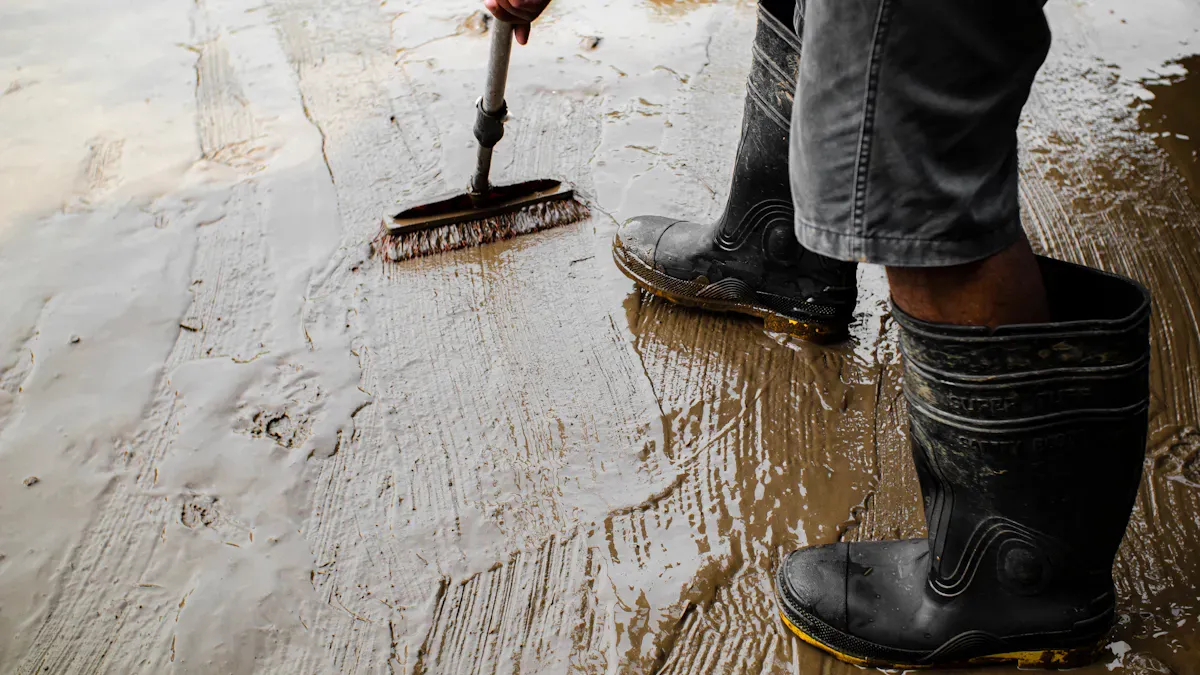
Cementitious waterproofing methods are made from sand, silica, and chemicals. This mix creates a strong barrier that keeps out water. The usual ingredients are:
20-30% marble dust or silica sand
25-35% lime
3-12% ground salt, alum stone, or calcium chloride
The waterproofing layer is usually 1 to 3 millimeters thick. This thickness affects how strong and water-resistant it is. It takes about 24 to 48 hours to cure at 70°F (21°C), depending on the weather. The texture can be smooth or rough, based on the product and how it is applied.
Advantages
Cementitious waterproofing has many benefits:
Cost-Effective: This method often needs less labor than other techniques. It also lowers long-term maintenance costs, making it cheaper.
Durability: Cementitious coatings can last over 30 years. They bond with concrete through a chemical reaction, making them strong.
Minimal Maintenance: These coatings usually only need checking every ten years, which makes upkeep easy.
You can also look at polymer modified cementitious waterproofing. This type improves performance with features like:
Feature | Benefit |
|---|---|
Flexibility | More flexible than regular slurries |
Crack-bridging ability | Can handle 1–2 mm of movement |
Adhesion | Better adhesion and weather resistance |
Service life | Usually lasts 10–15 years on exposed walls |
Disadvantages
Even though cementitious waterproofing has many good points, it has some downsides:
Surface Preparation: You must prepare the surface well. If not, it can stick poorly and not work well.
Application Conditions: You need to apply these treatments in certain conditions. Extreme heat or moisture can change how well they work.
Limited Flexibility: Traditional cementitious methods might not handle big structural movements, which can cause cracks.
Applications
Cementitious waterproofing methods are used in many construction projects. Common uses include:
Basement waterproofing
Foundations waterproofing
Slabs and walls waterproofing
Bathrooms and kitchens waterproofing
Balconies and terraces waterproofing
Roof deck waterproofing
Swimming pool waterproofing
Parking waterproofing
Sewage and water treatment plant waterproofing
Marine structure waterproofing
Dams and canal waterproofing
Industrial floor waterproofing
These methods work well in below-grade applications, where they provide reliable waterproofing.
Bentonite Waterproofing
Characteristics
Bentonite waterproofing is a special solution made from natural clay. There are two main types of this clay: sodium-based and calcium-based. Sodium-based bentonite can grow 15-17 times bigger when it touches water. Calcium-based bentonite only grows about three times its size. This swelling makes a strong barrier against water. That’s why bentonite is a good waterproofing material.
Advantages
There are many benefits to using bentonite waterproofing:
Easy Installation: You can put it in without special tools.
No VOC Restrictions: This means it is safe for indoor use.
Adaptability: It can fit different shapes and cover cracks up to 1/4 inch.
High Hydrostatic Pressure Resistance: It works well in deep holes and tunnels.
Bentonite waterproofing is great for sealing construction joints and below-grade structures. Its ability to swell helps it create a strong barrier, especially in tough situations.
Disadvantages
Even though bentonite waterproofing has many good points, it also has some downsides:
Requires Constant High Hydrostatic Pressure: It needs this pressure to work well.
Limited Resistance to Vapor Migration: This can be a problem in some cases.
Repair Options: There aren’t many choices for fixing or replacing it once it’s in.
Applications
Bentonite waterproofing is used in many construction projects. Here are some common uses:
Application Type | Description |
|---|---|
Blindside applications | Works well in deep holes where other methods might not work. |
Tunnels and subways | Often used because it can handle high water pressure and tough conditions. |
Basements in urban areas | Has a long history of use for waterproofing in city buildings, especially older ones. |
Bentonite waterproofing helps concrete last longer and carry more weight, making it a popular choice in civil construction.
Polyurethane Waterproofing
Characteristics
Polyurethane waterproofing is a strong choice for many building needs. This type makes a smooth layer that sticks well to surfaces. It dries quickly, which helps finish projects faster. Here are some important features:
Excellent Adhesion: Polyurethane sticks strongly to many surfaces.
Elasticity: It can stretch and shrink without breaking.
Chemical Resistance: This waterproofing can handle different chemicals.
Low-Temperature Performance: It works well even in cold weather.
Advantages
Using polyurethane waterproofing has many benefits:
Rapid Curing: You can finish projects quickly because it dries fast.
Durability: The waterproof layers resist wear and water, giving long-lasting protection.
Flexibility: This material adjusts to surface movements, lowering damage risks.
UV Resistance: Some types may be sensitive to UV light, but using aliphatic polyurea or a UV-safe topcoat can improve outdoor performance.
Disadvantages
Even with its benefits, polyurethane waterproofing has some downsides:
Moisture Sensitivity: Single-component polyurethane can bubble in high humidity.
UV Sensitivity: Aromatic types may change color when in sunlight.
Cost: It can be pricier than other waterproofing choices.
Applications
Polyurethane waterproofing is flexible and used in many areas:
Industrial Projects: Great for factories and storage buildings.
Commercial Projects: Often used in malls and office spaces.
Infrastructure Projects: Works well for bridges and tunnels.
This waterproofing method provides strong protection against water damage, making it a popular option in modern construction.
Comparison of Waterproofing Methods
Key Features
When you look at different waterproofing methods, you see clear differences. Here’s a quick summary of the main features of each waterproofing option:
Waterproofing Method | Key Characteristics | Common Applications |
|---|---|---|
Easy to mix and apply; makes a strong waterproof layer | Wet areas inside like bathrooms | |
Liquid Applied Waterproofing | Dries to form a smooth layer; great for tricky surfaces | Areas with many openings |
Bentonite Waterproofing | Expands when wet to fill gaps; used underground | Often used in basements |
Each method has its own strengths. For example, cementitious waterproofing is easy to use, making it good for indoor wet areas. Liquid applied waterproofing works well in complicated spots, while bentonite waterproofing is best for below-ground uses.
Effectiveness
The effectiveness of waterproofing methods can change based on how they are made and used. Here are some findings from lab tests:
The PREPRUFE® 300R Plus waterproofing system was tested for six years in water.
Results showed no leaks and no water movement during the tests.
The system kept its strong bond under pressure, showing it lasts longer than other methods.
These results show that some waterproofing methods work better in certain situations. You should think about these effectiveness rates when picking the right option for your project.
Cost Considerations
Cost is an important part of choosing waterproofing methods. Here’s a look at what you might find:
Cementitious Waterproofing: This method is usually cheap because it needs less labor. It also cuts down on long-term maintenance costs.
Liquid Applied Waterproofing: This option might cost more at first, but its smooth application can save money on repairs later.
Bentonite Waterproofing: This choice can be affordable for big projects, especially underground ones.
When looking at costs, think about both the initial price and possible long-term savings. Spending on a better waterproofing method can help avoid expensive repairs later.
Picking the best waterproofing solution is very important for your building projects. Each method, like liquid membranes or bentonite waterproofing, has its own advantages. You need to think about things like the conditions at your site and the materials you will use. This careful choice helps stop water damage and makes your buildings last longer. Keep in mind that spending on the right waterproofing can save you time and money later on.
FAQ
What is the best waterproofing method for basements?
Cementitious waterproofing is great for basements. It makes a strong barrier against water. Liquid membranes also work well, especially where there are many joints or cracks.
How long do waterproofing solutions last?
Most waterproofing solutions last about 10 to 30 years. This depends on the method and conditions. Regular maintenance can help them last longer and work better.
Can I apply waterproofing myself?
Yes, many waterproofing methods can be done by yourself. Liquid membranes and cementitious products are easy to use. Always follow the manufacturer’s instructions for the best results.
How do I prepare surfaces for waterproofing?
First, clean the surface very well. Remove dirt, dust, and any loose materials. Fix any cracks or holes before applying the waterproofing solution. This helps it stick better.
Is waterproofing necessary for all construction projects?
Not every project needs waterproofing, but it is important for places with moisture. Basements, roofs, and foundations really benefit from good waterproofing to stop water damage.
See Also
Essential Techniques for Effective Concrete Waterproofing Solutions
In-Depth Analysis of Flooring and Wall Moisture Barriers
Selecting Ideal Moisture Barriers for Your 2025 Construction Needs
