

Damp proof paint acts like a shield against water. Its main job is to stop water damage to walls and floors. Knowing how damp proof paint works is important. Many homeowners wrongly think it is a forever fix. In truth, it needs correct use and care for good water control.
Key Takeaways
Damp proof paint keeps your home safe from water damage. It works like a shield. It lets moisture vapor out but stops water from coming in.
Pick the right damp proof paint for your area. Think about things like humidity and the type of surface. This helps with a good application.
Getting the surface ready is very important. Clean it, fill any cracks, and seal joints before you put on the damp proof paint. This gives the best results.
Damp Proof Paint Overview
Definition and Purpose
Damp proof paint is a protective layer against moisture. Its main job is to stop water from getting into walls and floors. This can help prevent damage and mold. You can think of it as a barrier that keeps your home dry and comfy. Unlike waterproofing, which seals out all water, damp proofing manages moisture vapor and ground humidity. This means it helps move moisture instead of blocking it completely.
Types of Damp Proof Paint
You can find many types of damp proof paint for different uses. Here are some common types:
Type of Paint | Distinguishing Features |
|---|---|
Acrylic Latex Paints | Has acrylic polymers, resists moisture, not fully waterproof, used in humid areas to stop mildew. |
Silicone-Based Paints | Water-repelling, breathable film, flexible finish, used for masonry and concrete jobs. |
Epoxy Coatings | Non-porous, makes a thick protective barrier, very water-resistant, used for garages and industrial tools. |
Elastomeric Paints | Creates a thick protective layer, stops cracks, good for brick and stucco walls. |
Each type has special features that make it good for different places. For example, silicone-based paints work well in wet areas, while epoxy coatings give strong protection in industrial spots.
Knowing these choices helps you pick the right damp proof paint for your needs. Remember, how well damp proofing works depends on how you apply it and prepare the surface.
Tip: Always check the manufacturer’s guidelines for the best results.
When choosing a damp proof paint, think about the conditions in your area. Things like humidity, temperature, and the type of surface can affect how well the paint works.
How Damp Proofing Works
Mechanisms of Action
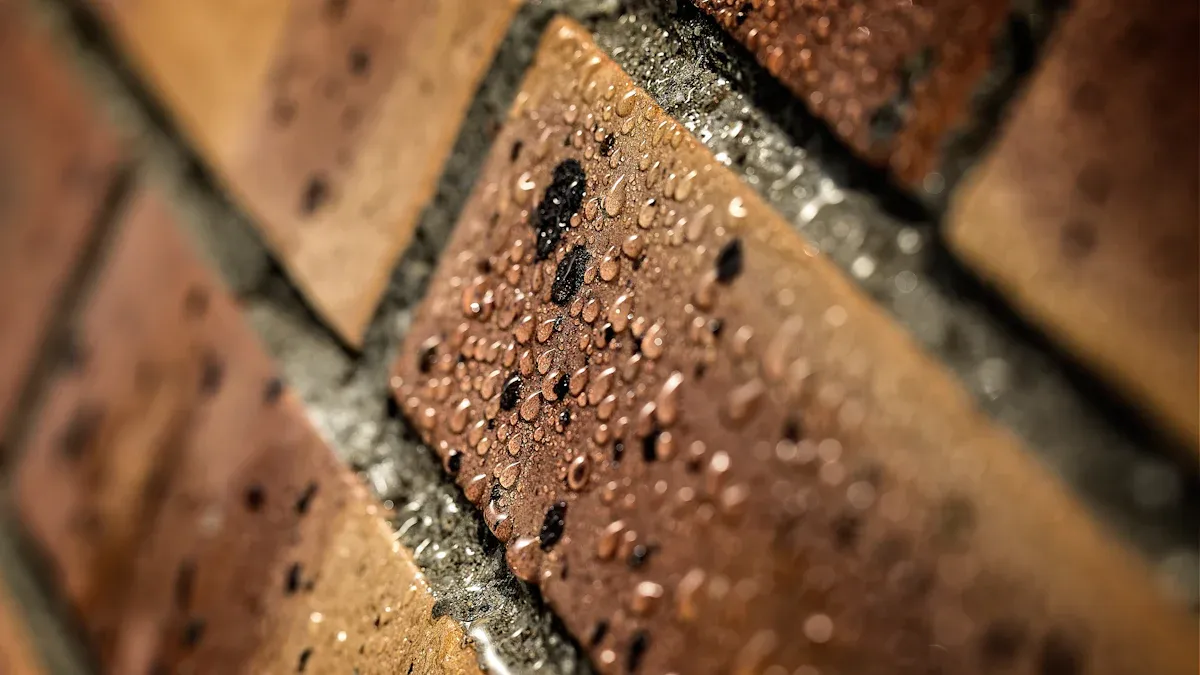
Damp proofing creates a barrier against moisture. When you put on damp proof paint, it makes a protective layer. This layer stops water from getting into walls and floors. The paint has special chemicals. These chemicals react with the surface and form a gel-like substance. This substance fills tiny gaps. This process helps block moisture and lowers the chance of water damage.
Here are some common damp proofing methods and how well they work:
Application Method | Effectiveness Context |
|---|---|
Modern, cavity-walled homes | Low moisture risk and controlled ventilation |
Internal walls without damp symptoms | Works well in kitchens, bathrooms, and areas with surface condensation |
Basements and exteriors | Only after full drying and fixing is done |
Limitations of Damp Proofing
Damp proofing is helpful, but it has limits. Putting damp proof paint on wet surfaces or those with salt can cause issues. Here are some possible problems:
Salt contamination can hurt how coatings work, causing peeling or blistering.
The amount of salt that affects a coating can change based on different factors.
How well a coating works can depend on the materials and the environment.
Knowing these limits helps you make smart choices about damp proofing at home. Properly preparing the surface and applying the paint is key for the best results.
Effectiveness and Application of Damp Proof Paint
Conditions for Success
To get the best results with damp proof paint, you need to think about some environmental conditions. These factors are very important for the paint to stick well and work right. Here’s a list of the main conditions:
Description | |
|---|---|
Air Temperature | Important for the paint to dry and cure properly. |
Surface Temperature | Needs to be checked to make sure it is above dew point to stop moisture from forming. |
Relative Humidity (RH) | Should be below 85% for most paints to let the solvent evaporate correctly. |
Dew Point Temperature | The temperature where moisture starts to form; it must be lower than the surface temperature. |
Ts-Td (Delta) Difference | Surface temperature should be at least 5ºF (3ºC) higher than dew point during prep, application, and curing. |
By keeping these conditions in mind, you can make your damp proofing work better.
Application Methods
Applying damp proof paint the right way is key for lasting protection against moisture. Here are some steps to help you apply it successfully:
Surface Preparation: Get the surface ready before you put on damp proof paint. Follow these steps:
Clean the walls to get rid of dirt and grease using the right cleaners.
Take off loose paint and sand rough spots for a smooth surface.
Fill cracks and holes with spackle, using thin layers for better sticking.
Seal joints with latex caulk to stop moisture from coming in.
Sand shiny surfaces or use liquid sandpaper for better primer sticking.
For outside surfaces, check for leaks and fix any moisture sources before painting.
Application Techniques: Different methods work best for different surfaces. Here are some good techniques:
Sanitization: Kill mold spores in the plaster with antimicrobial washes.
Base Injection Treatment: Inject special fluids into the wall to block liquid water but let vapor escape.
Epoxy Priming: Creates a watertight seal when applied, unlike regular primers.
When you apply damp proof paint, think about the type of wall and its condition. For example, modern homes with cavity walls and low moisture risk are great for this paint. It also works well on internal walls without damp signs, especially in kitchens and bathrooms where only surface condensation happens.
Remember, how many coats you apply affects how long the paint lasts. Two coats are usually recommended for the best durability. Clean surfaces often need fewer coats, while higher quality paints can cover better, needing fewer coats.
By following these tips, you can apply damp proof paint effectively and create a strong barrier against moisture, protecting your home from water damage.
Damp proof paint is an important shield against moisture. It stops water damage but lets moisture escape. Keep in mind, it does not solve current damp problems. Before using damp proof paint, check your needs. Here are some steps to think about:
Use moisture meters to get correct readings.
Figure out if rising damp or other things cause the problem.
By looking at these factors, you can pick the best damp prevention option for your home.
FAQ
When is the best time to put on damp proof paint?
You should put on damp proof paint when it is over 50°F (10°C) and the humidity is low. This helps it stick better.
How long does damp proof paint stay good?
Damp proof paint can last for several years. This depends on the conditions and how well you prepare the surface. Taking care of it can help it last longer.
Can I use damp proof paint outside?
Yes, you can use damp proof paint on outside surfaces. Just make sure to prepare the surface well and pick a product made for outdoor use.
See Also
Expert Techniques for Applying Waterproof Coatings Effectively
Comprehensive Strategies for Effective Concrete Waterproofing
Comparing Film-Forming and Penetrating Sealers for Australia
Selecting Ideal Moisture Barriers for Walls and Floors in 2025
In-Depth Comparison of Moisture Barriers for Floors and Walls
