

Waterproofing your foundation is very important for your home. It stops water from getting in. This can weaken the soil and cause damage. By putting in a foundation water barrier, you save money on repairs. It also helps your home handle weather better. A good water barrier keeps your home strong and can increase its value. To waterproof effectively, follow key steps. Choose the right materials, prepare the foundation, and apply the barrier the right way.
Key Takeaways
Keeping your foundation dry stops damage and can raise your home’s value. – Pick the best waterproofing materials for your foundation type to get good results. – Check your foundation often to find any damage early and keep the waterproof barrier strong. – Use a clear step-by-step process to make sure your foundation water barrier works well. – Think about hiring a pro for waterproofing to get better and longer-lasting results.
Choosing Materials for Foundation Water Barrier
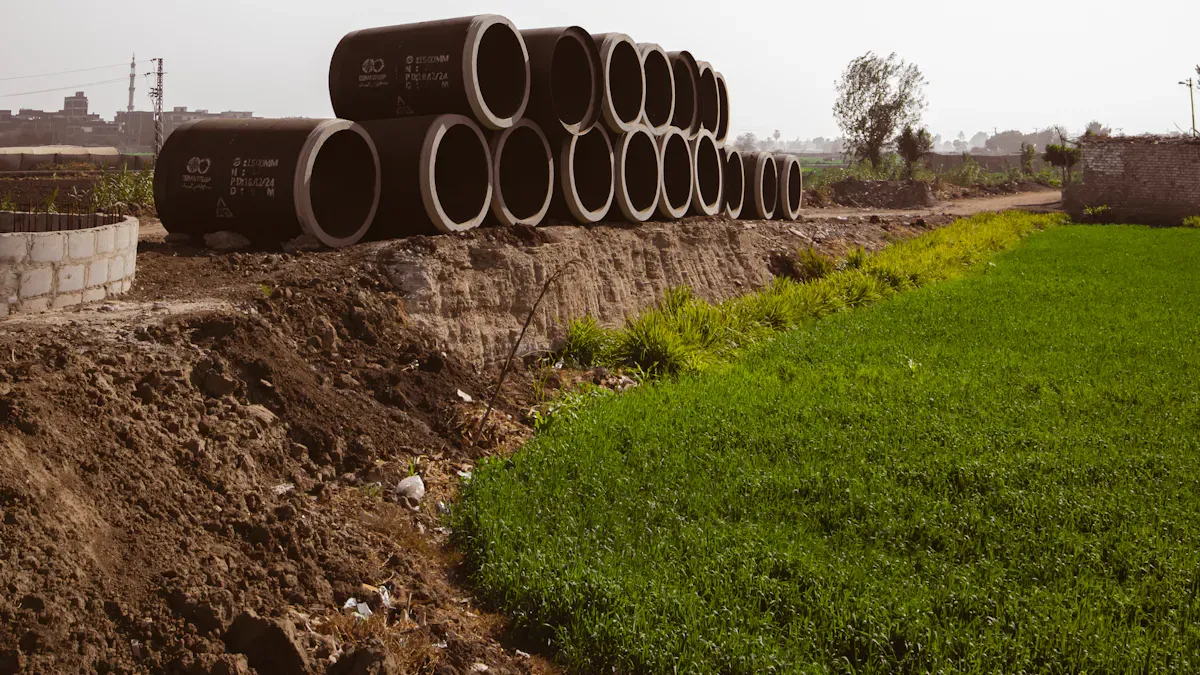
Picking the right materials for your foundation water barrier is very important. Different waterproofing products meet different needs based on your foundation type. Here are some common waterproofing products you might think about:
Above-Grade Products: These work well for places like balconies and rooftops.
Below-Grade Products: Made for concrete foundations that deal with hydrostatic pressure.
Sheet-Based Membranes: Rolled onto solid surfaces like foundations to seal them well.
Fluid-Applied Membranes: Sprayed or rolled on surfaces to create a smooth layer.
In construction, waterproofing materials fall into two main types: above-grade and below-grade products. Above-grade products are good for balconies and rooftops. Below-grade materials are needed for concrete foundations that face constant hydrostatic pressure.
When picking a waterproofing product, think about your foundation’s needs. For example:
Basement Foundations: These need strong waterproofing systems to handle hydrostatic pressure from wet soil. Focus on exterior grading and waterproofing systems to stop water from coming in.
Crawl Space Foundations: Vapor barriers are key here to stop moisture movement, especially in closed spaces.
Slab Foundations: You need vapor barriers under the slab to keep moisture from coming through the concrete.
A great choice for waterproofing is the BANDě Rigid Waterproofing Sealer. This product is eco-friendly and water-based. It goes deep into cement surfaces. It reacts with concrete ions to make solid, clear crystals that fill gaps and cracks, creating a leak-proof layer.
Here are some special features of BANDě Rigid Waterproofing Sealer compared to other rigid sealers:
Feature | BANDě Rigid Waterproofing Sealer | Other Rigid Sealers |
|---|---|---|
Environmental Resistance | Superior | Varies |
Mold and Mildew Resistance | Yes | Limited |
UV Resistance | Yes | Often No |
Lifespan | 10+ years | Few years |
Ease of Application | High | Varies |
Choosing the right waterproofing material can save you money in the long run. Eco-friendly options may cost more at first, but they often lower repair needs and maintenance costs. Always think about your foundation’s specific conditions and the local weather when making your choice.
Preparing the Foundation
Site Inspection and Damage Assessment
Before you put on a foundation water barrier, check the site carefully. This step is very important to find any damage that could affect waterproofing. Follow these steps for a good inspection:
Look at each part for cracks, peeling paint, or loose mortar.
Make sure the soil is graded right to stop water from pooling.
While you inspect, watch for signs of moisture problems. Look for condensation on surfaces and stains on walls and beams. You might also smell musty odors, which can mean mold is growing. A moisture meter can help find hidden damage that you might not see.
Here are some common signs of foundation damage to look for during your inspection:
Sign of Damage | Description |
|---|---|
Wall Cracks | Cracks in walls, especially horizontal or zigzag ones, can show possible foundation problems. |
Sticking Windows and Doors | Windows and doors may stick because of misalignment from foundation issues. |
Mildew Smell | A mildew smell can mean mold problems from moisture in the foundation. |
Uneven or Sloping Floors | Floors that are not level can be uncomfortable and may show foundation issues. |
Water in Basement or Crawlspace | Water in these areas is a big sign of foundation problems. |
Repairing Cracks and Holes
After you find any cracks or holes, fix them before applying the waterproofing barrier. One good way to fix cracks is by using crack injection. This means filling cracks with waterproof materials like polyurethane or epoxy. This method seals leaks and stops more water from coming in.
To repair cracks well, follow these steps:
Clean around the crack to get rid of debris.
Use a crack injection kit to fill the crack with the material.
Let the material cure according to the instructions.
Finding and assessing cracks properly is key for good repairs. Make sure the repair materials you use match the existing concrete. This helps keep it strong and stops moisture from moving through. For example, using the HydroSeal 75 Epoxy Injection Kit can give a lasting seal for cracks up to 1/4 inch wide.
By checking and repairing your foundation carefully, you prepare for a successful waterproofing process. This preparation will help keep your foundation strong and safe from water damage.
Applying the Foundation Water Barrier
Step-by-Step Application Process
Putting on a foundation water barrier needs careful work. Follow these steps to make sure your waterproofing works well:
Prepare the Surface: First, clean the foundation. Get rid of all dirt, sharp items, and loose stuff. A clean surface helps the waterproofing stick better.
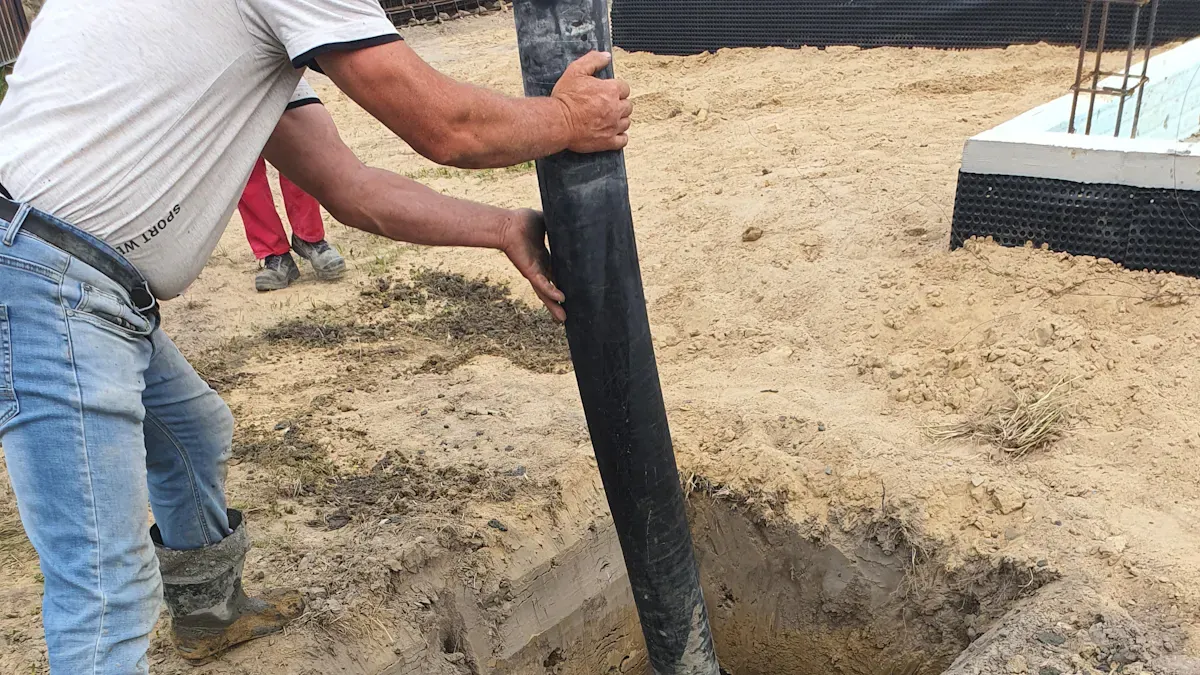
Excavate and Grade: If needed, dig around the foundation to make a stable area. Shape the soil to move water away from the foundation.
Lay the Barrier: Use polyethylene sheets for below-grade work. Overlap the sheets by 6 to 12 inches and seal the edges with waterproof tape. This stops moisture from coming through.
Apply Waterproof Coatings: Put a waterproof coating on the foundation. Pay close attention to joints, cracks, and spots around pipes. Make sure to cover everything evenly for the best protection.
Install Drainage Solutions: Think about adding a drainage mat in front of the waterproof coating. This helps move moisture away from the foundation. You might also set up a French drain system to stop water buildup.
Inspect the Barrier: After putting on the waterproofing materials, check the barrier for any gaps or problems. Fix any issues before continuing with more work.
Doing a good job installing a moisture barrier is key for it to work well. By following these steps, you can make a strong foundation water barrier that keeps your home safe from water damage.
Importance of Primer and Membranes
Using primers and membranes makes your waterproofing system work better. Here’s why they are important:
Sealing the Substrate: Primers seal the surface, which stops moisture from moving. This helps the waterproofing membrane stick well.
Compatibility: Different primers are made for different surfaces and conditions. Picking the right primer helps it stick and work well.
Enhanced Bonding: Regular epoxy primers are best for quick-setting waterproofing systems. They create a strong surface for the membrane to bond, especially on flat areas.
Using waterproofing paints and primers can make your foundation water barrier last longer. They help keep moisture from getting through the surface, making sure your home stays dry and safe.
Safety Precautions
When using foundation waterproofing products, safety should come first. Here are some important safety tips:
Safety Precaution | Description |
|---|---|
Skin injuries | Wear protective clothes and gloves to avoid chemical harm to your skin. |
Injection hazards | Be careful with spray tools to avoid injecting harmful chemicals. |
Eye injuries | Use safety glasses or goggles when working with liquids. |
Flammable materials | Keep fire sources away from solvent-based waterproofing products. |
Respiration hazards | Use recommended masks, especially in closed spaces, to avoid harmful fumes. |
Work with others | Don’t work alone and follow safety rules when using subcontractors. |
By following these steps and safety tips, you can successfully apply a foundation water barrier that protects your home from water damage.
Maintaining the Water Barrier
Regular Inspections
You need to check your foundation water barrier often to make sure it works well. Try to inspect it at least once a year. During these checks, look closely at the seams, the materials, and how well the drainage systems work around the barriers. It’s also a good idea to check your crawl space for any damage, tears, or loose spots in the barrier.
To help with your inspections, you can use these tools:
Moisture Meter: Finds moisture in materials that you can’t see.
Bright Flashlights: Light up cracks and wet spots in dark areas.
Camera/Smartphone: Take pictures to show changes over time for experts.
Protective Gear: Wear gloves, knee pads, and dust masks for safety.
Measuring Tape and Level: Check how wide cracks are and if things are shifting.
Hygrometers: Measure humidity levels in basements.
Garden Hose: Mimic rain to see how water moves.
Using these tools helps you keep an eye on your moisture barrier and fix any problems quickly.
Seasonal Maintenance Tips
Changes in seasons can really affect how well your foundation water barrier works. Here are some tips to remember:
Manage Drainage: Clean and check gutters and downspouts often to keep rainwater away from the foundation.
Control Vegetation: Don’t plant trees or bushes too close to the foundation to stop roots from causing issues.
Monitor Soil Moisture: Keep the soil balanced to prevent shrinking or erosion of the foundation.
Ensure Proper Roof and Gutter Maintenance: Make sure your roof and gutters work well to stop water from building up.
Before winter, check and clean gutters, downspouts, and splash blocks. Make sure the soil slopes away from the foundation at a 2% to 5% angle. Test your sump pump and battery backup systems. After winter, look at your basement and crawl space for new cracks or white stains. Watch the humidity inside and use dehumidifiers if needed.
By following these maintenance tips, you can make your basement waterproofing system last longer and keep your home safe from water damage.
To sum up, making a foundation water barrier has important steps. You need to pick the right materials, get your foundation ready, and put on the barrier correctly. Each step is key to keeping your home safe from water damage.
Here are some main points to remember:
Waterproofing stops damage and increases your property value.
It helps you avoid expensive repairs that can cost over $20,000.
Hiring a professional for waterproofing is more effective and lasts longer than doing it yourself.
If you see signs of water getting in, like cracks or wet spots, act quickly. Talking to a professional can help you fix these problems and protect your home. Your house needs strong protection against water damage! 🏡💧
FAQ
What is foundation waterproofing?
Foundation waterproofing keeps your home safe from water damage. It uses materials that stop moisture from getting into your foundation. This process helps keep the structure strong and stops mold from growing.
How often should I inspect my foundation waterproofing?
You should check your foundation waterproofing at least once a year. Regular checks help you find problems early. Look for cracks, moisture, or signs of damage.
Can I do foundation waterproofing myself?
Yes, you can do foundation waterproofing on your own. But make sure to use the right techniques and good materials. If you are not sure, think about hiring a professional for better results.
What are the signs of a failing waterproofing system?
Signs that your waterproofing system is failing include water stains, mold growth, and cracks in the walls. You might also smell musty odors or feel dampness in your basement or crawl space.
How long does foundation waterproofing last?
The length of time foundation waterproofing lasts depends on the materials used and the environment. Usually, a well-done system can last 10 years or more if you take care of it properly.
See Also
Comprehensive Strategies for Effective Concrete Waterproofing Solutions
Selecting Ideal Moisture Barriers for Walls and Floors in 2025
DIY Guide to Effectively Waterproofing Your Basement Space
Key Insights on Moisture Barriers for Home Walls and Floors
Expert Techniques for Applying Waterproof Coatings on Various Surfaces
