

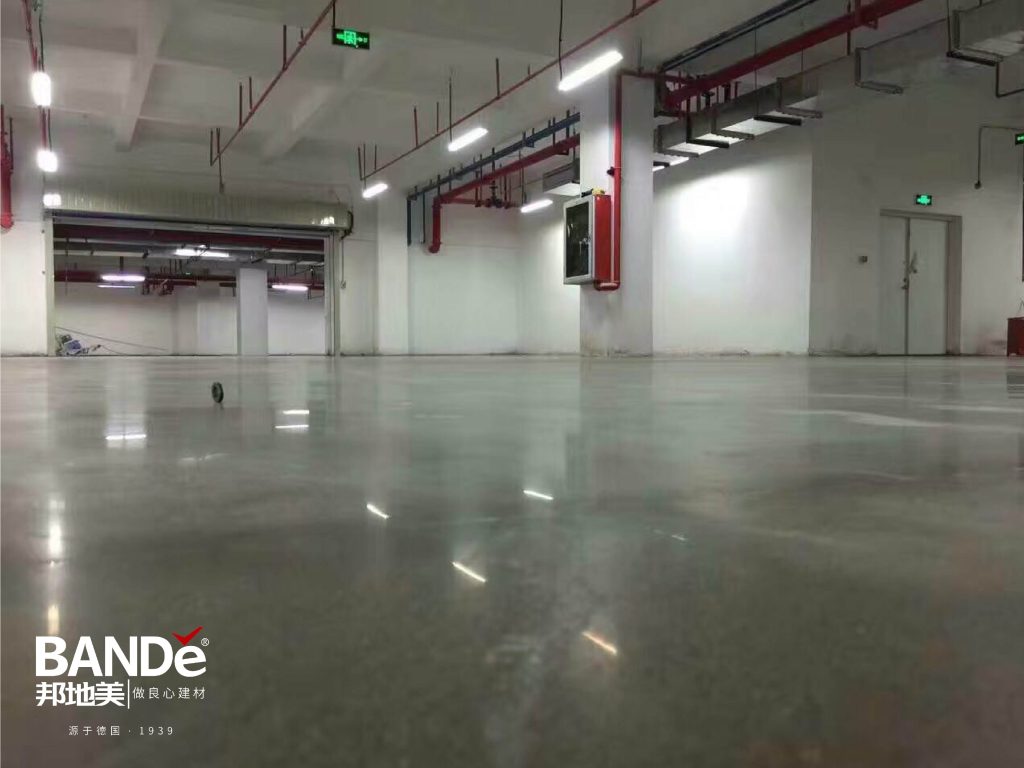
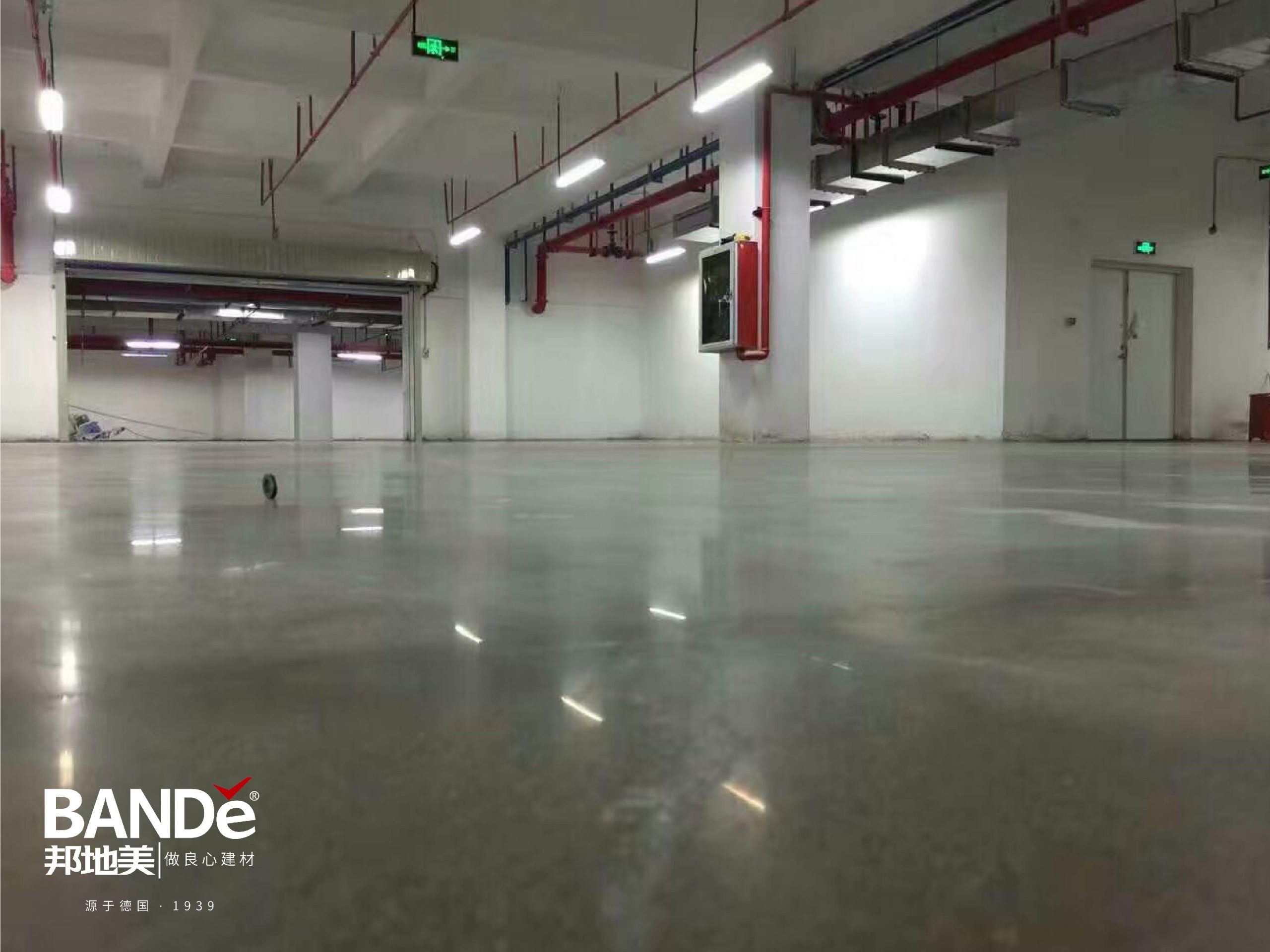
Maintaining the concrete in your garage is very important, especially when considering how to prevent concrete deterioration in garage floor and parking structure. If you ignore this, it can lead to significant problems, including structural failures and costly repairs. For instance, the collapse of Champlain Towers South highlights the severe consequences of long-term concrete damage. Additionally, elements like water and road salts can harm concrete, leading to cracks and rust. By taking proactive steps to protect your garage floor, you can avoid these dangers and extend its lifespan.
Key Takeaways
Use good materials for your garage floor. Strong concrete mixes and correct installation help stop damage.
Put on protective coatings to guard your garage floor from water, chemicals, and wear. Pick options like epoxy or polyaspartic coatings for lasting protection.
Do regular maintenance. Check for cracks, clean up debris, and fix problems quickly to make your garage floor last longer.
Look for signs of damage, like cracks and stains. Finding these early can stop bigger problems and expensive repairs.
Think about using products like BANDe’s concrete surface hardener. This makes it stronger and helps resist moisture, keeping your garage floor tough.
Causes of Concrete DeteriorationEnvironmental Stressors
Environmental factors play a big role in concrete deterioration in your garage. Here are some important stressors to think about:
Freeze-Thaw Cycles: Water gets into the concrete and expands when it freezes. This causes cracks and pitting. Each freeze-thaw cycle can weaken the concrete and cause serious damage over time.
Temperature Fluctuations: Extreme changes in temperature make concrete expand and contract a lot. This can lead to cracking.
Water Damage: Water that seeps under or through the garage floor can wash away the soil base. It can also freeze and expand inside the concrete, especially during freeze-thaw cycles. Moisture getting in is one of the main reasons for concrete problems, causing issues like cracking and spalling.
When temperatures drop below freezing, trapped water turns to ice and expands. This expansion puts a lot of pressure inside the concrete, making it weak.
Poor Construction Practices
Bad construction practices can cause concrete to deteriorate too soon. Common mistakes include:
Poor drainage from wrong drain placement, which leads to water pooling and more absorption.
Wrong concrete placement, which can cause scaling or map-cracking, speeding up deterioration.
Not enough concrete cover, which exposes steel to damage.
These problems can weaken your garage floor, making it easier to get damaged.
Chemical Exposure
Chemicals found in garages can also hurt concrete surfaces. Key offenders include:
Oil and fluid leaks from cars
Common household cleaners
These substances can soak into the concrete, causing corrosion and more damage. Using good moisture control methods and products like BANDe’s concrete surface hardener can help protect your garage floor from these harmful effects.
How to Prevent Concrete Deterioration in Garage Floor
Use Quality Materials
Picking the right materials is key to stopping concrete damage in your garage. Good concrete mixes make floors strong and last longer. Here are some materials you might use:
Material Type | Benefits | Trade-offs |
|---|---|---|
Epoxy Floor Coatings | Tough surface; resists chemicals; comes in many colors | Needs careful prep; can turn yellow in sunlight |
Polyaspartic and Polyurea Systems | Quick drying; very flexible; great in sunlight | Costs more; needs skilled workers; quality varies |
Polished Concrete | Strong; easy to care for; can be customized | N/A |
Using strong concrete mixes helps a lot too. This concrete can handle heavy stuff and cars. Good installation, like using vapor barriers, stops water problems. Adding steel bars or fiber mesh makes the floor stronger. It spreads weight evenly and reduces stress.
Apply Protective Coatings
Putting on protective coatings is another way to keep your garage floor safe. These coatings block water, chemicals, and wear. Here are some options:
Epoxy Coatings: Lasts 10 to 20 years; resists scratches; great for garages.
Polyaspartic Coatings: Dries fast; stays good in sunlight; perfect for sunny spots.
Polyurea Coatings: Very flexible; resists chemicals; great for spills and leaks.
To keep protection strong, follow this reapplication schedule:
Coating Type | Expected Lifespan | Maintenance Frequency |
|---|---|---|
Acrylic Sealers | 1–3 years | High (apply yearly) |
Standard Epoxy | 2–5 years | Moderate (patch sometimes) |
Polyaspartic | 10–15 years | Low |
Polyurea | 15–20 years | Low |
Regular Maintenance
Regular care is important to keep your garage floor lasting long. Here are some things to do:
Timely Repairs: Fix cracks quickly to stop more damage. Small cracks can be fixed with epoxy.
Routine Inspections: Check every three to five years for damage signs. Look for cracks, stains, and water.
Cleaning: Sweep often to clear debris and stop scratches. Use mild soap and soft brushes.
Also, try these tips:
Use soft wheels on furniture to avoid harm.
Put strong mats where people walk a lot.
Lift heavy things instead of sliding them to stop grooves.
By doing these things, you can stop concrete damage in your garage floor and parking area. Using good materials, coatings, and regular care will keep your garage in great shape for years.
Preventing Concrete Deterioration: Signs to Watch For
Cracks and Chips
You need to check your garage floor for cracks and chips often. These problems can show deeper issues. If you ignore them, cracks can cause more damage. You might trip on uneven surfaces. Water can get into these cracks, leading to mold and mildew. Also, cracks can lower your property value and let pests in. Here are some signs to look for:
Spalled or Cracked Concrete: Shows freeze-thaw cycles or moisture problems.
Exposed or Corroded Reinforcing Steel: Means fast damage from moisture.
Expansion Joint Damage: Can let water in, making problems worse.
Stains and Discoloration
Stains and discoloration on your garage floor can show chemical damage. You should notice these signs, as they often mean bigger issues. Common stains include:
Efflorescence: White crystals showing moisture and salt moving through concrete.
Rust Stains: Orange or brown marks from corroding steel, often near cracks.
Oil, Grease, and Household Chemicals: These can weaken concrete and leave bad smells.
If dark spots come back after cleaning, this means water got deep into the slab. Spreading discoloration shows liquids moving through weak areas, which can harm the concrete more.
Surface Erosion
Surface erosion looks like uneven areas and water pooling. You should watch for these signs, as they can mean hidden problems. Look for:
Cracks that get wider over time, showing settling issues.
Gaps between nearby structures and the concrete.
Water pooling during rain, showing low spots.
The causes of surface erosion can be:
Soil erosion, where water washes away soil, leaving gaps under the concrete.
Soil compaction, which makes the foundation uneven.
Tree roots pushing against concrete, causing damage.
By spotting these signs early, you can act to stop more damage. Using products like BANDe’s concrete surface hardener can help strengthen your garage floor and protect it from these problems.
Effective Products for Concrete Care
To keep your garage floor safe and lasting long, using the right products is very important. Two main solutions are concrete surface hardeners and protective sealers. These products make your garage floor stronger and help stop problems like cracks, stains, and surface wear.
Concrete Surface Hardener
A concrete surface hardener is great for making weak floors stronger and fixing issues like dust and sanding. For example, BANDe’s concrete surface hardener is made to soak into cement floors. It works with the concrete’s ions to build a strong, three-dimensional network. This process makes the floor much stronger and more durable.
Benefits of Using a Concrete Surface Hardener:
Enhanced Durability: The hardener reacts with the concrete, making a denser surface that resists cracks and tiny pits.
Moisture Resistance: It blocks the concrete’s pores, reducing liquid absorption and protecting against stains and freeze-thaw damage.
Eco-Friendly: BANDe’s product is water-based and meets modern safety and environmental rules.
Application Method:
Prepare the Surface: Clean the floor well to get rid of dust, grease, and dirt.
Apply the Hardener: Shake the product well and spread it evenly on the surface. Let it soak for at least two hours.
Brush and Rinse: Use a plastic broom to spread the product evenly, then rinse the surface to remove any leftover residue.
Repeat if Necessary: For very damaged floors, you may need to apply it multiple times.
By adding a concrete surface hardener to your care routine, you can greatly extend how long your garage floor lasts.
Protective Sealers
Protective sealers are another important tool for keeping concrete in good shape. These sealers create a barrier that protects the surface from moisture, chemicals, and wear. They are especially good at stopping problems like spalling, staining, and freeze-thaw damage.
Types of Protective Sealers:
Film-Forming Sealers: These make a visible protective layer on the surface, improving appearance and providing resistance to wear.
Penetrating Sealers: These soak into the concrete, giving breathable protection that lets moisture escape while blocking water and chemicals.
Feature | Description | Best For |
|---|---|---|
Film-Forming Sealers | Create a visible protective layer on top of the concrete. | Garage floors, commercial spaces |
Pros | Improves appearance, protects against spills and wear. | N/A |
Cons | May need to be reapplied in busy areas or under sunlight. | N/A |
Use Case | Adds strength and a clean, shiny look to garage concrete floors. | N/A |
Application Tips:
Clean the Floor: Use a pressure washer to remove dirt and oil stains.
Repair Cracks: Fix any visible cracks before putting on the sealer.
Apply Evenly: Use a paint pad or sprayer for an even application, avoiding puddles.
Allow to Cure: Let the sealer dry completely before using the garage.
By using BANDe’s concrete surface hardener along with a good protective sealer, you can effectively stop concrete damage in your garage floor and parking area. These products work together to make it stronger, resist damage, and keep it looking nice for many years.
Taking care of your garage concrete is very important for it to last long. You can stop damage by using these simple tips:
Do regular maintenance to find problems early.
Watch for signs of damage, like cracks and stains.
Regular maintenance helps keep your garage floor strong and saves you money on repairs. By using products like BANDe’s concrete surface hardener, you make a strong shield against water and chemicals. Follow these tips to keep your garage in great shape for many years.
FAQ
What causes concrete deterioration in garages?
Concrete deterioration usually happens because of environmental factors. These include freeze-thaw cycles, bad construction, and chemicals like oil and road salt.
How can I prevent concrete deterioration in my garage?
You can stop deterioration by using good materials, applying protective coatings, and doing regular maintenance. These steps help your garage floor last longer.
What are the signs of concrete deterioration?
Watch for cracks, chips, stains, and surface erosion. These signs show there are problems that need quick fixing to avoid more damage.
How often should I apply protective coatings?
You should reapply protective coatings every 1 to 20 years, based on the type. Acrylic sealers need yearly care, while polyurea coatings can last up to 20 years with little maintenance.
How does BANDe’s concrete surface hardener help?
BANDe’s concrete surface hardener makes weak floors stronger, boosts durability, and improves moisture resistance. It builds a strong network inside the concrete, protecting it from common damage issues.
See Also
A Complete Guide to Selecting Top Concrete Sealers
Five Simple Tips for Concrete Hardening in 2025
Selecting the Right Concrete Densifier for Warehouse Floors
The Ultimate Buying Guide for Concrete Densifiers and Sealers
