

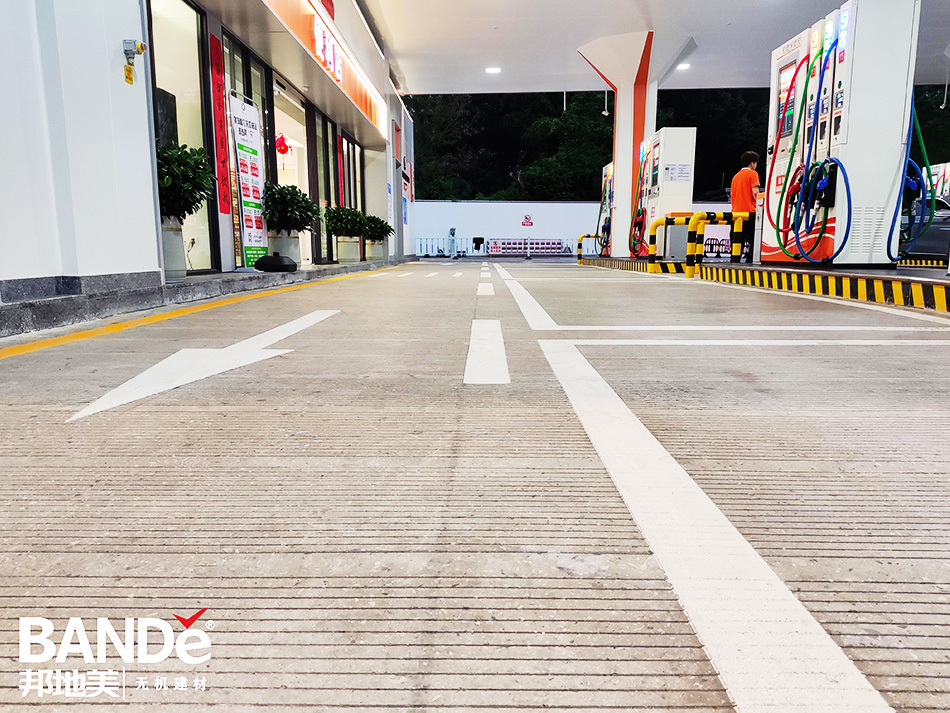
Selecting the best concrete strengthening agent for old foundations is very important. As time goes by, age and wear can weaken concrete structures, making them more likely to get damaged. You need reinforcement to keep these structures stable and lasting longer. Picking the best concrete strengthening agent can really improve their strength. Products like BANDě Concrete Surface Hardener work by penetrating the concrete and enhancing its durability, providing a robust support system.
Key Takeaways
Pick the right concrete strengthening agent for your foundation. Check for cracks, dust, or weakness first.
Think about environmental factors like moisture and temperature. These can change how well your repairs work.
Proper surface preparation is very important. Clean the area well so the strengthening agent sticks and stops future problems.
Know the different types of bonding agents. Choices like acrylic, epoxy, and latex each help with specific repairs.
Follow the manufacturer’s instructions for applying and curing. This gives the best results and makes your repairs stronger.
Concrete Strengthening Agents
Concrete strengthening agents come in different types. Each type is made to fix specific problems in old foundations. Knowing about these agents helps you pick the best one for your needs.
Chemical and Mechanical Agents
Chemical and mechanical agents are very important for making old concrete stronger. Here are some common types:
Acrylic-based bonding agents: These are great for patch repairs and overlays. They help with sticking and flexibility while letting the concrete breathe.
Epoxy-based bonding agents: These are very strong. They are good for industrial or structural uses. They connect old concrete to new repair material well.
Latex or PVA-based bonding agents: These are cheaper options for inside or non-structural repairs. But, they might not work well in wet areas or outside.
Eco-friendly inorganic compounds, like silicate-based chemicals, also help strengthen foundations. For example, sodium silicate reacts with cement. This creates calcium silicate hydrate, which makes the concrete stronger.
When choosing a concrete strengthening agent, think about these things:
Surface Condition: Check if the concrete is damaged or dusty to see if you need an epoxy primer.
Expected Load/Stress: Find out if the job is structural or just surface repair to pick the right epoxy strength.
Environmental Exposure: Think about outdoor conditions to choose a water-resistant epoxy system.
Repair Depth: Decide if the repair is thin or deep to find the right bonding agent.
Curing Time: Look at the need for fast-curing options to reduce downtime.
Chemical Resistance: Make sure the epoxy can handle chemicals related to the job.
Epoxy Repair Kits
Epoxy repair kits are key for fixing old foundations. They create a strong bond and can greatly improve your concrete’s durability. Here’s a look at the main parts and details of these kits:
Component/Aspect | Description |
|---|---|
Project Size | Affects the kit size; small repairs use quart-sized kits, while bigger projects need gallon or multi-gallon systems. |
Temperature Conditions | Impacts application and curing; standard systems work between 50°F and 90°F, with changes for extreme temperatures. |
Surface Orientation | Vertical and overhead repairs need gelled or thickened epoxy; horizontal surfaces can use self-leveling types. |
Pot Life | Varies a lot; quick-setting systems may have only 15-20 minutes of working time, while others offer 45 minutes or more. |
Chemical Resistance Requirements | Depends on the environment; special formulas are needed for exposure to oils or cleaning chemicals. |
Surface Preparation | Very important for successful repairs; includes cleaning, checking structural soundness, and making a good surface profile. |
Priming | Might be needed to help with sticking and seal porous concrete. |
Curing | Initial hardening happens within 1-5 hours; full cure takes 24-72 hours, with temperature affecting cure times. |
Strength Development | Cured epoxy usually has more strength than concrete, making it good for high-load jobs. |
UV Resistance | Changes by product; most epoxies may yellow or chalk when in sunlight, which is cosmetic and does not affect strength. |
Using an epoxy repair kit can give a long-lasting fix for your foundation problems. Good surface preparation is very important before using any strengthening agent. This means thorough cleaning to get rid of dust and debris, ensuring a strong bond.
Benefits of Strengthening Agents
Concrete strengthening agents are very helpful for old foundations. They make your structures last longer and hold more weight.
Enhanced Durability
A big benefit of these agents is making things last longer. They help old and new concrete stick together better. This stops problems like cracks and layers coming apart. When you use a bonding agent, you get:
Improved adhesion: The bond makes sure new stuff sticks well to old surfaces.
Reduced shrinkage and cracking: These agents spread out stress, so cracks are less likely.
Increased wear resistance: This is key for busy places like warehouses and garages.
Better waterproofing: Some agents make a film that keeps water out.
Using something like BANDě Concrete Surface Hardener can really make your foundation stronger. It goes into the concrete and builds a strong network, making it tougher.
Improved Load Capacity
These agents also help your concrete hold more weight. Putting reinforcement in the right place is important for support. The American Concrete Institute (ACI) says cover rules affect how strong things stay over time. With the right agent, you can expect:
Increased load-bearing ability: The strong bond lets concrete hold more weight safely.
Long-term performance: Good bonding helps repaired structures handle stress better. The bond between repair material and base is key for lasting repairs.
Picking the right concrete strengthening agent keeps your foundations strong and safe for many years.
Choosing the Right Agent
Foundation Condition
Knowing your foundation’s condition is the first step. Different damages need different solutions. Checking the foundation helps you pick the right agent.
Normal Strength Concrete: Use this for general repairs if high strength isn’t needed.
Precast Concrete: This is better for heavy structures like two-story houses. It gives more compressive, tensile, and shear strength.
Sulfate-Resistant Concrete: Use this in areas with sulfate-rich soil. It lowers the risk of swelling and future damage from sulfates.
If soil chemicals cause foundation problems, pick the right concrete type. For instance, sulfate-resistant concrete works well in sulfate-heavy soil. It prevents damage and keeps the structure strong.
If your foundation has dusting, cracks, or weak surfaces, try BANDě Concrete Surface Hardener. It goes into the concrete, reacts with it, and builds a strong network. This makes it great for fixing weak spots and patching old concrete.
Environmental Factors
The environment affects how well concrete strengthening agents work. Things like moisture, temperature, and chemicals can change repair results.
Moisture Levels: Too much moisture can weaken concrete and corrode reinforcements. Poor drainage and rain make things worse. Moisture-resistant agents are a must.
Temperature Variations: Temperature changes affect curing and strength. Good curing keeps moisture in and helps concrete harden properly.
Exposure to Aggressive Agents: Moisture can carry harmful chemicals that cause cracks and white stains. Rain and bad drainage make these problems worse.
Concrete bonding agents help with these challenges. They improve sticking, reduce cracks, and make concrete tougher. For example, BANDě Concrete Surface Hardener adds waterproofing and stability. It’s great for places with moisture and temperature changes.
Choosing the right agent means thinking about your foundation and environment. A product made for your needs will keep your foundation strong and lasting.
Surface Preparation and Application
Cleaning the Surface
Before using any concrete strengthening agent, you need to clean the surface well. Follow these steps to prepare the area:
Gather Cleaning Supplies: Get tools like a broom, mop, bucket, gloves, scrub brush (non-metallic), spray bottle, dustpan, and cat litter.
Sweep the Area: Clear away loose dirt and debris by sweeping carefully.
Absorb Standing Liquid: Use cat litter or baking soda to soak up any puddles. Dispose of the soaked material properly.
Scrub the Surface: Clean the concrete with a non-metallic scrub brush. Avoid metal brushes to prevent rust marks.
Choose the Right Cleaning Product: Pick a cleaner based on the stain type:
For grease stains, sprinkle soda and wait 15-30 minutes before scrubbing.
For small spills, mix detergent with water and scrub the area.
For natural cleaning, mix vinegar, water, and dish soap. Let it sit before scrubbing.
For tough stains, use a concrete cleaner or degreaser, especially for porous surfaces.
For large areas, use a bleach solution but rinse with clean water afterward.
Cleaning the surface properly helps the strengthening agent stick better. If the surface isn’t cleaned well, problems like peeling, cracking, or delaminating can happen.
Application Techniques
After cleaning, you can apply the strengthening agent. Follow these tips for a good application:
Follow Manufacturer Instructions: Read the product label for directions. For BANDě Concrete Surface Hardener, shake the bottle before using it.
Apply Evenly: Use a roller or brush to spread the agent evenly. This ensures a strong bond.
Work in Sections: Divide large areas into smaller parts to cover them thoroughly. This prevents the agent from drying too quickly.
Allow Proper Curing Time: Let the agent cure as directed. Curing improves wear resistance and waterproofing.
By following these steps, you’ll get a stronger and longer-lasting foundation after applying the concrete repair product.
Picking the right concrete strengthening agent is key to keeping old foundations strong. You need to check your foundation’s state to make smart choices. Here’s a simple guide:
Evaluation Aspect | Description |
|---|---|
Full foundation check | Looks for cracks, sinking, and shifting in floors, crawl spaces, or basements. |
Review of structural parts | Checks beams, joists, and support posts for movement or wear. |
Water and drainage check | Looks at the land’s slope, gutters, and water flow to make sure water moves away from the foundation. |
Inside and outside check | Notes damage signs like uneven floors, doors that don’t fit, and wall cracks. |
Detailed report | Gives a written summary of what was found, repair tips, and a clear cost estimate for needed work. |
By thinking about these things, you can choose the best agent, like BANDě Concrete Surface Hardener, to keep your foundation strong and lasting.
FAQ
What is a concrete bonding agent?
A concrete bonding agent helps old and new concrete stick together better. It improves how well they bond and lowers the chance of cracks. There are many products made for different uses.
How do I choose the right bonding agent?
To pick the right bonding agent, check your foundation’s condition and the environment. Think about what kind of repair you need and how much weight the concrete will hold.
Can I use multiple products together?
Yes, you can use more than one product at the same time. Just make sure they work well together. Always follow the instructions on the label for the best results.
How long does it take for the bonding agent to cure?
Curing times can be different for each product. Usually, most bonding agents need 24 to 72 hours to reach full strength. Look at the product label for exact curing times.
Is it safe to apply bonding agents indoors?
Yes, many bonding agents are safe to use inside. Make sure there is good airflow while you apply them. Always follow the safety tips on the product label.
See Also
The Ultimate 2025 Handbook for Choosing Concrete Floor Hardeners
BANDě’s 2025 Manual for Picking Top Concrete Bonding Agents
Essential Information Regarding Concrete Bonding Agents You Should Know
BANDe’s 2025 Resource for Selecting Ideal Polished Concrete Densifiers
Selecting the Right Concrete Densifier for Your Warehouse Flooring
